Lexington, Kentucky: Beyond the Horse Farms
Quick Essentials
- ✈️ Flights:
Search flights to Lexington (LEX)
- 🏨 Hotels:
Browse hotels in Lexington
- 🎟️ Top Experience:
Thoroughbred Horse Farm Tour & Scenic Bluegrass
- 🚗 Car Rental:
Compare rental cars in Lexington
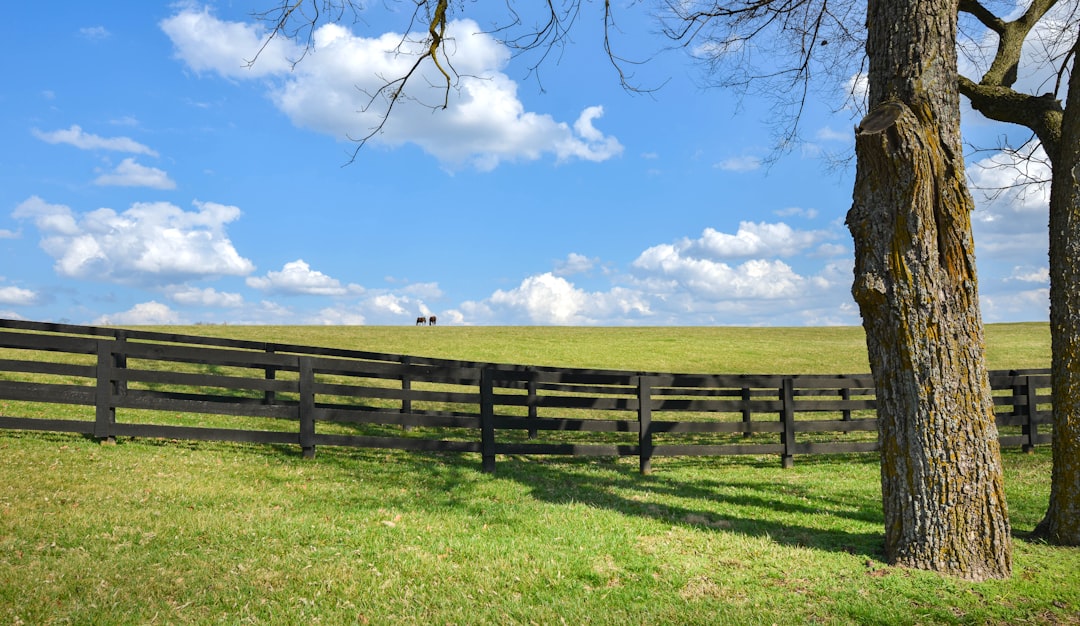
Lexington doesn’t try to impress you. That’s the first thing you notice, and probably the reason most travelers drive straight through on their way to Nashville or Asheville. The city sits in a shallow bowl of limestone and Bluegrass, surrounded by white-fenced horse farms that are beautiful but also, frankly, the reason nobody bothers to look at what’s behind them.
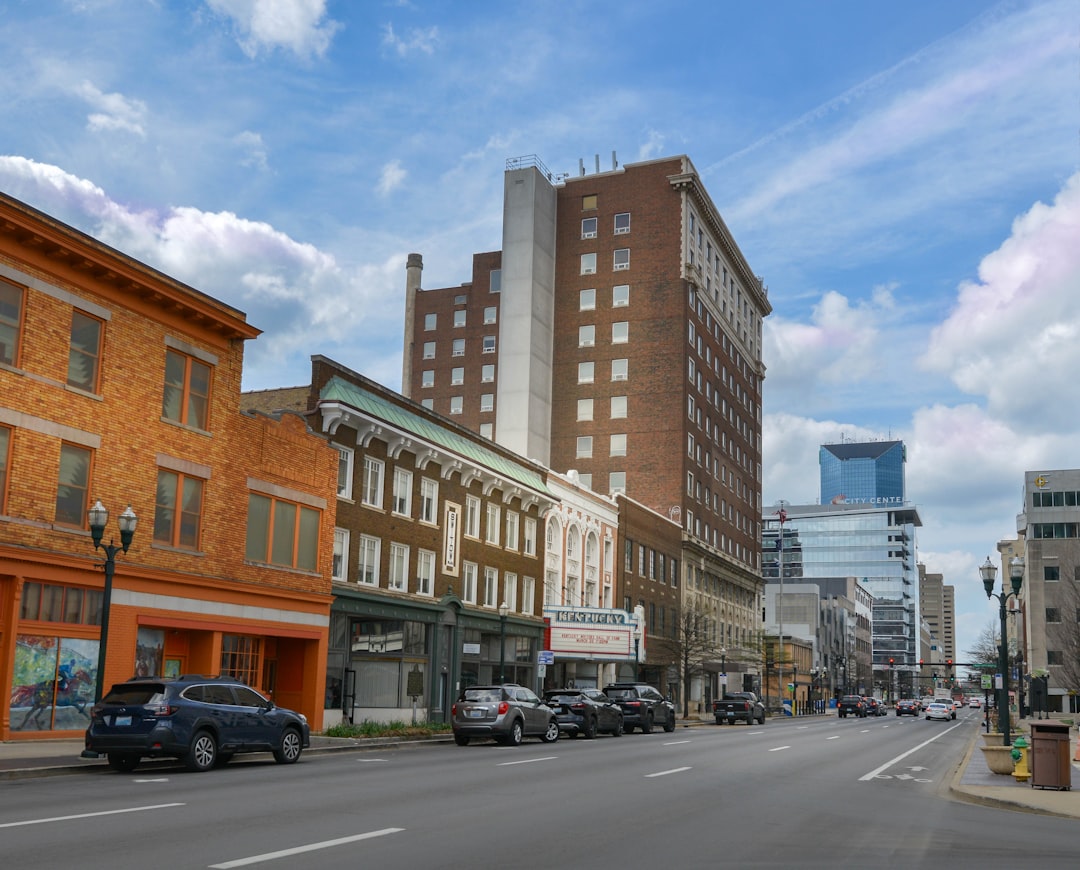
That’s a mistake. Behind the horse farms is a proper small city — population around 320,000, which makes it bigger than you’d think — with a Victorian downtown that rewards a long walk, a bourbon-forward dining scene that has quietly become one of the South’s most interesting, and a historic Black heritage trail that most travel guides haven’t caught up with yet. It’s the kind of place where a long weekend feels earned, not forced.
Visitors come expecting horses and bourbon and leave thinking about architecture and cemeteries. That’s the point: this city has layers that the standard pitch doesn’t mention.
Walking Through History: Gratz Park and the Neighborhoods That Time Forgot
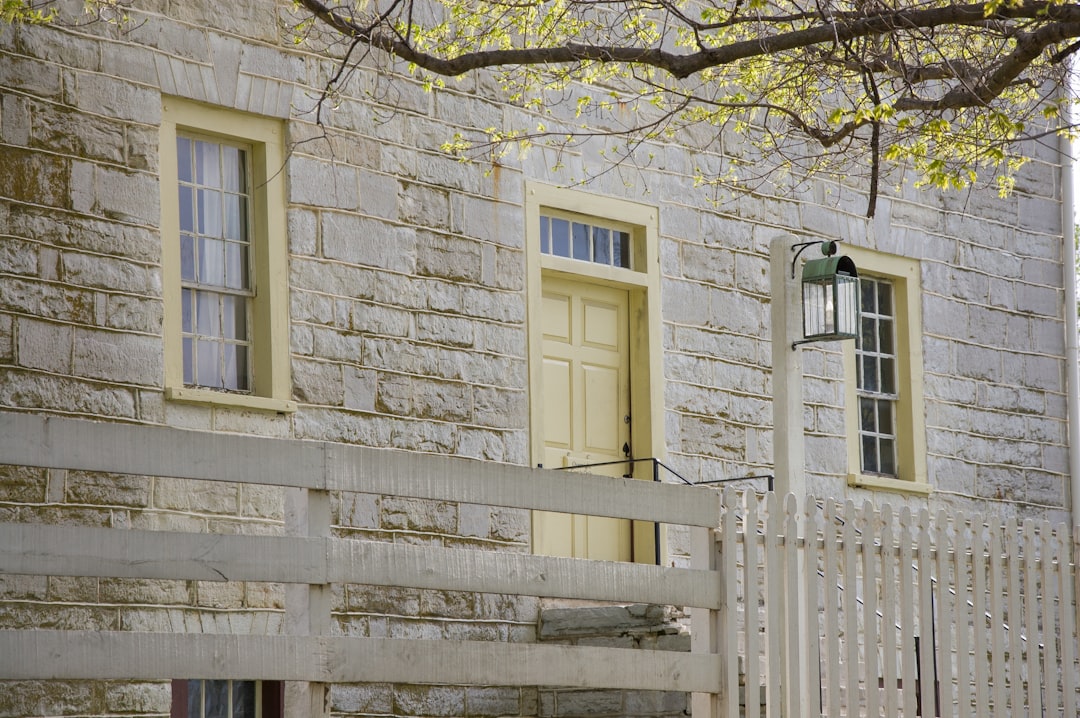
Start at Gratz Park. It’s Lexington’s oldest neighborhood, designated as the city’s first local historic district in 1958, and it looks the part. Federal, Greek Revival, Italianate, Queen Anne — the architectural styles layer over each other like geological strata, each one telling you something about who had money and taste in a given decade.
The Hunt-Morgan House anchors the district. Built in 1814, it’s a clean example of Federal architecture, and it was the birthplace of both a Confederate general (John Hunt Morgan) and a Nobel Prize-winning scientist (Thomas Hunt Morgan). That kind of historical whiplash is everywhere in Lexington — the South’s complicated past condensed into a single family tree.
Walk the park at dusk if you can. The facades glow under the old streetlamps, and the streets are quiet enough that you can hear your own footsteps on the brick. It’s more atmospheric after dark than during the day, which is not something most guidebooks will tell you.
Beyond Gratz Park, the surrounding blocks are worth exploring on foot. You’ll find 17-foot ceilings visible through parlor windows, crown moldings that predate the Civil War, and the Carnegie Center for Literacy and Learning housed in the original Carnegie Library building. None of it is flashy. All of it is real.
The Heritage You Haven’t Heard About
Here’s where Lexington gets genuinely surprising. The Kentucky African American Heritage Trail runs through the city, and it’s one of the most important cultural walks in the American South — yet it barely registers in mainstream travel coverage.
The trail divides into four legs: Northside, East End, Jefferson Street, and South Hill, each shaped by distinct chapters of African American history. First Baptist Church, at Short and DeWeese Streets, is one of the oldest African American congregations in Kentucky and served as a link in the Underground Railroad. The Isaac Murphy Memorial Art Garden honors the legendary Black jockey who won three Kentucky Derbies in the 1880s, at a time when Black riders dominated the sport.
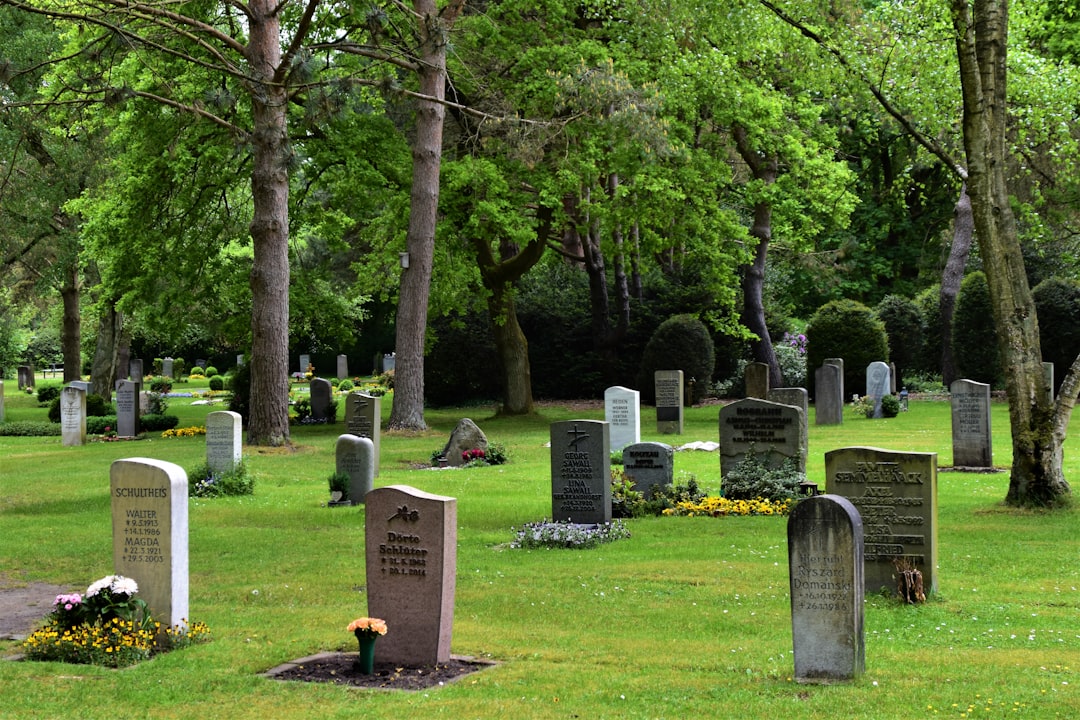
But the site that stays with you is African Cemetery No. 2. More than 5,000 African Americans have been buried here since 1869, including those legendary jockeys whose names the racing world largely forgot. It’s a powerful, quiet place — not a tourist attraction, not packaged for consumption. Just history, sitting there, waiting for you to pay attention.
Ten new sites were added to the broader Kentucky trail in early 2026, several of them in Lexington. The trail is expanding because the stories demand it. If you visit one heritage site in the city, make it this walk. It reframes everything else you’ll see.
Bourbon Without the Crowds
You can’t avoid bourbon in Lexington, and you shouldn’t try. But the good news is that Lexington’s bourbon scene doesn’t feel like a theme park. Seven craft distilleries operate within a mile of downtown, clustered in what locals call the Distillery District — a stretch of converted warehouses and old industrial buildings that feels more neighborhood than attraction.
Start at OBC Kitchen for context. The name stands for “Old Bourbon County,” and the restaurant holds over 800 unique bourbons and whiskeys. The staff know their stock properly — not in a performative way, but in the way that someone who grew up around the stuff just knows. Order a flight, ask questions, and pair it with their chef-driven Southern plates. The bourbon-glazed pork is absurdly good.
For a half-day trip, Woodford Reserve is about 30 minutes southwest. The distillery is photogenic in a way that feels almost staged — limestone buildings, copper pot stills, wooden rick houses — but the tour itself is comprehensive and worth the drive. Book the morning slot. Fewer people, better light.
Browse Lexington distillery and bourbon tours on GetYourGuide
The Distillery District also houses Elkhorn Tavern at Barrel House Distillery, where the menu is short and regional: pimento cheese sandwiches, deviled eggs, bourbon BBQ meatballs, and Kentucky burgoo — a thick, slow-cooked stew that tastes like the state itself. It’s the kind of place where you settle in for two hours and leave wondering why you ever eat at chains.
The Table: Where to Eat in Lexington
Lexington was recently named the sixth-best food city in the country, and while rankings deserve some suspicion, this one tracks. The dining scene here runs on farm-to-table conviction, not trend-chasing, which means the food feels rooted rather than performed.
Coles 735 Main occupies a beautifully restored 1938 landmark and serves locally sourced, seasonally driven dishes that change often enough to reward repeat visits. The bourbon-glazed pork and whatever seasonal side they’re running are reliable anchors. Dudley’s on Short has been a Lexington institution for over 40 years, blending Southern and European influences with the kind of quiet confidence that only comes from not needing to prove anything.
Carson’s Food & Drink earned OpenTable’s Diners’ Choice Award seven years running, and the rustic-refined approach works: Kentucky hospitality with enough culinary ambition to keep things interesting. Distilled, in the Distillery District, is more bar than restaurant, but the curated bourbon collection and cocktail program make it worth a dedicated visit.
On Saturday mornings, skip the hotel breakfast — walk to the Lexington Farmers’ Market instead. Kentucky produce, local beer, baked goods, and the state’s great contribution to snacking: beer cheese. It’s exactly as good as it sounds, and possibly better.
A Long Weekend, Well Spent
Day 1: Arrive, check into Gratz Park Inn or The Sire Hotel, walk the Gratz Park historic district before dinner. Evening at OBC Kitchen — take your time with the bourbon flight.
Day 2: Morning on the African American Heritage Walking Tour — budget at least two hours for the full route. Lunch at Elkhorn Tavern in the Distillery District, then spend the afternoon visiting two or three of the downtown distilleries. Dinner at Coles 735 Main.
Day 3: Morning Thoroughbred Horse Farm Tour (the 8:30 session leaves you free by noon). Afternoon at Raven Run Nature Sanctuary — the trails to the Kentucky River palisade overlooks are beautiful and uncrowded. If you’re there on a night when they run the stargazing walk, do it. Early dinner at Dudley’s on Short before heading out.
Staying in Lexington
Gratz Park Inn is Lexington’s only historic hotel — 38 rooms, each individually decorated in 19th-century style, right in the heart of the district. If you want character and walkability, this is the one.
→ Check availability at Gratz Park Inn
The Sire Hotel occupies the converted Lexington Clinic building in the Gratz Park garden district. It’s a Tapestry Collection by Hilton property, which means reliable service with genuine local design. Walking distance to downtown dining and distilleries.
→ Check availability at The Sire Hotel
Hilton Lexington Downtown is the full-service option — indoor pool, fitness center, a bar with 150-plus bourbons, and views over Triangle Park. Less character, more convenience.
→ Check availability at Hilton Lexington Downtown
When to Time It Right
October is Lexington’s finest month. Full stop. The Fall Meet at Keeneland runs mid-month, the foliage peaks in the third and fourth weeks, and the temperatures are perfect for walking. April and May work too — the Spring Meet at Keeneland draws a devoted crowd, and the Bluegrass countryside is absurdly green.
For festivals, the Railbird Music Festival in early June draws serious acts (Tyler Childers headlined in 2026), and SoulFeast Week in late June is a celebration of Black culture and cuisine worth timing a trip around. The Crave Lexington Food + Music Festival in late July rounds out the summer calendar.
Plan Your Trip to Lexington, Kentucky
Best time to visit: October for Keeneland’s Fall Meet and peak foliage, or April–May for the Spring Meet and the greenest Bluegrass countryside you’ll ever see.
✈️ Getting There
Search flights to Lexington (LEX) on Skyscanner
🏨 Where to Stay
Gratz Park Inn — Lexington’s only historic hotel, right in the district
The Sire Hotel — Boutique design hotel in Gratz Park garden district
🎟️ What to Book in Advance
- Thoroughbred Horse Farm Tour & Scenic Bluegrass
- Kentucky Horse Farms Tour
- Browse more Lexington experiences on Viator
Some links in this post are affiliate links. If you book through them,
CuriosityTrail earns a small commission at no extra cost to you.
Recommendations are chosen on merit; commissions never decide what’s included.