Fukuoka, Japan: Why This Street-Food Capital Deserves a Spot on Your Japan Itinerary
Quick Essentials
- ✈️ Flights:
Search flights to Fukuoka
- 🏨 Hotels:
Browse hotels in Fukuoka
- 🎟️ Top Experience:
Guided evening yatai street food tour
- 🚗 Getting Around:
Compare rental cars in Fukuoka
The Case for Going South
Most visitors to Japan draw a straight line from Tokyo to Kyoto, maybe swing through Osaka, and call it done. It’s a fine itinerary. It’s also the one everyone else is running. Fukuoka sits at the opposite end of the country — closer to Seoul than to Tokyo — and it operates on a different frequency entirely. Smaller, looser, hungrier.
This is a city that still sets up open-air food stalls along its riverbanks every single night. Around a hundred yatai — tiny canvas-and-wood kitchens seating maybe eight people each — unfold across three districts once the sun drops. Strangers sit elbow-to-elbow, eating tonkotsu ramen and grilled chicken skewers while the cook works an arm’s length away. It is the most unmediated eating experience left in urban Japan, and Fukuoka is the only city where the tradition survives at this scale.
But the yatai are just the entry point. Behind the steam and the lantern light, Fukuoka is a medieval port city with 1,200 years of temple architecture packed into its Hakata district, a gateway to Kyushu’s volcanic hot springs and centuries-old ceramics villages, and — maybe most importantly for the repeat Japan visitor — a city that hasn’t yet calcified into a tourist performance of itself. It’s still very much a place where people live and eat and commute. That’s what makes it worth the trip.
What is Fukuoka famous for?
Fukuoka is best known for its food, above all the open-air yatai stalls that set up along the riverbanks every night:
- Yatai — around a hundred tiny canvas-and-wood kitchens, seating maybe eight people each, that unfold across three districts from roughly 6 PM to 2 AM.
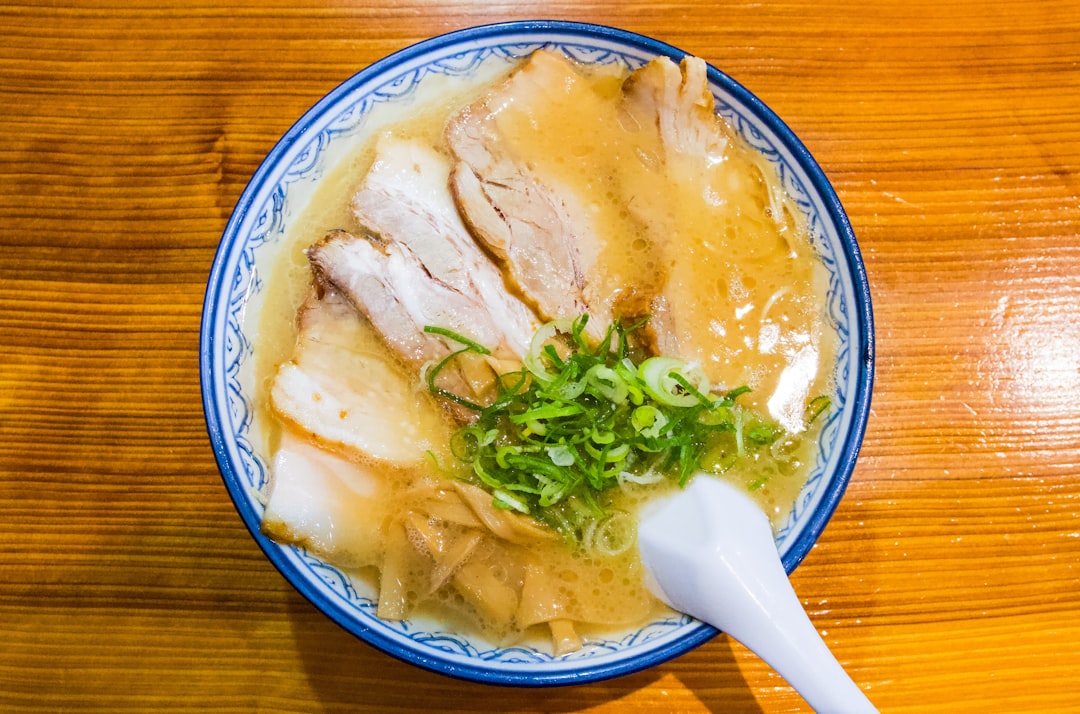
- Hakata tonkotsu ramen — rich, milky pork-bone broth with thin, firm noodles; order kaedama (a noodle refill) when you finish.
- Mentaiko — spicy marinated pollock roe, Fukuoka’s signature ingredient, which arrived via Korean culinary influence.
After Dark at the Stalls: Fukuoka’s Yatai Districts
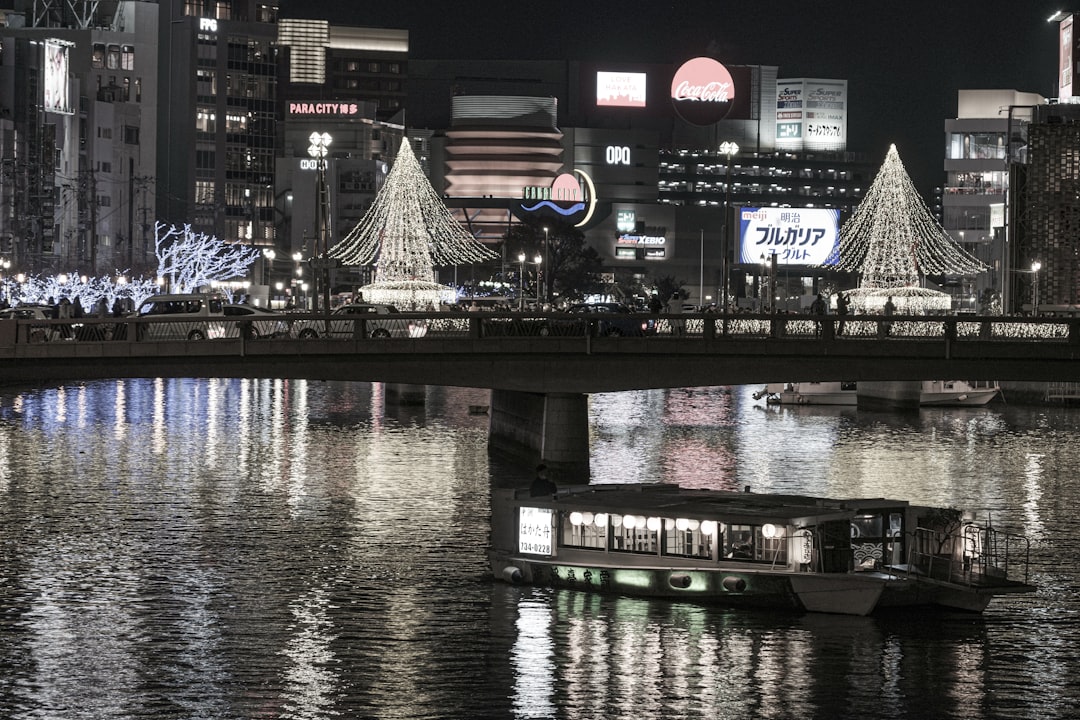
The yatai operate from roughly 6 PM to 2 AM, clustered in three neighborhoods. Nakasu Island has the most photogenic row — about twenty stalls lined along the southern riverbank, lanterns reflecting off the water. Tenjin, the downtown shopping district, scatters its stalls across side streets where the foot traffic is heavier. Nagahama, closer to the port, draws a more local crowd and specializes in the thinner-noodle Nagahama-style ramen.
A few things to know before you sit down. The stalls seat seven or eight people. There are no reservations, no menus with photos, and no private tables. You sit, you order, you eat, you leave. The sweet spot is forty-five minutes to an hour — enough time for a bowl of ramen, a round of yakitori skewers, and a beer. Lingering after the food is finished is considered bad form; there’s always someone waiting behind you.
What to order depends on the stall, but start with the tonkotsu ramen — rich, milky pork-bone broth with thin, firm noodles. When you finish the noodles, order kaedama (a noodle refill) for another 100–200 yen. It’s the move the locals make. Follow that with gyoza — pan-fried pork dumplings with crispy lace bottoms — and you’ve had the essential yatai meal for under ¥2,000.
For a more structured introduction, a guided yatai food tour covers all three districts and takes the guesswork out of which stalls are worth the wait. Guided evening yatai food tour
Hakata Old Town: 1,200 Years in a Morning Walk
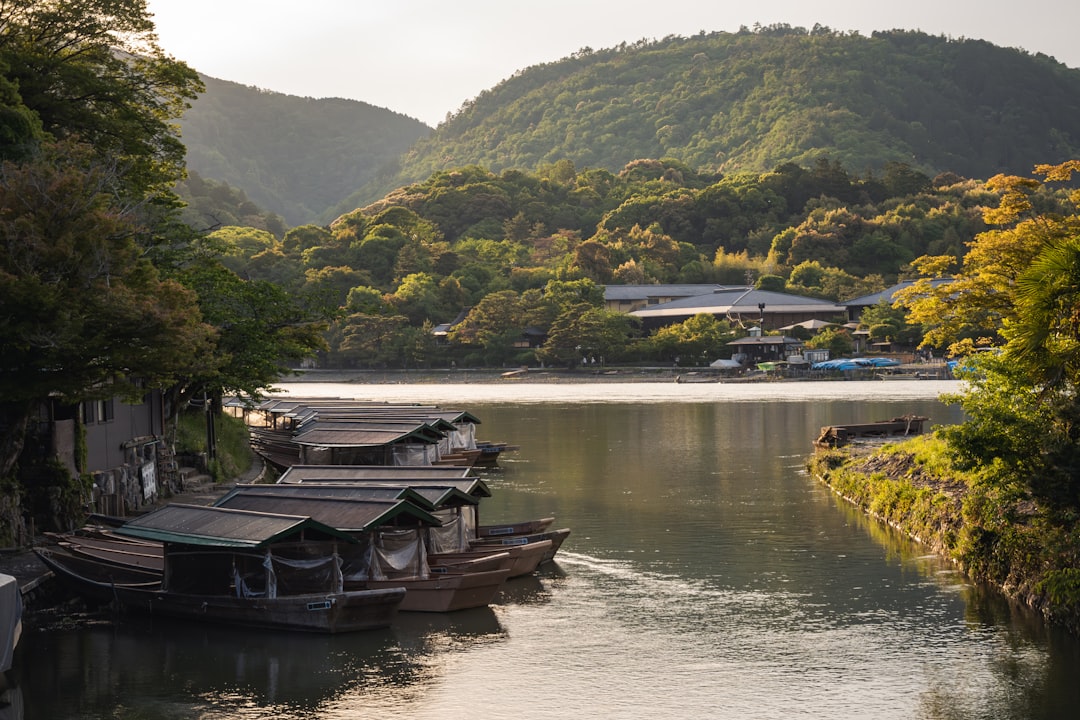
Hakata — the eastern half of Fukuoka — was once the most important port city in medieval Japan. Today its temple district sits quietly behind Hakata Station, a compact neighborhood you can cover in a morning on foot. Most visitors heading from the station to the yatai walk right through it without stopping. That’s a mistake.
Start at Tochoji Temple, the oldest Shingon Buddhist temple in Japan, founded in the ninth century. Its five-story pagoda, completed in 2011 and built entirely without nails, is easy to spot. Inside the main hall, a massive wooden Buddha dwarfs the room. From there, walk to Shofukuji — the first Zen temple established in Japan, dating to 1195 — and then to Jotenji, which local lore credits as the birthplace of udon noodles. Each temple reveals a different thread of Buddhist practice, and none of them charge admission.
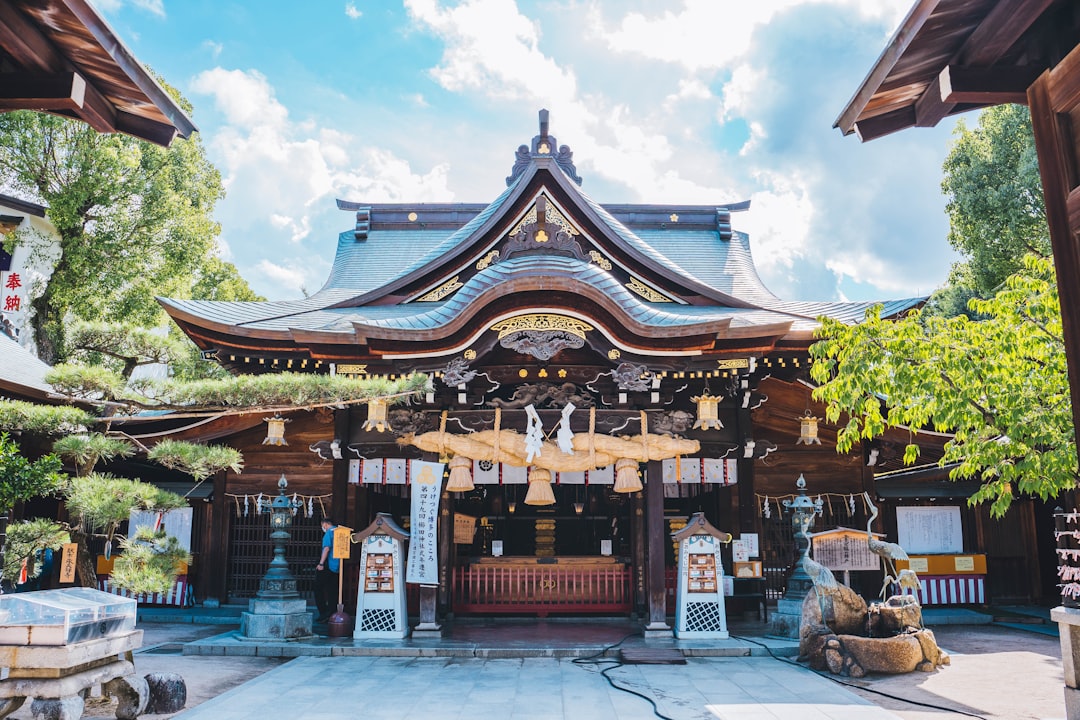
Kushida Shrine anchors the cultural center of Hakata and has for over 1,200 years. It’s also home to the Hakata Gion Yamakasa festival every July, when teams of men race through the streets carrying floats that weigh over a ton. Even outside festival season, the shrine grounds display a permanent kazariyama float that gives you a sense of the scale.
A three-hour guided walk through Hakata Old Town connects these sites with context a solo visit misses — the rivalries between temple sects, the Korean pottery influences, the merchant families who funded it all. Hakata Old Town walking tour
For the craft-minded, the Hakata Traditional Craft and Design Museum and the Hakatamachiya Furusatokan cover Hakata-ori silk weaving and Hakata clay dolls — two traditions that are still practiced in the neighborhood, not museum relics.
What to Eat Beyond the Stalls
Fukuoka’s food identity runs deeper than the yatai. Three dishes anchor the local canon, and all three reward the diner who seeks them out in the right setting.
Tonkotsu ramen comes in three regional styles. Hakata-style is the default — milky broth, thin straight noodles, minimal toppings. Nagahama-style uses even thinner noodles and a slightly lighter broth, originally designed for port workers who needed fast meals. Kurume-style, from a city south of Fukuoka, goes heavier and darker, with a stronger pork funk. Dedicated ramen shops across the city let you specify noodle firmness on a scale from soft to “bari-kata” (extra firm). Order bari-kata if you’re getting kaedama; softer noodles don’t hold up to the second pour.
Mentaiko — spicy marinated pollock roe — is Fukuoka’s signature ingredient. It arrived via Korean culinary influence and became the city’s calling card. Try it raw over steaming rice at a breakfast set, seared on a skewer at a yatai, or tucked into a fresh onigiri at Yanagibashi Rengo Market. That market, by the way, is a narrow covered arcade of fishmongers, knife-makers, and sweet shops that locals call “Fukuoka’s Kitchen.” Go early in the morning.
Motsunabe is the cold-weather essential — a bubbling hot pot of beef or pork offal simmered with cabbage, garlic chives, and togarashi in a soy or miso base. The collagen melting off the offal gives the broth an almost velvety richness. It’s not photogenic. It is deeply, disarmingly good.
Day Trips Into Kyushu: Hot Springs, Canals, and Ceramics
Fukuoka’s real advantage over Tokyo and Osaka is its position as the gateway to Kyushu. Three day trips, each completely different, each reachable inside ninety minutes.
Yufuin and Beppu sit in the volcanic highlands east of Fukuoka. Yufuin is the quieter of the two — a hot-spring town at the foot of Mount Yufu, with boutique ryokan and art galleries lining its main street. Beppu is louder and weirder, famous for its “Hells” — geothermal pools that boil in shades of cobalt blue, rust red, and milky white. A combined day trip covers both, starting with Beppu’s spectacle and ending with a soak in Yufuin. Beppu Hells and Yufuin hot springs day trip
Yanagawa, fifty minutes south by train, is a canal town built around the moats of a vanished castle. Flat-bottomed boats pole through narrow waterways lined with willow trees and old merchant houses. It’s often called “Japan’s Venice,” which undersells it — Venice doesn’t have grilled eel as its local specialty.
Arita and Karatsu, in neighboring Saga Prefecture, are the ceramics towns that shaped Japanese pottery history. Arita produced Japan’s first porcelain in the early 1600s; its workshops still fire symmetrical white pieces with cobalt and red glazes. Karatsu goes in the opposite direction — earthy, asymmetric tea-ceremony wares in browns and grays. The Kyushu Ceramic Museum in Arita contextualizes the whole tradition, and several workshops offer hands-on sessions where you shape your own pieces. Arita and Karatsu pottery day trip
Where to Sleep and When to Show Up
Hakata Station area is the practical choice — five minutes from the airport by subway, direct shinkansen to the rest of Japan, and easy walking distance to the Old Town temples. Hotels here lean functional and well-priced. It’s where you stay when the city is a base camp for Kyushu exploration. Browse Hakata Station hotels on Booking.com
Tenjin is where you stay when Fukuoka itself is the point. The shopping, the nightlife, and the densest cluster of yatai stalls are all within a few blocks. The Ritz-Carlton Fukuoka anchors the luxury end of the neighborhood. For a clean, no-fuss mid-range option, HOTEL MYSTAYS Fukuoka Tenjin sits three minutes from the subway. Browse Tenjin hotels on Booking.com
Nakasu, the riverside entertainment district, splits the difference — walkable to both Hakata and Tenjin, and right on top of the most iconic yatai row. It skews livelier at night, quieter by day. Browse Nakasu hotels on Booking.com
Timing matters. October and November are the sweet spot — comfortable temperatures, low humidity, and a stacked event calendar. The Hojoya Festival in September kicks off autumn. The Hakata Okunchi parade rolls through in October. November brings the Hakata Light Up Walk, when the old town’s temples glow after dark, and the Kyushu Sumo Basho at Fukuoka Kokusai Center — fifteen days of professional sumo that most foreign visitors don’t know exists. If you can, time your trip to catch it.
Spring works too, especially late March through April when the cherry blossoms arrive and the Taga Shrine Peach Blossom Festival fills with color. Avoid July and August unless you’re specifically targeting the Yamakasa festival — the heat and humidity are punishing.
Practical note: Yatai stalls are cash-only. IC cards (Suica, Pasmo) work on transit and at convenience stores. English signage in restaurants outside the tourist zones is rare; download Google Translate’s offline Japanese pack before you arrive.
Plan Your Trip to Fukuoka
Best time to visit: October–November — autumn foliage, comfortable temperatures, and a calendar stacked with festivals from sumo to illuminated temple walks.
✈️ Getting There
Search flights to Fukuoka on Skyscanner
🏨 Where to Stay
HOTEL MYSTAYS Fukuoka Tenjin — Clean mid-range base three minutes from the subway and the best yatai cluster
The Ritz-Carlton Fukuoka — Five-star splurge in the heart of Tenjin’s dining and nightlife
🎟️ What to Book in Advance
- Guided evening yatai street food tour
- Beppu Hells and Yufuin hot springs day trip
- Browse more Fukuoka experiences on Viator
📦 Pack Right
Portable titanium chopstick set — skip the disposable ones at the yatai
Some links in this post are affiliate links. If you book through them,
CuriosityTrail earns a small commission at no extra cost to you.
Recommendations are chosen on merit; commissions never decide what’s included.