Mérida, Mexico: Why the Yucatán’s Slow-Burn Capital Deserves More Than a Day Trip
Quick Essentials
- Best Time to Visit: November through February — the heat backs off, outdoor events are comfortable at night, and Celestún’s flamingo colony hits its peak
- ✈️ Getting There: Search flights on Skyscanner | Direct from Houston, Miami, and Mexico City
- Where to Stay: Browse Mérida hotels on Booking.com
- ️ Don’t Miss: Guided day trip to Uxmal on GetYourGuide
- Day Trips: Compare rental cars in Mérida | Worth it for Uxmal, cenotes, and Celestún
- Budget Range: $80–$150 USD per day for mid-range; $200+ for boutique hotels and private tours
The Anti-Cancún
Most travelers pass through the Yucatán at speed — fly into Cancún, shuttle to Tulum, tick Chichén Itzá off the list, go home. Mérida barely registers. That’s the whole appeal.
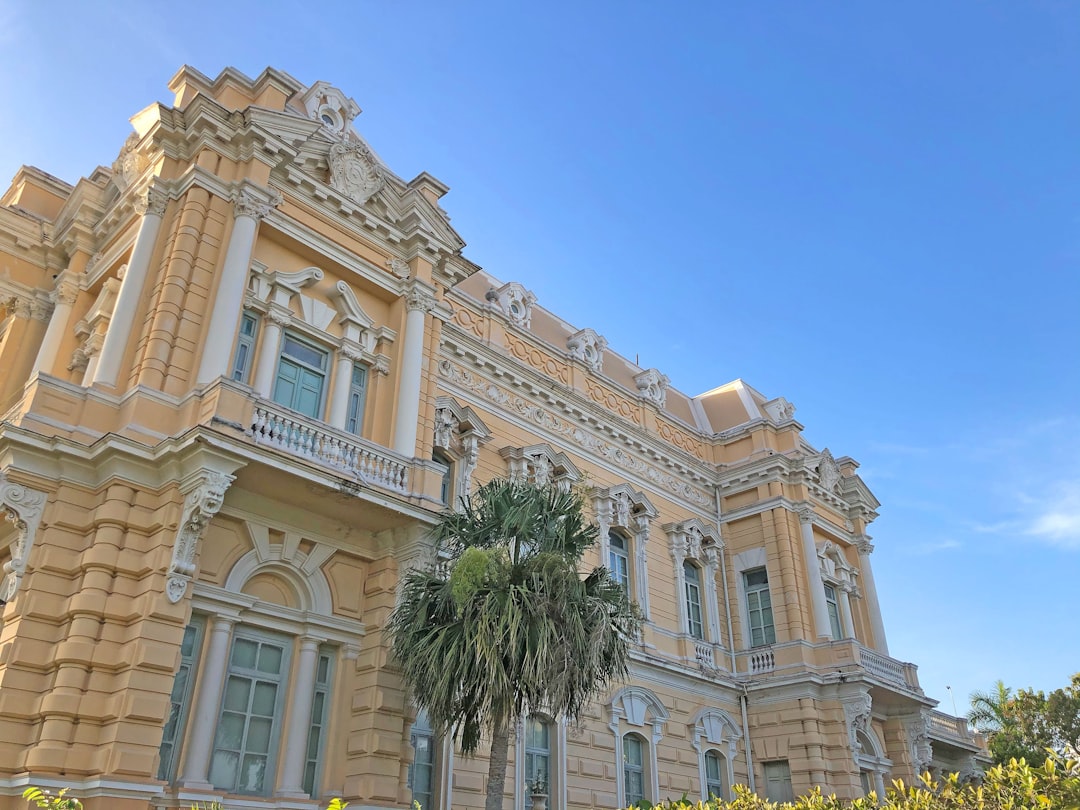
The city was laid out by Spanish colonists in 1542, built directly on top of the Maya city of T’hó, and the layers are still visible if you know where to look. The cathedral on Plaza Grande — one of the oldest in the Americas — sits on foundations made from dismantled Maya temples. The mansions along Paseo de Montejo, grand and slightly faded, were built by henequen barons who got rich selling sisal rope to the world. Now many of those mansions are boutique hotels with plunge pools hidden in stone courtyards.
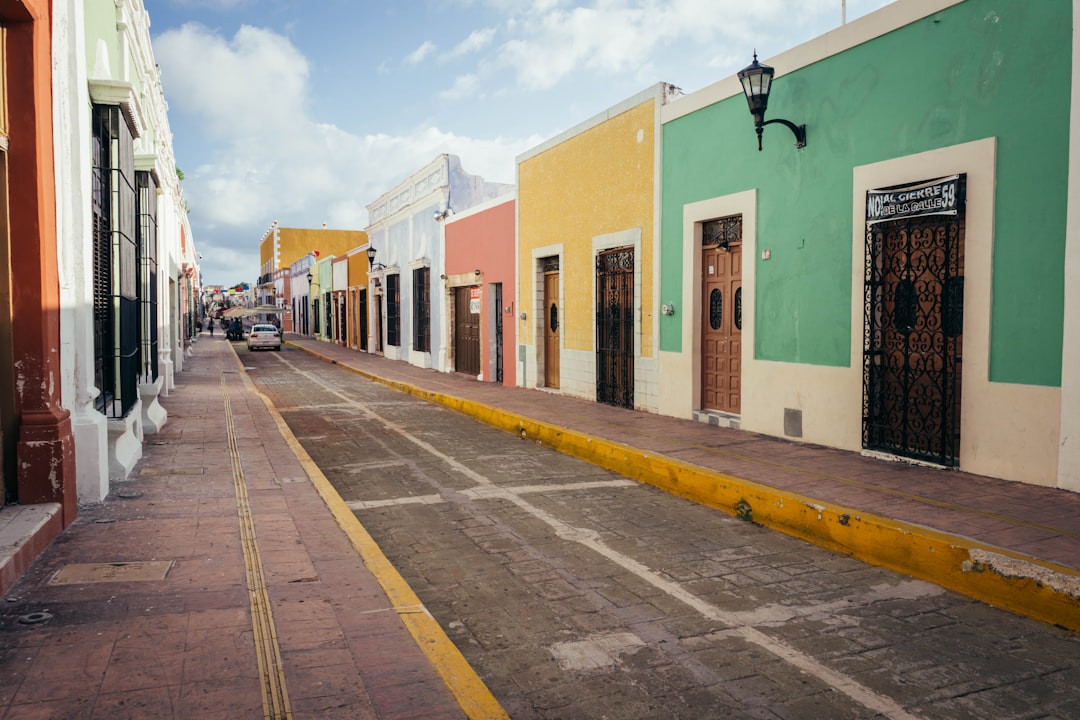
But Mérida isn’t a museum piece. The food scene runs deeper than anywhere else in the peninsula — rooted in Mayan techniques that predate the Spanish by centuries. Cochinita pibil, salbutes, papadzules — these aren’t dishes you can replicate in Cancún’s resort kitchens. They need the pit ovens and the grandmothers and the specific sour limes that grow here. And the city itself moves at a pace that rewards slowness: free nightly cultural events in different plazas, weekend street closures that turn the centro into an open-air festival, markets that haven’t been designed for tourists.
If you’ve done the beach circuit and want to understand what the Yucatán actually is, Mérida is where you start.
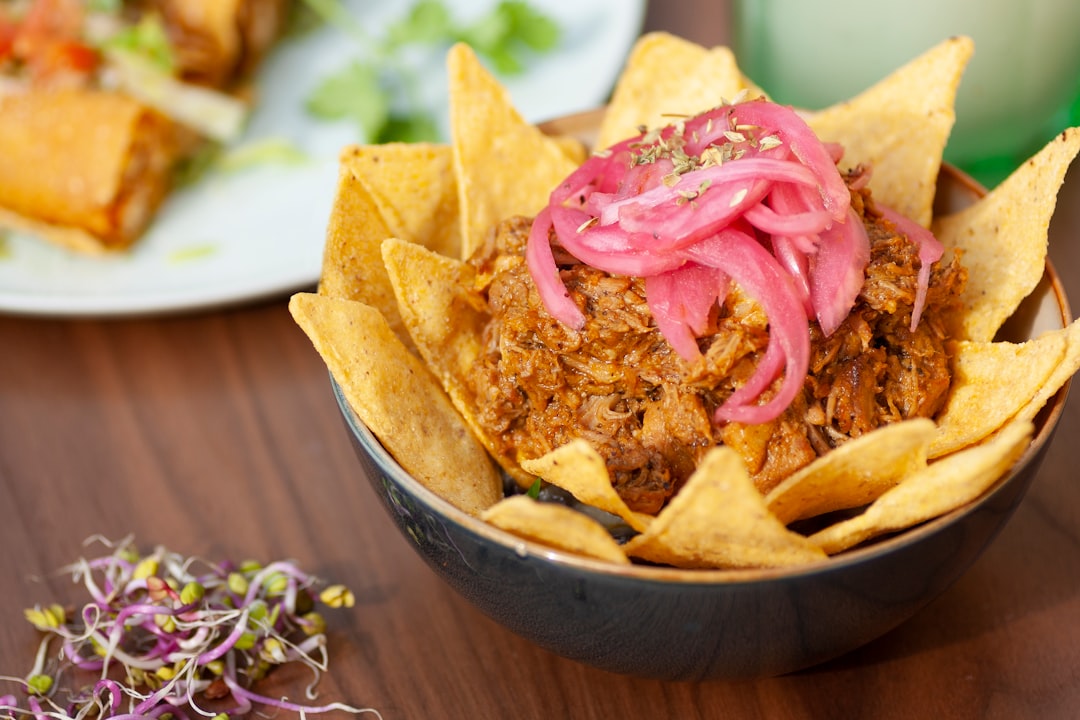
The Food Scene: Pib Ovens and Street-Cart Marquesitas
Yucatecan cuisine is its own branch of Mexican cooking, and Mérida is its capital. The flavors here lean smoky, citrus-bright, and earthy — achiote paste, sour orange, habanero, and the charred depth of pork slow-cooked underground.
Start at Wayan’e, a tiny stall on Calle 59 near the Santa Ana market that has achieved something close to cult status. The panuchos — black-bean-stuffed tortillas fried and topped with shredded turkey — are definitive. The salbutes (puffed, not stuffed) are just as good. Arrive before noon. They run out.
For the full pib experience, Museo de la Gastronomía Yucateca (MUGY) on Calle 62 cooks cochinita pibil on-site in a traditional pib oven — the underground pit that gives the dish its name. The pork comes out shredded, smoky, and stained red-orange from achiote. It’s one thing to eat cochinita pibil at a restaurant. It’s another to watch it emerge from the earth.
La Chaya Maya does a sopa de lima that could convert anyone who thinks lime soup sounds boring. The broth is fragrant with Yucatecan sour limes — a different species from what you find in North American grocery stores — and the shredded chicken is almost beside the point.
Two dishes to seek out that you won’t find easily elsewhere: papadzules (egg-filled tortillas in a silky pumpkin-seed sauce, drizzled with tomato oil) and marquesitas — crispy rolled crepes filled with queso de bola (Edam cheese, a Dutch legacy) and Nutella, sold from street carts after dark. The marquesita carts appear around 8 PM on the plaza. That’s your dessert sorted.

Day Trips That Earn Their Early Start
Mérida is a hub, and three day trips justify the alarm clock.
Uxmal is the one that matters most. An hour south on a well-maintained highway, this Puuc-style Maya site is architecturally richer and dramatically less crowded than Chichén Itzá. The Pyramid of the Magician rises from the jungle in an unusual rounded shape — no straight edges, no right angles — and the Governor’s Palace has a mosaic façade of 20,000 individually carved stones. Arrive at 8 AM when the gates open. By 10 you’ll have the site largely to yourself. On the way back, stop in Ticul or Santa Elena for lunch at a family-run cochinita stand — this is the real Yucatecan hinterland, and it feels nothing like the coast.
→ Guided Uxmal day trip with Kabah and cenote stop
Izamal sits an hour east and is unlike any town you’ve seen in Mexico. The entire city is painted ochre yellow — every building, every wall, by local decree. The Franciscan convent, built on top of a Maya pyramid, has the largest enclosed atrium in the Americas after St. Peter’s in Rome. It takes half a day and leaves an outsized impression.
→ Izamal and cenote half-day tour
Celestún is the flamingo trip. The Celestún Biosphere Reserve, about ninety minutes west, hosts a massive colony of Caribbean flamingos. A boat ride through the mangrove channels gets you within fifty meters of the flock — thousands of them turning the shallows pink. Best between November and March when the colony peaks, but birds are present year-round.
→ Celestún flamingo boat and biosphere tour
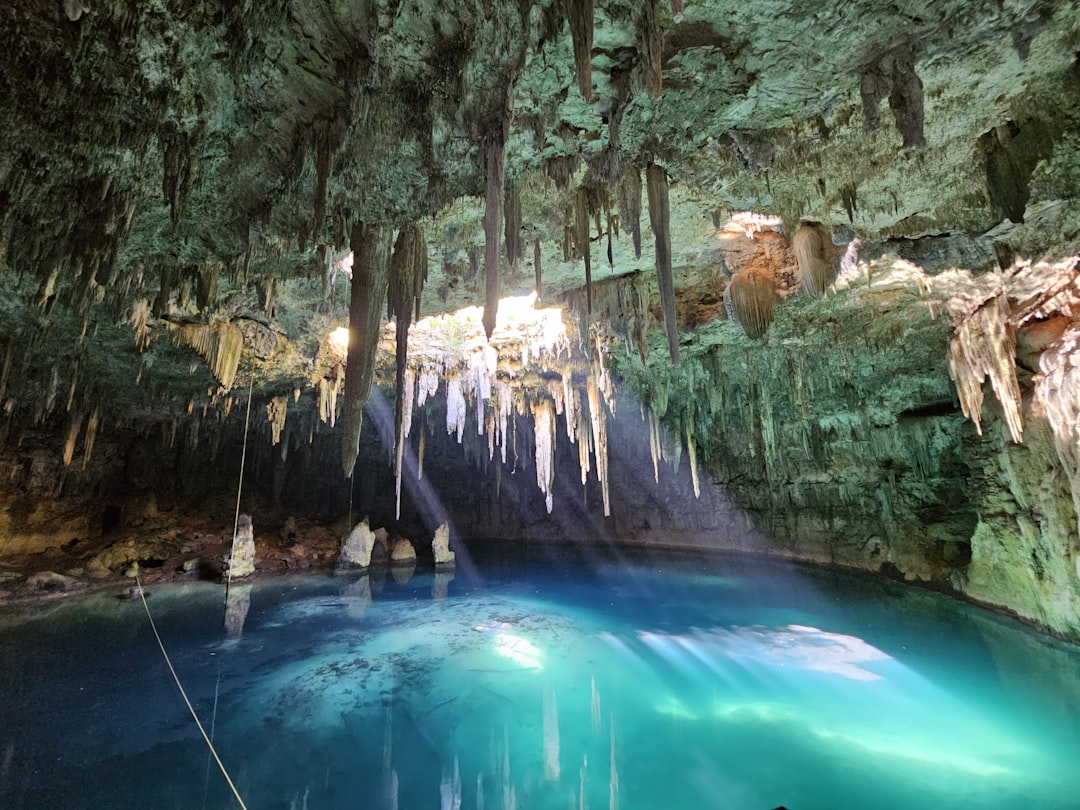
Cenotes Without the Crowds
The cenotes near Mérida don’t have the Instagram fame of the ones near Tulum and Valladolid. That’s exactly why they’re better.
South of the city, around the town of Homún, a cluster of cenotes sits in the low scrubland, accessible by tricycle taxi or car on rutted backroads. These aren’t polished — you descend rickety wooden stairs into limestone caverns filled with turquoise water, stalactites catching the light from overhead openings. Cenote Aktun-Ha is the standout: a ten-meter descent into an underground hall studded with stalagmites, the water so clear you can see the bottom fifteen meters down. On a weekday morning, you might be the only person there.
The cenotes near Cuzamá are similarly raw — accessed through fields on narrow-gauge rail carts pulled by horses, which is either charming or rustic depending on your tolerance. The rail tracks are remnants of the henequen hacienda system, and the ride through the scrubland feels like time travel in the least curated way possible. At the end of the line, you drop into three cenotes in succession, each one more dramatic than the last.
A few ground rules: bring water shoes (the limestone is sharp), go on a weekday if you can, and don’t bother with the cenotes that have been “improved” with concrete stairs and lockers — those are the ones migrating toward the Riviera Maya model. The whole point of Mérida’s cenotes is that they haven’t been packaged yet. Enjoy that while it lasts.
Where to Stay: Centro, Santa Ana, or Montejo?
Three neighborhoods, three speeds.
Centro Histórico is the obvious base and, for three or four nights, it’s the right one. Everything radiates from Plaza Grande — the cathedral, the markets, the best food stalls, and the free nightly cultural events that cycle through different plazas every night of the week. The colonial mansions turned boutique hotels here deliver the experience: thick stone walls, tiled courtyards, plunge pools that stay cool in the heat. You can walk to everything that matters, and most of what you’ll remember about Mérida will happen within this grid.
→ Browse boutique hotels in Mérida Centro
Santa Ana is where to go if you’re staying longer or coming back. This formerly residential barrio is Mérida’s emerging creative quarter — galleries, specialty coffee shops, design studios, and restaurants that feel more inventive than traditional. It’s still walkable to Centro but quieter, and the morning market at Santa Ana park has a neighborhood energy that the tourist-adjacent stalls around Plaza Grande lack.
→ Browse hotels near Santa Ana, Mérida
Paseo de Montejo works for travelers who want the grand-boulevard experience — shaded trees, mansions on both sides, a slightly more spacious feel. Fewer dining options within walking distance, but the evening stroll down the avenue is one of Mérida’s small pleasures.
The Weekend Trick
Here’s what repeat visitors know: Mérida on a Tuesday is pleasant. Mérida on a weekend is electric.
Saturday and Sunday, streets around Plaza Grande close to traffic. Live performances erupt in every square. Food stalls multiply — the Sunday market alone draws over a thousand people to an open-air spread of salbutes topped with ceviche, tamales, churros, and things you can’t identify but should eat anyway. Mariachi bands drift between tables. Families are out. The whole city socializes in public, and it pulls you in whether you planned for it or not.
But don’t overlook the nightly events either. Mérida runs a different free cultural program every night of the week, and they’re not token tourist shows — they’ve been part of the city’s rhythm for decades. Monday is vaquería dancing at the Palacio Municipal, with women in embroidered huipiles and men in guayaberas spinning through traditional Yucatecan dances. Tuesday is big-band jazz at Parque de Santiago. Thursday brings the serenata at Santa Lucía — boleros, tríos, couples dancing under the trees. These are local events that happen to welcome visitors, not the other way around.
If you have any flexibility at all, arrange your stay to include a Saturday night and Sunday morning. You’ll see a completely different city than the one that exists during the quiet midweek.
When to Time Your Visit
November through February is the window. Temperatures sit at a comfortable 22–28°C, rain is rare, and every outdoor activity — from Uxmal at dawn to plaza-hopping after dark — feels pleasant rather than punishing. January brings Mérida Fest, a multi-week celebration of the city’s founding with free concerts, exhibitions, and performances in public spaces. February delivers Carnival — parades, neighborhood stages, the whole city in costume. If you can time your visit around either, do it.
May through August is the stretch to avoid. Temperatures regularly exceed 38°C with thick humidity that makes even a short walk to the market feel ambitious. The locals adapt — mornings before 10 AM, long siestas, life resumes after 6 PM — but as a visitor, you’ll spend more time poolside than you planned. Shoulder months (March, April, October) are manageable but unpredictable: some days are perfect, others are a wall of heat.
Practical Notes
Mérida runs 30–50% cheaper than Cancún or Tulum across the board — restaurants, hotels, taxis, everything. Meals average $8–15 USD at local spots. A comfortable mid-range hotel in Centro starts around $80–100 per night. A private guided day trip to Uxmal runs about $60–80 per person.
Cash matters more here than on the coast. Market stalls, colectivos, cenote admissions, and many smaller restaurants are cash-only. ATMs are plentiful around Plaza Grande and Paseo de Montejo, but carry pesos before heading to the cenotes or smaller towns on day trips — Homún and Cuzamá don’t have reliable ATMs.
Getting around the city itself is straightforward. Centro is compact and walkable. For anything farther — Paseo de Montejo, the cenotes, or day-trip departures — Uber works well and is significantly cheaper than taxis. A rental car is worth it if you’re planning multiple day trips, but not necessary for a city-only stay. Mérida’s drivers are calm by Mexican standards, and the highways south to Uxmal and west to Celestún are well-maintained two-lane roads with light traffic.
Ready to Plan Your Trip to Mérida?
You’ve done the reading. Here’s everything you need to make it happen.
️ What to Book in Advance
- Guided day trip to Uxmal, Kabah & cenote
- Mérida street food walking tour
- Browse more Mérida experiences on Viator
Some links in this post are affiliate links. If you book through them, CuriosityTrail earns a small commission at no extra cost to you. Recommendations are chosen on merit; commissions never decide what’s included.