Kauai at Its Own Pace: A Thoughtful Guide to Hawaii’s Quietest Island
Quick Essentials
- 📍 Best Time to Visit: April through May — the winter rains have turned everything impossibly green, the crowds haven’t arrived yet, and you might still catch the last humpback whales of the season.
- ✈️ Getting There: Search flights on Skyscanner | Direct from Los Angeles, San Francisco, and Seattle
- 🏨 Where to Stay: Browse Kauai hotels on Hotels.com
- 🎟️ Don’t Miss: Nā Pali Coast sunset sail on GetYourGuide
- 🚗 Car Rental: Compare rental cars on Skyscanner | Essential — no public transit
- 💰 Budget Range: $250–$450 per day for a couple traveling at a comfortable mid-range pace
The Other Hawaii
There’s a version of Hawaii that most people carry in their heads — the one with the high-rise hotels and the luaus that seat three hundred and the swim-up bars playing Jimmy Buffett on a loop. Kauai is not that place. Kauai is what happens when an island decides it doesn’t need to compete.
Kauai is different from Maui and Oahu. Not better, exactly — different in a way that’s hard to explain until you’re standing on a one-lane bridge on the North Shore, waiting for the oncoming car to cross first, and realizing that the bridge is the whole philosophy of the island. You take turns. You slow down. There’s no other option.
What strikes first is the green. Not the manicured green of a resort landscape but the deep, unruly green of a place that gets more rain than almost anywhere else on earth and has decided to wear it well. The interior of the island is essentially impenetrable jungle. The Nā Pali Coast — those cathedral cliffs on the northwest shore — can only be reached by boat, helicopter, or an eleven-mile trail that requires a permit and a level of commitment most visitors don’t have. That inaccessibility is the point. Kauai keeps its best things slightly out of easy reach, and rewards the people who show up anyway.
The Island Sets the Pace: When to Go
Skip the winter holidays unless you enjoy paying double for everything and sharing every beach with families from the mainland. The sweet spot is April through May or September through October, when the weather is warm, the ocean is calm, and the island feels like it belongs to the people who actually live there.
April is particularly good. The North Shore road — which closes regularly during heavy winter rains — is reliably open. Everything is almost aggressively lush from months of rainfall. The humpback whales that winter in Hawaiian waters are making their last appearances before heading north, so you might catch one from a cliffside overlook without paying for a boat tour.
September brings its own rewards. The Kauai Mokihana Festival runs for a full week in Kapa’a, with hula competitions and cultural presentations that are genuinely for locals, not staged for tourists. The ocean is at its warmest and calmest. And rates drop significantly from summer peaks.
One thing experienced travelers should know: Kauai doesn’t have a bad season, exactly, but the North Shore in winter can be legitimately rough. High surf closes beaches, the road past Princeville can wash out, and some of the island’s best spots become inaccessible. If the North Shore matters to you — and it should — plan around that.
Where to Stay Without Feeling Like You’re in a Resort Catalog
Kauai has three distinct coasts worth considering, and where you stay shapes the entire trip. There’s no wrong answer, but there is a wrong assumption, which is that you can easily bounce between them. The island has one main road, it doesn’t go all the way around, and distances that look short on a map take longer than you’d think.
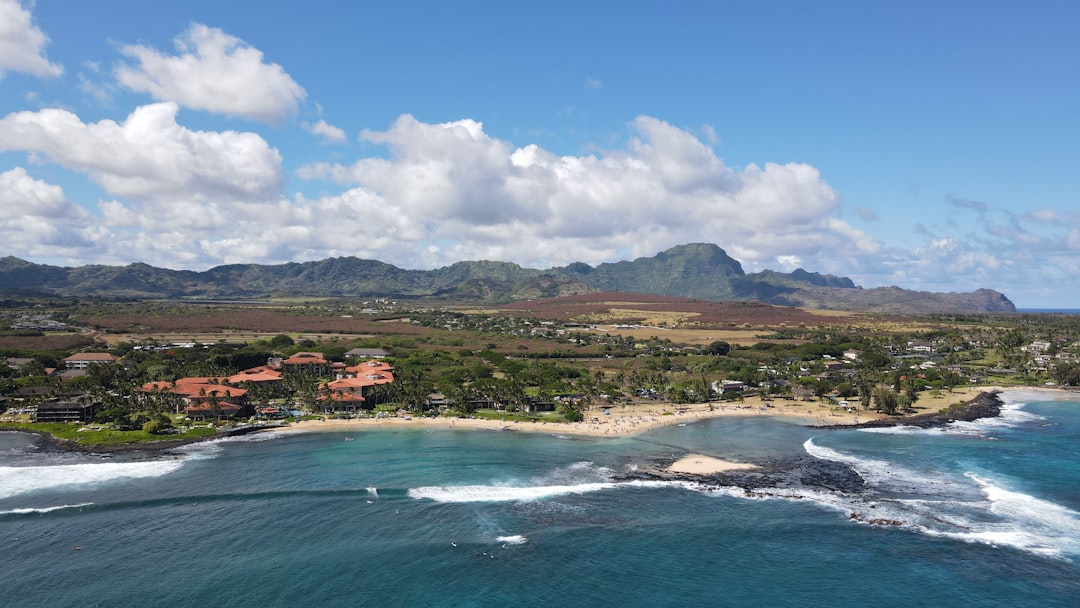
Poipu, the South Shore. This is where the sun is most reliable. Poipu gets measurably less rain than anywhere else on the island, which matters when you’re planning around outdoor time. The Koa Kea Hotel & Resort is our pick here — a small, genuinely quiet boutique property that feels nothing like the large-format resorts nearby. The service is exceptional in a personal way, not a scripted way. Staff who greet guests by name by day two tell you something. → Browse Poipu hotels on Hotels.com
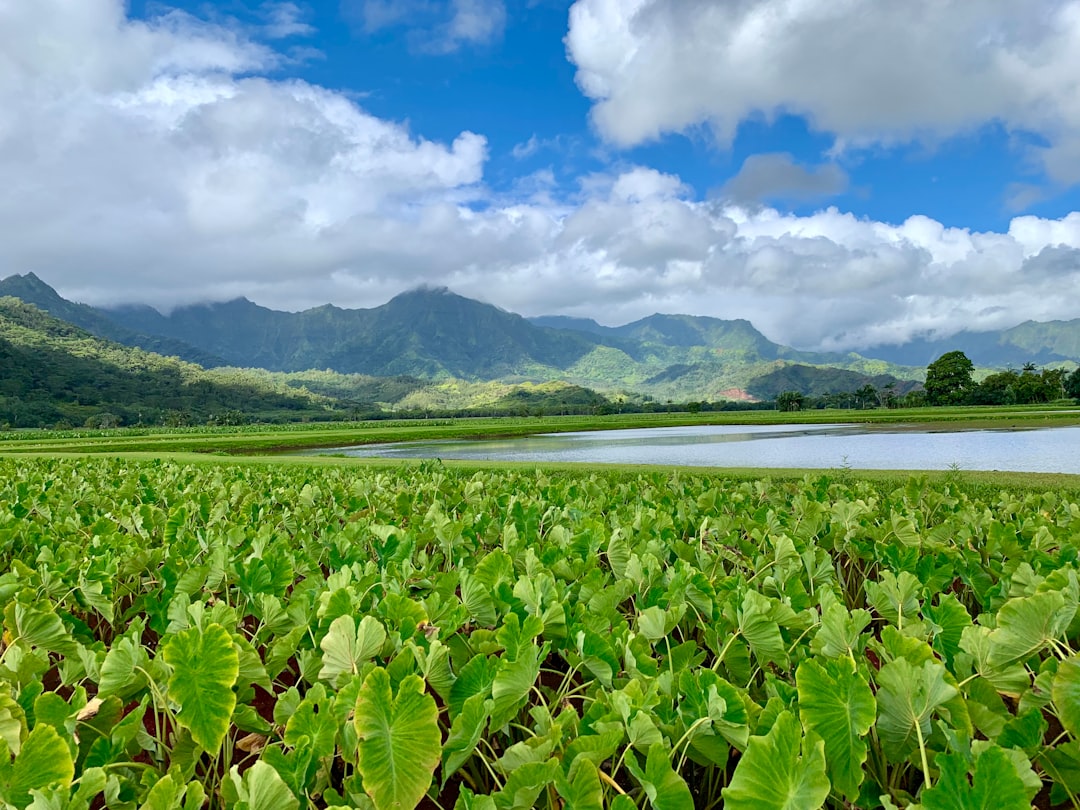
Hanalei and Princeville, the North Shore. This is the Kauai that people photograph. One-lane bridges, taro fields backed by jagged green mountains, a bay that looks like it was designed by someone who wanted to make every other bay feel inadequate. The 1 Hotel Hanalei Bay sits in a cove with mountain views that genuinely stop you mid-sentence. It’s eco-luxury at the splurge tier, and the setting earns every dollar. → Browse Hanalei hotels on Hotels.com
Kapa’a, the Coconut Coast. The practical choice, and not in a boring way. Kapa’a is centrally located, has a walkable town strip with good restaurants, and gives you reasonable access to both the North and South shores. The Iso is a stylish smaller hotel with ocean-view lanais at prices that won’t require a second mortgage. If you want a home base for exploring the whole island rather than settling into one coast, this is it. → Browse Kapa’a hotels on Hotels.com
The Coastline, the Canyon, and the Things You Didn’t Know Were Here
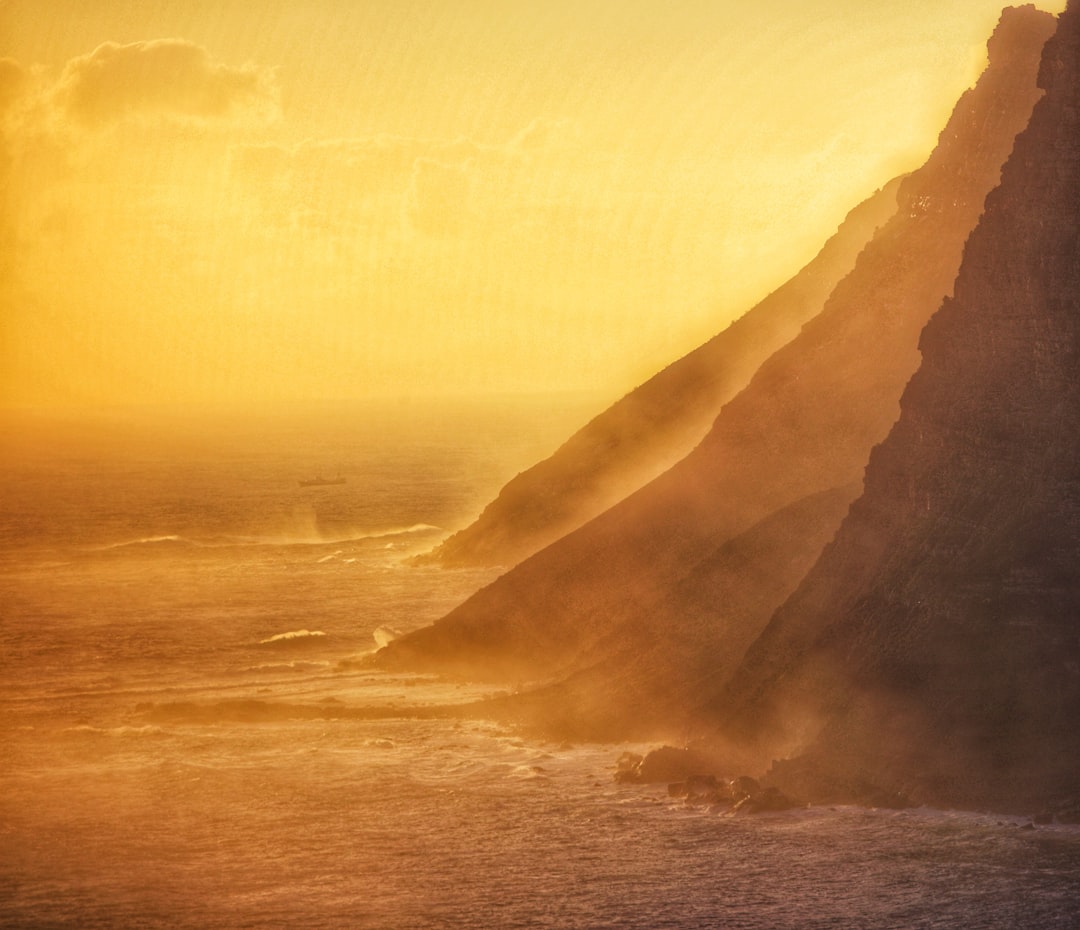
Everyone comes to Kauai for the Nā Pali Coast, and they should. But the way you experience it matters more than the fact that you checked it off. A sunset catamaran sail from Port Allen is, without exaggeration, one of the most beautiful things you can see from a boat. The cliffs turn amber and then deep orange as the sun drops, and there’s a moment — maybe twenty minutes before sunset — when the entire coastline looks like it’s been lit from within. Nobody talks much. There isn’t anything to add. → Nā Pali Coast sunset sail on GetYourGuide
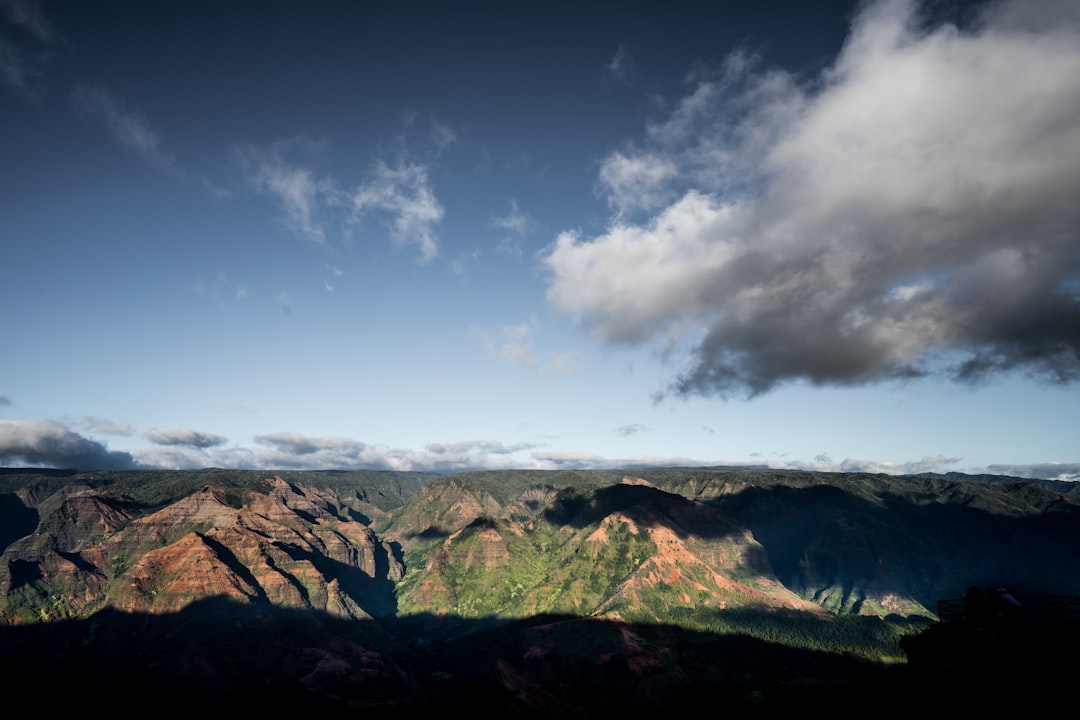
Waimea Canyon is the other headliner, and it deserves more time than most people give it. The standard move is to drive up, hit the main overlook, take a photo, and drive back down. Don’t do that. The canyon has multiple pulloffs along the road, and the light changes everything — what looks like a red-rock gorge at noon becomes something layered and shadowed and strange in early morning or late afternoon. Give it a full morning. Stop when something catches your eye. The canyon rewards lingering the way the whole island does. → Waimea Canyon guided tour on GetYourGuide
For something more active, the kayak-and-hike to Secret Falls on the Wailua River is worth the half-day commitment. You paddle upriver through thick green banks, then hike through jungle that feels genuinely primordial, and arrive at a waterfall you can stand directly under. It requires a permit and it’s better with a guide who knows the river. This is one of those experiences that earns the word “unforgettable” without any exaggeration. → Kayak and hike to Secret Falls on GetYourGuide
And then there’s Tunnels Beach. Officially called Mākua, this North Shore reef has underwater lava tube formations that create a labyrinth for snorkelers. If you’ve done a lot of snorkeling — and you probably have — Tunnels is still going to impress you. The coral architecture is unlike anything else in Hawaii. Go early, before the wind picks up.
One more, for the travelers who want to see the Kauai that most visitors never reach: the Alaka’i Swamp Trail. It’s one of the highest-elevation swamps in the world, accessed via a boardwalk through cloud forest that looks like it belongs in a different hemisphere entirely. Mosses, ferns, birds you won’t see anywhere else on earth. Most people have never heard of it. That’s part of what makes it extraordinary.
The Table: What to Eat on Kauai
Kauai’s food scene is not trying to impress you with ambition. It’s trying to feed you something honest, made from what grows here, and it succeeds in a way that fancier food towns sometimes don’t.
Start at Hamura Saimin Stand in Lihue. It’s been there since 1952 and it looks like it. The saimin — Hawaii’s version of a noodle soup, with its own history and its own rules — is the definitive bowl on the island. Simple broth, springy noodles, char siu, green onion. Follow it with a slice of lilikoi chiffon pie, which is not optional and not negotiable.
Poke is everywhere in Hawaii, but the freshness on Kauai hits differently. Kauai Poke Company in Poipu and Koloa Fish Market both do it right — fresh ahi, shoyu or spicy mayo, over rice. No elaborate toppings trying to justify a higher price. Just good fish, handled well.
Puka Dog in Poipu deserves mention even though it sounds like a tourist trap. It’s a hot dog in a hollowed-out, toasted bun with lilikoi mustard and tropical relish. It sounds gimmicky. It works completely.
If you want a proper sit-down dinner, Bar Acuda in Hanalei does Spanish-influenced tapas with island ingredients — the kind of place where the menu is short because everything on it is good. And JO2 in Kapa’a is worth the reservation for anyone who appreciates what happens when French technique meets Hawaiian ingredients with genuine respect for both.
One more thing: eat taro. Kauai grows significant taro — the Hanalei Valley taro fields are among the largest in the state — and it shows up as poi, as chips, as bread, as a quiet foundation of the island’s food identity. It’s part of what makes Kauai specifically itself.
Getting Around (and Slowing Down)
Here’s the thing about Kauai that changes how you plan: the road doesn’t go all the way around. The Nā Pali Coast breaks the circle, which means you can’t simply loop the island. You drive out to the North Shore and you drive back. You drive out to Waimea Canyon and you drive back. This sounds like an inconvenience until you realize it’s actually the island’s best design feature. It forces you to commit to a direction for the day rather than trying to see everything at once.
Rent a car. There’s no realistic alternative. But drive it slowly. The one-lane bridges on the North Shore aren’t just infrastructure — they’re a pace-setting device. You yield, you wait, you wave. The speed limit in most places is 25 or 35, and nobody is in a hurry to exceed it.
The mistake is trying to fit the South Shore and North Shore into a single day. The island teaches the lesson quickly: pick a coast, settle into it, and let the afternoon take whatever shape it wants. That’s when Kauai opened up.
Ready to Plan Your Trip to Kauai?
You’ve done the reading. Here’s everything you need to make it happen.
Some links in this post are affiliate links. If you book through them, CuriosityTrail earns a small commission at no extra cost to you. Recommendations are chosen on merit; commissions never decide what’s included.