Kanazawa: The Uncrowded Side of Traditional Japan
Sophie Tremblay · May 2026
Quick Essentials
- 📍 Best Time to Visit: Late March through May or mid-October through November — cherry blossoms peak in early April, and the autumn illuminations at Kenroku-en are worth timing a trip around.
- ✈️ Flights:
Search flights to Kanazawa
| Direct from Tokyo Haneda; 2.5 hours by Hokuriku Shinkansen from Tokyo Station - 🏨 Hotels:
Browse hotels in Kanazawa
| Our picks below — downtown Katamachi for walkability or Higashi Chaya for atmosphere - 🎟️ Top Experience:
Gold leaf workshop — gild your own chopsticks
- 💰 Budget Range: $150–$300 per day for mid-range to splurge travel
The City That Kept Everything Kyoto Lost
Kanazawa never burned. Not in war, not in the Allied bombing campaigns, not even in a significant earthquake. This is one of the few major Japanese cities that carried its Edo-period architecture into the present fully intact — geisha districts, samurai quarters, merchant houses, all of it. The result is a city that offers everything travelers go to Kyoto for, minus the crowds that have turned Kyoto’s Gion district into a paparazzi gauntlet.
But framing Kanazawa as “Kyoto without tourists” undersells it. This is also the city that built the 21st Century Museum of Contemporary Art — a circular glass building by SANAA that draws over a million visitors a year — right in its historic core, a five-minute walk from the samurai houses. The tension between the two is what makes Kanazawa interesting. You’re looking at lacquerware that took a craftsman three years to finish, and then you’re standing inside Leandro Erlich’s Swimming Pool wondering which side of reality you’re on.
The city is compact enough to walk in a day. It’s unhurried enough to deserve three.
Three Geisha Districts, Three Moods
Most visitors see Higashi Chaya and move on. That’s a mistake.
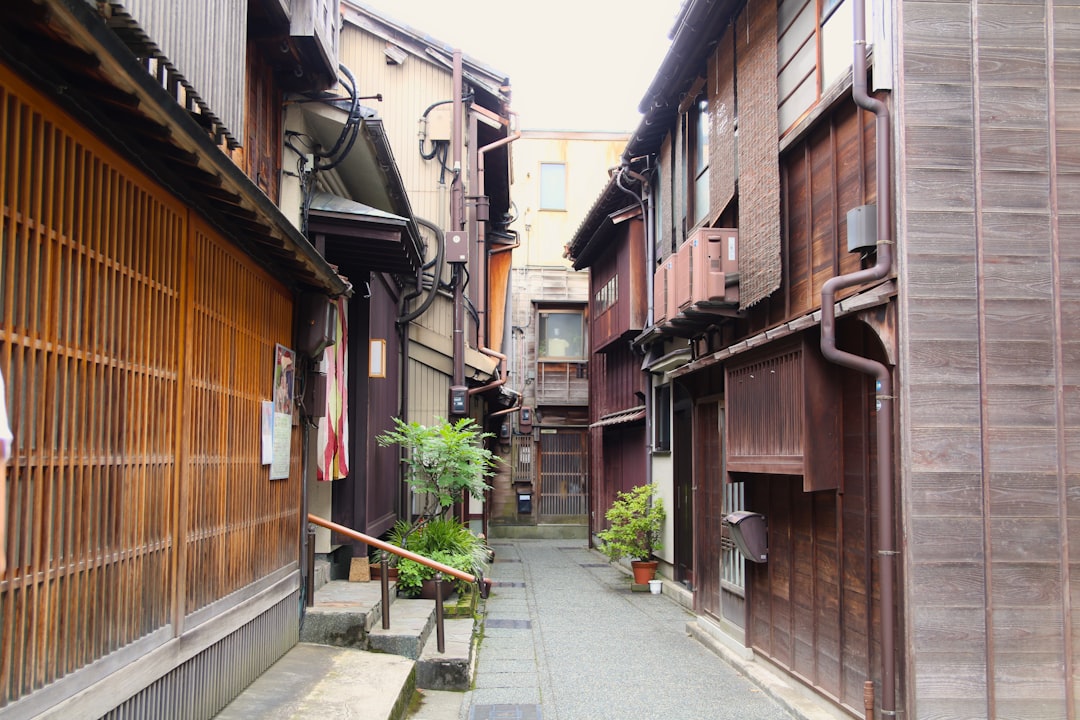
Higashi Chaya is the showpiece — two-story wooden teahouses from 1820 lining a stone-paved street, their latticed facades (kimusuko) filtering light into geometric patterns. Visit Shima, a preserved geisha house designated an Important Cultural Property, or Kaikaro for a more theatrical experience. This district is at its best before 9 AM, when the tour groups haven’t arrived, or after 6 PM, when everyone’s gone. The light through those lattices shifts constantly; an hour difference changes the whole street.
Nishi Chaya is quieter, smaller, and paired with Myōryū-ji — the so-called Ninja Temple. The temple has nothing to do with ninja and everything to do with samurai paranoia: hidden staircases, trap doors, rooms designed for ambush. It’s one of those places where the guided tour (reservation required) is genuinely worth it. The guide explains what you’d never notice — like why every hallway is exactly the wrong width for a sword swing.
Kazuemachi is the one almost nobody visits, and it might be the most atmospheric of the three. A single row of wooden teahouses along the Asano River, reflected in the water at dusk. No shops, no crowds, no noise. Just Edo-period architecture doing what it does when left alone.
Walking the Samurai Quarter
Nagamachi survived because it was lucky and because Kanazawa’s lords were powerful enough that nobody attacked them. The earthen walls topped with tiles still line narrow lanes designed for a different kind of traffic — men in armor, not tourists with selfie sticks.
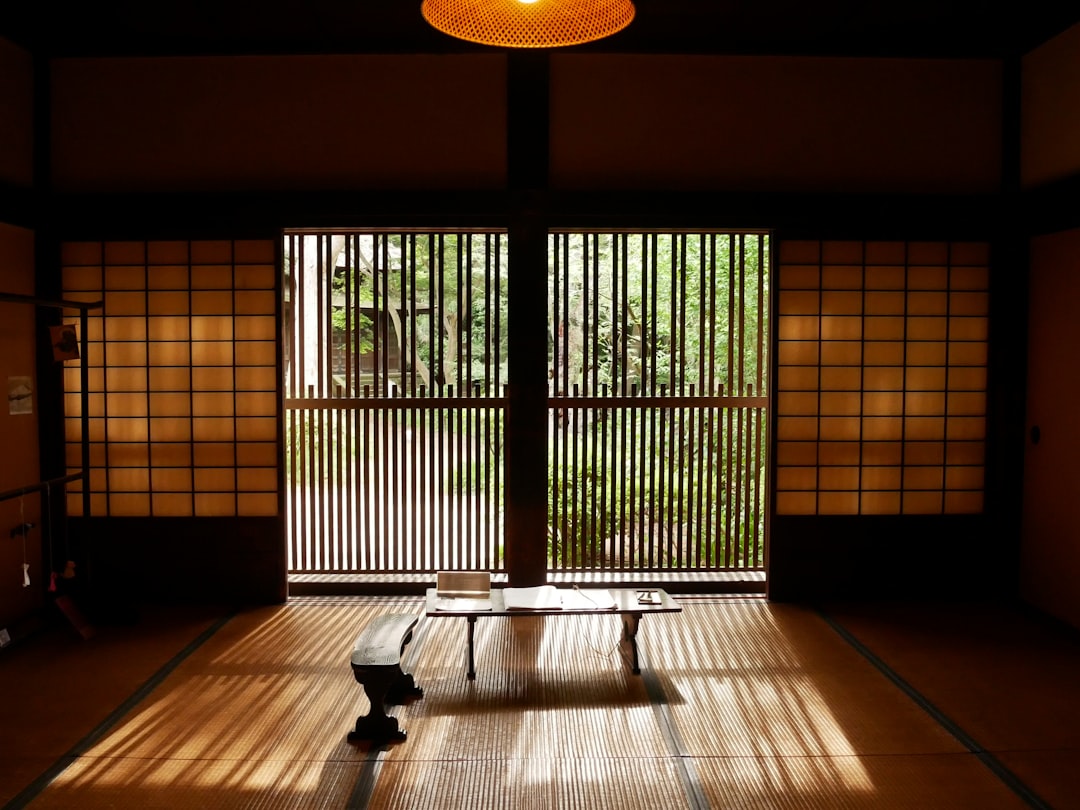
The Nomura-ke samurai residence is the one to enter. Not because it’s the largest but because its garden — tiny, compressed into an impossible space — is one of those moments where Japanese aesthetic principles stop being abstract and become a physical experience. You sit on the tatami, look out at the garden, and understand why someone built this. No guide necessary.
The rest of Nagamachi is better experienced as a walk than as a checklist. The walls themselves tell the story. You can see where the ashigaru (foot soldiers) lived versus the higher-ranking families by the height and quality of the walls alone.
Kenroku-en: One of the Three
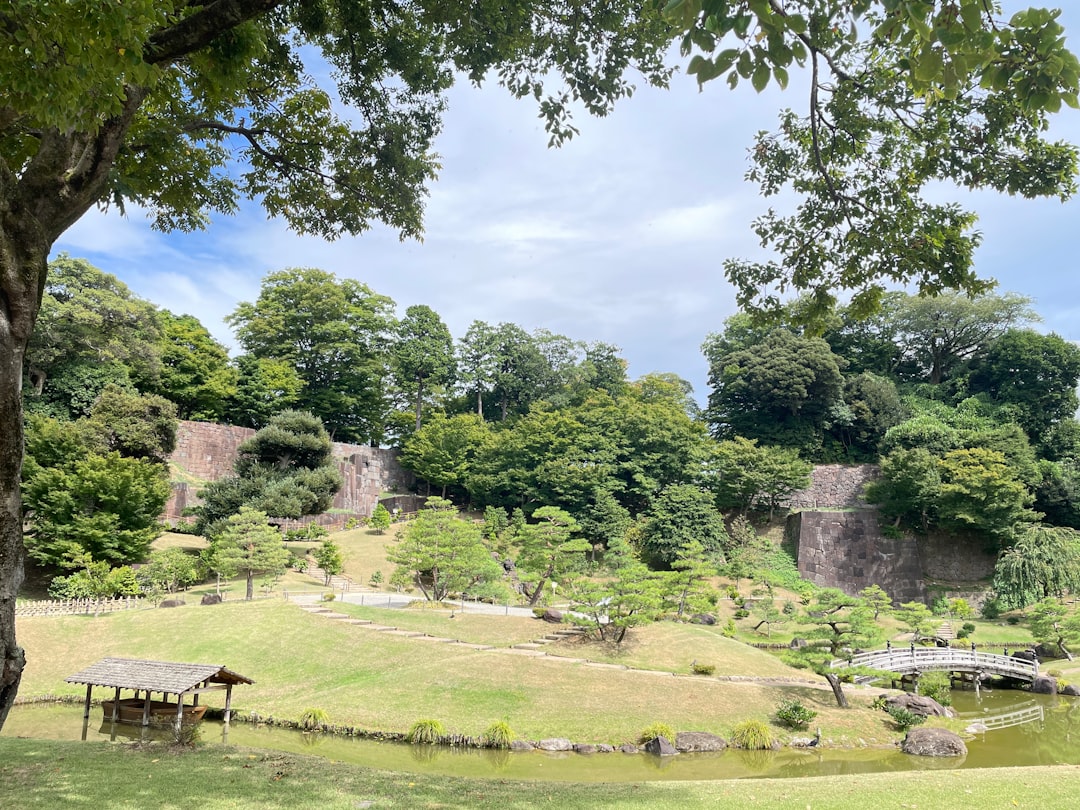
Kenroku-en is one of Japan’s three great gardens, and the debate about which is “best” is a waste of time — they’re all worth visiting and they’re all completely different. What Kenroku-en does better than the others is scale. It’s large enough to lose people in, diverse enough to reward two hours instead of thirty minutes.
Skip the main entrance and come in from the south side early morning. The Kasumi Pond area is where you’ll find the iconic two-legged stone lantern (kotoji-toro), but walk past it to the hill sections where the paths narrow and the views open up toward the Japan Sea on clear days.
In cherry blossom season (early April), Kenroku-en opens for free nighttime viewing. In autumn, the yukitsuri — conical rope structures protecting branches from snow — go up, and the garden transforms into something geometric and otherworldly.
A guided garden tour adds context you’d otherwise miss — the subtle ranking system of stones, the water engineering, the seasonal plantings designed to peak in sequence. → Guided Kenroku-en Garden tour
The 21st Century Museum and Kanazawa’s Other Side
SANAA’s building is a circle with no front or back — every direction is an entrance, every wall is glass. The philosophy is radical openness, and it works. The building doesn’t feel like a museum; it feels like a park that happens to contain art.
Leandro Erlich’s Swimming Pool is the installation everyone photographs — you look down through water at people standing dry below, or you walk underneath and look up through rippling light. It’s clever and surprisingly moving in person. Beyond it, the rotating exhibitions tend toward interactive, conceptual, boundary-pushing work that the Kanazawa craft tradition makes possible. The city’s artisan networks mean artists can actually fabricate things here that they couldn’t elsewhere in Japan.
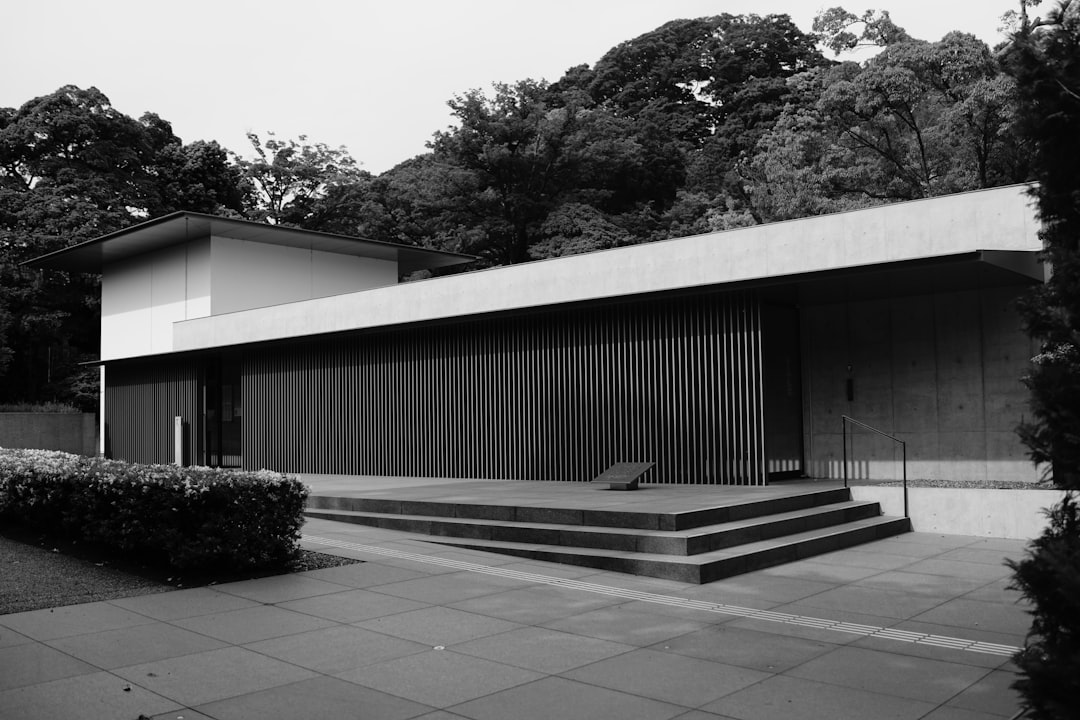
Then there’s the D.T. Suzuki Museum, a ten-minute walk away and almost empty by comparison. Yoshio Taniguchi (the architect behind MoMA’s expansion) designed it as a meditation on Zen philosophy: white volumes, reflecting pools, silence. If the 21st Century Museum is Kanazawa saying “we’re contemporary,” the Suzuki Museum is Kanazawa saying “we’ve always been thoughtful.” Both are true.
The Table: What to Eat in Kanazawa
The Sea of Japan is cold and generous, and Kanazawa’s kitchen knows it.
Nodoguro (blackthroat seaperch) is the fish you came for. Fatty, delicate, nothing like the leaner Pacific species. Order it grilled with salt at any serious izakaya — Izakaya Kappo Tamura near Katamachi is a reliable choice, especially for the crab shabu in winter.
Kaburazushi appears only in winter: yellowtail fillet pressed between pickled turnip slices and fermented in koji. The flavor is complex — sweet, umami-rich, slightly funky. It’s one of those regional preparations that doesn’t travel because it doesn’t need to.
Kanazawa oden is comfort food served year-round. Look for kuruma-fu (a wheel-shaped wheat gluten cake that absorbs dashi like a sponge) and, in winter, kani-men — an entire female snow crab shell stuffed with meat and roe, simmered in broth.
Omicho Market is not a tourist market. Locals shop here. It’s louder and less curated than Tsukiji’s replacement, which is exactly the point. Eat crab cream croquettes standing up, try the Noto wagyu beef sushi at one of the counter stalls, and get the gold-leaf ice cream because you’re in Kanazawa and ninety-nine percent of the country’s gold leaf comes from here.
A guided food tour through the market connects the dots between stalls and gives you context on what’s seasonal. → Omicho Market food tour with tastings
Hanton rice — a local diner staple: omelet over rice topped with fried prawns, ketchup, and tartar sauce. It shouldn’t work. It works.
Where to Stay and How to Navigate
Downtown Katamachi puts you within walking distance of Kenroku-en, the 21st Century Museum, Kanazawa Castle, and the liveliest bar street. Mitsui Garden Hotel Kanazawa is the pick here — modern, well-located, and that rare Japanese hotel that gives you enough room to open a suitcase without strategic planning. → Mitsui Garden Hotel Kanazawa
Higashi Chaya District is where you stay if atmosphere matters more than convenience. Machiya townhouse rentals or small ryokans put you on those lattice-lined streets after dark, when the district belongs to residents again. → Machiya stays in Higashi Chaya
Kanazawa Station for the Shinkansen-convenient option: Hyatt Centric Kanazawa sits directly above the station with gold-leaf-inspired interiors that manage not to be kitschy. Good for arrivals from Tokyo when you want to collapse into something nice. → Hyatt Centric Kanazawa
Getting around is simple. The city is walkable — thirty minutes covers most distances between major sights. A loop bus connects the station to Kenroku-en and the eastern districts if your legs need a break. You don’t need a car. Kanazawa rewards walking.
Timing Your Visit
Early April for cherry blossoms at Kenroku-en (free nighttime entry during peak bloom).
First weekend of June for the Hyakumangoku Festival — 2,000 people in full Edo-period costume parading from the station to the castle. It’s not a sanitized cultural performance; it’s a city celebrating its own history with genuine enthusiasm.
Mid-September for the Kanazawa Jazz Festival — free outdoor performances at over fifty venues across the city. The combination of jazz floating out of traditional machiya buildings is peak Kanazawa: old structure, new life.
Late October through November for autumn illuminations at Kenroku-en and Kanazawa Castle. The yukitsuri go up, the maples turn, and the night lighting transforms the garden.
Avoid Golden Week (late April–early May) unless you enjoy fighting for restaurant seats.
Practical Notes
The Hokuriku Shinkansen runs from Tokyo in about two and a half hours. A Japan Rail Pass covers it. If flying, domestic routes connect through Haneda.
Reservations matter here more than in most Japanese cities. The Ninja Temple (Myōryū-ji) is reservation-only and fills up. The better kaiseki restaurants book a week ahead. The 21st Century Museum’s exhibitions sometimes require timed tickets — check before walking over.
Cash still rules in the chaya districts and at Omicho Market stalls. Cards work at hotels and larger restaurants but don’t count on it everywhere.
Plan Your Trip to Kanazawa
Best time to visit: Late March through May for cherry blossoms and pleasant weather, or mid-October through November for autumn illuminations and fewer crowds.
✈️ Getting There
Search flights to Kanazawa on Skyscanner
🏨 Where to Stay
-
Mitsui Garden Hotel Kanazawa — Central, modern, walkable to everything
-
Hyatt Centric Kanazawa — Directly above the Shinkansen station, upscale comfort
🎟️ What to Book in Advance
-
Gold leaf workshop in Higashi Chaya
-
Guided Kenroku-en Garden tour
-
Omicho Market food tour with tastings
📦 Pack Right
Repel Windproof Travel Umbrella — Kanazawa gets more rain than most Japanese cities year-round
Some links in this post are affiliate links. If you book through them,
CuriosityTrail earns a small commission at no extra cost to you.
Recommendations are chosen on merit; commissions never decide what’s included.