Hiroshima Beyond the Memorial: Where Hope Rebuilt a City Worth Knowing
Quick Essentials
- 📍 Best Time to Visit: Late March through mid-May or October through November — cherry blossoms line the river delta in spring, and Miyajima’s maples turn in autumn without the Kyoto crowds.
- ✈️ Getting There: Search flights to Hiroshima on Skyscanner | Direct Shinkansen from Osaka (90 min), Kyoto (2 hrs), or Tokyo (4 hrs)
- 🏨 Hotels: Browse hotels in Hiroshima | Three neighborhoods worth considering — details below
- 🎟️ Top Experience: Hiroshima & Miyajima full-day guided tour
- 🚗 Getting Around: Streetcar day pass ¥700 covers all major sights — no car needed
- 💰 Budget Range: $120–$220 per day for comfortable mid-range travel, including meals and transit
You arrive expecting gravity. You get it — the Peace Memorial Museum will see to that. But what catches you off guard is everything else: the wide riverbanks where families picnic on weekends, the covered arcade that smells like grilling okonomiyaki at 11am, the streetcar that rattles past the Atomic Bomb Dome like it’s any other Tuesday stop. Hiroshima chose to become a living city, not a monument. That decision is what makes it worth more than a half-day stopover on your Shinkansen itinerary.
Most Japan trips give Hiroshima a single bullet point — Peace Park, maybe a ferry to Miyajima, then onward to Kyoto or Osaka. That’s a mistake. This is a city built on a river delta, threaded with water, scaled for walking, and home to one of Japan’s great regional food scenes. It earns two full days at minimum, and three if you want to eat properly and take the train to the sake district.
The Weight and the Light: Peace Memorial Park
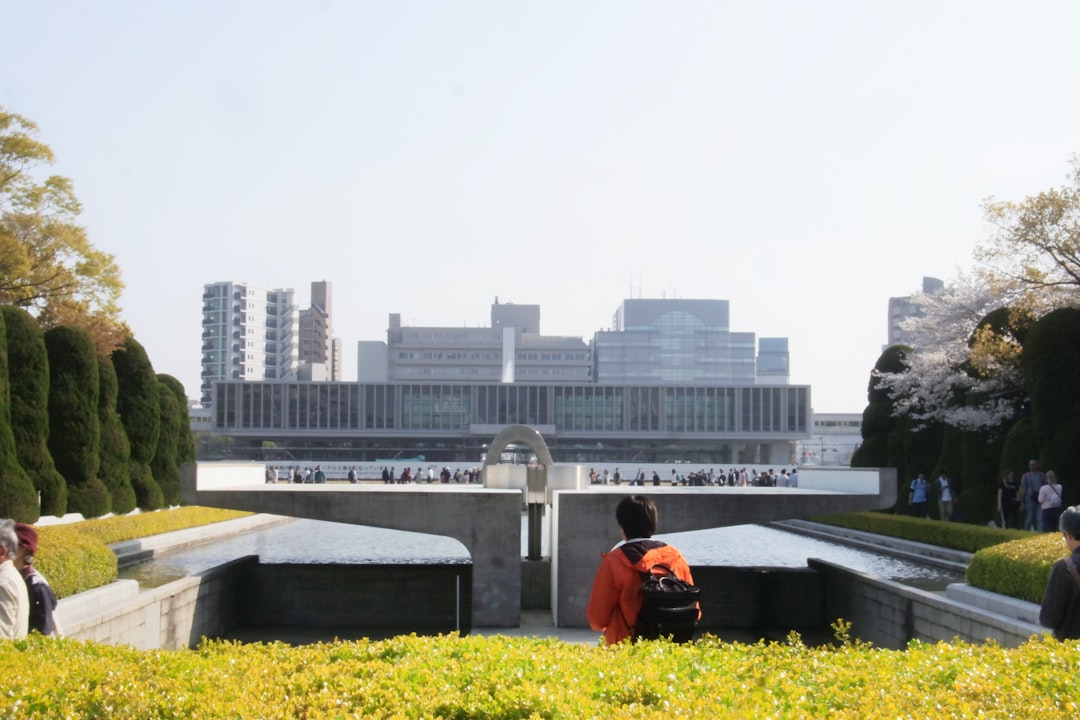
There’s no way to prepare for the museum. You know the history, you’ve seen the photographs, and it still lands differently when you’re standing in the room. The renovated exhibits are unflinching — personal artifacts, first-person accounts, the stopped watches. Give yourself at least two hours, and don’t schedule something cheerful immediately after.
But Peace Park itself is not a place of unrelenting heaviness. It stretches along the Motoyasu River, shaded by trees that were planted in the decades after 1945. The Cenotaph frames the Dome across the water. Children run through on school trips. The Flame of Peace has burned since 1964 and will be extinguished only when the last nuclear weapon on earth is dismantled. There’s something resolute about that, not mournful.
The Atomic Bomb Dome stands across the river — the skeletal remains of the Prefectural Industrial Promotion Hall, preserved exactly as it looked after the blast. It’s most striking at dusk, when the floodlights come on and the modern city carries on around it. The juxtaposition is the point.
A note on August 6: the annual Peace Memorial Ceremony draws tens of thousands. If you’re in Japan around that date, attending is profound — but understand that this is a civic commemoration, not a tourist event. Approach accordingly.
Walking Through History: Hiroshima’s Path to Peace guided tour
A City Built on Water: The River Delta
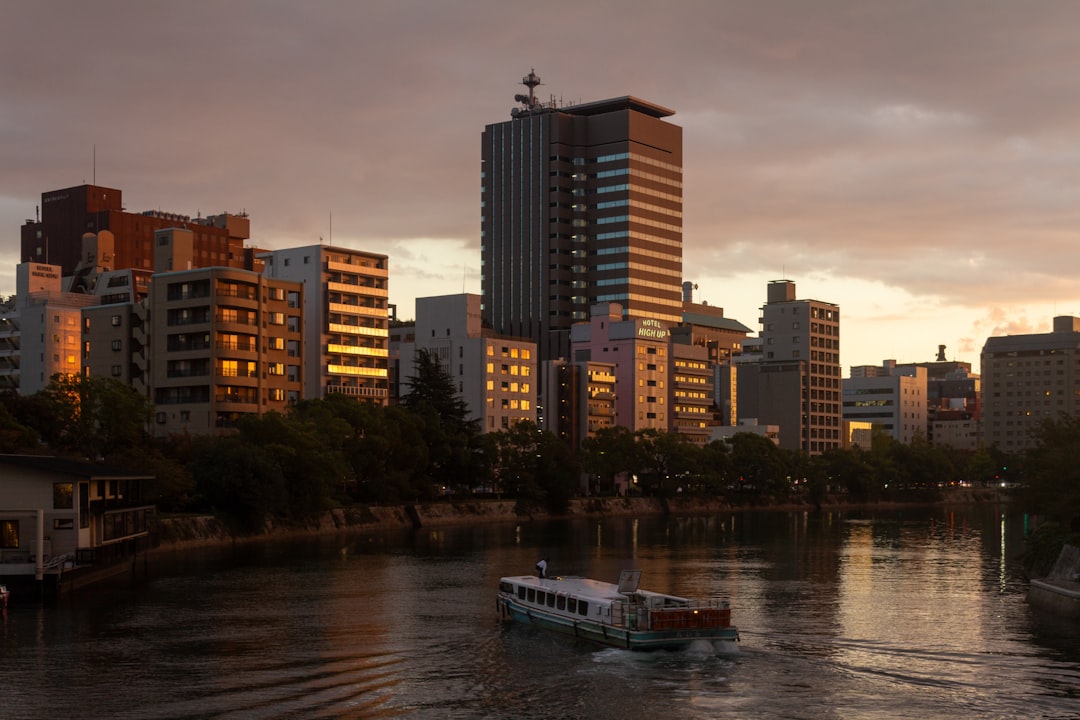
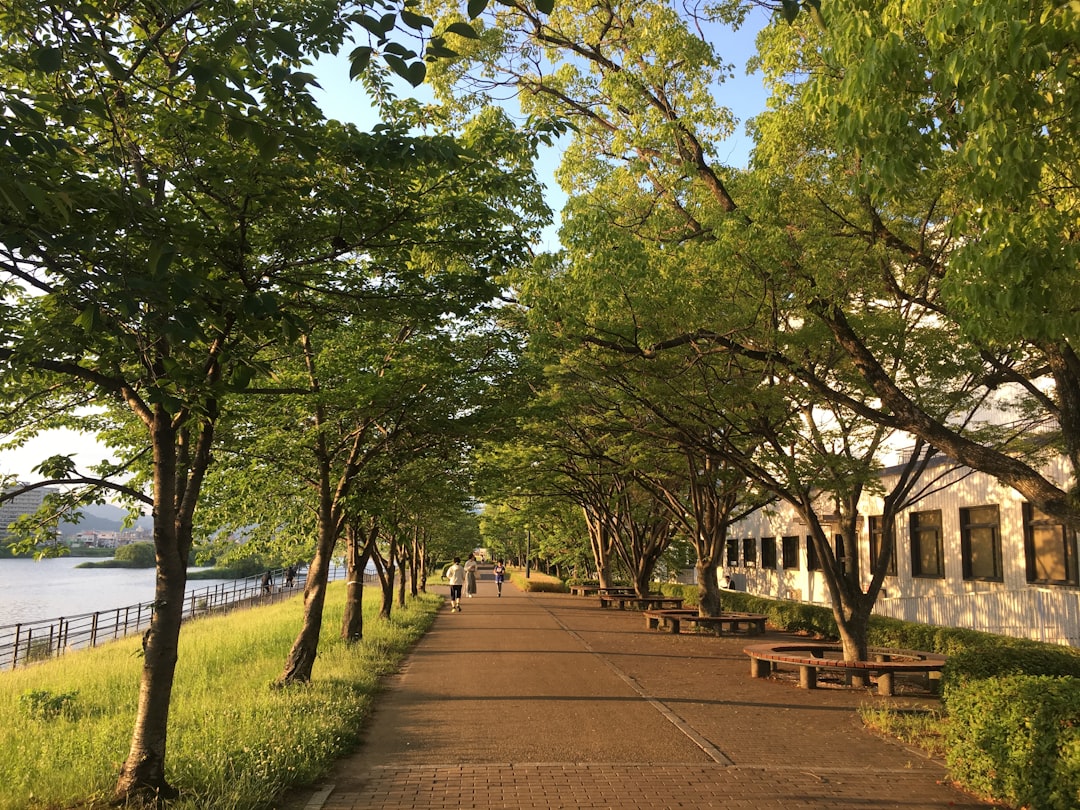
Hiroshima sits at the mouth of the Ota River, which splits into six channels before reaching the Seto Inland Sea. The result is a city stitched together by bridges — more than 2,000 of them — with tree-lined paths running along every bank. It’s one of the most walkable and cycleable cities in Japan, and almost nobody talks about it in those terms.
Rent a bicycle from one of the city’s share stations and follow the riverside paths south from Peace Park toward Hijiyama Hill. The route passes through quiet residential neighborhoods, over arched pedestrian bridges, and past pocket parks where retirees practice tai chi in the mornings. Hijiyama Park itself has the Hiroshima Museum of Contemporary Art and views over the city that most visitors never see.
The delta geography also explains the city’s character. Hiroshima doesn’t feel compressed the way Tokyo or Osaka does. The rivers give it breathing room. Streets are wider, blocks are lower, and there’s a sense of openness that’s rare in Japanese cities of this size.
The Miyajima Question: Day Trip or Overnight?
The ferry from Hiroshima to Miyajima takes about an hour including the short train ride to Miyajimaguchi port, and it’s covered by the Japan Rail Pass. Nearly everyone does it as a day trip. That works, but you miss the best part.
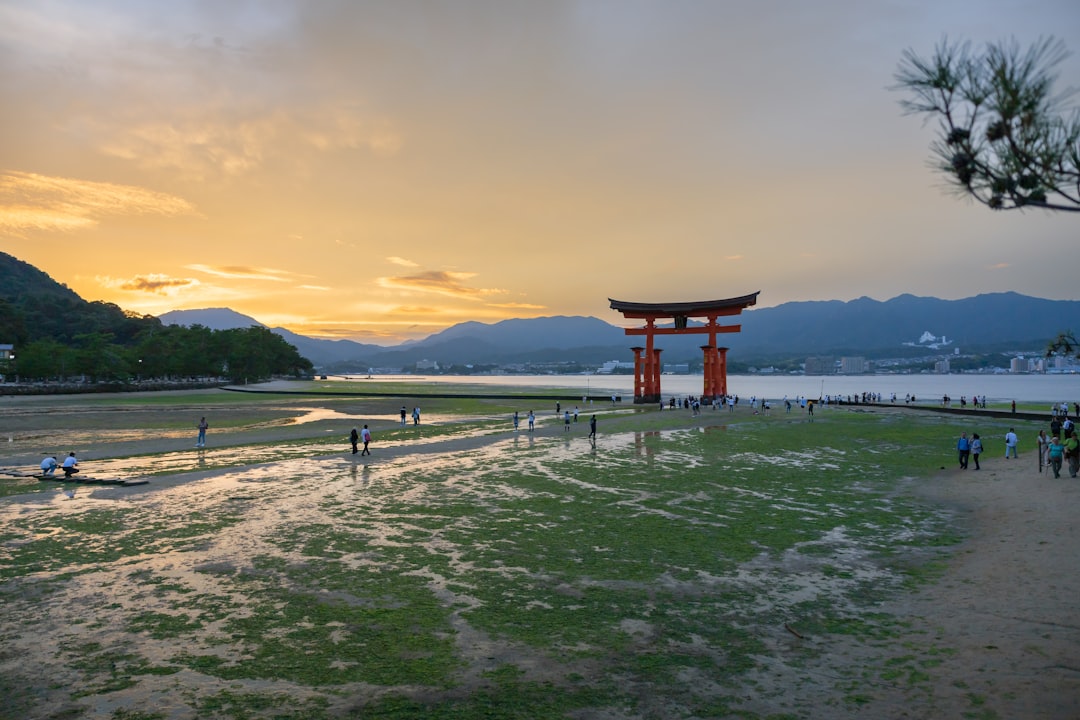
Itsukushima Shrine and its floating torii gate are genuinely extraordinary — the gate appears to rise from the sea at high tide and stands on sand flats at low tide, and the shift between the two is worth seeing. The shrine complex itself is elegant and restrained. Beyond the shrine, Daisho-in Temple climbs up the hillside with moss-covered statues and spinning prayer wheels at every turn.
But the island transforms after 5pm, when the last tour groups catch the ferry back. The deer settle down. The Omotesando shopping street goes quiet. You can walk to the torii gate at sunset without anyone else in the frame. If you have the extra night, the Iwaso ryokan has been operating since 1854 and sits in a maple grove beside a stream. That’s a splurge, but it’s the kind of splurge that becomes the trip.
Miyajima half-day private tour with licensed guide
Eating Through Hiroshima: Okonomiyaki and Beyond
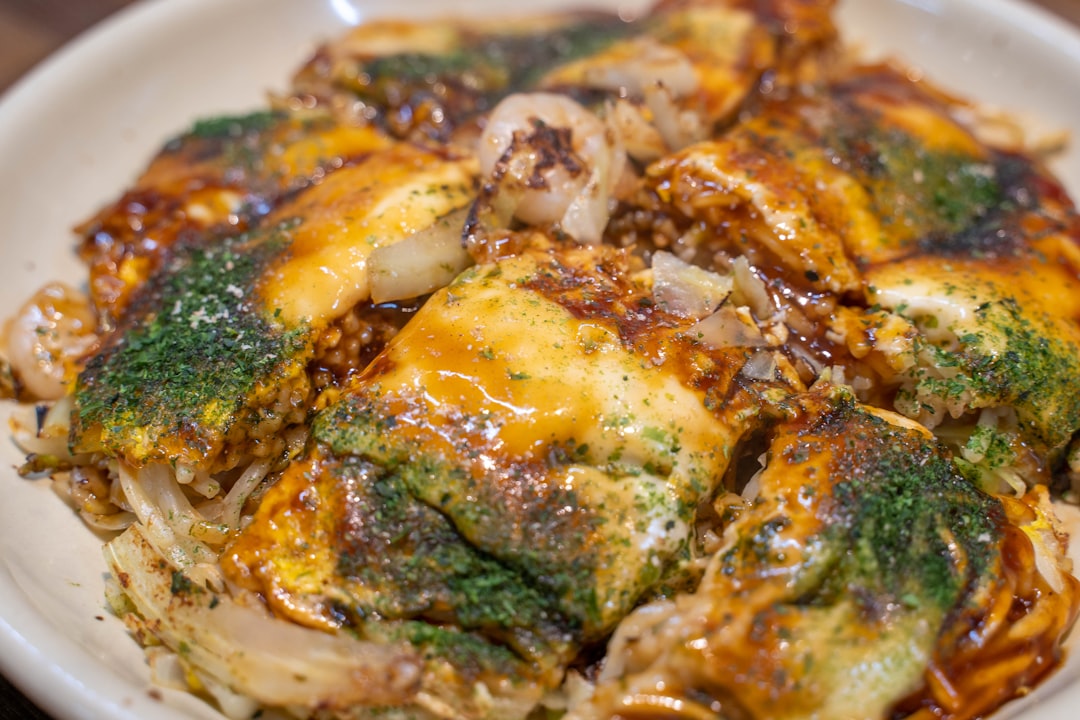
Hiroshima’s food identity starts with okonomiyaki, but calling it a “Japanese pancake” does the dish a disservice. Hiroshima-style is layered, not mixed: a thin crepe base, then a mountain of shredded cabbage, pork belly, yakisoba noodles, a fried egg, and sweet-savory sauce. The cook builds it on the griddle in front of you, and the whole thing takes fifteen minutes of patient assembly.
Okonomimura, a multi-floor building downtown with 25 individual stalls, is the famous spot — and it’s actually good, not just tourist-famous. Each stall has its own variation. Pick the one with the shortest line on the floor you like the look of. Don’t overthink it.
But Hiroshima eats well beyond the griddle. The prefecture produces over 60 percent of Japan’s oysters, and from October through March, they’re everywhere: grilled over charcoal at street stalls, simmered in dotemiso (a rich miso stew), served raw with a squeeze of local citrus. The size and brininess are noticeably different from what you’ve had elsewhere.
Anago meshi — grilled conger eel over rice — is Miyajima’s signature dish. Ueno, near the ferry terminal, has been making it since 1901. The eel is lighter and more delicate than freshwater unagi, brushed with a sweet soy glaze and served over seasoned rice. Get there early; they sell out.
And if sake is your thing, take the 30-minute train to Saijō. Seven historic breweries line the main street, their white walls and tall red chimneys unmistakable. Most offer tastings. It’s an easy half-day trip that pairs well with an early start at Peace Park.
Okonomiyaki cooking class with a local chef
Beyond the Expected: Shukkeien, Mitaki-dera, and Onomichi
Most visitors exhaust their Hiroshima time at Peace Park and Miyajima. If you have a third day — or even a few extra hours — these three are worth it.
Shukkeien Garden sits in central Hiroshima, a 15-minute walk from the station, and gets a fraction of Peace Park’s visitors. The name means “shrunken scenery” — the entire garden is a miniature landscape of mountains, valleys, and forests arranged around a central lake with arched bridges. It dates to 1620, was destroyed in 1945, and was painstakingly restored. In autumn, the maples here rival anything in Kyoto, without the crowds.
Mitaki-dera Temple is a short train ride from central Hiroshima, on the forested slopes of Mount Mitaki. Stone paths follow a stream through dense cedar forest past small waterfalls and moss-covered statues. The temple dates to 809 AD, and the atmosphere is almost unnervingly quiet. Few tourists make it here. That’s the appeal.
Onomichi, about 90 minutes east by train, is worth a full day if you can spare it. This hillside port town overlooks the Seto Inland Sea, and a walking path connects two dozen temples with views over the island-dotted channel. The town is famous for its own style of soy sauce ramen and for the cats that lounge along the temple slopes. It’s also the starting point of the Shimanami Kaido, one of the world’s great cycling routes, spanning 60 kilometers across six islands to Shikoku.
Where to Stay: Three Neighborhoods, Three Experiences
Peace Memorial Park area (Naka-ku): Walking distance to the Dome, the museum, and the best riverside paths. Hotels here are modern and well-maintained — the RIHGA Royal Hotel Hiroshima is a reliable upscale choice with river views. The neighborhood is quiet at night, which you may or may not want.
→ Hotels near Peace Memorial Park on Booking.com
Hiroshima Station area: Best if you’re arriving by Shinkansen and planning day trips to Miyajima, Onomichi, or Saijō. The Sheraton Grand Hiroshima is the top-end pick — large rooms by Japanese standards, connected directly to the station, and upper-floor views across the city. The area has been redeveloped extensively and has good dining options within a few blocks.
→ Hotels near Hiroshima Station on Booking.com
Hondori / Downtown: The covered Hondori arcade is where the okonomiyaki stalls, izakayas, and late-night energy live. Staying here puts you at the center of the food scene, and Peace Park is a flat 15-minute walk west. Mid-range hotels and well-run business hotels are the norm here.
→ Hotels in Hondori, downtown Hiroshima on Booking.com
When to Go and What Most Visitors Get Wrong
The biggest mistake is treating Hiroshima as a half-day box to check between Osaka and Kyoto. Two nights minimum; three if you want Miyajima overnight and a day trip to Onomichi or Saijō.
Spring (late March–mid-May): Cherry blossoms along the river delta are spectacular and less congested than Kyoto. The Hiroshima Flower Festival in early May fills Peace Boulevard with parades and food stalls.
Autumn (October–November): Comfortable temperatures, stunning foliage at Miyajima and Shukkeien Garden. The oyster season starts in October, which is reason enough.
Summer: Hot, humid, and crowded. The August 6 ceremony is significant but the city is at peak heat and peak visitors.
Winter: Cold but manageable. Oyster season runs through March. Fewer tourists, shorter days, but the city functions normally.
Getting around: Hiroshima’s streetcar network covers every major sight for ¥220 per ride, or get a one-day pass for ¥700. The system is simple, frequent, and nostalgic — some of the cars date to the 1950s. Within the central area, walking and cycling are more pleasant than any transit.
Plan Your Trip to Hiroshima
Best time to visit: Late March through mid-May for cherry blossoms along the delta, or October through November for autumn foliage and oyster season.
✈️ Getting There
Search flights to Hiroshima on Skyscanner
🏨 Where to Stay
- RIHGA Royal Hotel Hiroshima (Peace Park area) — River views, walking distance to everything that matters
- Sheraton Grand Hiroshima (Station area) — Connected to the Shinkansen station, best rooms in the city
🎟️ What to Book in Advance
- Hiroshima & Miyajima full-day guided tour
- Okonomiyaki cooking class with a local chef
- Walking Through History: Hiroshima’s Path to Peace
Some links in this post are affiliate links. If you book through them, CuriosityTrail earns a small commission at no extra cost to you. We only recommend things we’d book ourselves.