Vienna Beyond the Waltz: Coffeehouses, Imperial Layers, and the City’s Creative Edge
Quick Essentials
- 📍 Best Time to Visit: Late April through early June — the terraces reopen, the gardens are absurd, and the Vienna Festival fills the city with world-class performance.
- ✈️ Flights:
Search flights to Vienna | Direct from New York, Chicago, and most major European hubs - 🏨 Hotels:
Browse hotels in Vienna | Our neighborhood picks below - 🎟️ Top Experience:
Skip-the-line Schönbrunn Palace tour - 🚗 Getting Around: Vienna’s U-Bahn, trams, and buses are excellent — a 48-hour Vienna Card covers transit plus museum discounts
- 💰 Budget Range: $150–$300 per day for mid-range to splurge-worthy dining, hotels, and experiences
Slow Mornings: Vienna’s Coffeehouse Culture Is Not a Museum Piece
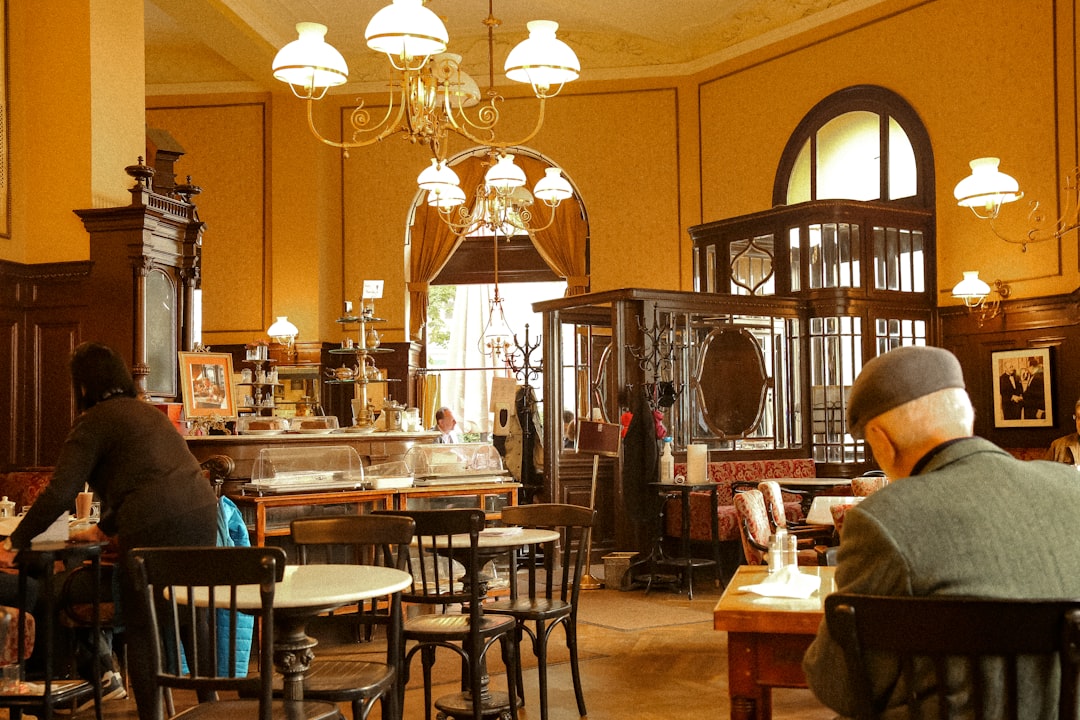
Vienna’s coffeehouses made the UNESCO intangible heritage list in 2011, which sounds like the kind of thing that turns a living tradition into a display case. It hasn’t. Walk into Café Central on a Tuesday morning and the marble-topped tables are full — not with tourists consulting guidebooks, but with Viennese reading newspapers on wooden holders, stirring Melange with a kind of practiced patience that suggests they’ve been doing this since before you were born.
The coffeehouse here isn’t a café. It’s a third place — somewhere between home and work — and the city has been running on this idea since the late 1600s. At its peak in the 1910s, Vienna had over 600 coffeehouses. The number has thinned, but the culture hasn’t. You’re expected to sit. To stay. To order one Melange and let an hour pass without anyone glancing at you sideways.
Start at Café Central for the architecture — the vaulted ceilings alone justify the visit, and yes, Freud and Trotsky really did sit here. Then walk to Café Sperl, which feels less performed and more like the kind of place a Viennese novelist would use as a second office. For the pastry, go to Demel, once the official purveyor to the Habsburg court. Their Sachertorte is denser and less sweet than Sacher’s version, and the debate over which is better has been running for nearly two centuries. Try both. Pick a side.
The Imperial Layers
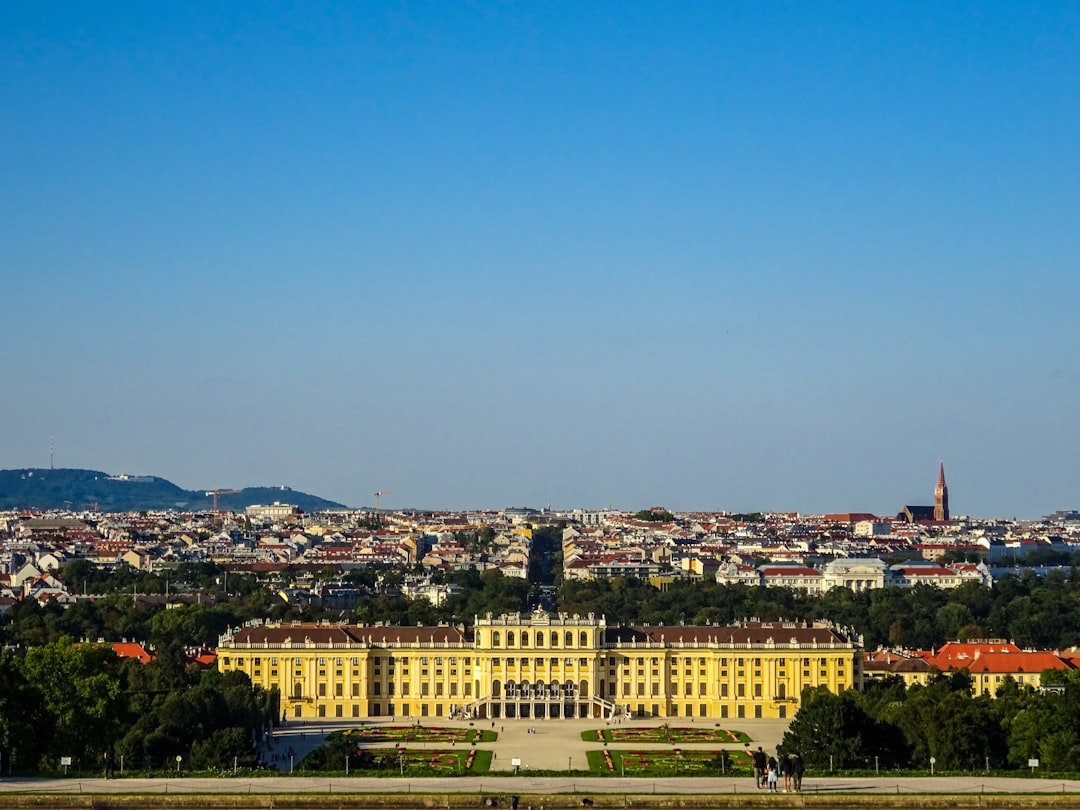
Everyone knows Vienna was the center of the Habsburg empire. What fewer visitors realize is how present that past still feels in the architecture of daily life — not just in the palaces, but in the scale of ordinary streets, the height of apartment ceilings, the width of the Ringstrasse itself. This is a city that was built to impress, and it still does, almost accidentally.
Schönbrunn Palace is the anchor: 1,441 rooms, baroque gardens that stretch toward the horizon, and a Grand Tour that covers the Great Gallery, the Million Room with its rosewood paneling, and Maria Theresa’s private apartments. It earns every minute of the visit. → Skip-the-line Schönbrunn Palace tour
But the Hofburg complex in the city center has more texture. The Sisi Museum — dedicated to Empress Elisabeth — is surprisingly good, more psychological portrait than royal hagiography. The Austrian National Library’s Prunksaal is the quieter revelation: a baroque state hall with 200,000 leather-bound volumes under a frescoed dome. Most visitors walk past it to the more famous museums. Don’t. → Hofburg Palace and Sisi Museum combination ticket
The Ringstrasse itself deserves a slow walk, not a bus tour. The boulevard loops around the Innere Stadt past the State Opera, Parliament, City Hall, the Burgtheater, and the university. Walking it takes about an hour and gives you a better sense of imperial Vienna than any single museum could.
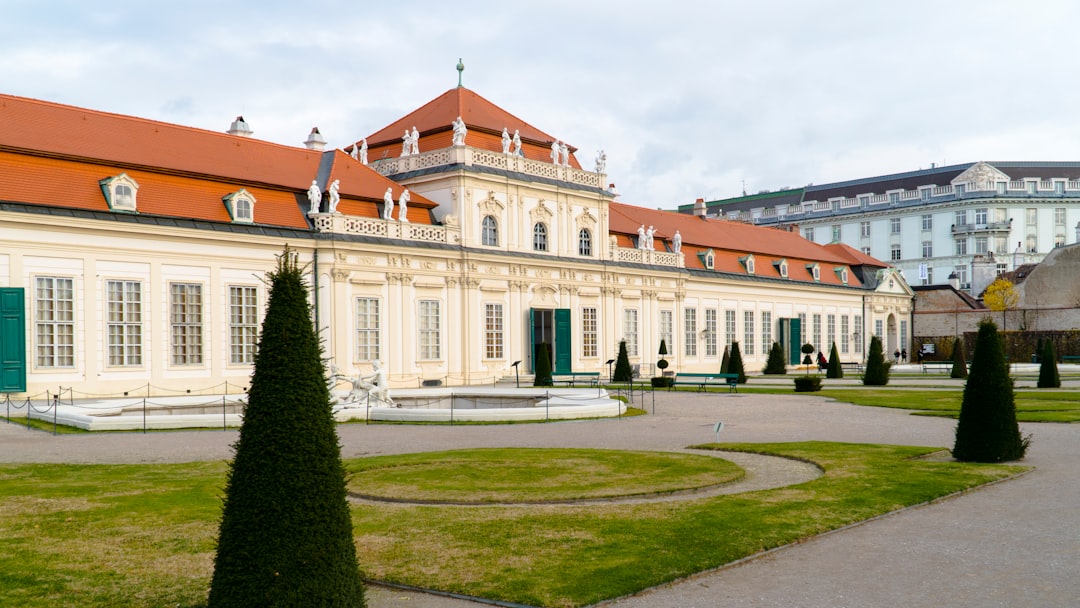
Vienna’s Creative Quarter and the MuseumsQuartier
Ducking off the Ringstrasse into the 7th district, Neubau, feels like entering a different city. The MuseumsQuartier — one of the world’s largest cultural complexes — is housed in the former imperial stables, which tells you something about what Vienna does with its past. Inside, the Leopold Museum holds the world’s largest collection of Egon Schiele alongside Klimt and the Viennese Secession artists. MUMOK, across the courtyard, covers contemporary and pop art with rotating exhibitions that are consistently sharp.
But the MuseumsQuartier courtyard is the real revelation for repeat visitors. On warm evenings, it fills with Viennese sprawled across the colorful Enzis — those oversized geometric benches — drinking wine, sketching, talking. It’s one of the most genuinely social public spaces in Europe, and it costs nothing.
Beyond the MQ, Neubau and neighboring Spittelberg are where Vienna’s design shops, indie galleries, and third-wave coffee roasters live. If you’ve already done the palace circuit on a previous trip, spending a full day in the 7th district is the best argument for coming back.
Three Neighborhoods, Three Viennas
Innere Stadt (1st District) is where you stay if you want to walk everywhere and have the opera, the Hofburg, and the coffeehouses at your feet. Hotel Sacher is the splurge — the original home of Sachertorte, right beside the State Opera, with a guest list that reads like European history. For something more contemporary, Rosewood Vienna occupies a restored 19th-century building with views of St. Peter’s Church. → Hotel Sacher Wien
Neubau (7th District) puts you in the creative quarter: MuseumsQuartier on your doorstep, Spittelberg’s lanes a short walk, and boutique hotels at prices that won’t require a second mortgage. The U-Bahn connections are excellent, so the palaces are still only minutes away. This is where the city actually lives alongside its museums. → Boutique hotels in Neubau
Leopoldstadt (2nd District) is across the Danube Canal — residential, multicultural, and home to the Prater with its iconic giant Ferris wheel. Hotel Stefanie, Vienna’s oldest hotel dating to the 1600s, has a quiet charm and sits near the canal with easy access to both sides of the city. This is the neighborhood for people who want to feel less like a visitor and more like a temporary local. → Hotel Stefanie
The Table: What to Eat in Vienna
Wiener Schnitzel at Figlmüller is the obvious call, but it’s obvious for a reason. The veal cutlet is pounded thin enough to read a newspaper through, breaded, fried golden, and served hanging over the edge of the plate. Order the potato salad. Skip the fries. The Bäckerstrasse location is the original; the Wollzeile branch is larger and slightly less chaotic.
Tafelspitz at Plachutta is the other essential. Gently boiled prime beef served with broth, apple-horseradish sauce, and chive cream — this was Emperor Franz Joseph’s daily lunch, and Plachutta has turned it into a ritual. The marrow bones that arrive alongside are not optional.
For the Sachertorte showdown, start at Café Sacher — the original since 1832, dense chocolate with apricot jam under a smooth glaze. Then walk to Demel and try their version. Sacher’s is richer; Demel’s is more refined. The correct answer is that you need both.
Kaiserschmarrn — fluffy torn pancake, caramelized, dusted with powdered sugar, served with plum compote — is listed as a dessert on most menus but functions better as a meal. Order it without shame at 2pm in a coffeehouse. Nobody will judge you.
For something less imperial, the Naschmarkt stretches for a full kilometer with over 120 stalls: cheeses, spices, Middle Eastern flatbreads, Austrian wines by the glass, and a Saturday flea market that’s worth the early start. → Viennese food walking tour through Naschmarkt
When to Go
Late April through early June is the sweet spot. The city shakes off winter, the palace gardens erupt, and outdoor café culture comes alive. The Vienna Festival (Wiener Festwochen) runs mid-May through late June 2026, celebrating its 75th anniversary with an extraordinary programme of opera, theatre, and dance. Eurovision also lands in Vienna in May 2026, which will bring energy and crowds in roughly equal measure.
September through mid-October is the other window. The cultural season reopens — opera, theatre, new museum exhibitions — and the wine harvest means Heuriger evenings in Grinzing, where vintners serve the year’s new wine with cold cuts in garden courtyards under the vines. The Vienna Coffee Festival in September is worth timing around if the coffeehouse angle is your thing. The Viennale film festival follows in late October.
Winter has its own argument. The Christmas markets — especially the Rathausplatz Christkindlmarkt — are among Europe’s best, and the Ball Season from January through February is genuinely spectacular if you’re inclined to waltz. The Vienna Opera Ball is the headline act, but smaller balls are more accessible and often more fun.
July and August are hot, crowded, and culturally quieter. The Danube Island Festival in early July is the exception — one of Europe’s largest free open-air music events. Otherwise, this is a shoulder-of-the-year period for Vienna.
Plan Your Trip to Vienna
Best time to visit: Late April through early June for gardens, terraces, and the Vienna Festival — or September for the wine harvest, cultural season, and golden autumn light.
✈️ Getting There
Search flights to Vienna on Skyscanner
🏨 Where to Stay
-
Boutique hotels in Neubau — Vienna’s creative quarter, MuseumsQuartier on your doorstep
-
Hotel Sacher Wien — the original Sachertorte hotel, right beside the State Opera
🎟️ What to Book in Advance
-
Skip-the-line Schönbrunn Palace tour
-
Classical concert at the Musikverein
-
Viennese food walking tour through Naschmarkt
Some links in this post are affiliate links. If you book through them,
CuriosityTrail earns a small commission at no extra cost to you.
Recommendations are chosen on merit; commissions never decide what’s included.