Tucson, Arizona: Why the Old Pueblo Deserves More Than a Day Trip
Quick Essentials
- 📍 Best Time to Visit: October through April — daytime highs in the low 80s, cool desert evenings, and wildflower season hits in late February if the winter rains cooperate.
- ✈️ Getting There: Search flights on Skyscanner | Direct from Chicago, Dallas, Denver, LA, and most major hubs
- 🏨 Where to Stay: Browse Tucson hotels on Booking.com
- 🎟️ Don’t Miss: Saguaro National Park guided sunrise hike on GetYourGuide
- 🚗 Car Rental: Compare rental cars in Tucson
- 💰 Budget Range: $150–$300 per day for mid-range to splurge (meals, one activity, good hotel)
The Case for Tucson
Tucson is easy to file away as the place south of Phoenix. A stopping point. Something you drive past on the way to somewhere else.
Tucson is not Phoenix’s quieter cousin. It’s a fundamentally different city — smaller, slower, more sure of itself. The traffic is manageable. The desert isn’t pushed to the edges; it comes right up to the neighborhoods and stays. You can eat Sonoran food that doesn’t exist anywhere else in the country, hike into a national park fifteen minutes from your hotel, and end the evening at a melodrama theater where the audience boos the villain and everyone gets free popcorn. It’s a combination you may not know you want until you have it.
The city has been continuously inhabited for roughly 4,000 years. It was designated a UNESCO City of Gastronomy — the first in the United States. Those two facts alone should tell you something about a place that most people still think of as a layover.
Into the Saguaros: Hiking in and Around Tucson
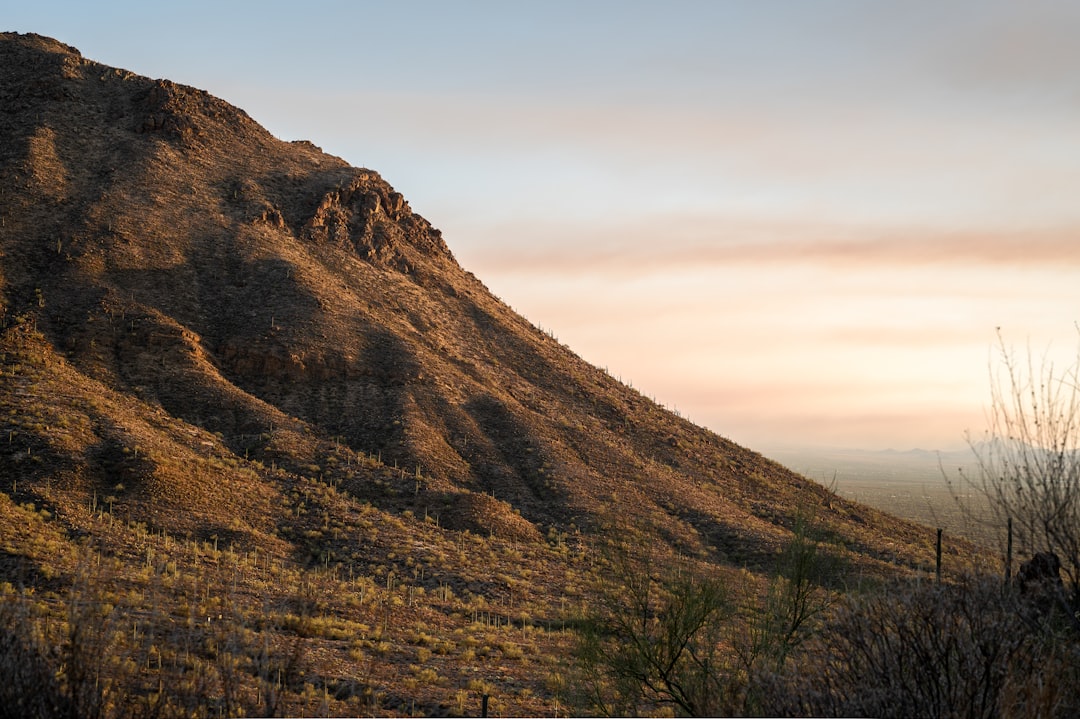
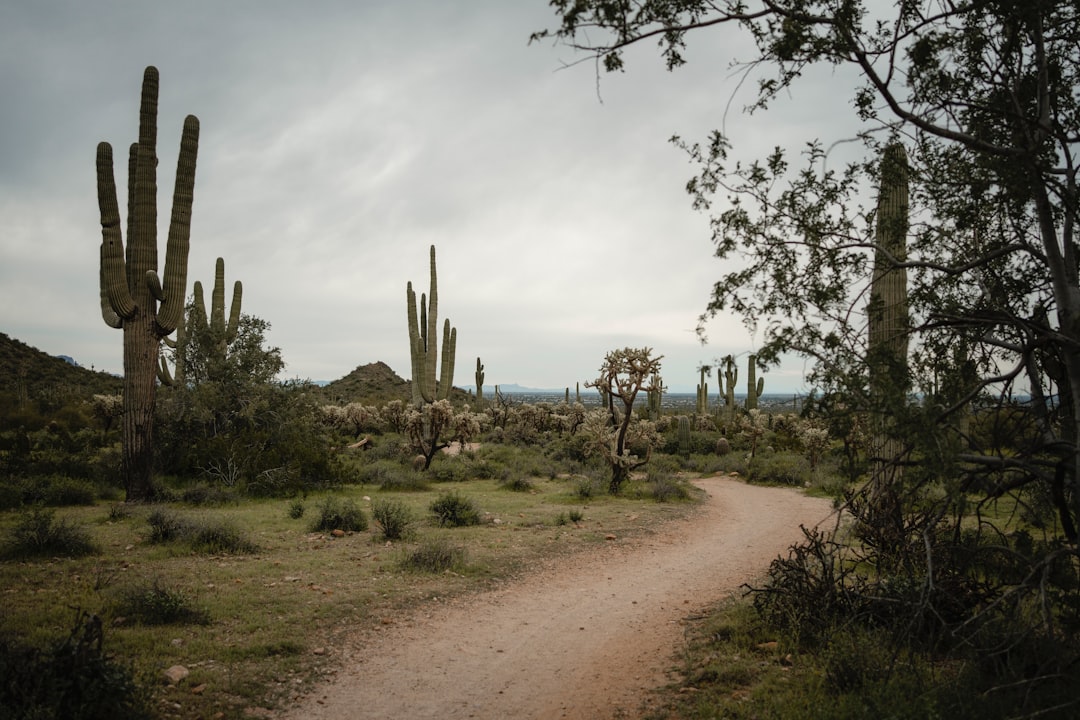
Saguaro National Park splits into two halves flanking the city, and they’re different enough to be worth visiting both. The West district — the Tucson Mountain side — is a good place for a first morning. The Signal Hill Trail takes you past Hohokam petroglyphs etched into volcanic rock, the kind of thing you have to stand in front of quietly for a minute before you fully register what you’re looking at. People carved those marks eight hundred years ago. The saguaros standing beside them might be two hundred years old themselves.
The East district is easier to access from most hotels and has the Cactus Forest Loop Drive, an eight-mile paved road that winds through some of the densest saguaro forest in the park. You’ll want to pull over more times than you can count.
For something closer to town, Sabino Canyon is the local favorite. You can take the tram up the canyon road and hike back down — about four miles, mostly shaded, with creek crossings depending on the season. It’s the kind of hike where you don’t need to be ambitious. You just need to be willing to stop and look. → Sabino Canyon tram and trail experience

A City That Eats: Tucson’s Sonoran Food Scene
Tucson earned its UNESCO gastronomy designation on the strength of a food tradition that most Americans have never actually tasted. Sonoran Mexican cuisine is not Tex-Mex. It’s not Baja. It’s a distinct regional style that emphasizes wheat over corn, beef over chicken, and a kind of hearty simplicity that rewards the places that have been doing it longest.
Start with the Sonoran hot dog. It sounds like county fair food until you eat one — a bacon-wrapped dog loaded with pinto beans, tomatoes, mustard, and jalapeño sauce, served in a bolillo roll that’s been lightly toasted on the plancha. El Güero Canelo won a James Beard Award for theirs, which is both completely deserved and a little funny, because the experience of eating one involves standing at a plastic table under a fluorescent light. That’s the point.
El Charro Café downtown has been open for over a hundred years and is known for its carne seca — beef that’s been seasoned, sun-dried on the roof, and then shredded into dishes that taste like nothing you can get outside of this city. Go to the original Congress Street location. Order the carne seca chimichanga and don’t share it.
For cheese crisps — Tucson’s flat, crispy, plate-sized answer to the quesadilla — El Minuto Café is the standard. And if you want to end an evening well, a prickly pear margarita at Hacienda del Sol’s terrace bar as the sun goes down is about as good as a drink gets in the desert.
The food here has the quality I appreciate most: it couldn’t come from anywhere else. Every dish is tied to this specific place, this specific climate, this specific history. I’m suspicious of restaurants that could exist in any city. Tucson doesn’t have that problem.
The Old Pueblo’s Living History
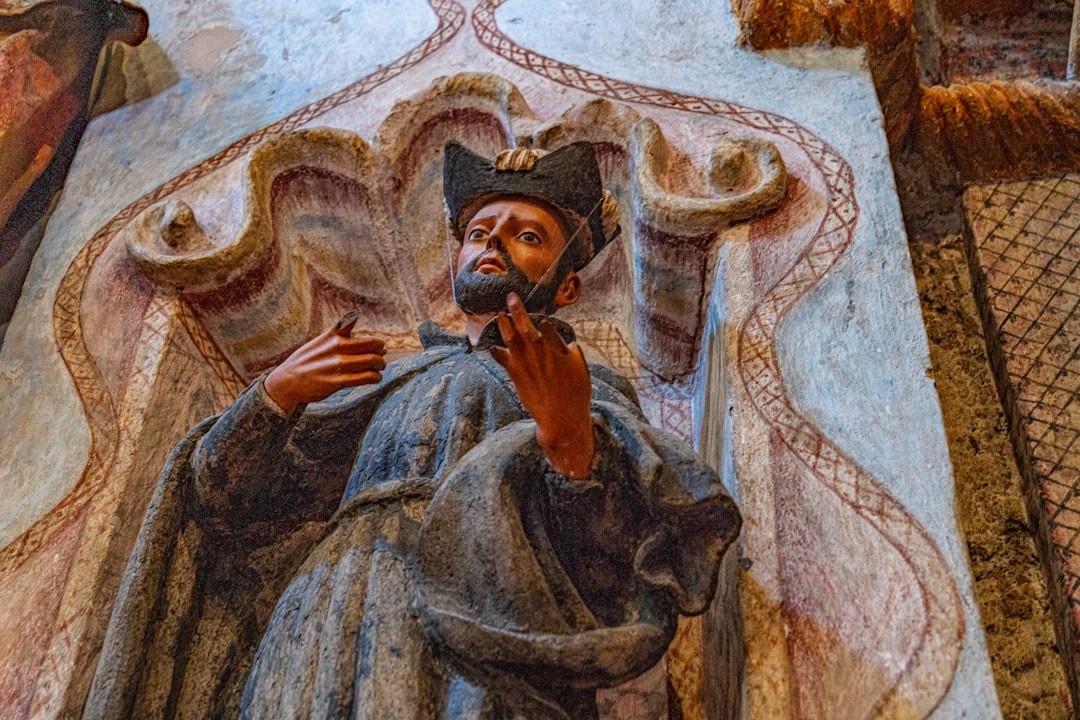
Mission San Xavier del Bac sits about ten miles south of downtown, and it leaves visitors quiet. The “White Dove of the Desert” is an 18th-century Spanish colonial mission — white-walled, ornately painted inside, still an active parish for the Tohono O’odham Nation. You can walk in and look up at the painted ceilings and understand that this building has been standing here since 1797. Not many places in America offer that kind of timeline.
Back downtown, the Presidio San Agustín del Tucson is a small museum that tells the story of the site’s 4,000 years of continuous habitation. Most visitors walk right past it. It’s the kind of place that doesn’t announce itself, and it’s better for it — a quiet room that puts you in context with the layers of civilization that built this city. → Tucson historical walking tour
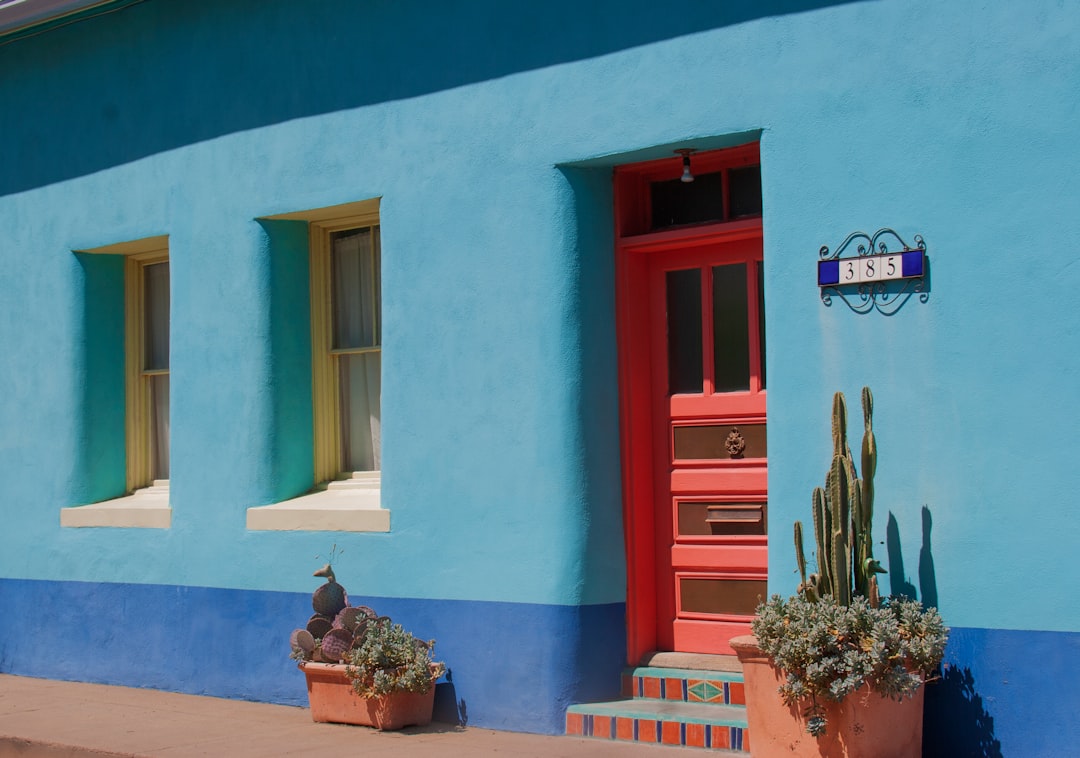
Barrio Viejo, the historic neighborhood just south of the Convention Center, is where Tucson’s character shows up in color. The adobe houses are painted in terracotta and turquoise and deep gold, with murals on the walls and hand-carved doors that have been there for generations. There’s no admission, no map required — just walk the streets in late afternoon when the light comes in low and warm. An hour there without a plan can be one of the best hours of the trip.
The Gaslight Theatre and Tucson After Dark
Here’s the thing to know before you go: the Gaslight Theatre is unlike anything else.
It’s a musical melodrama dinner theater on East Broadway that’s been running for forty-eight years. Six nights a week, the cast performs original comedy shows — spoofs of movies, westerns, sci-fi send-ups — and the audience participates. You boo the villain. You cheer the hero. You get free popcorn. The tickets are about twenty-nine dollars.
Walk in expecting cute and walk out having had one of the most genuinely fun evenings anywhere. The cast is talented, the writing is sharp, and the whole room is in on it together. It’s the kind of experience that only works because it’s been doing the same thing well for nearly five decades. You can buy pizza and ice cream inside.
If you want something more conventional, Fourth Avenue is Tucson’s walkable strip of bars, experimental restaurants, and live music venues. It’s lively without being overwhelming — more neighborhood than nightlife district.
Where to Base Yourself
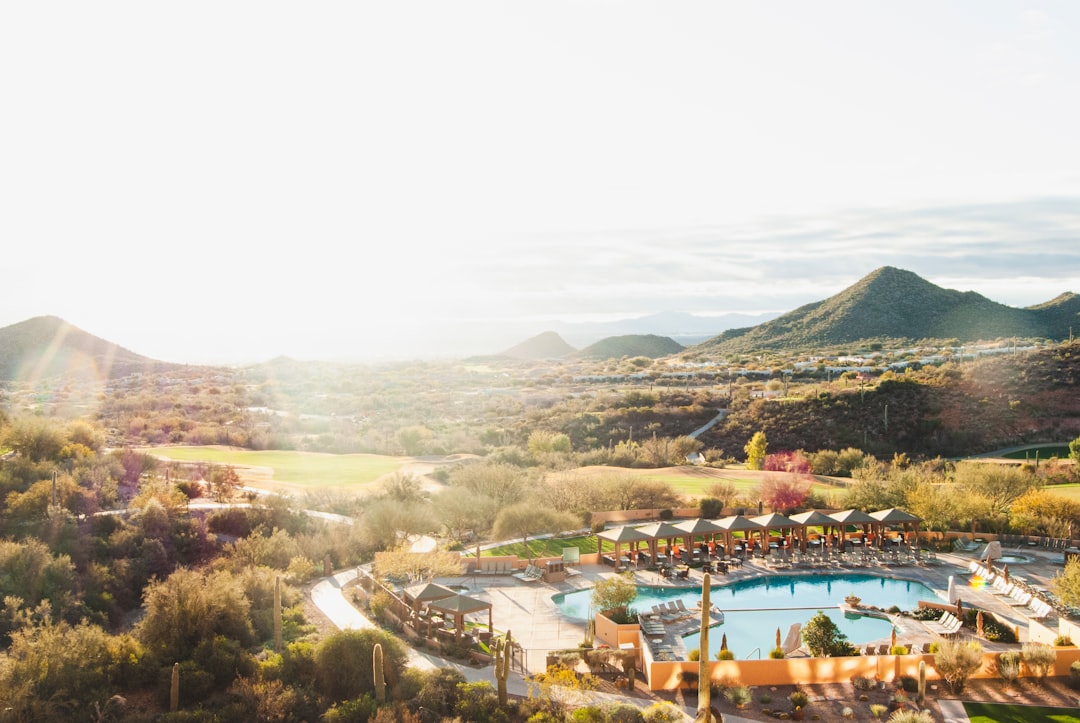
The Catalina Foothills are a strong choice for where to stay. The Loews Ventana Canyon Resort sits against the Santa Catalina Mountains with pool terraces, desert views, and hiking trails that start essentially from the lobby. It’s the kind of resort that doesn’t make you feel like you’re in a resort — the desert is right there, and the design doesn’t try to compete with it. → Loews Ventana Canyon Resort on Booking.com
Downtown Tucson is the better choice if you want to walk to dinner and ride the Sun Link streetcar. The Arizona Inn is a 1930s boutique property with gardens and a quiet old-Tucson elegance that feels earned, not staged. Celebrities have been staying here for decades, and the dining room is still excellent. → The Arizona Inn on Booking.com
Sam Hughes, the residential neighborhood near the University of Arizona, is worth knowing about for mid-range B&Bs and guest houses. It’s safe, walkable, full of Southwestern architecture, and close to everything without being in the middle of it.
When to Time Your Visit
October through April is the window. Within that, I’d aim for late October if you want to catch Tucson Meet Yourself — a free three-day folklife festival with over 500 artists, musicians, and food vendors.
Late February through March brings wildflower season if the winter was wet enough. The desert floor erupts with poppies and lupines and it’s briefly, startlingly green.
If you’re drawn to agave culture, the Agave Heritage Festival in April is a multi-day celebration of tastings, dinners, and talks. And the Tucson Gem & Mineral Show in late January transforms the entire city — every hotel parking lot becomes a gemstone marketplace. It’s wonderfully strange.
Avoid June through August unless you genuinely enjoy 104°F heat. The monsoon thunderstorms in July and August are spectacular — dramatic, fast, and over quickly — and hotel rates drop significantly. But it’s a specific kind of traveler who enjoys that trade-off. Southwest trips that continue into New Mexico can add Santa Fe, where adobe architecture, the galleries of Canyon Road and the high-desert light are the draw.
Ready to Plan Your Trip to Tucson?
You’ve done the reading. Here’s everything you need to make it happen.
Some links in this post are affiliate links. If you book through them, CuriosityTrail earns a small commission at no extra cost to you. Recommendations are chosen on merit; commissions never decide what’s included.