Manila, Philippines: The Experienced Traveler’s Guide to a Misunderstood City
Quick Essentials
- 📍 Best Time to Visit: January through April — dry season, manageable heat, and the post-holiday lull means fewer domestic tourists clogging Intramuros on weekends.
- ✈️ Getting There: Search flights to Manila on Skyscanner | Direct from Los Angeles, San Francisco, Vancouver, Tokyo, Singapore, and most major Asian hubs
- 🏨 Where to Stay: Browse hotels in Manila | Neighborhood picks below — your choice of district changes the trip entirely
- 🎟️ Don’t Miss: Intramuros walking tour with Fort Santiago — history here needs a guide who can read the walls
- 🚗 Car Rental: Compare rental cars in Manila
- 💰 Budget Range: $80–$180 per day for mid-range to upscale travel, including meals that would cost triple in Tokyo
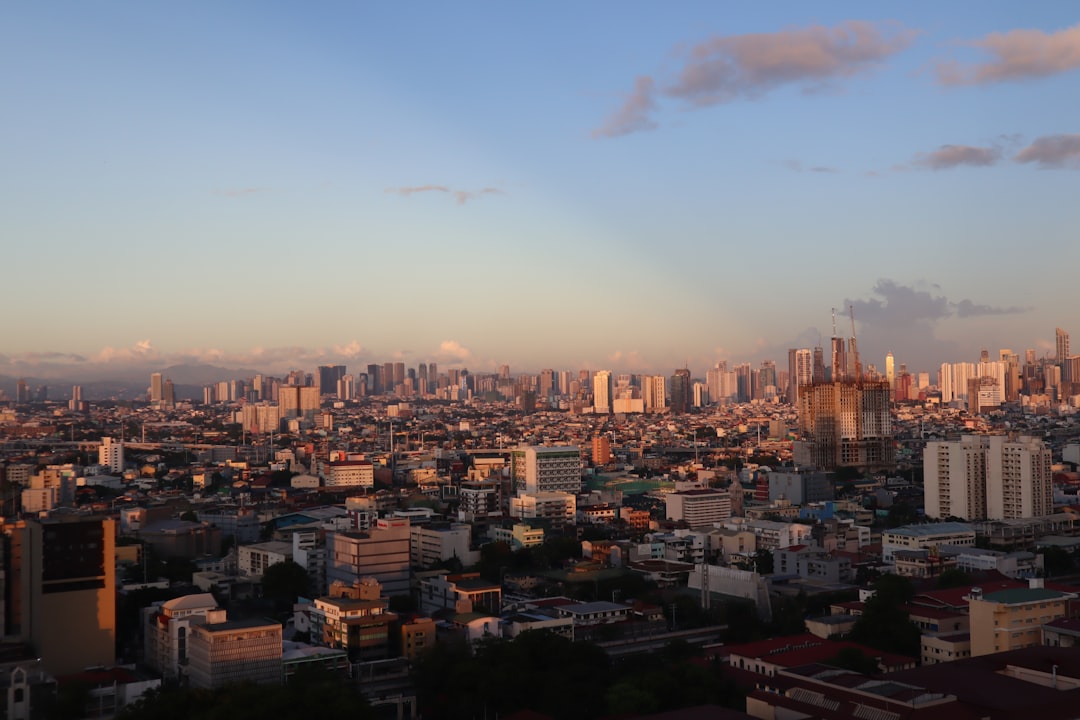
Manila doesn’t make a good first impression. That’s not a criticism — it’s a fact the city doesn’t bother hiding. The traffic is a living organism. The density is relentless. And the heat sits on your chest the moment you step outside Ninoy Aquino International, which itself ranks among the world’s more testing arrival experiences.
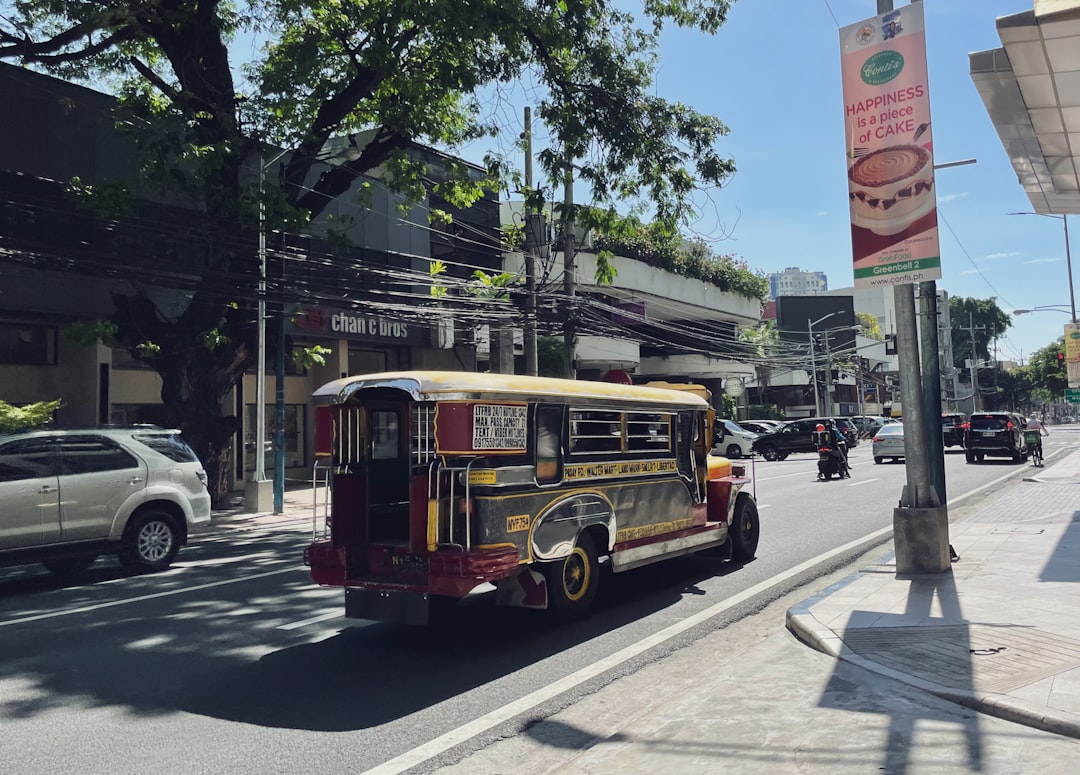
But here’s what the people who actually love Manila know: the city gives back exactly what you put into it. Stop trying to see everything. Pick a neighborhood. Eat where the line is longest. Let the jeepney pass and take the next one. Manila starts making sense the moment you stop demanding that it behave like Bangkok or Singapore.
This is a city built on layers — Spanish colonial stone, American-era concrete, Japanese wartime scars, and a Filipino resilience that stitches it all together with humor and adobo. The rewards are specific and real: a free museum complex that rivals anything in Southeast Asia, a Chinatown older than any in the world, street food that will recalibrate your understanding of sour and savory, and a warmth from locals that isn’t performed for tourists because, frankly, Manila doesn’t get that many.
The City Runs on Its Own Clock
Forget the idea of an early start. Manila’s rhythm begins late and runs later. Breakfast might happen at 10am. The best restaurants fill up at 9pm. Markets get interesting after dark. Fighting this schedule will only frustrate you — lean into it and you’ll find a city that’s actually quite generous with its time.
The dry season — January through April — is when you want to be here. Temperatures hover around 30°C, which sounds punishing until you realize every mall, restaurant, and museum runs aggressive air conditioning. December works too, and comes with a bonus: Filipinos start celebrating Christmas in September (the “Ber months”), and by December the city is draped in parols — star-shaped lanterns — and the energy is genuinely infectious.
Avoid June through October unless you enjoy wading. The monsoon season brings flooding that can shut down entire neighborhoods, and typhoon warnings are routine. The shoulder months of November and May are workable if you’re flexible and don’t mind occasional downpours.
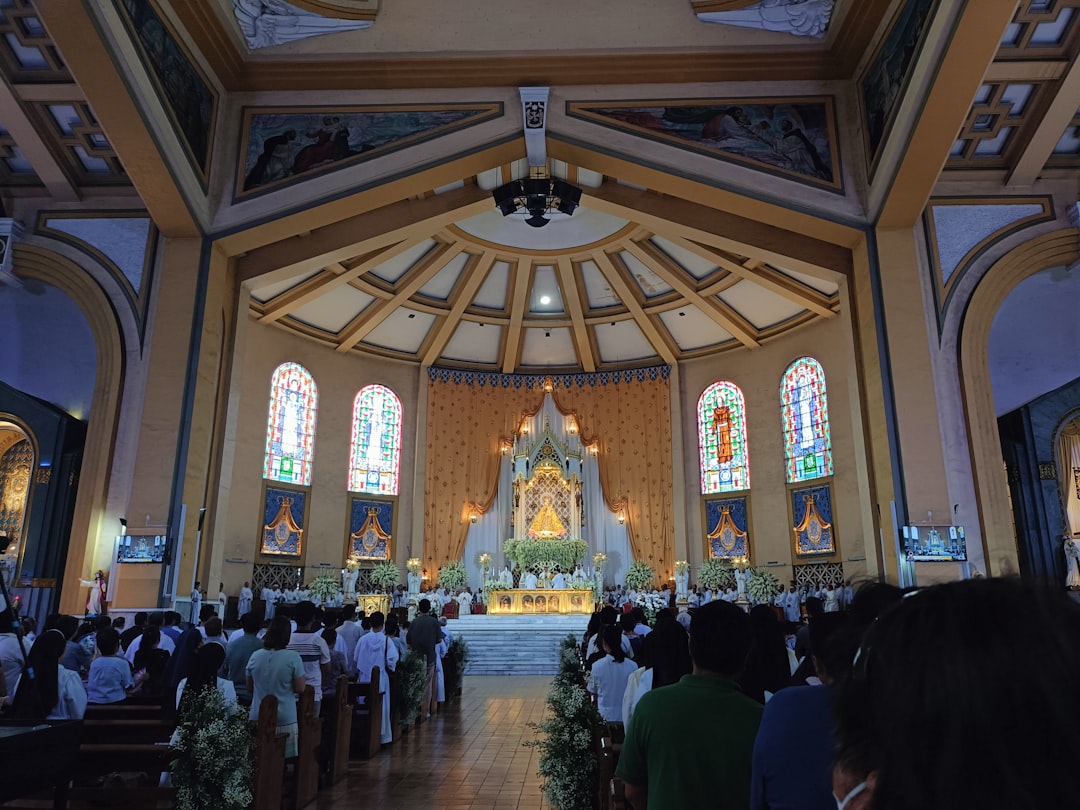
One timing note for the adventurous: the Feast of the Black Nazarene on January 9th draws millions of barefoot devotees through the streets of Quiapo in one of the largest Catholic processions on Earth. You don’t participate casually. But witnessing it from the edges — the devotion, the density, the sheer scale — is unforgettable.
Intramuros and the Layers Beneath
The Walled City is where Manila’s story starts making sense. Built by the Spanish in the 1570s, bombed nearly flat during the Battle of Manila in 1945, and slowly rebuilt over the decades since, Intramuros is a place where every restored wall sits next to a ruin that nobody has the budget to fix. That contrast is the point.
Fort Santiago is the anchor. This was the seat of Spanish colonial power, later a Japanese detention center where thousands of Filipino and American POWs died. The grounds are quiet now, almost parklike, with a small museum dedicated to José Rizal — the national hero who was imprisoned here before his execution. Give it at least an hour. The Rizal shrine alone reframes everything you’ll see for the rest of the trip.
San Agustin Church, the oldest stone church in the Philippines, survived every earthquake and war that leveled everything around it. The interior ceiling — painted to look like a European cathedral using trompe-l’oeil — is a colonial ambition frozen in place. The adjoining museum is small but worthwhile, full of ecclesiastical art and liturgical silver.
A guided walking tour is worth the investment here. The Intramuros Administration offers DOT-accredited tours that cover Fort Santiago, Manila Cathedral, San Agustin, and the old city walls in about two and a half hours. The guides are local, knowledgeable, and honest about the complicated history. Book an Intramuros walking tour with Fort Santiago
For a slower pass, the bamboo bicycle tours run by local outfits let you pedal through the walled district on handmade bikes — a different texture entirely, and the kind of thing that only works in a neighborhood this compact. Book a bamboo bicycle tour of Intramuros
Then cross Padre Burgos Street to the National Museum complex. Three buildings — Fine Arts, Anthropology, and Natural History — all free, all excellent. The Spoliarium in the Fine Arts building is reason enough: Juan Luna’s enormous painting of dead gladiators being dragged from a Roman arena became a symbol of Philippine resistance to colonial rule. Standing in front of it, knowing the history, is one of those museum moments that actually earns the word “powerful.”
Most visitors skip the Natural History building, which is a mistake. The Tree of Life installation in the central atrium is architecturally stunning, and the biodiversity exhibits contextualize the Philippines’ extraordinary ecological position.
Where to Sleep Without Losing Your Mind
Your neighborhood choice in Manila isn’t just a convenience decision — it determines the texture of your entire trip. Three areas make sense for the experienced traveler, and they offer genuinely different experiences.
Poblacion, Makati is the neighborhood having its moment. Once Manila’s red-light district, it’s now a tangle of rooftop bars, design-forward boutique hotels, and restaurants that range from excellent Filipino to unexpected Japanese. The streets are walkable by Manila standards, which means you can actually stroll between dinner and drinks without summoning a Grab car. This is the mid-range sweet spot for travelers who want character over polish. Browse boutique hotels in Poblacion, Makati
Bonifacio Global City (BGC) is Manila’s cleanest district by a wide margin. Built on a former military base, it has the wide sidewalks, curated restaurants, and contemporary art installations that the rest of Manila lacks. It can feel sterile — this is not where you’ll find Manila’s soul — but as a base for day trips into the chaos, it’s hard to beat. The splurge pick. Browse hotels in Bonifacio Global City
Ermita, near Rizal Park, is the practical choice for history-focused visitors. Walking distance to Intramuros and the National Museum complex, with hotels ranging from budget to solid mid-range. The neighborhood itself is less exciting than Poblacion, but you’ll spend less time in traffic getting to the things that matter most.
Eating Your Way Through Manila
Manila’s food scene hit a milestone in late 2025 when the Michelin Guide published its first Philippine edition — one two-star, eight one-star, and twenty-five Bib Gourmand restaurants in the inaugural selection. The recognition was overdue. This city has been eating well for generations.
Start with sinigang. The sour tamarind-based soup — pork belly is the canonical version — is arguably the most emotionally significant dish in Filipino cuisine. It’s comfort food with complexity: tart, savory, and deeply warming despite the tropical heat. Manam, in Ayala Triangle Gardens, does a refined but honest version that serves as a reliable benchmark.
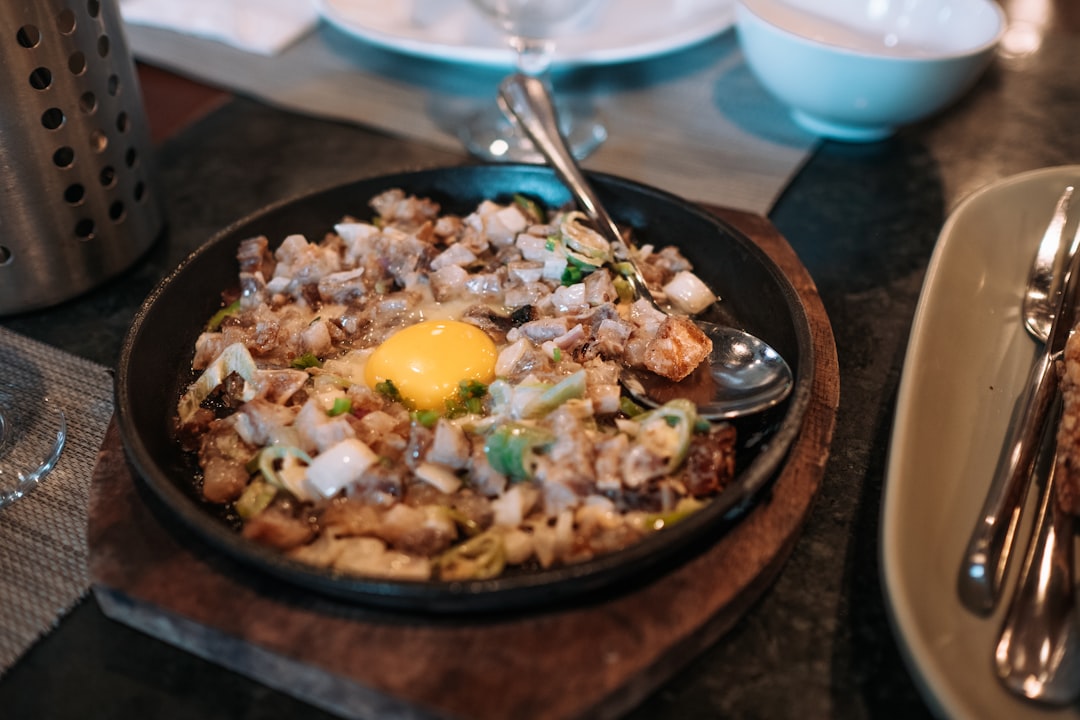
Sisig is the dish Manila argues about. Originally from Pampanga province, this sizzling plate of chopped pork face (cheeks, ears, liver) arrives crackling with fat and dressed with calamansi and chili. Every carinderia has an opinion on the correct version. The best sisig you’ll eat in Manila will be at a place with plastic chairs and no English menu. Accept this.
The Binondo Chinatown walk is non-negotiable. This is the world’s oldest Chinatown — established in 1594 — and the food stalls here predate most of Manila’s restaurants by generations. Eng Bee Tin for hopia (flaky bean-paste pastry), hand-folded siomai from the carts along Ongpin Street, and dumplings from any of the packed-to-the-walls noodle houses. A guided food tour makes this easier to navigate and ensures you don’t miss the alley stalls. Book a Binondo Chinatown food tour
For the splurge meal, Toyo Eatery is the reservation to make. Chef Jordy Navarra’s tasting menu reimagines Filipino ingredients with precision that earned a place on Asia’s 50 Best Restaurants and recognition in Manila’s first Michelin wave. The experience is playful, deeply rooted in local sourcing, and unlike any other fine dining meal in Southeast Asia.
And don’t skip halo-halo — the shaved ice dessert layered with sweetened beans, jellies, leche flan, ube ice cream, and evaporated milk. Razon’s of Guagua is the gold standard. It looks chaotic. It tastes like someone understood that more is, in fact, more.
Beyond the Old Walls
Manila’s best day trip is south. Taal Volcano sits inside a lake inside a volcanic caldera — a geological nesting doll that photographs better than it sounds. The drive to Tagaytay takes about two hours from Manila (or four in traffic — leave early), and from there a boat crosses Taal Lake to the volcano island. The views from the crater rim are genuinely dramatic. Book through an organized tour unless you’re comfortable negotiating boat hire independently. Book a Taal Volcano day trip from Manila
Back in the city, Quiapo Church and the surrounding market offer Manila at full volume. The church is home to the Black Nazarene statue — the focus of that January 9th procession — but any day of the week, the market sprawling around it sells herbal medicines, fortune-telling services, devotional candles, and street food in a sensory tangle that no other Manila neighborhood matches. This is not polished. That’s the point.
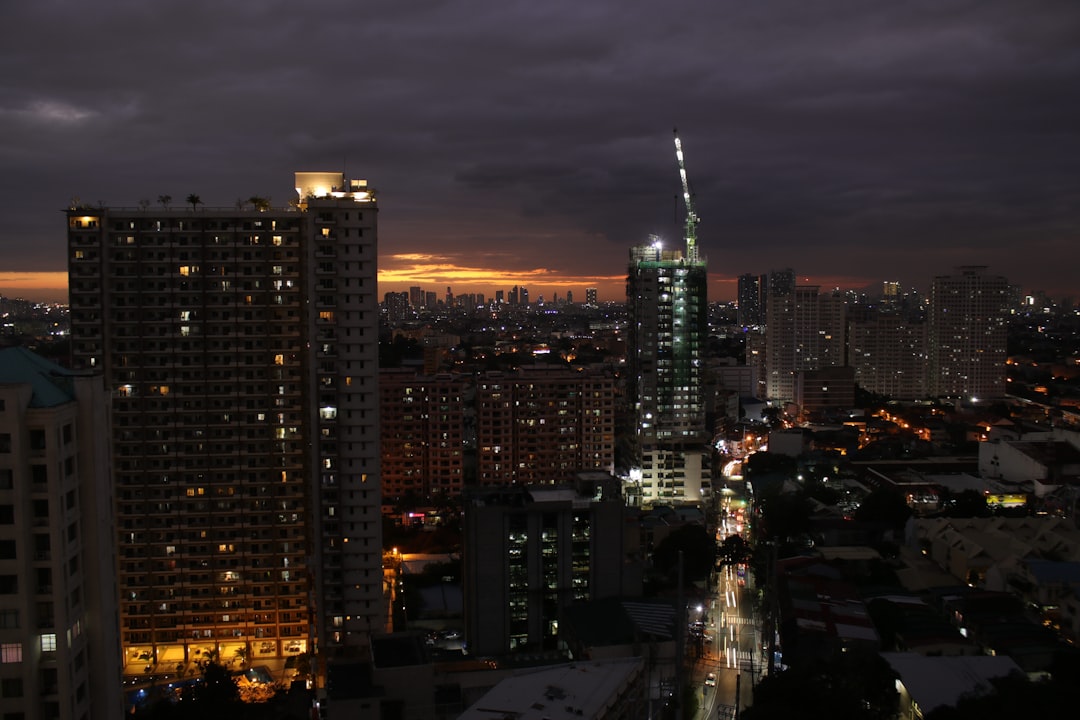
For something quieter, the Manila Baywalk at sunset is a communal experience that costs nothing. The revitalized waterfront promenade fills with local families, food vendors, and the kind of golden-hour light that makes even Manila’s skyline look romantic. Bring a beer from a nearby sari-sari store and sit with it.
And if the Poblacion art scene calls, an evening walk through Makati’s creative pocket reveals street murals, small galleries, and rooftop bars that feel like they belong in Medellín more than Manila. The neighborhood is still in transition — which is exactly when it’s most interesting.
Plan Your Trip to Manila
Best time to visit: January through April — dry season with manageable heat, fewer crowds, and the post-holiday calm that makes Intramuros and Binondo easier to explore at your own pace.
✈️ Getting There
Search flights to Manila on Skyscanner
🏨 Where to Stay
- Boutique hotels in Poblacion, Makati — walkable, creative, and the best restaurant density in the city
- Hotels in Bonifacio Global City — the polished base for exploring Manila’s rougher, more rewarding edges
🎟️ What to Book in Advance
- Intramuros Walking Tour with Fort Santiago
- Binondo Chinatown Food Tour
- Taal Volcano Day Trip from Manila
📦 Pack Right
Rechargeable portable fan — Manila’s heat is relentless and the gaps between air-conditioned spaces are real.
Some links in this post are affiliate links. If you book through them,
CuriosityTrail earns a small commission at no extra cost to you.
Recommendations are chosen on merit; commissions never decide what’s included.