Charleston Beyond the Carriage Ride: A Food-and-Architecture Guide to the Holy City
Quick Essentials
- 📍 Best Time to Visit: Late March through May — the azaleas are out, the humidity hasn’t arrived yet, and Spoleto Festival fills every church and theater in the city with something worth hearing.
- ✈️ Flights: Search flights to Charleston | Direct from New York, Chicago, Dallas, Atlanta
- 🏨 Hotels: Browse hotels in Charleston | Our picks below
- 🎟️ Top Experience: Historic Charleston carriage tour
- 🚗 Car Rental: Compare rental cars
💰 Budget Range: $180–$350 per day for mid-range to splurge dining, boutique hotels, and a few bookable experiences
Charleston is a city that rewards the second look. The first visit — the carriage ride, the Battery promenade, the obligatory plate of shrimp and grits — is pleasant enough, and most people leave satisfied. But Charleston’s real draw sits in the space between its architecture and its kitchens, in the way a Georgian portico on East Bay Street connects to a pot of red rice simmering three blocks away in a kitchen that has been cooking the same dish for generations.
That connection — between the buildings and the food, between who built what and who fed whom — is what makes Charleston more than a pretty Southern city with good restaurants. It is a place where the physical fabric of the streets and the culinary traditions running through them share the same complicated, deeply American story.
This is a guide for the traveler who has already walked Rainbow Row and wants to understand what those colors actually mean. Who has eaten well on King Street and is ready to eat better off it. Who wants Charleston not as a postcard but as a conversation with a city still reckoning with its own history — and doing it, increasingly, through its food.
The Colors Tell the Story
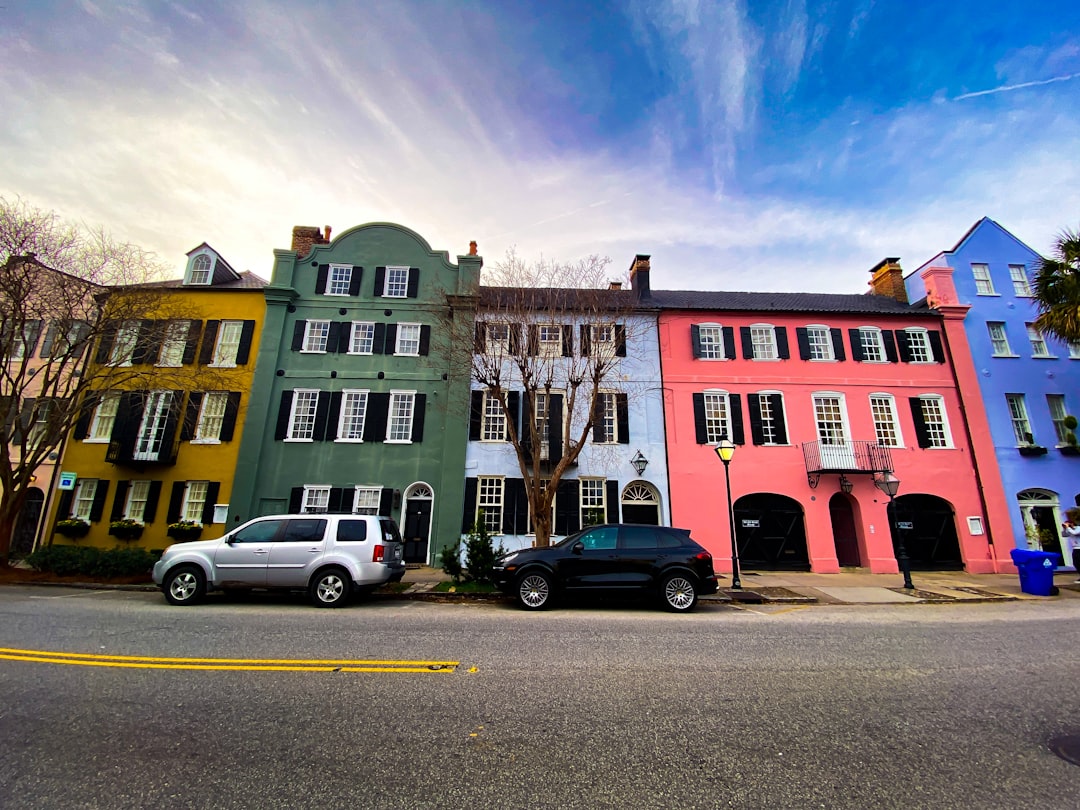
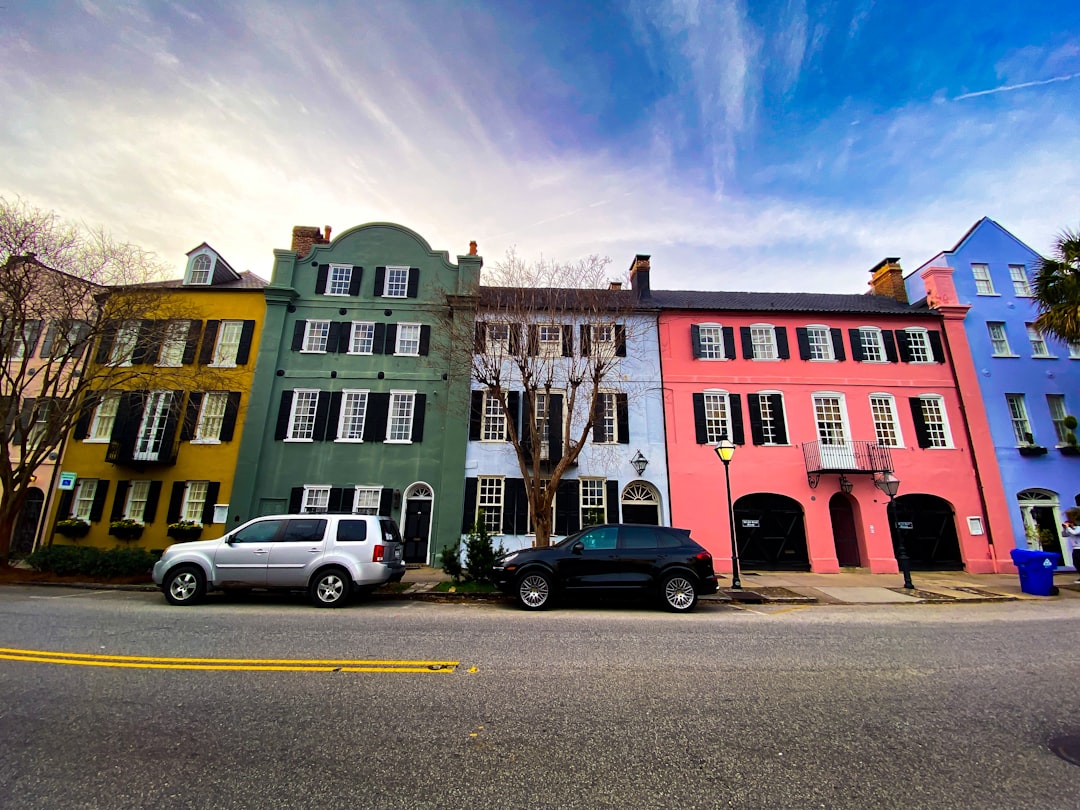
Rainbow Row gets its share of photographs, and fairly so. Thirteen pastel Georgian row houses lining East Bay Street between Tradd and Elliott, built between the 1740s and 1845, each one joined to its neighbor but architecturally distinct — different rooflines, different proportions, different ways of solving the same problem of living above a shop in a subtropical port city.
The colors came later. After the Civil War, this stretch of the waterfront fell into serious disrepair. It took Dorothy Porcher Legge in the 1930s to start the revival, buying properties and painting them in Caribbean-inspired pastels. The palette was practical as well as decorative — light colors reflected heat in a city where summer genuinely punishes.
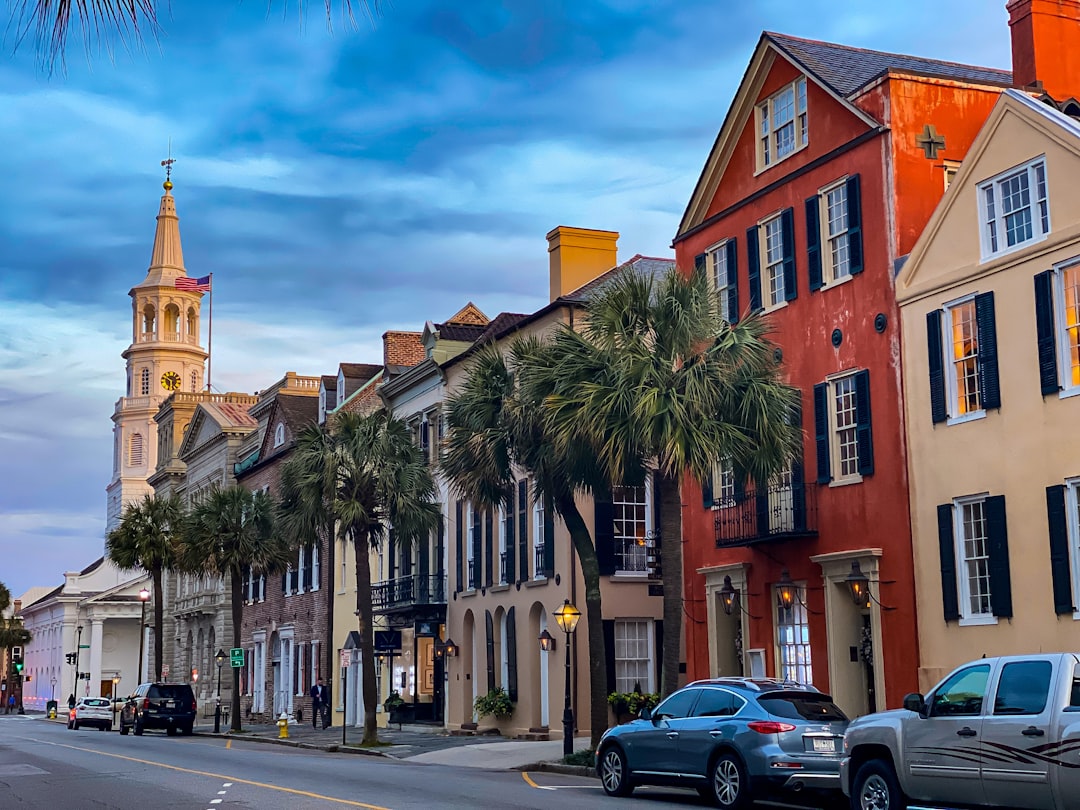
But Rainbow Row is the beginning of a walk, not the destination. Head south along East Bay toward the Battery and you will pass the finest collection of antebellum townhouses in the country — double-galleried piazzas stacked two and three stories high, designed to catch the harbor breeze before air conditioning existed. These are not museum pieces. People live in them. The architecture functions the way it was designed to, which is rarer than you might think.
Walk north instead and King Street shifts from residential grandeur to commercial energy — the galleries, the restaurants, the shops that have made Charleston’s downtown one of the most walkable in America. The architecture tells you which blocks gentrified first and which are still in the process. Pay attention to the gaps and the renovations-in-progress. They are part of the story too.
What the Kitchens Remember
You cannot understand Charleston’s food without understanding rice. The tidal rice fields that once lined the Lowcountry coast were built and worked by enslaved West Africans — many of them skilled rice growers from Sierra Leone and Senegambia. Their agricultural expertise made Charleston one of the wealthiest cities in colonial America. Their cooking techniques — the one-pot rice dishes, the okra soups, the careful use of sesame and seafood — became what we now call Lowcountry cuisine.
The Gullah-Geechee people, descendants of those enslaved Africans, maintained these culinary traditions through centuries. Red rice, a dish with deep roots in West African jollof, is still prepared in Charleston kitchens that trace their recipes back generations. Bertha’s Kitchen on Meeting Street serves it the way it has always been served — without fanfare, without plating pretensions, without a sommelier.
This matters because the current Charleston food renaissance — the one that earns Michelin stars and James Beard nominations — is built on that foundation. The best chefs in the city know it. The restaurants that will last are the ones that acknowledge the Gullah-Geechee tradition not as a historical footnote but as the living root system of everything happening in their kitchens.
If you want to go deeper, book a Gullah Geechee cultural tour. The Gullah Geechee Seafood Trail is worth knowing about — a self-guided route connecting restaurants and markets that honor the tradition directly.
Where to Eat When You’ve Already Done King Street
King Street is fine. Magnolias is still doing what it has done since 1990, and doing it well. Poogan’s Porch will feed you shrimp and grits that justify the wait. But the interesting eating in Charleston has been drifting outward, and the experienced traveler should follow it.
Bertha’s Kitchen (Meeting Street) is the essential stop. Buffet-style, no reservations, closes when the food runs out. The lima beans, the fried chicken, the red rice. This is Gullah cooking served without commentary, and it is extraordinary.
Page’s Okra Grill does Lowcountry comfort food with the precision of a place that actually cares about the details — the okra soup, the stone-ground grits, the fried green tomatoes done right.
The Darling Oyster Bar on Upper King is where the raw bar scene meets the neighborhood bar. If oysters are in season — roughly October through March — this is where you start.
For the splurge: the Michelin-starred tasting menu scene has arrived in Charleston. Chef Orlando Pagán’s menu weaves Puerto Rican influences through Lowcountry ingredients — blue crab egg custard, Charleston Gold rice sourdough, dry-aged steak with bourbon-truffle jus. It is worth the reservation effort.
Benne wafers — sesame-seed cookies with West African origins — show up across the city, but Callie’s Hot Little Biscuit on Upper King is a reliable source. Buy a bag. They travel well.
Stay Where the Story Lives
The French Quarter is where you want to be. Not because it is the fanciest — though it can be — but because the cobblestone streets, the gallery district, and the proximity to the City Market and Dock Street Theatre put you inside the architecture this post is about. You wake up in it. You walk through it to dinner. It becomes texture rather than a day trip.
French Quarter Inn sits on Market Street in the thick of it. Boutique, well-run, with an evening wine-and-cheese reception that sets the tone for walking out into the neighborhood. The rooms are not enormous, but they are considered. Mid-range to splurge depending on the season. → French Quarter Inn on Booking.com
Charleston Place, A Belmond Hotel is the grand option. Rooftop pool, full spa, the kind of lobby where you sit in a leather chair and wonder whether you should have dressed better. If Charleston is the destination — not a stop on a longer trip — this is where you stay once. → Charleston Place on Booking.com
For a different experience entirely: Cannonborough-Elliotborough, a 10-minute walk west of King Street. This residential neighborhood has changed dramatically in recent years, filling with wine bars, small restaurants, and locally owned shops. It has the energy of a neighborhood that is still becoming itself. Look for small B&Bs and vacation rentals here — you will eat better and spend less than in the tourist core. → Browse Cannonborough-Elliotborough stays
Beyond the Battery
Most visitors walk the Battery, photograph the harbor, and move on. Fair enough. But Charleston has edges worth exploring.
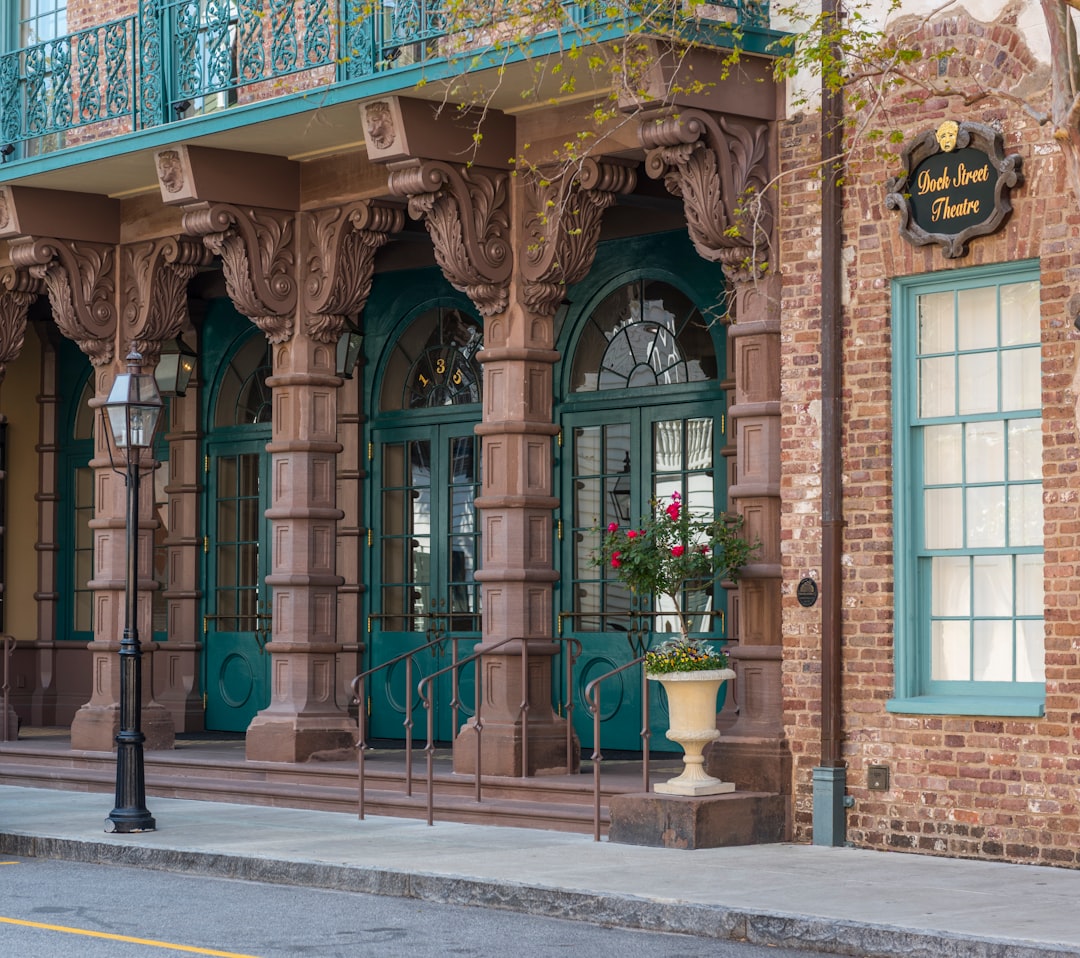
The Dock Street Theatre is America’s first purpose-built theater, dating to 1736. The current building is a 1930s reconstruction, but the interior retains the bones of Georgian theatrical design — the box seats, the intimacy, the acoustics built for the human voice. Free to walk through during the day. If Spoleto is running, book a performance. → Dock Street Theatre tour and performance tickets
A historic carriage tour sounds like a tourist exercise, and it can be. But the good ones — the ones with guides who know the architecture — are a genuine education. You will learn more about Charleston’s building styles in 90 minutes from a carriage than from a week of walking alone. → Historic Charleston carriage tour
Wadmalaw Island is a half-day trip that gets you out of the city and into the Lowcountry landscape. The Charleston Tea Garden — the only tea plantation in North America — and Firefly Distillery are both on the island. It is a slower pace, a wider sky, and a reminder that Charleston exists inside a larger ecosystem. → Wadmalaw Island wine tasting and tea garden trip
When to Time It Right
Late March through May is the sweet spot. The gardens are explosive — azaleas and wisteria dripping from every wrought-iron gate — and the temperature sits in the comfortable 70s before summer humidity makes walking unpleasant. This is also when the build-up to Spoleto Festival begins, and the city feels culturally alive in a way that goes beyond the usual restaurant openings.
Spoleto Festival USA runs May 22 through June 7 in 2026, filling Charleston’s historic churches, theaters, and outdoor spaces with opera, jazz, chamber music, dance, and theater. The companion Piccolo Spoleto Festival runs parallel with 250+ events, many of them free. If you can time a trip to overlap with even a few days of Spoleto, do it. The city transforms.
October through early December is the second window. Cooler temperatures, thinner crowds, and — crucially — oyster season. Lowcountry oyster roasts are not a restaurant promotion. They are a cultural event, done outdoors, with bushels of steamed oysters dumped on newspaper-covered tables. If you are in Charleston when oysters are in season and someone invites you to a roast, cancel your dinner reservation.
Avoid June through September unless you genuinely enjoy 95°F with matching humidity. The city is beautiful year-round, but summer walking is an endurance event.
Plan Your Trip to Charleston
Best time to visit: Late March through May for spring gardens, comfortable walking weather, and the run-up to Spoleto Festival. October through December for oyster season and cooler temps.
✈️ Getting There
Search flights to Charleston on Skyscanner
🏨 Where to Stay
- French Quarter Inn — Boutique charm in the heart of the historic district
- Charleston Place, A Belmond Hotel — The grand-dame splurge with rooftop pool and spa
🎟️ What to Book in Advance
Some links in this post are affiliate links. If you book through them, CuriosityTrail earns a small commission at no extra cost to you. Recommendations are chosen on merit; commissions never decide what’s included.