Matsumoto, Japan: A Black Castle, Polka Dots & Alpine Soba in the Japanese Alps
Quick Essentials
- 📍 Best Time to Visit: May through mid-June or late September into October — mild air, open alpine trails, and the castle grounds without the crush of summer crowds.
- ✈️ Getting There: Search flights to Tokyo on Skyscanner | 2.5 hours from Tokyo on the Limited Express Azusa; 2 hours from Nagoya via the Shinano
- 🏨 Where to Stay: Browse hotels in Matsumoto | Traditional ryokan on Nakamachi Street or a reliable base near the station — our picks below
- 🎟️ Don’t Miss: Matsumoto Castle tour & soba noodle-making workshop
- 💰 Budget Range: ¥12,000–¥25,000 ($80–$170 USD) per day for a mid-range to comfortable experience, including meals and one activity
The Case for Stopping Here
Most travelers see Matsumoto from a train window. The Azusa hums through on the Tokyo-to-Nagano corridor, and the city registers as a station name, not a destination. That’s a mistake worth correcting.
Matsumoto is a two-day town in the best possible sense. Small enough to walk from one end to the other before lunch, dense enough that those two days feel genuinely full. A black samurai castle that happens to be one of only twelve originals left standing in the country. A hometown art museum dedicated to Yayoi Kusama, whose polka dots have wrapped themselves around the city’s public buses. Soba shops that have been rolling buckwheat noodles since before photography existed. And a craft beer scene that has no business being this good in a city this size.
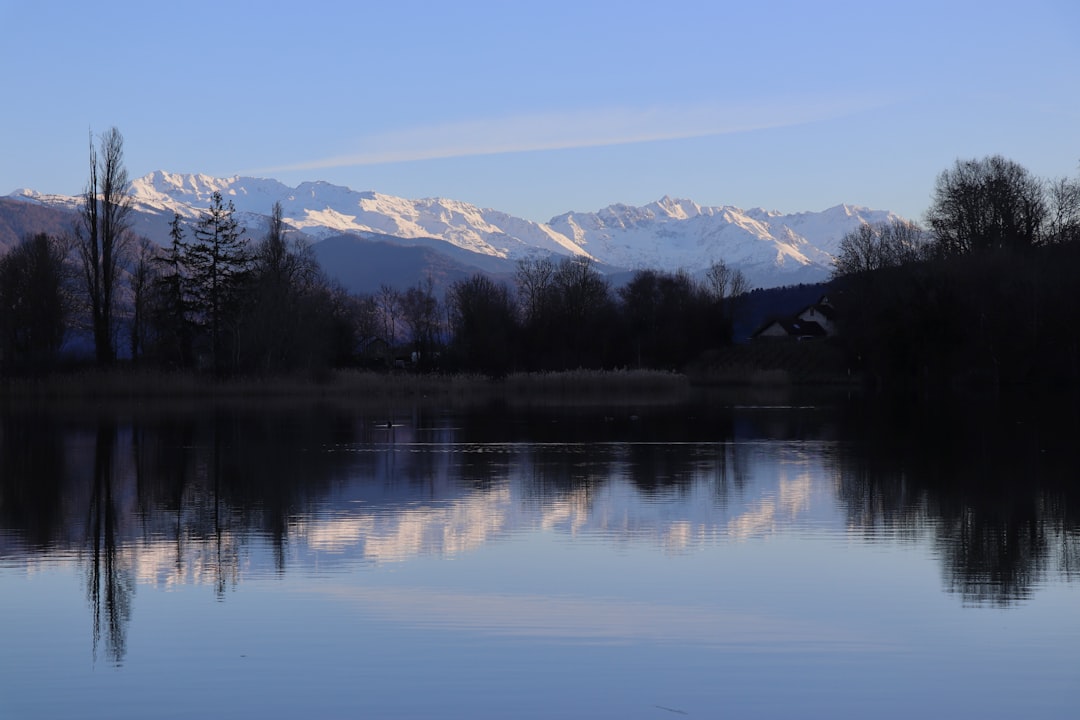
It sits at the western edge of Nagano Prefecture, the Japanese Alps visible from practically every intersection, and it functions perfectly as a two-day detour between Tokyo and Kyoto — or as a launchpad for the alpine valley of Kamikochi. Either way, you arrive for the castle and leave talking about the soba.
The Crow Castle
Matsumoto Castle is called Karasu-jo — Crow Castle — and the name makes sense the moment you see it. The keep is black. Not dark gray, not charcoal: a deep lacquered black that absorbs light and sits heavy against the water of the moat. Against the Alps behind it, the effect is striking and slightly ominous, which is more or less the point. This was built to intimidate.
What makes it worth more than a photo stop is what’s inside. The castle is one of Japan’s National Treasures, and unlike many reconstructions around the country, this one is original — the same wooden keep that went up in the late sixteenth century, with steep interior staircases worn smooth by four centuries of climbing feet. The top floor frames the mountains through narrow windows that once served as archer positions. On a clear day, the Northern Alps fill the frame entirely.
Admission is ¥1,200 with an e-ticket, and the castle opens at 8:30 AM. Go early. By mid-morning the narrow staircases back up, and the experience shifts from “atmospheric” to “crowded.”
Matsumoto Castle tour & soba noodle-making workshop
Kusama’s Hometown
The Matsumoto City Museum of Art sits about fifteen minutes on foot east of the station, and you’ll know you’ve found it before you read the sign. A cluster of giant tulip sculptures — red, yellow, spotted — erupts from the entrance plaza. They are enormous and strange and completely sincere, which is Kusama in three words.
Inside, the permanent collection traces her work from early childhood sketches through the infinity nets and pumpkins that made her one of the most recognized living artists in the world. The scale is modest compared to her dedicated museum in Tokyo, but the context is richer. This is where she grew up. The city hasn’t turned her into a theme park — there are no Kusama-branded cafés — but it has quietly claimed her. The polka-dot-wrapped public buses that run regular routes through town are the best example: a free, surreal, blink-and-you’ll-miss-it encounter that most visitors walk right past.
The museum gift shop is worth a dedicated browse. And the courtyard café is a good place to sit with a coffee and process the infinity rooms before heading back into town.
Soba, Sanzoku & Sakura Niku
Matsumoto’s food identity starts with soba. Nagano Prefecture produces some of Japan’s best buckwheat, and the cold mountain water here makes the noodles sing. You can eat excellent soba at a dozen shops within walking distance of the castle, but the better move is to make your own.
Soba Takagi has been in business for 138 years, and they offer hands-on workshops seven days a week. You roll, you cut, you boil, you eat — the whole cycle in about ninety minutes. It’s ¥3,600 per batch for up to three people, and the shop sits minutes from the castle moat. The soba comes with freshly grated wasabi, and it should — the world’s largest wasabi farm, Daio Wasabi, is just outside of town in Azumino.
Beyond the noodles, two dishes define local eating. Sanzokuyaki is Matsumoto’s fried chicken: garlic-heavy marinade, soy and ginger, fried until the crust goes rugged and shattering. It is not subtle and it is not trying to be. Basashi — raw horse meat, also called sakuraniku or “cherry blossom meat” for its pink color — is served sashimi-style with wasabi and ginger. It’s milder than you expect. Order it at any izakaya that posts a handwritten menu.
And don’t leave without trying oyaki — fist-sized buckwheat dumplings stuffed with nozawana greens or sweet red bean paste, sold from street stalls and convenience stores alike. They’re a three-dollar snack with a five-star batting average.
Book a soba noodle-making workshop in Matsumoto
Craft Beer in the Alps
Matsumoto has exactly two breweries, and both of them are good. Matsumoto Brewery opened in 2016 — the city’s first — and runs two taprooms. The smaller one is a counter-seating bar tucked into Nakamachi’s storehouse district, low-lit and excellent for a post-dinner pint. The second sits on the third floor of the Shinmai Media Garden with a terrace that overlooks the city. Their lagers are crisp and alpine-clean. The ales have more ambition.
Bacca Brewery is the newer, scrappier operation. The taproom is intimate — a handful of seats, the brewing gear visible behind the bar — and the beers rotate through experimental batches that lean into local ingredients. This is where you go when you want to talk to the brewer about what’s in the glass.
If you time it right, the annual Matsumoto Craft Beer Festival takes over the castle grounds every September. Local and regional breweries pour in the shadow of the black keep. It’s well-organized, well-attended, and the kind of event that makes you wonder why every castle town doesn’t do this.
Nakamachi After Dark
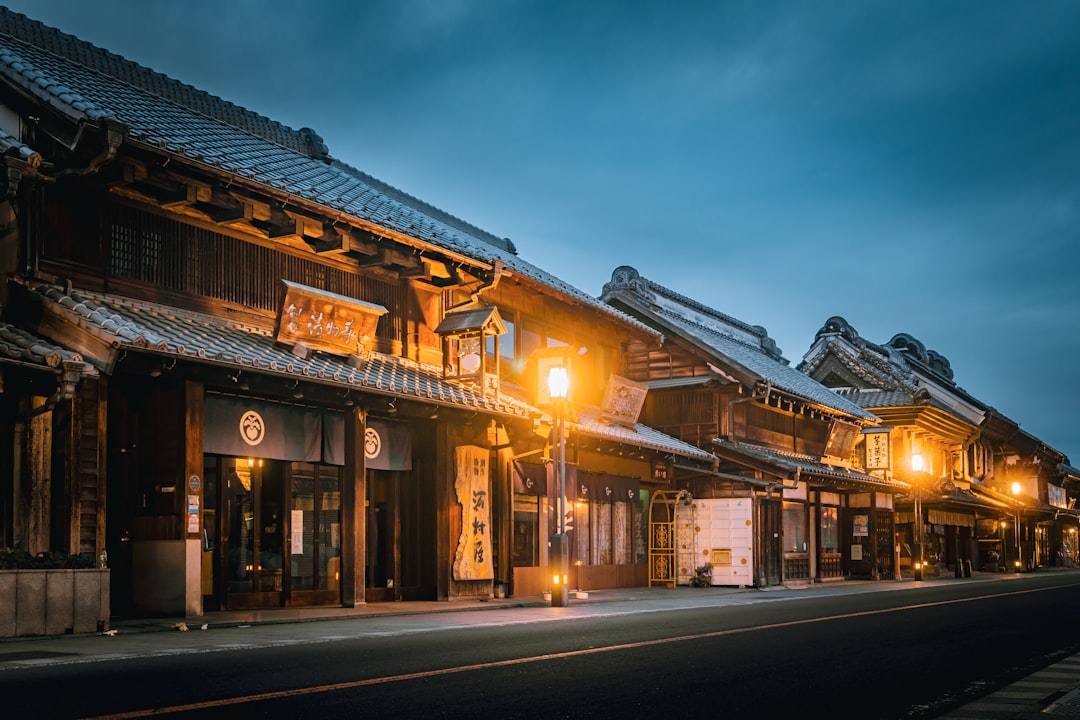
The old merchant streets of Nakamachi and Nawate are pleasant during the day and genuinely lovely once the tour buses leave. Nakamachi is the kura district — a row of black-and-white storehouses converted into cafés, galleries, and small shops selling lacquerware and textiles. The buildings date to the Meiji and Taisho eras, and the street has been restored without the self-conscious polish that ruins so many heritage lanes in Japan.
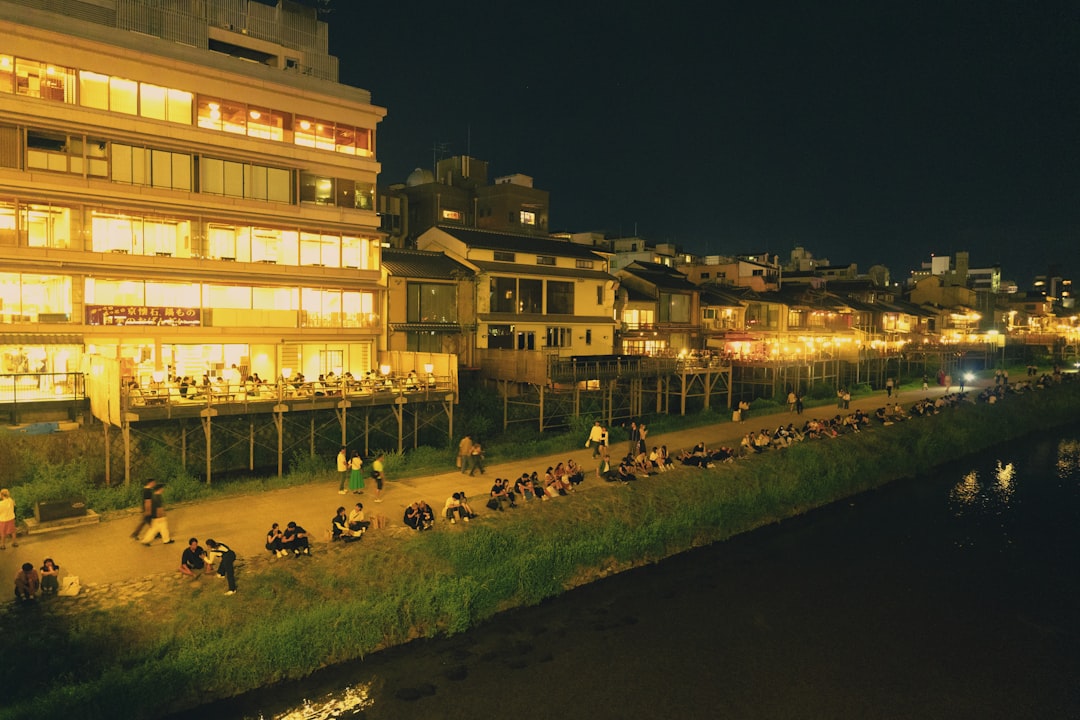
Nawate, running along the Metoba River, is lighter in tone — known locally as “Frog Street” for the stone frog statues that line the walkway and the small Frog Shrine at one end. The explanation for the frogs involves a local pun that doesn’t survive translation, but the street itself is charming in the way that only a genuinely weird local tradition can be.
This is also the best area for an evening walk. The lanterns come on, the castle is lit across the moat, and the pace of the city downshifts noticeably. Rent a mamachari — one of Japan’s upright city bikes — and link the castle, museum, old streets, and taprooms in a lazy afternoon circuit. Matsumoto is flat, compact, and made for two wheels.
Where to Sleep in a Castle Town
Matsumoto is small enough that location barely matters — you can walk across town in twenty minutes — but the character of your stay changes depending on which street you choose.
Nakamachi Street is the best address. Nunoya Ryokan sits right on the historic storehouse lane, a traditional inn with tatami rooms and a quiet atmosphere that puts you within a five-minute walk of the castle, the soba shops, and the Matsumoto Brewery taproom. It’s the kind of place where the experience of staying is part of the trip, not just logistics.
Browse ryokans on Nakamachi Street
If you’d rather save the atmosphere for the streets and sleep somewhere reliable, Hotel Buena Vista near the station is Matsumoto’s best-known mid-range option — clean, functional, and positioned for early-morning departures to Kamikochi. The Dormy Inn, also near the station, adds an onsen bath and a free late-night ramen service that is better than it has any right to be.
Browse hotels near Matsumoto Station
Into the Alps: The Kamikochi Day Trip
If you have a second day — and you should — Kamikochi earns it. This alpine valley sits at 1,500 meters in the Northern Alps, reachable only by bus (private cars are banned), and it looks like the opening shot of a film about a place too beautiful to be real. Turquoise rivers. Mountain ridges in every direction. Hiking trails that range from a flat, forty-minute loop to serious multi-day treks.
The bus from Matsumoto takes about ninety minutes. Go early, bring layers, and plan to hike at least the Taisho Pond to Kappa Bridge loop. The valley is open mid-April through mid-November, and the shoulder months — May or October — are best. Summer is peak season and the trails get crowded, though “crowded” in Kamikochi still means you can find solitude within twenty minutes of walking.
Kamikochi & Matsumoto Castle nature and heritage day tour
Plan Your Two Days
Day one: Castle at opening (beat the crowds), soba-making workshop late morning, lunch on your own noodles, Nakamachi and Nawate on foot or by bike through the afternoon, Matsumoto Brewery taproom at sunset, sanzokuyaki for dinner at a local izakaya.
Day two: Early bus to Kamikochi, hike the valley, return mid-afternoon. Matsumoto City Museum of Art to see the Kusamas, Bacca Brewery for a nightcap.
This itinerary runs comfortably without a car, without a tight schedule, and without missing anything essential. Matsumoto rewards that kind of pacing.
Plan Your Trip to Matsumoto
Best time to visit: May through mid-June or late September into October — mild temperatures, open alpine trails, and the castle grounds at their uncrowded best.
✈️ Getting There
Search flights to Tokyo on Skyscanner — then take the Limited Express Azusa from Shinjuku to Matsumoto (2.5 hours, covered by JR Pass).
🏨 Where to Stay
- Nunoya Ryokan on Nakamachi Street — traditional inn on the historic merchant street, walking distance to castle and soba shops
- Hotel Buena Vista near Matsumoto Station — reliable mid-range base for day trips to Kamikochi and the Alps
🎟️ What to Book in Advance
- Matsumoto Castle tour & soba noodle-making workshop
- Kamikochi & Matsumoto Castle nature and heritage day tour
- Browse more Matsumoto experiences on Viator
Some links in this post are affiliate links. If you book through them, CuriosityTrail earns a small commission at no extra cost to you. Recommendations are chosen on merit; commissions never decide what’s included.
Practical Notes
- Cash matters. Many soba shops, street stalls, and smaller izakayas are cash-only. ATMs in 7-Eleven and Japan Post accept international cards.
- IC cards work. Suica and Pasmo are accepted on local buses and at the station. Load one in Tokyo before you arrive.
- The Azusa fills up. Reserve your seat on the Limited Express from Shinjuku — especially on Friday afternoons heading out and Sunday evenings heading back. JR Pass holders still need a seat reservation.
- Kamikochi logistics. Buy your round-trip bus ticket at the Matsumoto Bus Terminal, adjacent to the station. First buses leave around 5:15 AM in peak season. Last return buses around 5 PM.