Visiting Querétaro, Mexico: A Complete Guide
Quick Essentials
- Best Time to Visit: October through April — dry season warmth, and October catches the wine harvest festivals along the Ruta del Vino y Queso.
- ✈️ Getting There: Search flights on Skyscanner | Direct from Dallas, Houston, and Mexico City (2.5-hour drive also works)
- Where to Stay: Browse Querétaro hotels on Booking.com
- ️ Don’t Miss: Art, Cheese and Wine Route on GetYourGuide
- Budget Range: $80–$180 USD per day for mid-range to splurge travel as a couple
San Miguel de Allende has been discovered. Thoroughly, repeatedly, and expensively discovered. The galleries have been written up in Condé Nast Traveler, the rooftop bars charge Mexico City prices, and finding a restaurant that doesn’t have an English-language menu takes genuine effort. Querétaro, two hours east and several tourist waves behind, still belongs to itself.
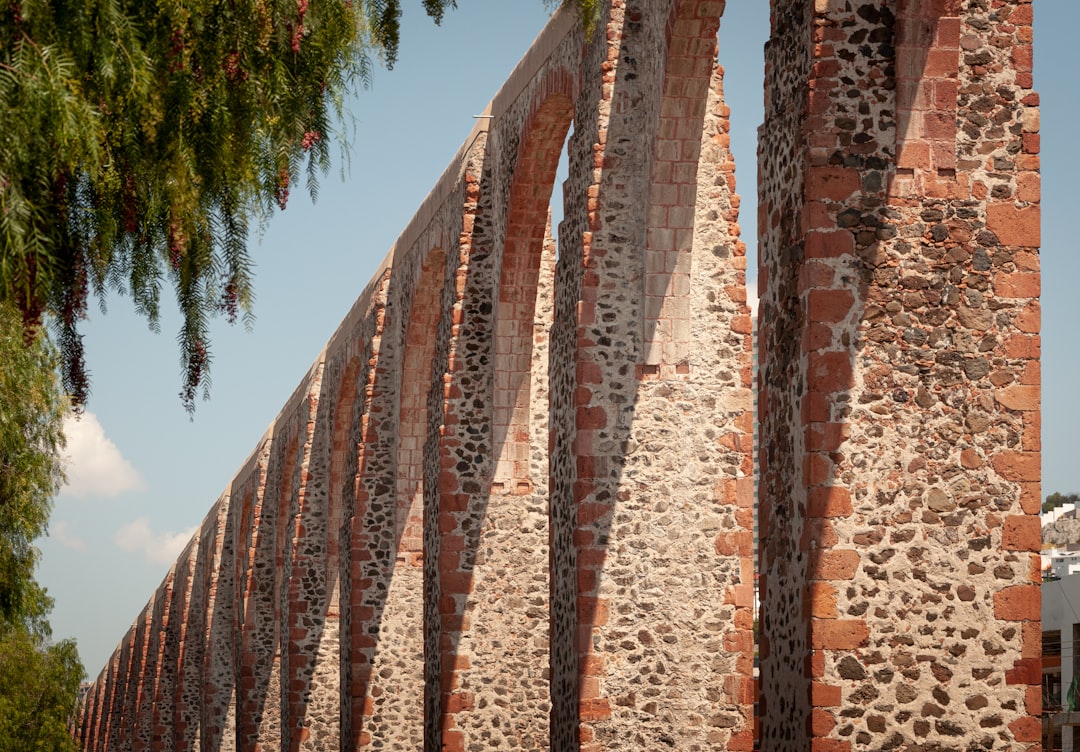
This is a city with the same UNESCO credentials, the same baroque churches, and the same cantera-stone plazas — except you can actually get a table at dinner without a reservation made three days ago. The aqueduct here has 74 arches and no one is trying to sell you a painting of it. The wine country spreading south toward Tequisquiapan is producing serious bottles, not souvenir vintages. And the prices? A boutique hotel room in a converted colonial mansion will cost you what a standard room costs in San Miguel.
Querétaro is also a working city, which means it has the infrastructure of a million-plus metro without the performance of being a tourist destination. That’s the thing I like about it most: it doesn’t need you. It’s busy being an industrial center and a university town and a wine region. You’re just welcome to come along.
Why Not San Miguel? Because Querétaro Is the Point
The comparison is unavoidable, so let’s get it out of the way. Both cities have UNESCO World Heritage historic centers built from the same pink volcanic cantera stone. Both have 16th-century plazas and baroque churches and excellent food. The difference is what happens after the guidebooks arrive.
San Miguel reinvented itself as an expat haven, then a destination wedding factory, then a design-magazine set piece. Querétaro just kept being Querétaro. The shops in the centro sell hardware and bread, not ceramics curated for the Airbnb decor crowd. The restaurants serve enchiladas queretanas to people who grew up eating them, not farm-to-table tasting menus designed to photograph well.
That’s not a criticism of San Miguel — it’s beautiful, and the art scene is real. But if you’ve already been, or if the idea of a colonial Mexican city that hasn’t been optimized for Instagram appeals to you, Querétaro is the better trip right now. Maybe the best trip in central Mexico that experienced travelers aren’t making.
The Centro Histórico on Foot
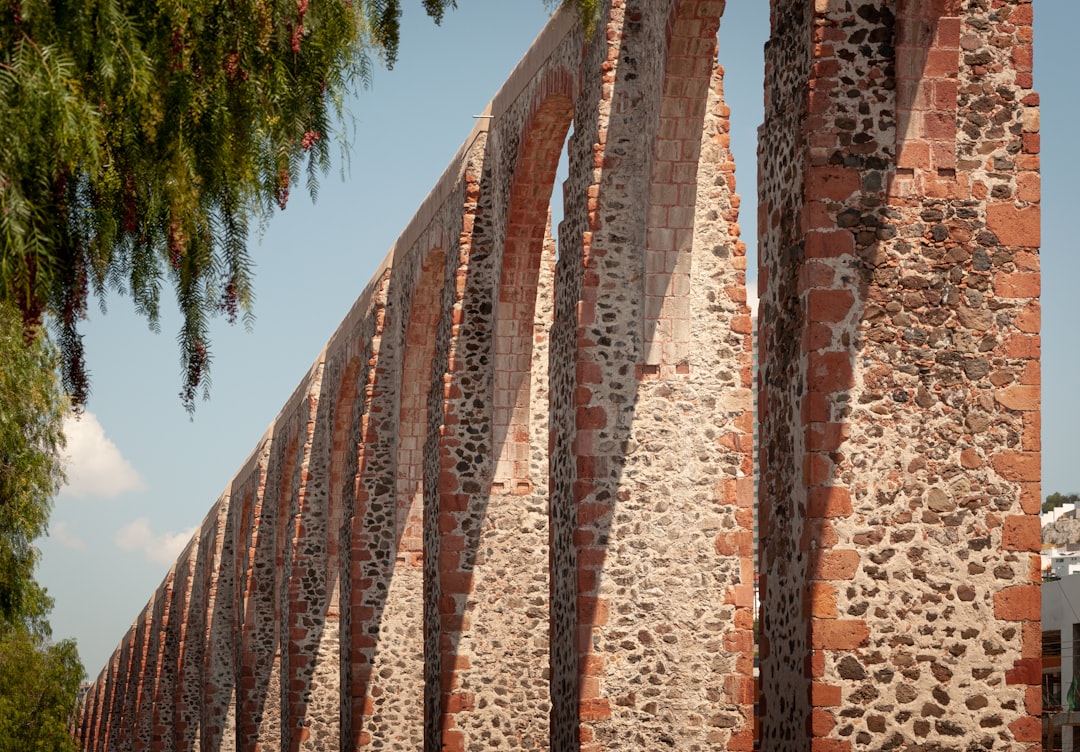
Start at the aqueduct, because you’ll end up there anyway. The 74 arches were built in the 18th century to bring water from distant springs, and they run right through the urban fabric in a way that’s almost casually monumental. Walk beneath them at golden hour when the cantera stone turns copper and the light falls through the arches in long columns. On a weekday evening, you’ll share it with joggers and couples on benches. Not tour groups.
From there, the centro unfolds in an easy walking grid. The Plaza de Armas is the civic anchor — go for the architecture, not the restaurants on the square. Jardín Zenea, a block away, is where the city actually hangs out: families, ice cream vendors, occasional live music under the bandstand. This is where you feel the rhythm of a city that hasn’t been staged for visitors.
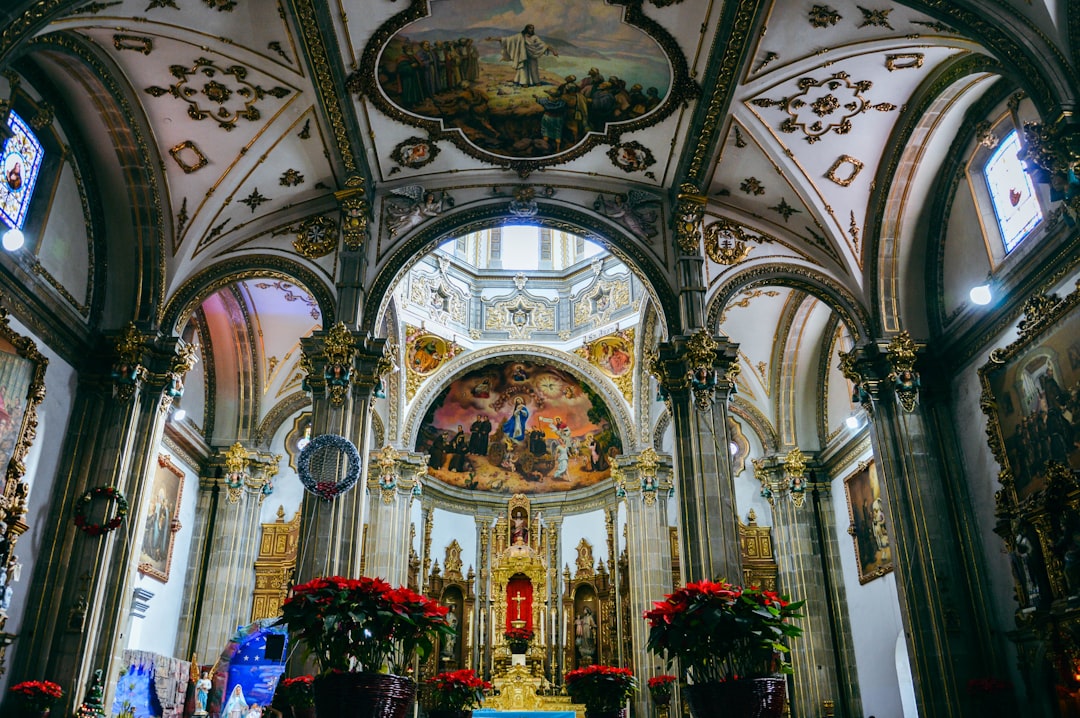
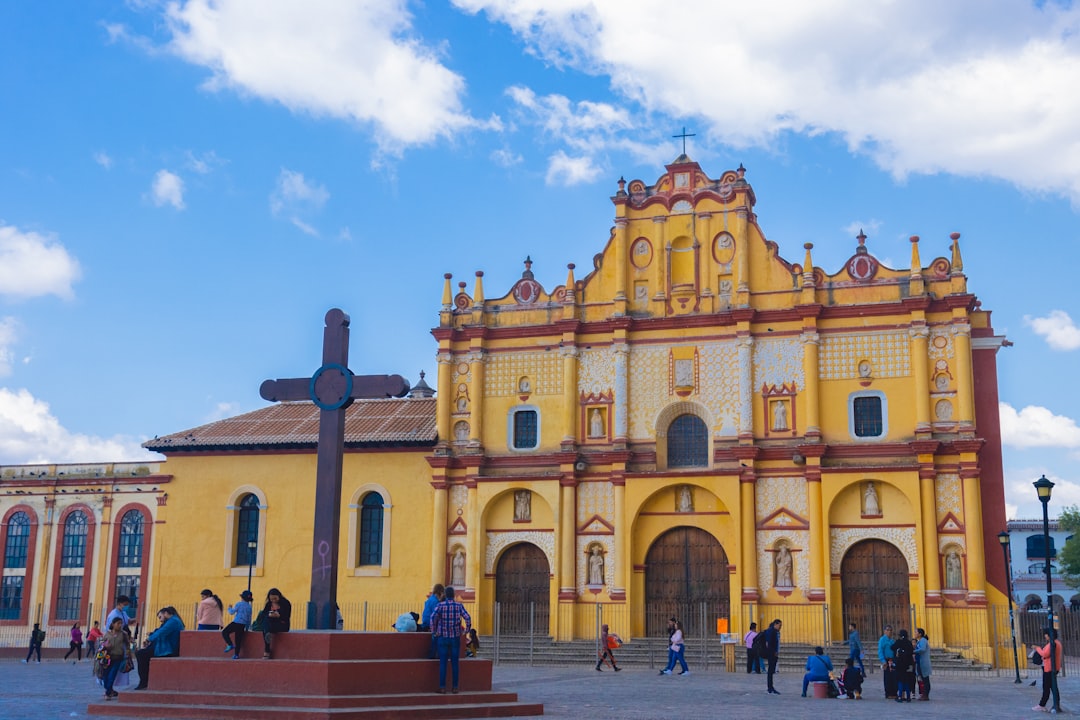
The real discovery is Santa Rosa de Viterbo. Most visitors beeline for the Templo de San Francisco and its decent museum, and that’s fine. But Santa Rosa, a few blocks further, is one of the most extravagant baroque churches in all of Mexico — the carved stone facade has a density and ecstasy that stops you mid-step. The interior is equally wild: gilded altarpieces and an organ loft that looks like it was designed by someone who’d never been told no. If you see one church in Querétaro, make it this one.
The Wine and Cheese Route Nobody Told You About
South of the city, the landscape opens into rolling semi-arid terrain dotted with vineyards, artisan cheese dairies, and the occasional hacienda turned tasting room. This is the Ruta del Vino y Queso, and it’s one of the most underrated food-and-drink corridors in North America.
The hub is Tequisquiapan, a Pueblo Mágico about an hour from the city. The town itself is charming — colonial center, weekly artisan market, hot springs — but it’s really a basecamp for the wineries scattered along dirt roads between Tequisquiapan, Ezequiel Montes, and Colón. The distances between stops can be 30–40 minutes on winding roads, so plan accordingly or book a guided route.
Freixenet’s Sala Vivé is the big name — they produce surprisingly good méthode champenoise sparkling wine at altitude, and the cellar tour is worth the stop. But the smaller operations are where the route gets interesting. These are family-run wineries making small-batch wines with organic and sustainable practices, often paired with artisan cheeses aged in cellars and caves on-site. You’ll taste things here that never leave the region.
If you have two days in Querétaro, give one to the wine route. Book the Art, Cheese and Wine Route day tour if you want a guide who knows which producers are open and which dirt roads lead somewhere.
Peña de Bernal and the Sacred Monolith
An hour northeast of the city, the world’s third-largest monolith rises 1,421 feet above a tiny Pueblo Mágico called Bernal. You’ll see it from the highway before you arrive — a single massive rock face jutting out of gentle hills, improbable and prehistoric-looking.
The hike to the base takes about an hour, with an elevation gain of nearly 1,300 feet. It’s a proper workout, not a stroll, and the views open up fast. If you want more, guided rock climbing and rappelling tours are available — about five hours and roughly $80 USD, no prior experience needed.
But Peña de Bernal is more than a hike. The Otomí-Chichimeca people consider the monolith sacred, and UNESCO declared it an Intangible Cultural Heritage site to protect their annual pilgrimage traditions. The spring equinox draws thousands for energy ceremonies at the base. Even on an ordinary Tuesday, the town has a ceremonial weight that a lot of Pueblo Mágico towns have traded for souvenir commerce.
After the hike, eat gorditas at the market stalls — thick corn pancakes stuffed with chicharrón or peppers and cheese. Then find a rooftop bar with a view of the monolith and order something cold. You’ve earned it.
Book the Peña de Bernal guided hiking experience for a climb with rappelling.
The Sierra Gorda’s Baroque Missions
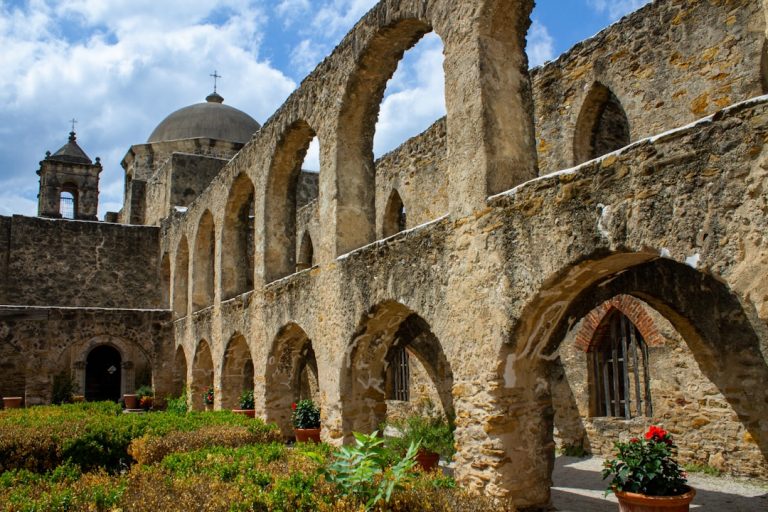
If you have a third day — and you should — drive north into the Sierra Gorda to see the five Franciscan missions built in the 18th century by Fray Junípero Serra. These are UNESCO World Heritage sites, and they are extraordinary.
What makes them unlike any other colonial churches in Mexico is the facade work. Local Chichimec craftsmen carved the stone, and they blended European baroque ornament with pre-Hispanic iconography: suns, corn cobs, peyote cactus symbols, and regional animals woven seamlessly into the Catholic imagery. The result is a fusion style that exists nowhere else — Gothic structure, Spanish baroque decoration, and indigenous cosmology all on the same wall.
The missions are spread across the sierra, and the roads are scenic but slow. A guided Sierra Gorda missions tour handles the logistics and adds context you’d miss on your own. But if you prefer to drive, the route itself is half the experience — cloud forest, river valleys, and roadside stands selling tamales.
The Table: Where to Eat and Drink in Querétaro
Enchiladas queretanas are the move. This is not the enchilada you know — it’s filled with potatoes, carrots, and meat, drenched in red sauce, and buried under crumbled cheese. Every restaurant in the centro has their version. Ask a local which is best and be prepared for an argument.
María y su Bici brings Oaxacan cuisine to Querétaro — stuffed chile pasilla and crispy tlayudas in a lively atmosphere. Josecho, open since 1981, is the establishment pick: Mexican culinary tradition with Spanish influences and the kind of service that remembers what you drank last time.
For something you won’t find in Mexico City, seek out a traditional pulquería serving fresh pulque — the ancestral fermented agave drink. The versions here are thick, tart, and nothing like the sanitized tourist versions elsewhere. It’s an acquired taste. Acquire it.
Budget note: dining out in Centro Querétaro averages roughly $10 USD per meal. Even the splurge options are remarkably affordable compared to San Miguel or CDMX.
Where to Stay in Querétaro
The Centro Histórico is the only choice that makes sense for a first visit. It’s compact, walkable, and packed with colonial buildings that have been converted into boutique hotels at prices that genuinely shock anyone familiar with San Miguel.
La Casa de la Marquesa is the splurge — a lavish 18th-century mansion conversion that would cost twice as much in a more discovered city. The interiors are ornate without being kitschy, and the location is steps from the Plaza de Armas. Check availability at La Casa de la Marquesa
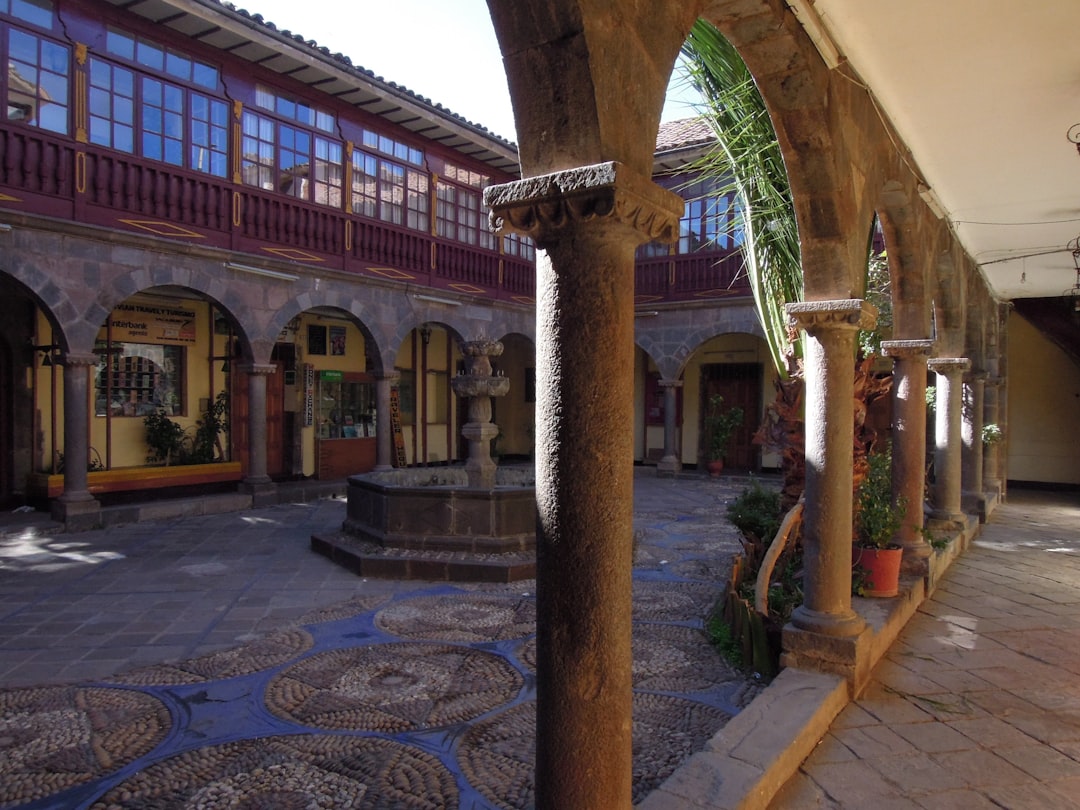
Hotel Criol is the mid-range pick that punches above its weight — modern-chic rooms arranged around a huge courtyard with a fountain, a lovely library, and a quiet side street location one block from Plaza de Armas. Check availability at Hotel Criol
For wine country access, base yourself in Tequisquiapan — the Pueblo Mágico hub of the Ruta del Vino y Queso. It has its own colonial charm, artisan markets, and hot springs. Browse Tequisquiapan hotels on Booking.com
The Practical Stuff
Getting there: Querétaro has its own airport (QRO) with direct flights from Dallas and Houston. Mexico City’s airport is 2.5 hours by car or bus — ETN runs comfortable first-class buses every hour. If you’re already in San Miguel, Querétaro is a 2-hour drive east.
How long: Two full days covers the centro and either the wine route or Peña de Bernal. Three days lets you do both, or swap one for the Sierra Gorda missions. Four days is the sweet spot for someone who doesn’t rush.
Getting around: The centro is entirely walkable. For the wine route, Peña de Bernal, and the Sierra Gorda, you’ll want a car or a guided tour. Uber works reliably in the city.
What to know: Querétaro is one of the safest large cities in Mexico. Cash is still preferred at market stalls and smaller restaurants, but cards work in the centro. Tipping is 10–15% at sit-down restaurants, same as the rest of Mexico.
Ready to Plan Your Trip to Querétaro?
You’ve done the reading. Here’s everything you need to make it happen.
️ What to Book in Advance
- Art, Cheese and Wine Route full-day tour
- Peña de Bernal guided hike with rappelling
- Browse more Querétaro experiences on Viator
Some links in this post are affiliate links. If you book through them, CuriosityTrail earns a small commission at no extra cost to you. Recommendations are chosen on merit; commissions never decide what’s included.