San Antonio Beyond the River Walk: Tejano Food, Missions, and the Real Alamo City
Quick Essentials
- 📍 Best Time to Visit: October through early December — the summer heat finally relents and the city opens up for walking. Spring works too if you time it around Fiesta in mid-April.
- ✈️ Flights:
Search flights to San Antonio on Skyscanner | Direct from Dallas, Houston, Chicago, LA, and most major US hubs - 🏨 Hotels:
Browse hotels in San Antonio | Southtown and the Pearl District — our picks below - 🎟️ Top Experience:
UNESCO World Heritage Missions Tour — five Spanish colonial missions most visitors reduce to just the Alamo - 🚗 Car Rental:
Compare rental cars in San Antonio - 💰 Budget Range: $150–$300 per day for comfortable mid-range to boutique stays, good meals, and a few bookable experiences
The City Behind the Postcard
Here’s the thing about San Antonio: everyone’s been to the River Walk. They’ve had a margarita at a table six inches from the water, watched the barges glide past, and checked the Alamo off their list. And that’s fine. The River Walk is pleasant in the way that pleasant things are — engineered for comfort, reliably photogenic, nobody leaves angry.
But San Antonio isn’t really the River Walk. The city’s actual identity lives about fifteen minutes in any direction from that tourist corridor, in neighborhoods where Tejano culture has been shaping the food, the music, and the architecture for three centuries. The West Side, where puffy tacos were invented in the 1970s. Market Square, where chili queens served spicy beef stew from open-air stands in the 1800s. The five Spanish colonial missions stretched along the river, four of which most visitors have never heard of despite the lot of them being a UNESCO World Heritage Site.
This is a guide for the second visit. Or the first visit done properly.
When the Heat Breaks: Timing Your Visit
I’ll be direct: do not visit San Antonio in July or August unless you genuinely enjoy 100°F heat at 9am. The city becomes an endurance test, and even locals retreat indoors.
October through early December is the window. Temperatures settle into the mid-70s, the brutal humidity backs off, and the missions and neighborhoods become walkable again. Día de los Muertos celebrations in late October and early November bring altars, processions, and performances to La Villita and sites across the city — a genuinely moving few days if you catch them.
Spring has one massive draw: Fiesta San Antonio, an 11-day celebration in mid-April that’s been running since 1891. Over 100 events, including the Battle of Flowers Parade and the Fiesta Flambeau night parade. It’s loud, crowded, and entirely worth it. In 2026, Fiesta runs April 16–26. If you’re in Texas anyway, rearrange your plans.
The other spring event worth knowing is the Tejano Conjunto Festival in May at Rosedale Park — a multi-day, free-admission celebration of conjunto music that draws almost entirely local crowds. If the angle of this post appeals to you, that festival is the real thing.
Southtown, the Pearl, and Where to Actually Sleep
Most first-time visitors default to a River Walk hotel, and I understand the logic. But if you want to experience the San Antonio this post is about, stay in Southtown or the Pearl District instead.
Southtown and King William sit just south of downtown in a historic Victorian-era neighborhood that feels like it belongs to a different city entirely. Independent restaurants, art galleries, micro-distilleries, and a Saturday morning vibe that rewards slow walking. You’re ten minutes on foot from the River Walk but embedded in something with actual character. The neighborhood tells a story — German immigrants built these grand houses in the late 1800s, and the creative community that moved in decades later kept the architecture and added its own layer. → boutique hotels in Southtown
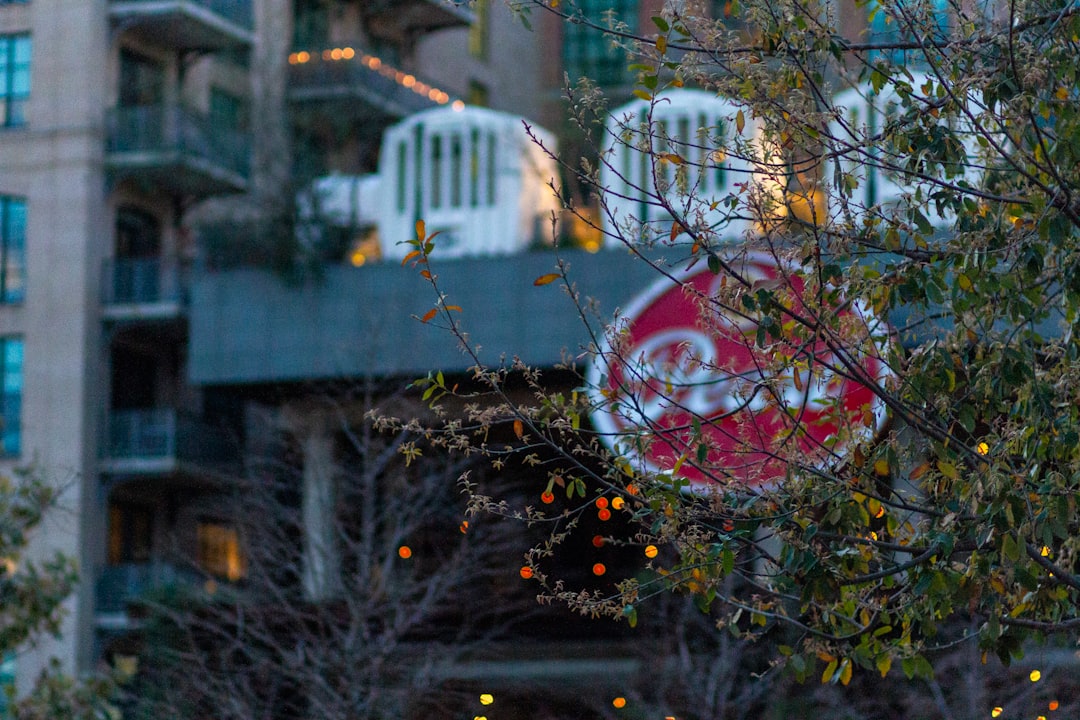
The Pearl District is the other strong option. A former brewery complex reimagined as San Antonio’s trendiest food and shopping destination, anchored by Hotel Emma — set inside the original Pearl Brewery building with enormous warehouse windows, original industrial details, and the kind of character that can’t be replicated by a design firm starting from scratch. It’s a splurge, but a justified one. The weekend farmers market here is one of the best in Texas. → Hotel Emma at the Pearl
For River Walk proximity without the tourist density, Hotel Havana occupies a quieter stretch with retro-chic rooms and a popular bar. It manages to feel like a discovery rather than a booking. → Hotel Havana on the River Walk
Five Missions and Eight Miles: The UNESCO Trail Most Tourists Skip
The Alamo gets three million visitors a year. Mission San José, four miles south, gets a fraction of that. The four other missions — Concepción, San Juan, Espada, and the aqueduct system connecting them — are even quieter. Together, all five form the San Antonio Missions UNESCO World Heritage Site, Texas’s first and only, designated in 2015.
Here’s what most visitors don’t know: the Mission Reach trail connects four of these missions along an eight-mile extension of the River Walk, running south from downtown along the San Antonio River. Rent bikes and ride the full stretch. It’s flat, scenic, and the missions are spaced perfectly for stops. You’ll pass through riparian landscapes and indigenous plantings that the city restored specifically to recall what the river valley looked like when the Franciscans arrived in the 1700s.
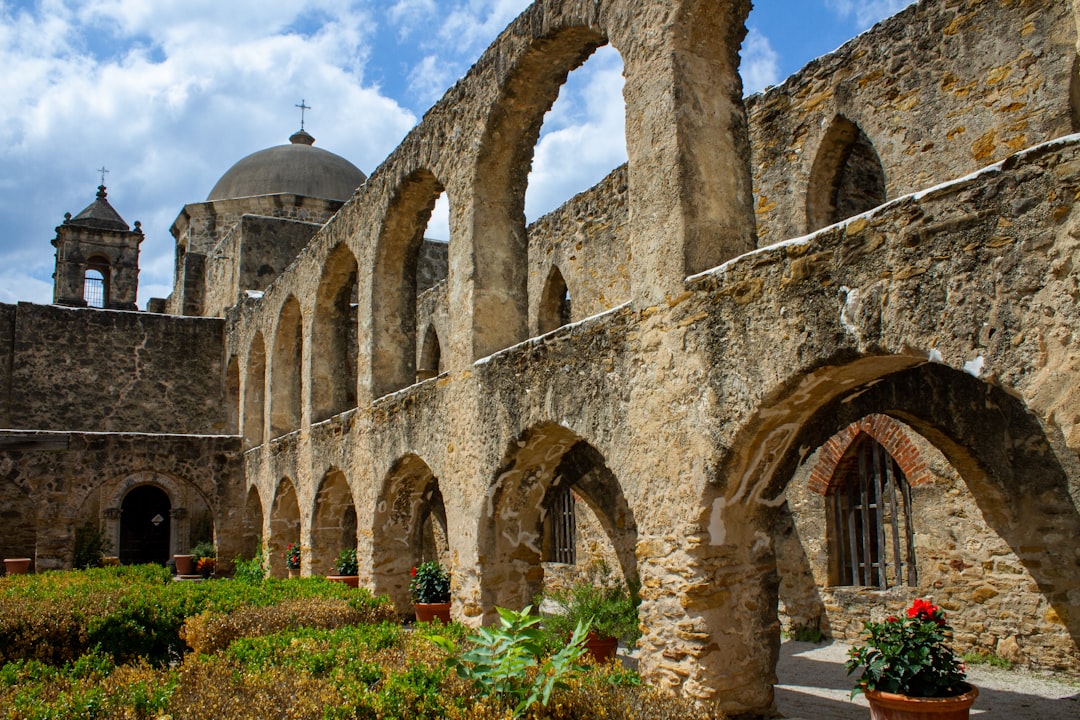
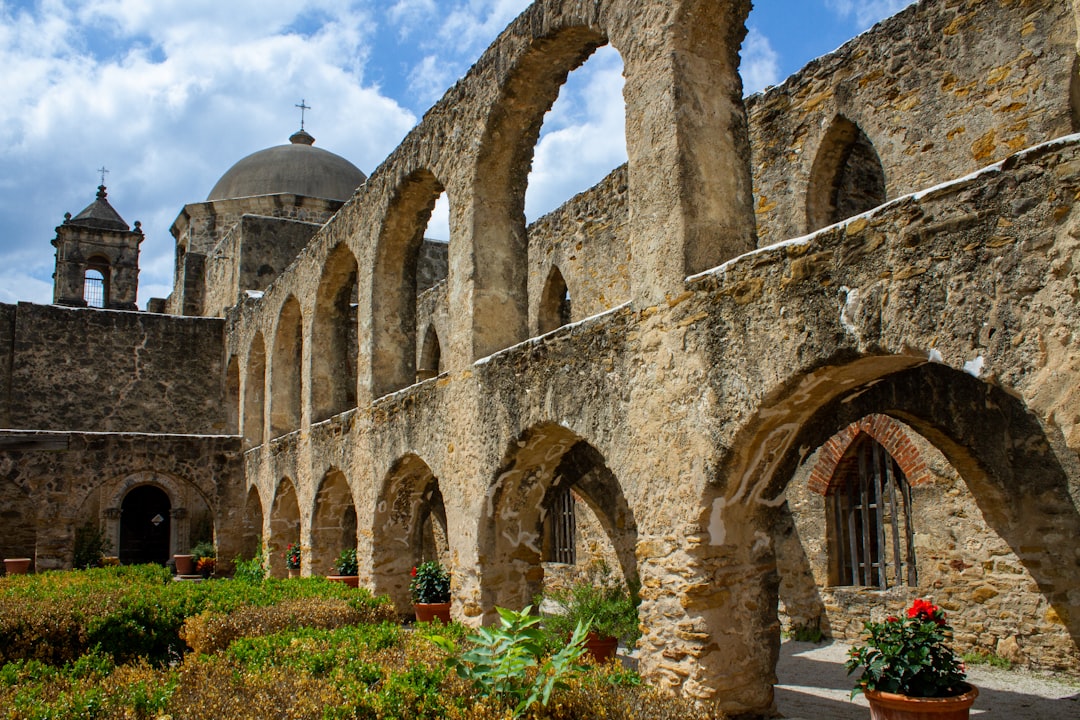
The missions themselves are remarkable — not ruins, but active parish churches where services are still held. Mission San José is the largest and most architecturally striking, with its famous Rose Window. Mission Espada, the southernmost, sits beside an aqueduct that’s been carrying water since 1740. The decorative elements throughout blend Catholic iconography with indigenous Coahuiltecan designs — a visual record of cultural exchange that’s more complex than any single plaque can convey.
A guided tour adds context that self-guided visits miss, particularly the agricultural and water engineering systems that made these communities function. → UNESCO World Heritage Missions Tour
The West Side Table: Puffy Tacos, Barbacoa Sundays, and Late-Night Taquitos
San Antonio’s food scene is the reason to extend your trip by a day. Not the River Walk restaurants — those are fine in the way hotel restaurants everywhere are fine — but the taquerias and institutions scattered across the West Side and South Side that have been feeding this city for generations.
The puffy taco is San Antonio’s signature creation, invented on the West Side in the 1970s. The shell is made from masa dropped into hot oil until it puffs into a golden, irregular cloud — crispy outside, tender within. Ray’s Drive Inn and Henry’s Puffy Tacos are the pilgrimage sites. You don’t need to choose. Go to both.
Sunday morning barbacoa is a cultural institution, not just a meal. Slow-cooked beef cheeks wrapped in fresh tortillas, washed down with Big Red soda — a combination that makes no logical sense and perfect emotional sense. Find it at nearly any West Side taqueria early on a Sunday. You’ll be surrounded by families who’ve been doing this for decades.
El Pastor Es Mi Señor has earned recognition from Texas Monthly and Bon Appétit for siblings Brenda and Alex Sarmiento’s tacos al pastor. The meat is exceptional, but the real draw is eating somewhere that exists entirely because the people making the food care deeply about one specific thing.
For late nights, Taquitos West Ave serves mini tacos — suadero, bistec, tripas, cabeza, lengua — on nixtamalized-corn tortillas from the San Antonio Colonial Tortilla Factory. No frills, no pretense, open late, and precisely the kind of place you’ll return to on your second night.
On the South Side, Carnitas Lonja is Chef Alejandro Paredes’s slow-cooked pork operation. Paredes is from Morelia, Mexico, and his carnitas are seasoned and cooked with the patience of someone who considers shortcuts a moral failing. The menu is small. Everything on it is right.
And if you want the historical anchor: cheese enchiladas with chili gravy are a purely Texan dish, created by Tejano cooks across the 19th and 20th centuries. Mi Tierra in Market Square is the classic spot — open 24 hours, covered in Christmas lights year-round, and as San Antonio as it gets.
Market Square and the Chili Queens
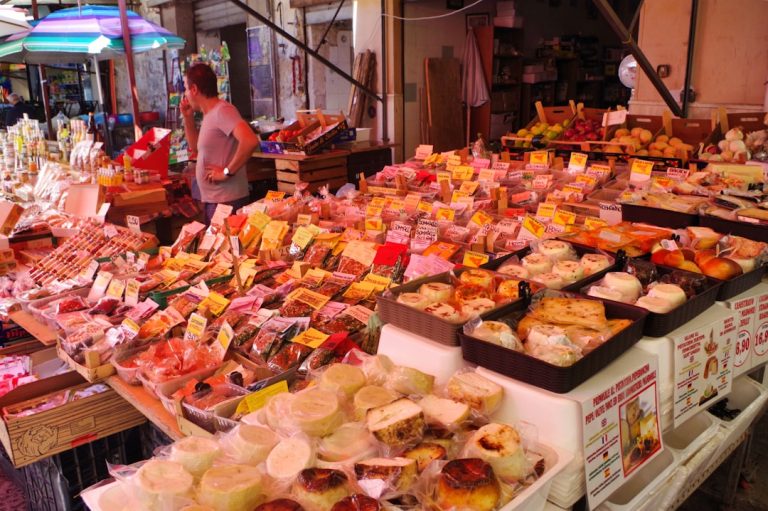
Historic Market Square — El Mercado — is the largest Mexican market in the United States, and it’s been a gathering place for Tejano communities since the 1800s. More than 100 locally owned businesses fill a three-block outdoor plaza with crafts, food, and the particular energy of a market that exists for its community first and tourists second.
The history here runs deeper than the shopping. In the 19th century, the “chili queens” of San Antonio set up open-air stands around the plazas and served steaming bowls of chili con carne — spicy beef stew that would eventually become Texas’s state dish. The chili queens were Tejano women who turned street food into a culinary tradition that shaped American cooking. The city shut down the stands in the 1930s over health regulations, but their legacy is everywhere in San Antonio’s food culture.
Walk through on a weekend morning. Have breakfast at Mi Tierra. Browse without a plan. The market isn’t a destination you optimize — it’s a place you absorb.
Getting Out: Texas Hill Country from San Antonio
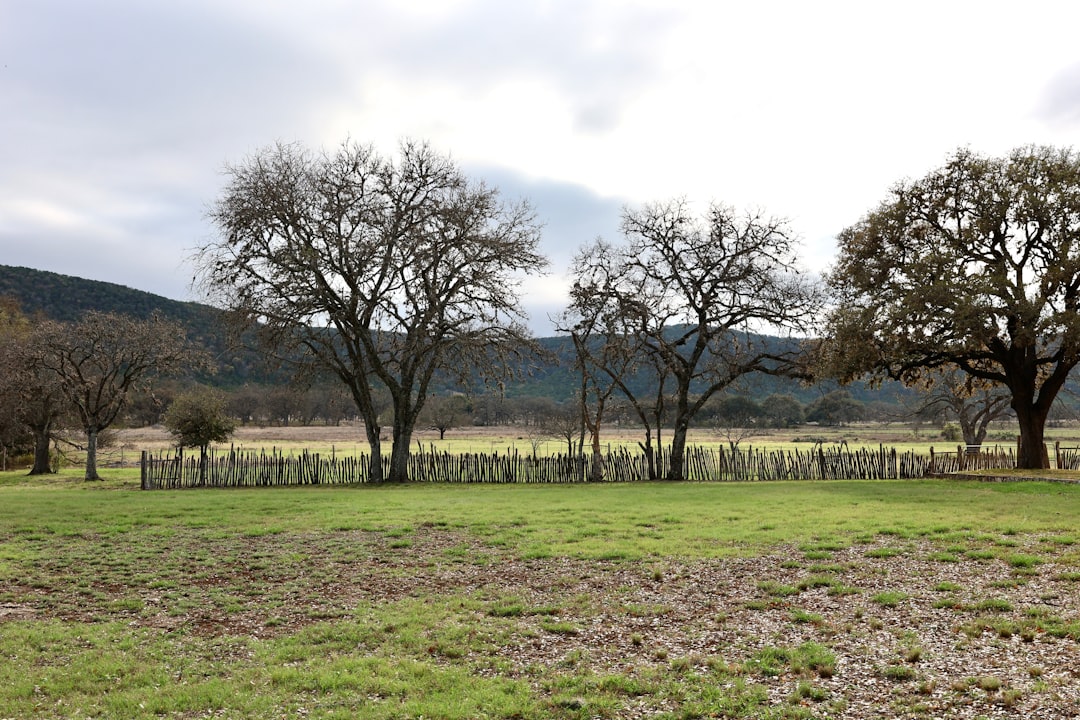
San Antonio sits at the southern edge of the Texas Hill Country, and a day trip into the rolling limestone landscape is worth the drive. The wine region around Fredericksburg — about 90 minutes northwest — has matured into something genuinely interesting, with Texas-grown Tempranillo and Viognier that surprise skeptics.
The LBJ Ranch near Stonewall, now a national historical park, offers a window into both the 36th president’s life and the German-Texan heritage of the Hill Country. A guided tour covers both efficiently and adds historical context that driving yourself doesn’t. → Texas Hill Country and LBJ Ranch day trip
Plan Your Trip to San Antonio
Best time to visit: October through early December — the heat breaks, the missions are walkable, and Día de los Muertos brings the city to life. Spring is the alternative if you can time Fiesta San Antonio in mid-April.
✈️ Getting There
Search flights to San Antonio on Skyscanner
🏨 Where to Stay
- Boutique hotels in Southtown — Historic Victorian neighborhood with independent restaurants, galleries, and walkable character
- Hotel Emma at the Pearl — Converted brewery with original industrial details, weekend farmers market on your doorstep
🎟️ What to Book in Advance
- UNESCO World Heritage Missions Tour
- San Antonio Food Walking Tour
- Texas Hill Country & LBJ Ranch Day Trip
Some links in this post are affiliate links. If you book through them,
CuriosityTrail earns a small commission at no extra cost to you.
Recommendations are chosen on merit; commissions never decide what’s included.