Visiting San Diego, California: A Complete Guide
Quick Essentials
- 📍 Best Time to Visit: September through November — the marine layer burns off, the summer crowds vanish, and temperatures hold steady in the low 70s without a single miserable afternoon.
- ✈️ Flights:
Search flights to San Diego | Direct from most major US hubs - 🏨 Hotels:
Browse hotels in San Diego | Little Italy for walkability, La Jolla for coast, North Park for locals’ character - 🎟️ Top Experience:
Sunset sail from San Diego Harbor - 🚗 Car Rental:
Compare rental cars in San Diego - 💰 Budget Range: $150–$300 per day for a couple traveling comfortably — mid-range hotels, good restaurants, one or two booked experiences
San Diego Doesn’t Need Your Pity Visit
There’s a certain kind of traveler who treats San Diego as a layover with a beach. A quick stop before Baja, a conference town with decent weather, a place you “should get to eventually.” That’s a mistake, and a common one.
The weather is the headline, and it deserves to be. San Diego averages around 70 degrees year-round with roughly 266 sunny days a year — the kind of consistency that makes meteorologists sound like they’re reading the same script every morning. But reducing the city to its climate is like saying Paris is nice because it has good bread. True, but you’re missing the point entirely.
What stands out is the depth. The food scene pulls as much from Tijuana as it does from California farm country, and the result is something you can’t replicate anywhere else in the US. The neighborhoods have genuine character — not the manufactured kind where a developer names a district and hopes a personality follows. And the coast isn’t one thing: it’s tide pools and sea caves and sandstone bluffs and research-grade surf breaks, all within twenty minutes of each other.
If you’ve been putting San Diego in the “someday” category, stop. It’s better than you think, and it’s better right now.
The Weather Trick: When to Actually Go
The honest answer is almost any time, but “almost” is doing real work in that sentence.
May and June bring what locals call “May Gray” and “June Gloom” — a persistent marine layer that keeps mornings overcast and cool until early afternoon. It burns off most days, but if you’ve flown across the country expecting instant sunshine, the grey blanket at 10am can feel like a betrayal. Summer is reliable but crowded and more expensive. Hotel rates in the Gaslamp climb 30–40% between June and August, and every rooftop bar has a queue.
The sweet spot is September through November. The marine layer is gone, the summer tourists have left, and the city settles into its best version of itself. Temperatures in the low-to-mid 70s, hotel rates drop noticeably, and you can get a table at good restaurants without planning three days ahead. Fall in San Diego doesn’t look like fall — there’s no foliage, no crisp air — but it feels like the city exhaling.
Winter has its own argument. January through March is prime gray whale migration season, with over 20,000 California gray whales passing the San Diego coast. Whale watching tours run daily from Point Loma and Mission Bay, and a good captain will get you close enough to hear the exhale. Morning temperatures dip into the high 50s, which barely qualifies as cold but does mean packing a proper jacket.
Where to Sleep Without Overpaying
San Diego’s hotel market has a trick that works in your favor: the best neighborhoods aren’t always the most expensive ones.
Little Italy and the edges of Downtown are where I’d steer most travelers. The restaurant density is extraordinary — Bencotto for handmade pasta, Juniper & Ivy for something more inventive, and a half-dozen coffee spots that take their craft seriously. The Guild Hotel and Porto Vista Hotel both have genuine character without charging La Jolla prices. Walk south of the tourist center along Harbor Drive and rates drop further still — surprisingly good value for what you get, which is a ten-minute walk to the waterfront and the Midway Museum.
→ Boutique hotels in Little Italy, San Diego
La Jolla is the splurge. La Valencia Hotel sits pink-walled and cliffside above La Jolla Cove, the kind of place where the views alone justify the rate. The Lodge at Torrey Pines takes a quieter approach — tucked against the state reserve, built in Craftsman style, with a golf course that regularly appears on best-in-California lists. This isn’t the neighborhood for nightlife. It’s the neighborhood for waking up to the sound of waves and eating well.
→ Hotels in La Jolla, San Diego
North Park is the locals’ pick, and it’s where I’d stay on a return trip. The brewery scene is walkable — Modern Times, North Park Beer Co., and a rotating cast of newcomers — and the restaurant quality has crept up dramatically in the last few years. It’s not a tourist neighborhood, which is precisely the appeal.
→ Hotels in North Park, San Diego
Beyond the Zoo: What Experienced Travelers Actually Do Here
I’ll say it plainly: the San Diego Zoo is excellent. If you haven’t been, go. But if you have, or if zoos aren’t your thing, the city has far more to offer than most guides suggest.
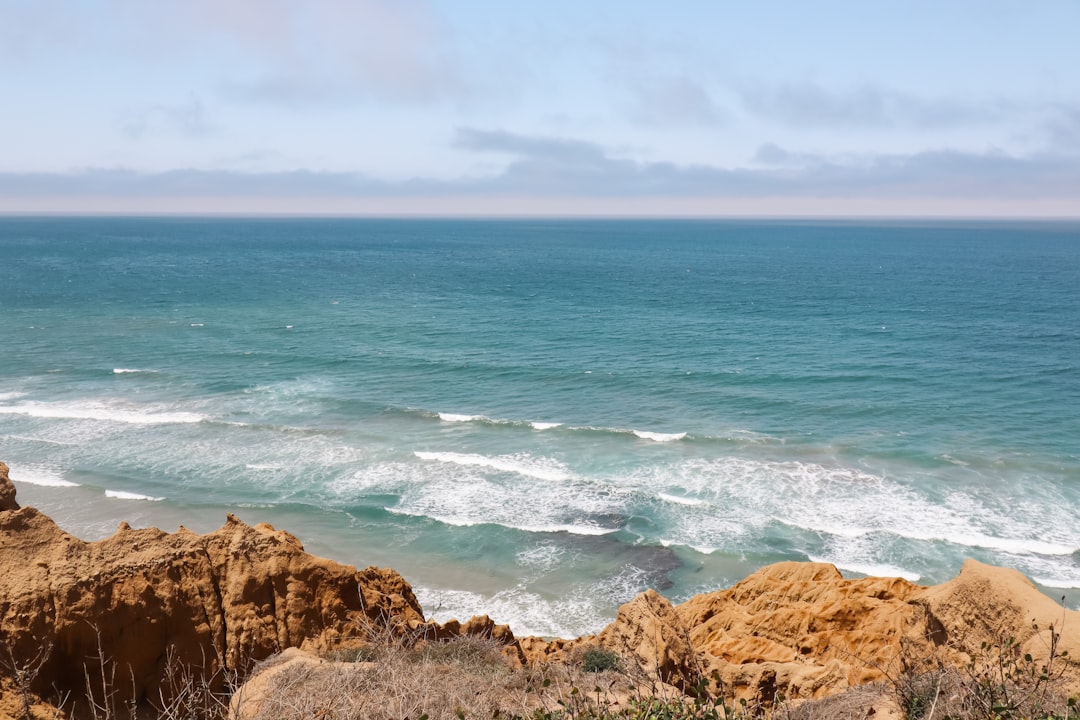
Torrey Pines State Reserve is the hike. Not the hardest, not the longest, but the one that delivers the most per step. The Guy Fleming Trail runs along sandstone bluffs high above the Pacific, and on a clear morning you can see all the way to the La Jolla sea caves. Go early on a weekday and you’ll have stretches of trail to yourself.
→ Torrey Pines guided nature hike
Cabrillo National Monument at the tip of Point Loma is the view most visitors never see. It’s the best panoramic vantage in the city — downtown skyline, Coronado, the harbor, Mexico on the horizon — and the tide pools at the base are remarkable at low tide. Budget two hours minimum. The drive out along the peninsula is part of the experience.
La Jolla sea cave kayaking puts you on the water in a way that a harbor cruise doesn’t. The caves are only accessible by kayak or swimming, and the small-group tours keep it from feeling like an amusement ride. In summer, you’ll see leopard sharks in the shallows — harmless and beautiful.
→ La Jolla sea cave kayak tour
Barrio Logan and Chicano Park are what I’d call essential. The murals painted on the pillars beneath the Coronado Bridge are one of the most significant collections of Chicano art in the country — vivid, political, layered with decades of community history. Pair the visit with a walk through the neighborhood food scene. Border X Brewing and Por Vida are worth finding.
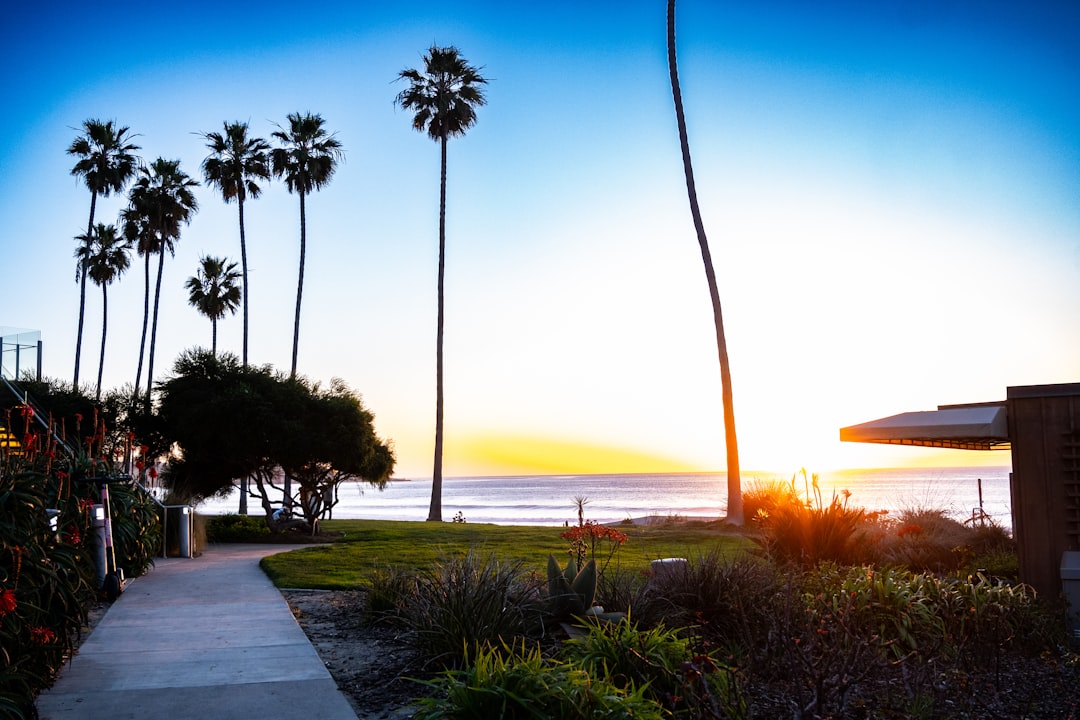
Sunset Cliffs Natural Park is where locals go for the obvious reason: the sunsets are extraordinary. No entrance fee, no infrastructure to speak of, just sandstone cliffs dropping into the Pacific. Weekday evenings are quiet enough that you’ll wonder why this isn’t in every guidebook. It is now.
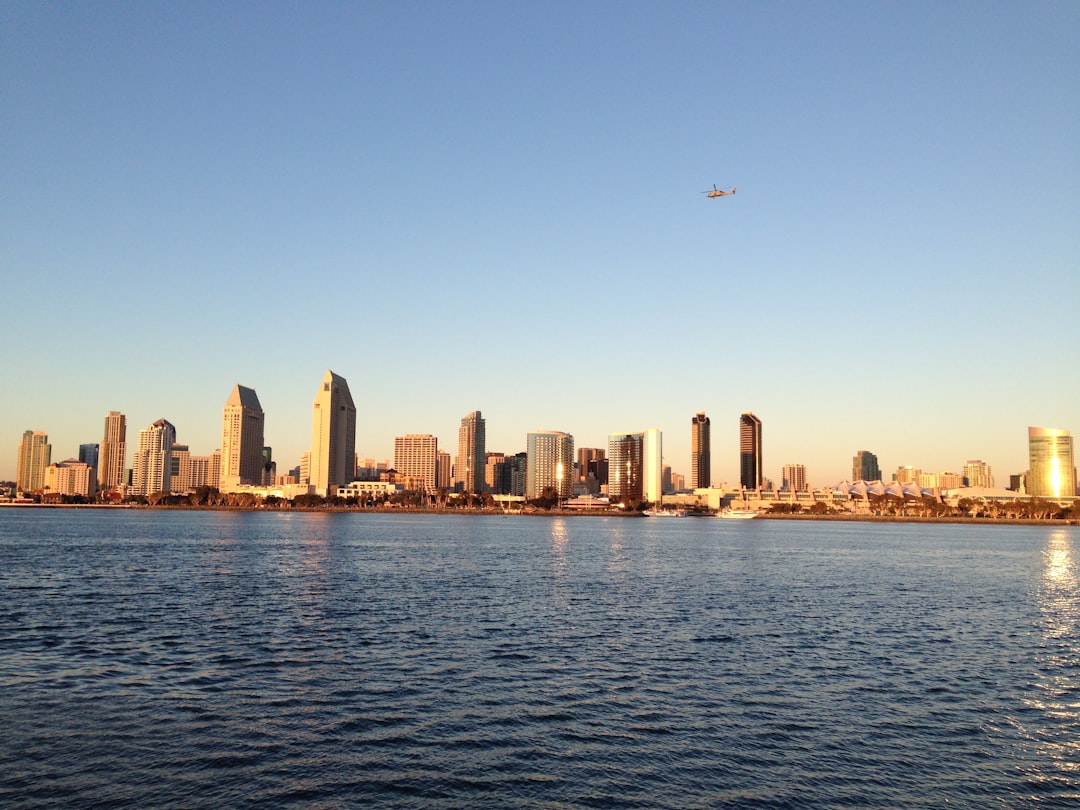
A sunset sail from San Diego Harbor is worth the price. Group boat outings aren’t for everyone, but watching the downtown skyline go golden from the water, with the Coronado Bridge framing the whole scene, is hard to argue with.
→ Sunset sail from San Diego Harbor
The Table: Eating Your Way Through San Diego
San Diego’s food story is a border story. Tijuana is seventeen miles south, and the influence runs through everything — not as a theme, but as a foundation.
Baja-style fish tacos are the city’s defining dish. Beer-battered white fish, shredded cabbage, a stripe of crema, lime. Simple, specific, and impossibly good when done right. Oscar’s Mexican Seafood in North Park and Tacos El Gordo in National City both get it right. Don’t overthink the choice — the quality floor here is remarkably high.
The California burrito is the one that raises eyebrows. Carne asada, cheese, guacamole, sour cream, and french fries, rolled in a flour tortilla. It sounds like a dare. It isn’t. It’s San Diego’s most distinctive contribution to the American food landscape, and Lolita’s Mexican Food has been doing it better than most for decades.
The Convoy District in Kearny Mesa is the city’s best-kept food secret, and it’s barely a secret anymore. A mile-long stretch of Convoy Street packed with authentic Chinese, Korean, Japanese, and Vietnamese restaurants. Menya Ultra for ramen that rivals what you’d find in Tokyo’s train stations. Shan Xi Magic Kitchen for hand-pulled noodles made in front of you. This is where San Diego’s food scene shows its range.
Craft beer in San Diego isn’t a trend — it’s an identity. The city has over 150 breweries, and the concentration of quality is genuinely staggering. Modern Times, Societe Brewing, and AleSmith are the names to know, but the discovery is half the fun. North Park is the best neighborhood for a brewery walk: five or six within a fifteen-minute stroll, no car needed.
Carne asada fries deserve a mention as a late-night institution. Loaded fries with grilled steak, guacamole, sour cream, and melted cheese. Not subtle. Not trying to be. Find them at nearly any taco shop after 10pm.
Plan Your Trip to San Diego
Best time to visit: September through November — clear skies, low 70s, and hotel rates 25–35% below summer peak.
✈️ Getting There
Search flights to San Diego on Skyscanner
🏨 Where to Stay
- Boutique hotels in Little Italy — Walkable, restaurant-dense, and priced below the Gaslamp Quarter
- Hotels in La Jolla — Cliffside luxury with ocean views and Torrey Pines access
🎟️ What to Book in Advance
📦 Pack Right
Reef-safe sunscreen — San Diego’s beaches and tide pools are protected, and reef-safe is the right call.
Some links in this post are affiliate links. If you book through them,
CuriosityTrail earns a small commission at no extra cost to you.
Recommendations are chosen on merit; commissions never decide what’s included.