Why Nantes Is the Most Creative City in France You Haven’t Visited Yet
Quick Essentials
- ✈️ Flights:
Search flights to Nantes
- 🏨 Hotels:
Browse hotels in Nantes
- 🎟️ Top Experience:
Les Machines de l’île — Ride the Grand Elephant
- 🚗 Car Rental:
Compare rental cars in Nantes
The City That Rebuilt Itself in Imagination
Nantes doesn’t try to sell you on being charming. It doesn’t need to. The city has done something more interesting than preserving itself in amber — it gutted its own industrial past and turned the wreckage into a playground.
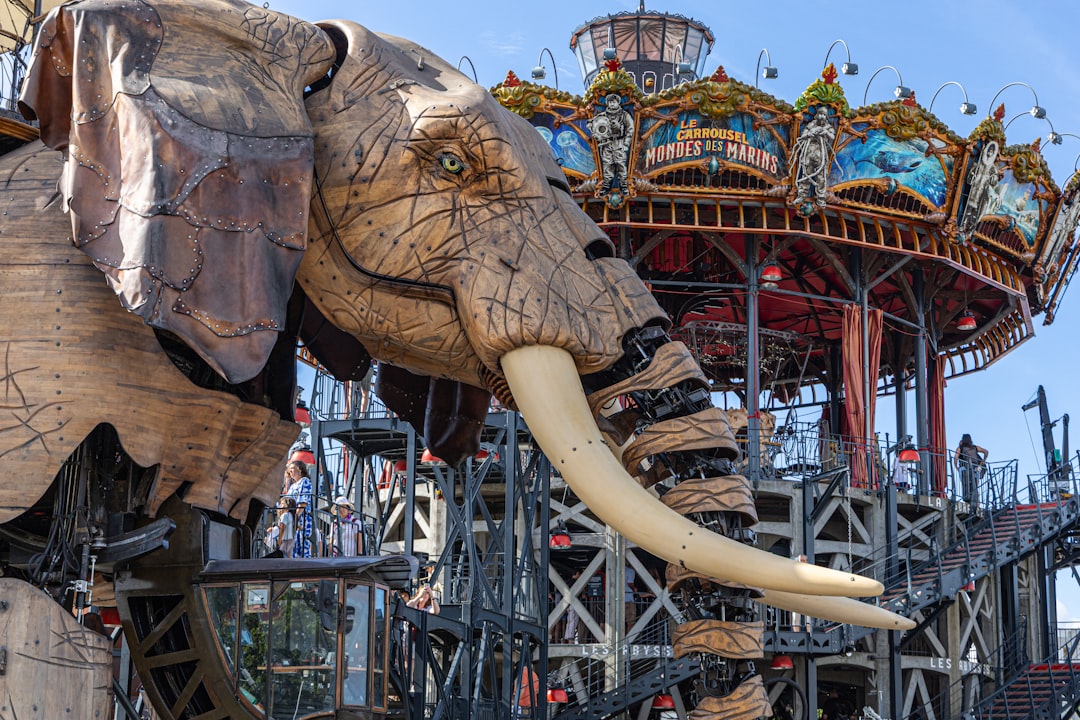
Walk onto the Île de Nantes, the long island in the middle of the Loire, and you’re standing on what was, until the 1980s, a dying shipyard. The cranes are still there. The dry docks are still there. But now a twelve-meter mechanical elephant walks between them, steaming from its trunk, carrying fifty people on its back while schoolchildren chase it across the asphalt. That’s what Nantes did with its industrial collapse. It called in the artists.
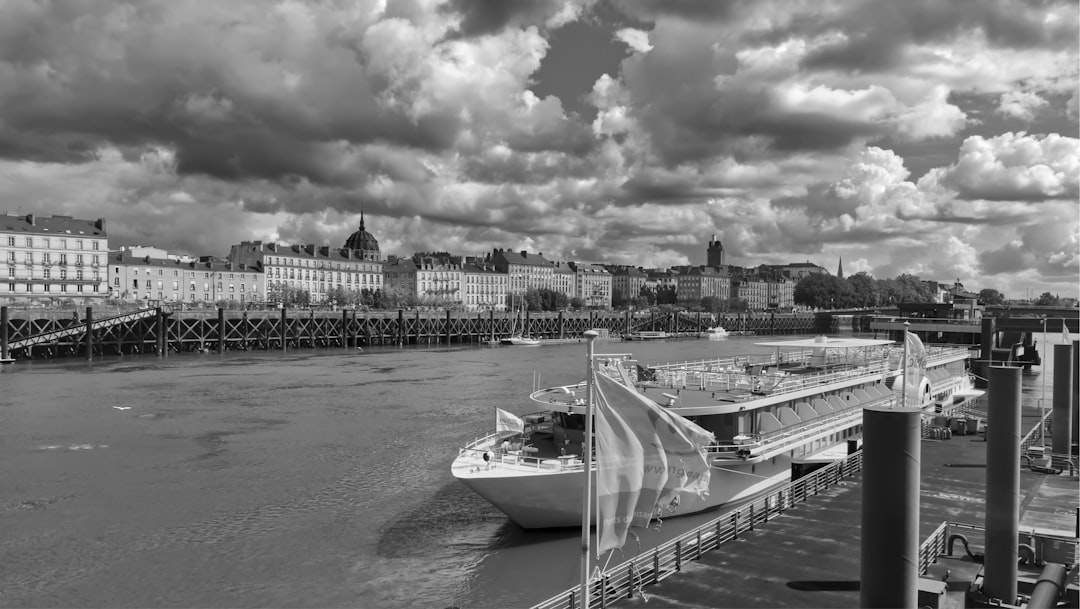
The result is a city that gets mentioned alongside Lyon and Bordeaux in the “best quality of life in France” rankings but somehow stays off the international tourist circuit. You’ll hear plenty of French on the tram, almost no English. That’s part of the appeal. Nantes doesn’t perform for visitors. It’s too busy being interesting for itself.
The Machines and the Elephant
Les Machines de l’île is the reason most people first hear about Nantes, and for once the viral attraction lives up to the hype. François Delarozière and Pierre Orefice built this project on the bones of the old Dubigeon shipyards, drawing equally on Jules Verne (who was born here) and Leonardo da Vinci’s engineering notebooks. The Grand Elephant — 48 tons of articulated wood and steel — walks a slow circuit through the site, its trunk spraying mist, its eyes blinking with alarming personality. You can ride it. You should ride it.
The three-storey Marine Carousel is the second act, and it’s stranger. Imagine a carousel designed by someone who read Twenty Thousand Leagues Under the Sea and took it personally. Giant squid, mechanical fish, deep-sea creatures you can pilot yourself — it’s part fairground, part kinetic sculpture, part fever dream. Adults enjoy it more than children, which tells you everything about the quality of the design.
The Galerie des Machines, where you can watch the next generation of creatures being built, is the part most visitors rush through. Slow down. Watching the team assemble a mechanical heron from scratch is one of the best free shows in France.
→ Les Machines de l’île tickets and Elephant ride
Following the Green Line
Most travelers think Le Voyage à Nantes is a summer festival. It is — but it’s also a permanent infrastructure of art that works year-round. A green line painted on the pavement connects roughly thirty installations across twenty kilometers of city, from the Château des Ducs de Bretagne to the tip of the Île de Nantes. Follow it in any season and you’ll stumble across things that have no business being there: a building wrapped in vine-patterned steel, a playground designed by a sculptor, a bench that doubles as a poem.
The summer edition (July 4 through September 6 in 2026) adds dozens of temporary works by international artists. This year opens a four-year cycle on the theme of Earth. It’s free, all of it — in public space, no tickets, no barriers. That commitment to accessibility is rare and worth appreciating.
Don’t skip Les Anneaux at the Quai des Antilles — Daniel Buren’s eighteen steel rings that glow green after dark. They’re beautiful, but they’re also a memorial. Nantes was France’s largest slave-trading port in the 18th century, and the city doesn’t hide from that history. The rings face the water where the ships departed. Stand there at dusk and the beauty becomes something more complicated. That honesty is part of what makes Nantes feel like a grown-up city.
→ Le Voyage à Nantes guided art trail walk
Eating and Drinking the Loire
The defining sauce of Nantes is beurre blanc — a deceptively simple emulsion of white wine, shallots, and an indecent amount of butter that was reportedly invented here by accident. Order it over sandre (zander from the Loire) at any serious Nantes table and you’ll understand why the city never needed to import its culinary identity from Paris.
Muscadet is the local white, and it’s having a quiet renaissance. Made from the Melon de Bourgogne grape in the vineyards just south of the city, a good Muscadet sur lie — aged on its lees for extra texture — is crisp, mineral, and built for oysters. Balthazar bar holds the world’s largest Muscadet list, more than 150 references. If you think you don’t like Muscadet, you probably haven’t had a good one. This is the place to fix that.
Canard Nantais uses Challans duck braised with Muscadet and apples — rich, regional, and impossible to find anywhere else. Curé Nantais is the local cheese, pungent and washed-rind, the kind of thing that clears a room and rewards the brave. And Gâteau Nantais, a dense almond cake soaked in rum, is a direct artifact of the city’s Atlantic trade history. It looks modest. It isn’t.
For a proper restaurant meal, La Cigale in the Graslin quarter has been serving since 1895 under a spectacular Art Nouveau ceiling. Lulu Rouget, on the Île de Nantes near the Elephant, holds a Michelin star and does market-driven cooking with the kind of precision that justifies the splurge. For something more casual, the stalls at the Marché de Talensac — Nantes’ central covered market — will have you eating crêpes, oysters, and fromage before noon.
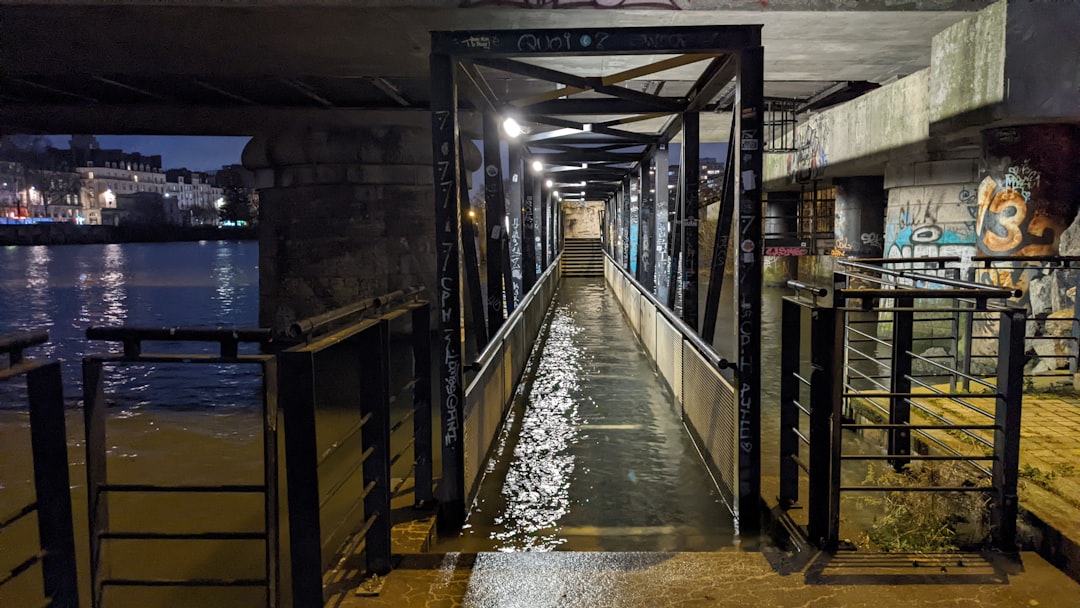
The Neighborhoods Worth Knowing
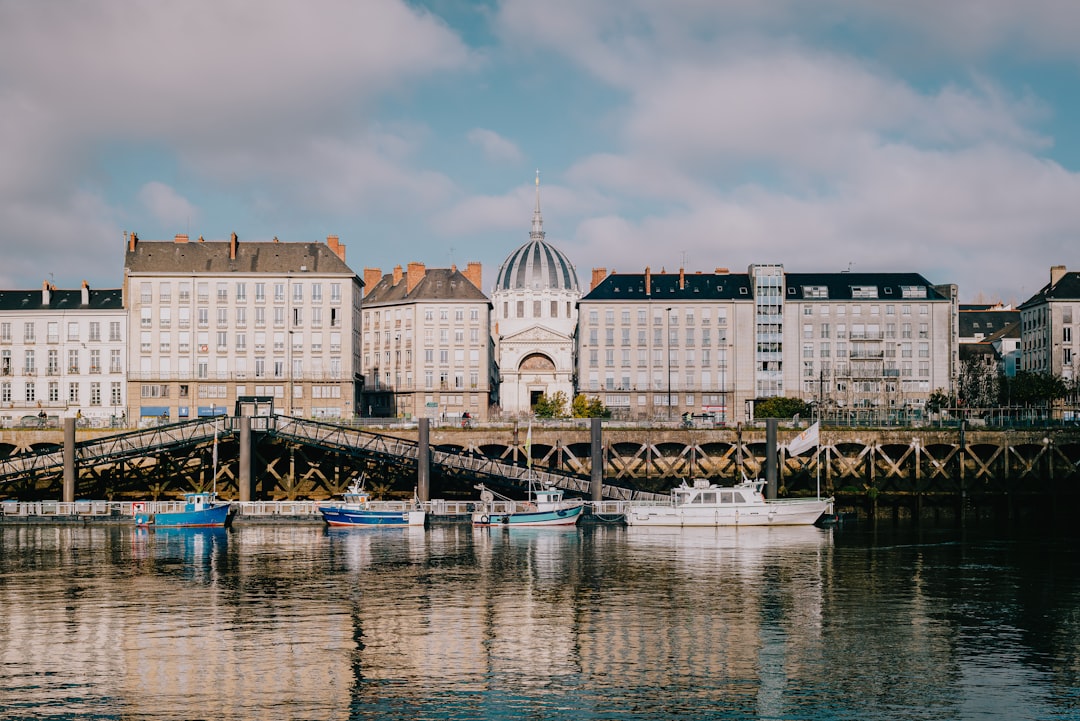
Bouffay is the medieval quarter and the obvious starting point. Half-timbered houses, narrow lanes, bars that spill onto the cobblestones after dark. The Château des Ducs de Bretagne anchors the eastern edge — a 15th-century fortress that now houses the city’s history museum. The courtyard and ramparts are free to walk, and the views over the old town from the walls are worth ten minutes of your morning.
→ Château des Ducs de Bretagne guided tour
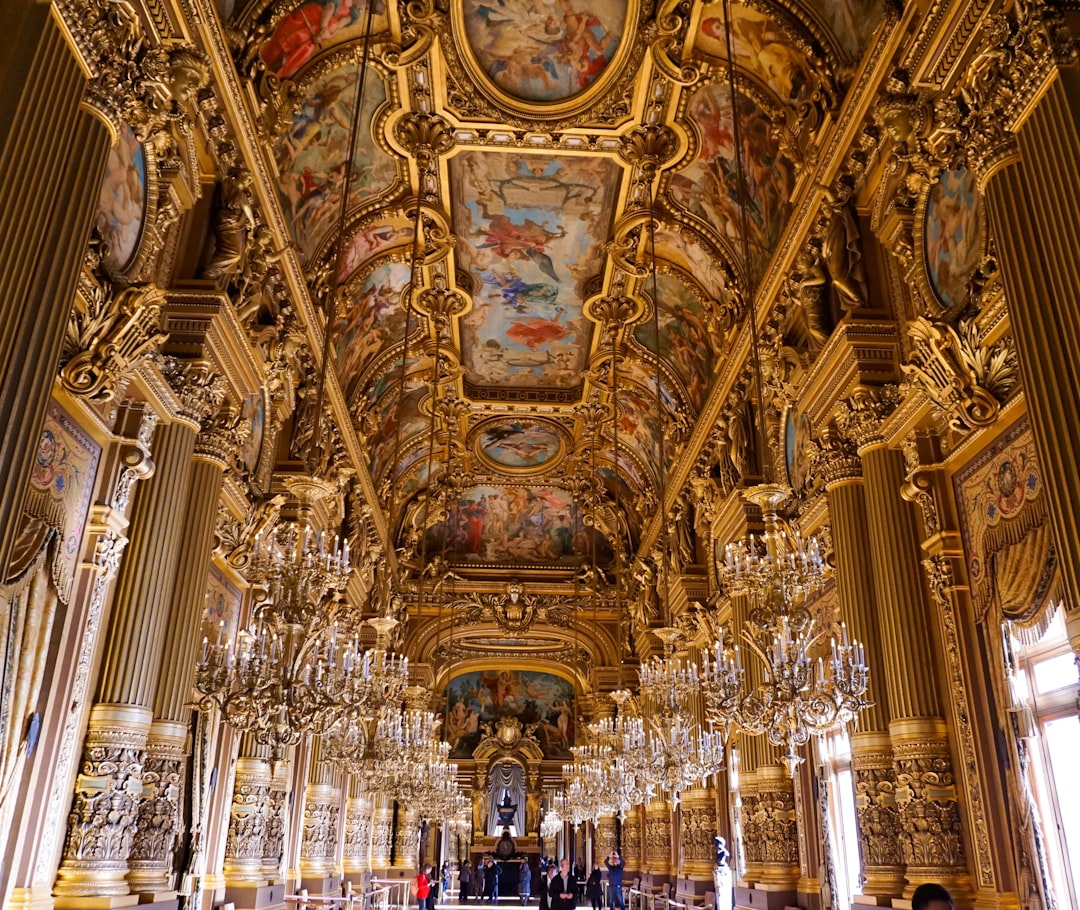
Graslin is the elegant district. This is where you’ll find the Théâtre Graslin (neoclassical, excellent programming), the Passage Pommeraye, and La Cigale. The Passage Pommeraye deserves its own paragraph: a three-level 19th-century shopping arcade with sculpted columns, carved figures, and the kind of craftsmanship that makes modern malls feel like parking garages. It’s one of Europe’s most beautiful covered passages and somehow never crowded.
Île de Nantes is the creative quarter, and if you’re interested in what Nantes actually is — rather than what it used to be — this is where to spend your time. The former shipyards now hold architecture studios, co-working spaces, Les Machines, and buildings that look like they were designed on a dare. The Palais de Justice is a sleek black monolith. The Manny building is wrapped in aluminum strips to look like a bird’s nest. The contrast between industrial bones and architectural ambition is the whole Nantes story in a single neighborhood.
Making It Happen
When to go: June through September for the full Le Voyage à Nantes experience and warm, dry weather (18–26°C). May and October are excellent shoulder months — fewer people, mild temperatures, and the permanent Green Line installations are still there. January brings La Folle Journée, France’s largest classical music festival, if you want Nantes at its most local.
Getting there: The TGV from Paris Montparnasse takes about 2 hours 15 minutes — faster than driving, cheaper than flying. Nantes Atlantique Airport has connections to other European cities if you’re not routing through Paris.
→ Find flights to Nantes on Skyscanner
Where to stay: In Bouffay, L’Hôtel puts you directly opposite the Château with some rooms overlooking the fortress walls. For something more distinctive, the Sozo Hotel is a converted chapel with original stained glass and vaulted ceilings dressed in minimalist contemporary furniture — it sounds like a gimmick, but it works. In the Graslin quarter, Hôtel de France is a two-minute walk from the Passage Pommeraye and Place Royale.
→ Browse hotels in Nantes on Booking.com
What most people miss: Following the Green Line outside the summer festival season, when you’ll have the installations to yourself. The Loire Estuary art trail between Nantes and Saint-Nazaire — a boat trip past permanent sculptures and installations along the riverbanks — is a half-day excursion that very few international visitors know about.
→ Loire Estuary cruise and art trail
Plan Your Trip to Nantes
Best time to visit: Late June through September — Le Voyage à Nantes is in full swing and the Loire Valley weather is warm and dry.
✈️ Getting There
Search flights to Nantes on Skyscanner
🏨 Where to Stay
Hôtel de France — Central Graslin location, steps from Passage Pommeraye and Place Royale
Sozo Hotel — Converted chapel with stained glass and modern interiors, opposite the Jardin des Plantes
🎟️ What to Book in Advance
- Les Machines de l’île tickets and Grand Elephant ride
- Muscadet Wine Country half-day tour
- Browse more Nantes experiences on Viator
Some links in this post are affiliate links. If you book through them,
CuriosityTrail earns a small commission at no extra cost to you.
Recommendations are chosen on merit; commissions never decide what’s included.