Hoi An Beyond the Lanterns: A Week in Vietnam’s Most Layered Town
Quick Essentials
- 📍 Best Time to Visit: February through April — dry skies, comfortable heat, and if you time it right, the Full Moon Lantern Festival turns the Old Town into something you’ll never quite get over.
- ✈️ Flights: Search flights to Da Nang (DAD) | Direct from Bangkok, Singapore, Kuala Lumpur. Hoi An is 30 minutes south by taxi.
- 🏨 Hotels: Browse hotels in Hoi An | Our neighborhood picks below
- 🎟️ Top Experience: Morning cooking class at Tra Que Vegetable Village — harvest your own herbs, make your own cao lầu
- 💰 Budget Range: $60–$150/day for a mid-range to splurge trip — Hoi An punches well above its price point
The Old Town After Dark
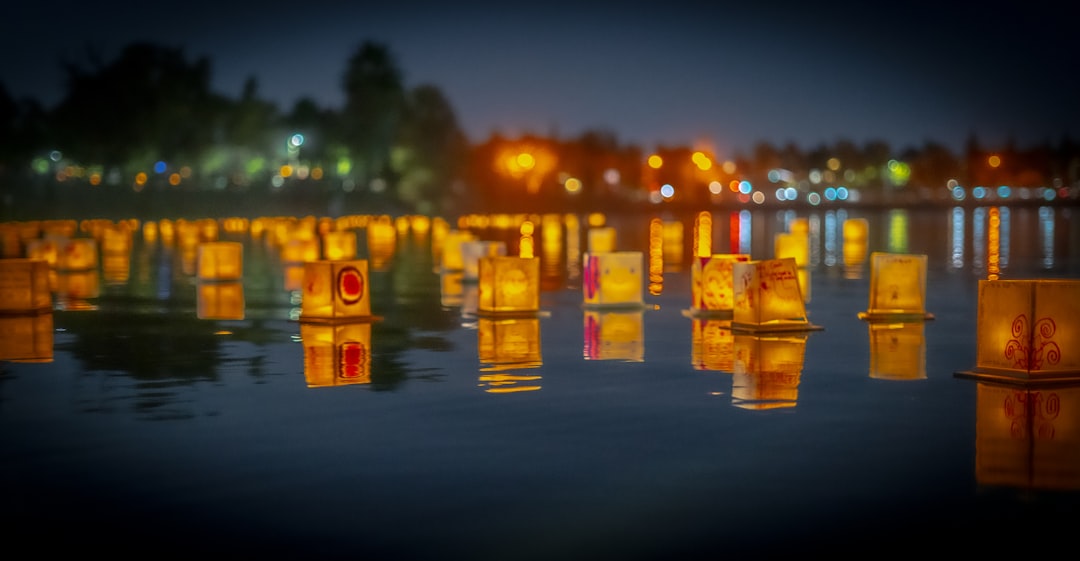
Hoi An is the rare place that earns its Instagram reputation. The lantern-lit streets along the Thu Bon River look exactly like the photos, which should make them boring, and somehow doesn’t. Part of that is the light itself — silk lanterns throw a warmer, more uneven glow than you’d expect, and the reflections off the river wobble in a way that feels unrehearsed. Part of it is the scale. The UNESCO-listed Ancient Town is compact enough that you can walk its full length in twenty minutes, which means the atmosphere doesn’t thin out at the edges. It just stops, and the motorbike chaos of modern Vietnam picks up where the 18th century left off.
But here’s the thing about Hoi An: if the lantern walk is all you do, you’ve visited a postcard. The town rewards a full week the way few places in Southeast Asia do — not because there’s a checklist to grind through, but because the best experiences here unfold slowly. A morning market visit that leads to a cooking class. A bicycle ride through rice paddies that ends at a beach you didn’t know existed. A bowl of cao lầu at a stall you found only because you were already lost.
This is a guide for travelers who have already been to Vietnam — or at least to Southeast Asia — and want to go deeper than the well-worn backpacker route. Hoi An is not undiscovered. But it is, in the best way, under-explored.
The Architecture Nobody Talks About
Most visitors cross the Japanese Covered Bridge, photograph it, and move on. Fair enough — it’s handsome, it dates to 1593, and the small pagoda built into its structure is worth a pause. But the real architectural story of Hoi An is in the merchant houses, and almost nobody gives them the time they deserve.
Tan Ky House is the one to see. It’s an 18th-century merchant home that physically embodies the fusion of Chinese, Japanese, and Vietnamese design that made Hoi An a crossroads for centuries. The roof structure is Japanese. The carved wooden panels are Chinese. The floor plan is Vietnamese. The family who built it seven generations ago still lives there, and if you visit when it’s quiet — early morning, before the tour groups — one of them will walk you through the details with the casual authority of someone who grew up climbing on history.
The Chinese assembly halls are worth a slow circuit too, particularly Fujian Assembly Hall with its ornate courtyard and incense coils hanging from the ceiling like enormous spirals of time. These weren’t temples in the conventional sense — they were community centers for merchants who’d traveled across the South China Sea and needed a place that felt like home. That context changes how you look at them.
Hoi An earned its UNESCO status in 1999 for what the committee called “an outstanding material manifestation of the fusion of cultures over time.” It’s an awkward phrase for a beautiful idea. Walk through the Old Town slowly and you’ll see what they meant in every roofline.
Morning at the Market
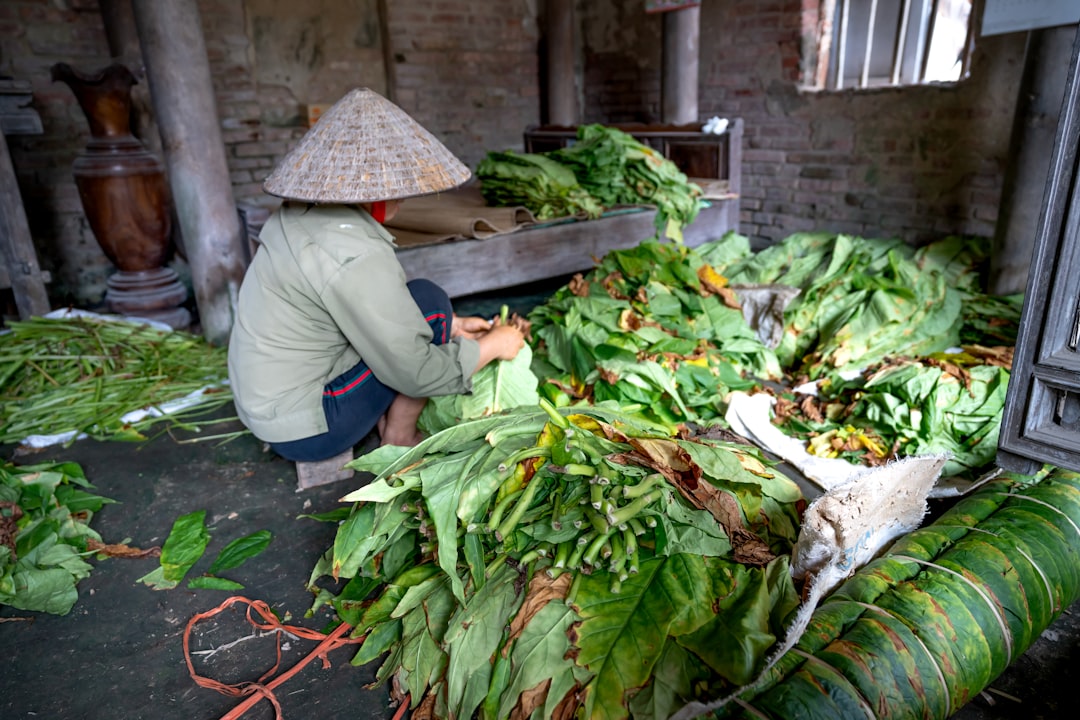
Hoi An’s central market has two lives. After about 8 AM, it tilts toward tourists — not unpleasantly, but noticeably. Before 7, it belongs to the town. Fishermen haul the overnight catch up from the river in plastic bins. Vegetable vendors stack produce in improbable pyramids. The light is gray-blue and gentle, and the smell is river water and fresh herbs and woodsmoke from the bánh mì carts setting up along the perimeter.
This is the hour to eat. Find a stall selling cao lầu — thick rice noodles topped with sliced pork, greens, crispy croutons, and a broth that manages to be both rich and restrained. The noodles are made with water from a specific ancient Cham well, which sounds like a marketing story until you learn that the alkaline mineral content of that water genuinely changes the texture of the dough. Cao lầu made anywhere else tastes close but never right. It’s one of the few dishes in the world that literally cannot leave its hometown.
While you’re there, order a bowl of cơm gà — turmeric-yellow chicken rice with shredded poultry, herbs, and a papaya salad on the side. It looks simple. It is simple. It’s also the dish you’ll crave three months later with no way to satisfy it.
Cooking Your Way Through Hoi An
The cooking class to book is the one at Tra Que Vegetable Village, three kilometers northeast of the Old Town. The village has grown organic herbs and vegetables using traditional methods for over three hundred years, and a half-day class here starts by cycling out through the paddies, harvesting your own ingredients — lemongrass, basil, mint, turmeric — and then learning to make dishes like bánh xèo (crispy Vietnamese crepes) and fresh spring rolls in an open-air kitchen.
What makes Tra Que different from the dozens of other cooking classes in Hoi An is the context. You’re not in a resort kitchen learning a recipe. You’re standing in the soil where the food grew, with farmers working the adjacent rows, and the connection between ingredient and dish is visceral in a way that a market-to-table class in town can’t quite replicate. The session usually ends with a foot massage using medicinal herbs from the garden, which feels indulgent and earned in equal measure.
→ Tra Que Village cooking class with market visit
The Dish That Can’t Leave Town
Hoi An has three dishes that exist nowhere else, which is an absurd claim for any town and happens to be true.
Cao lầu is the headliner — those thick, slightly chewy noodles made with well water from a Cham-era source. The best bowls come from market stalls, not restaurants, and the croutons should shatter when you bite them. If they’re soft, you’re at the wrong place.
White rose dumplings (bánh bao bánh vạc) are translucent shrimp dumplings shaped like roses, made by a single family who supplies every restaurant in town. You can visit the workshop — it’s not a secret, just not advertised — and watch them fold hundreds by hand in the time it takes you to eat six.
Bánh mì Phượng is the bánh mì that Bourdain put on the map, and the line out front is long for a reason. Crispy baguette, layers of pork and pâté, pickled vegetables, a smear of chili sauce that builds heat slowly. The stall is on Phan Châu Trinh — you’ll find it by the crowd.
And then there’s everything else. Hoi An eats well because central Vietnam eats well, and the morning market is stocked with ingredients from the river, the paddies, and the coast every day. Ask your hotel for a dinner recommendation. Ignore it and walk toward the smoke.
Beyond the Old Town: Bicycle and Boat
The best thing you can do in Hoi An is leave it for a few hours. Rent a bicycle — most hotels lend them free, or you’ll pay about a dollar for a day rental — and ride south through Cam Thanh toward the rice paddies.
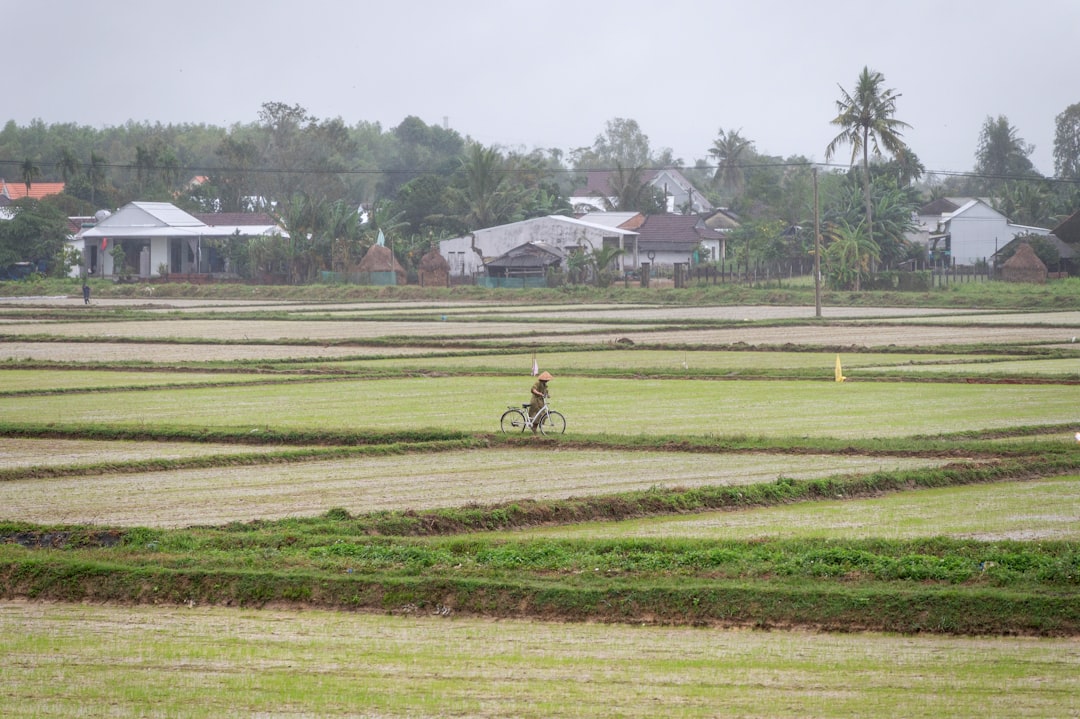
The route through the paddies is poorly marked, which is part of the appeal. After about ten minutes of village roads, the houses thin out and you’re riding on narrow dirt paths between flooded green fields, water buffalo standing in the shallows, herons lifting off as you pass. In the late afternoon, when the light goes golden and the locals come out to socialize along the paths, it’s one of the most peaceful landscapes in Southeast Asia.
Keep riding and you’ll reach the coast. Hidden Beach is the one to aim for — less developed than An Bang, no entrance fee, no pressure to rent a lounger. Binh Minh Beach is another good option, reached through fishing villages where boats are painted in blues and greens so vivid they look retouched.
Back near the Old Town, the Bay Mau coconut forest offers a different kind of escape. You and a partner climb into a thung chai — a circular basket boat — and spend an hour gliding through narrow waterways walled with nipa palms. It’s touristy, and it’s also lovely, and those two things aren’t mutually exclusive.
→ Hoi An countryside bicycle tour with rice paddies and beach
→ Bay Mau coconut forest basket boat experience
When to Go and the Full Moon Trick
February through April is the sweet spot — dry, warm without being punishing, and far enough from the September–November storm season that flooding isn’t a concern. Central Vietnam’s rainy season can be dramatic; roads flood, the Thu Bon rises, and the Old Town occasionally takes on water. Beautiful in photographs, less so in person.
The timing trick: plan your stay to include the 14th of the lunar month, when the Full Moon Lantern Festival transforms the Old Town. Electric lights switch off. Thousands of silk lanterns take over. Locals and visitors release small floating candles on the Thu Bon River. It happens monthly, so you don’t need to plan far in advance — just check the lunar calendar and adjust your dates by a day or two.
Other festivals worth noting: Tết in late January or early February floods the streets with decorations and energy. The Mid-Autumn Festival in September or October brings lion dances and mooncake stalls. And Half Tết in June — dragon boat races in the fishing villages, lantern parades along the river — may be the most photogenic festival of the year, and almost no international visitors know about it.
Where to Sleep Well
Old Town / Cam Pho riverside is the obvious base and the right one for a first visit. You’ll walk to everything, and the riverside at night is the reason you came. Little Hoi An Boutique Hotel & Spa sits on the Hoai River about 300 meters from the Japanese Bridge — rooftop pool, river views, and the kind of quiet efficiency that Southeast Asian boutique hotels do better than anywhere else.
→ Little Hoi An Boutique Hotel & Spa
Cam Chau, between the Old Town and the coast, is leafier, quieter, and cheaper. Anio Boutique Hotel is a strong pick — big pool, a decent restaurant, close enough to both town and An Bang Beach that you don’t feel stranded in either direction.
An Bang Beach works for a return visit or a longer stay where you want to split your time between sand and streets. Most beachside hotels offer free Old Town shuttles, and the ride is ten minutes.
→ An Bang Beach hotels in Hoi An
Plan Your Trip to Hoi An
Best time to visit: February through April — dry season with gentle heat, ideal for cycling the countryside and catching the monthly Full Moon Lantern Festival.
✈️ Getting There
Search flights to Da Nang (DAD) on Skyscanner
🏨 Where to Stay
- Anio Boutique Hotel — Leafy Cam Chau location with pool, close to both Old Town and beach
- Little Hoi An Boutique Hotel & Spa — Riverside in Old Town, rooftop pool, steps from the Japanese Bridge
🎟️ What to Book in Advance
- Tra Que Village morning cooking class
- Hoi An Ancient Town guided walking tour
- Browse more Hoi An experiences on Viator
Some links in this post are affiliate links. If you book through them, CuriosityTrail earns a small commission at no extra cost to you. We only recommend things we’d book ourselves.