Three Days in Porto for People Who’ve Already Done Lisbon
Quick Essentials
- 📍 Best Time to Visit: Mid-May through mid-June, or mid-September through mid-October — long days, a working Douro Valley, and restaurants still open after 9pm
- ✈️ Getting There: Search flights to Porto on Skyscanner | Direct from Toronto, Newark, Boston, and every major European hub
- 🏨 Where to Stay: Browse Porto hotels on Booking.com | Our Ribeira and Vila Nova de Gaia picks below
- 🎟️ Don’t Miss: Douro Valley small-group day tour on GetYourGuide — two quinta visits and lunch on the river
- 💰 Budget Range: $180–$280 per day for a comfortable mid-range-plus trip. Add $120 per person for the one great port-lodge dinner
The Case for a Second Portugal Trip
There’s a specific kind of traveler Porto was made for: the one who’s already spent four days in Lisbon, took the tram to Belém, ate the custard tarts, and came home with the vague sense of having seen something lovely rather than something they loved. Porto is the cure for that.
It’s smaller. It’s heavier. The granite is darker and the wine is older, and the river is doing actual work carrying rabelo boats past the city instead of posing for photos. Three days is the right length. More than that and you’ll start inventing reasons to take day trips; less than that and you’ll miss the part where the city stops being charming and starts being specific.
What follows is a guide for repeat travelers — the kind who don’t need another “top ten” and would like someone to tell them, honestly, what to skip. I’ll answer the Livraria Lello question. I’ll tell you which side of the river to sleep on. And I’ll make the case that the best twenty minutes of your trip are free, happen before breakfast, and are inside a train station.
Where to Stay (and Why the River Side Wins)
Porto gives you three real options, and the choice matters more than it would in most cities because the geography does the heavy lifting. The Douro carves the city in half, and the side you sleep on sets the rhythm of your mornings.
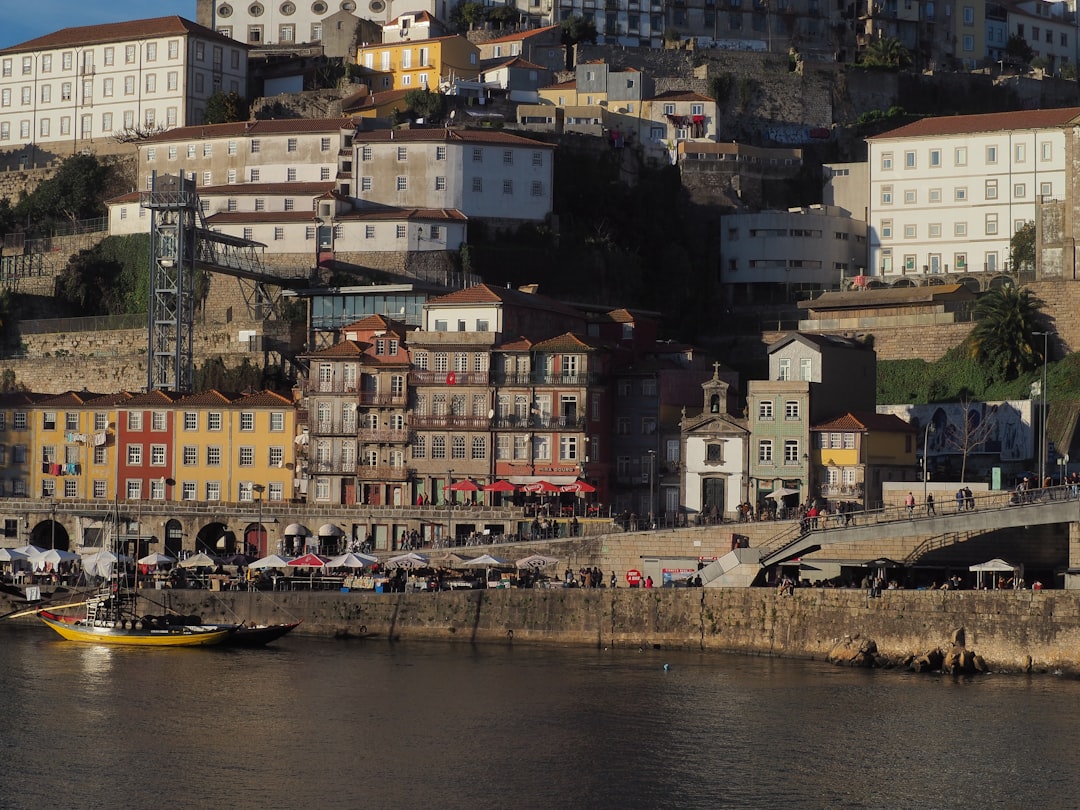
Ribeira is the famous one — the medieval warren of tiled houses that tumbles down to the water. Yes, it’s touristy. Yes, it’s noisy until about 11pm. But the 6am light on the river is something you can only access by staying there, and if you’ve flown a red-eye, the jet lag gift of being awake at dawn is the best reason to pay for a room with a balcony. The Pestana Vintage Porto sits in a row of restored 18th-century merchant houses directly on the water; the rooms are small by North American standards and the bathrooms are tiny, but the view is the whole point. For a slightly less touristed block, 1872 River House is a design-led nine-room B&B one street back — the mid-range pick for character over polish. → Ribeira hotels on the waterfront — Booking.com
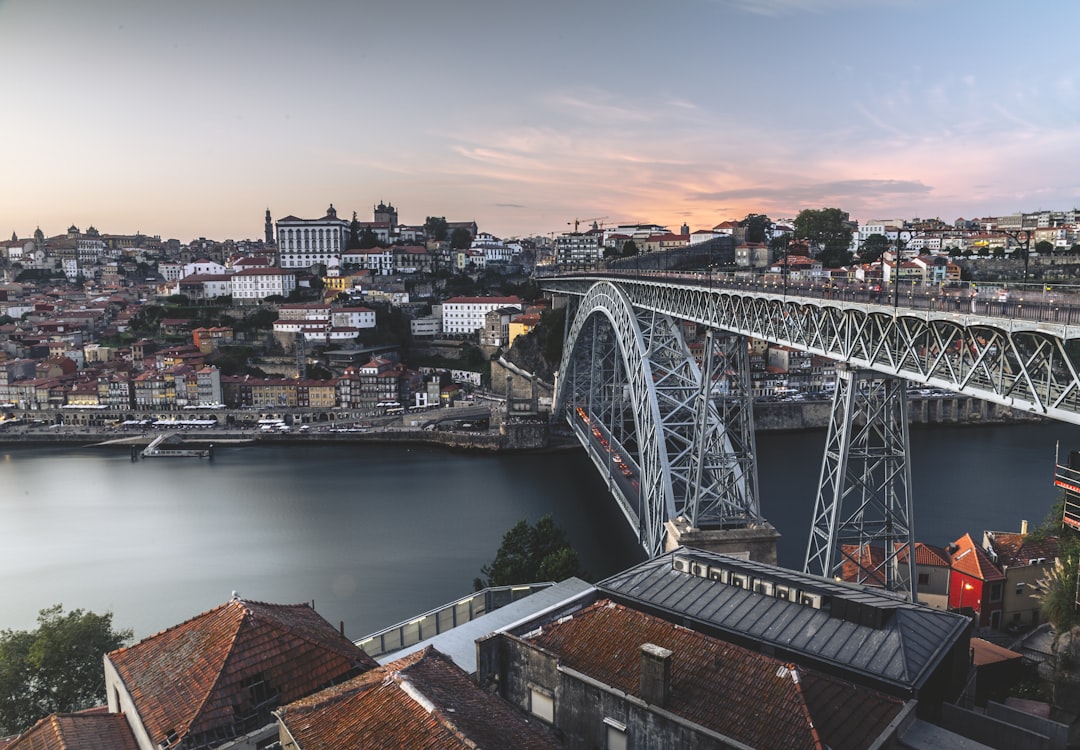
Vila Nova de Gaia is the south bank, where all the port lodges are. Quieter at night, closer to the tastings, and about twelve minutes on foot from Ribeira across the Dom Luís I bridge. The Yeatman is the view room — a five-star perched above the lodges with a panoramic deck that takes in old Porto from above. The premium is real, but if port wine is the trip’s center of gravity, waking up above the caves you’re going to tour is a certain kind of sense. → Vila Nova de Gaia port-view hotels on Booking.com
Baixa and Aliados is Porto’s civic spine, walkable to São Bento and the best bookshop-and-café streets. I’d recommend it for a business trip or a one-nighter, but not for the long weekend this post is planning. Skip Maison Albar’s marbled Belle Époque tower unless you actively want the splurge-hotel experience more than the river one. For three days in Porto, the room facing the water wins.
The Douro Valley Day That Makes the Trip
You have two options and they are not interchangeable.
Option A: the organized day tour. A small-group van picks you up in central Porto around 8am, drives you 90 minutes into the Alto Douro, and stops at two quintas for tours and tastings, a river lunch, and a short rabelo cruise on the Douro. You’re home by 7pm, slightly drunk, and someone else has driven. This is the right choice for most people. Book the tour that stops at one mid-sized producer (Quinta do Seixo, Quinta do Bomfim, or Quinta Nova) and one smaller family quinta — the contrast between industrial-scale and hand-bottled is the point. → Douro Valley small-group day tour from Porto
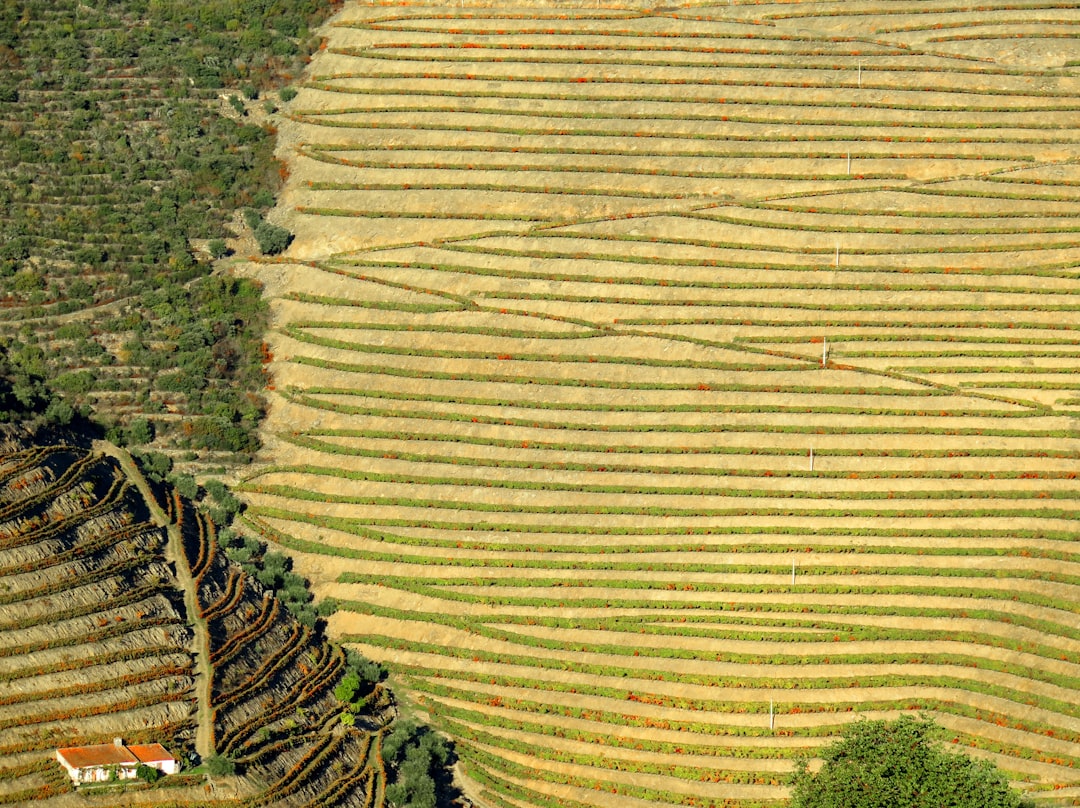
Option B: the train from São Bento to Pinhão. For about 15 euros round trip, you take the regional line east out of Porto along the Douro. The last hour of the journey is one of the most scenic rail routes in Europe — the track hugs the river, the valley narrows, and the terraced vineyards climb the hillsides at angles that shouldn’t be possible. Pinhão station is tiny, covered in azulejos, and a ten-minute walk from three working quintas. You can book a morning tasting at one, have lunch at the Vintage House Hotel restaurant on the river, and be back in Porto by evening. This is the better choice if you want to drink the wine without worrying about the drive home, and if you’d rather pace your own day.
The train is the trip, if you’ll pardon the phrasing. The day tour is the efficient version. Pick based on whether you trust your own improvisation more than you trust logistics.
On Port Wine (and Which Lodge to Actually Tour)
Vila Nova de Gaia is the south-bank stretch of Porto where the port wine has aged, for centuries, in massive cellars cut into the hillside. Eighteen lodges are still operating. Most of them will pour you a three-glass flight for between 15 and 30 euros.
Here’s the honest ranking.
Skip Sandeman and Cálem unless you want the tourist-bus experience. Both run excellent marketing and aggressive group tours; the wine is fine; the feeling of being moved through on a conveyor belt is not what you came for.
Book Graham’s for the view (the terrace looks back at Ribeira and the bridge), Taylor’s for the Vintage flight if you can afford it, or Ramos Pinto for the archives and the smaller groups. All three do 60-to-90-minute tours with a three-port tasting at the end and actually answer your questions. → Graham’s Port Lodge tour and tasting in Vila Nova de Gaia
Add an evening at Prova in central Porto. Prova is a wine bar on Rua Ferreira Borges run by sommeliers who love Portuguese producers with the kind of specificity that turns a casual glass into an education. Ask for a tawny flight — a 10, a 20, and whatever single-year vintage the bartender wants you to try. This is where you’ll decide, properly, which style you actually like. Then you can tour the lodge that makes it with real interest.
The Livraria Lello question, for anyone still wondering: it’s an objectively beautiful Art Nouveau bookshop with a red staircase that may or may not have inspired Harry Potter (the owner says yes, J.K. Rowling says not really). The eight-euro entry fee is credited toward a book. The queue in high season is 45 minutes. If you’ve never seen Shakespeare and Company in Paris, El Ateneo in Buenos Aires, or Cărturești Carusel in Bucharest, go. If you have seen any of those, use the hour somewhere else. That’s my opinion and I’ll defend it.
Twenty Minutes at São Bento Before Breakfast
This is the sentence of the post, so I’ll make it simple.
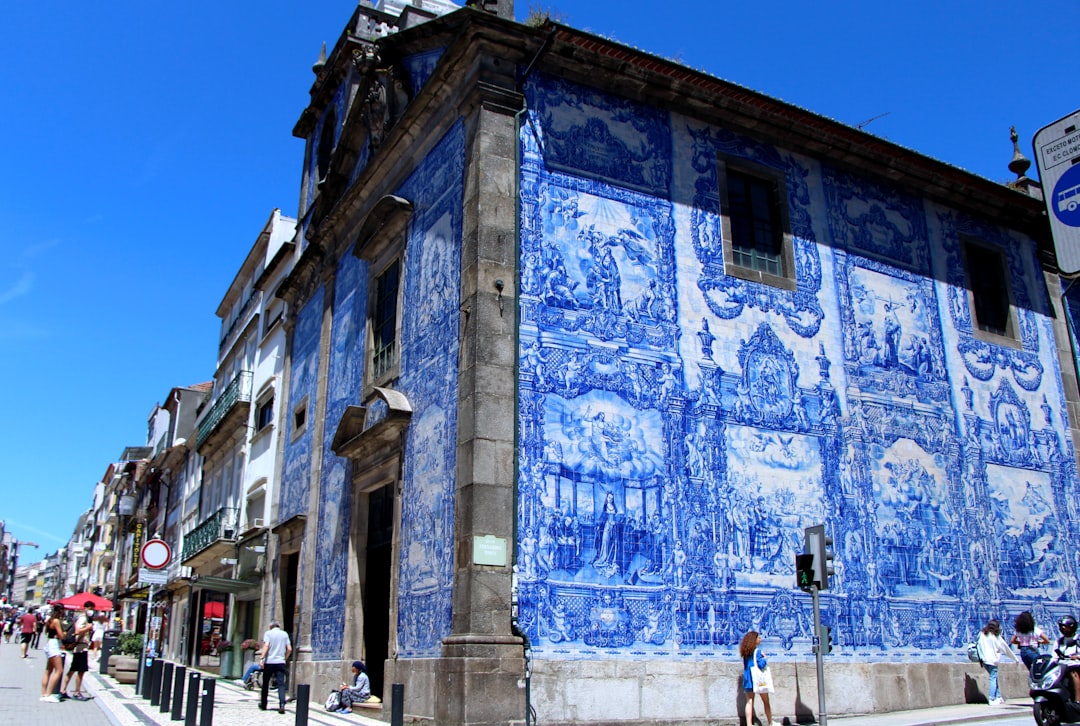
Go to São Bento railway station at 8:30am on a weekday morning, before the tour groups arrive. Stand in the central hall. Look at the walls. Twenty thousand blue-and-white azulejos depict the history of Portuguese transportation, royalty, and regional events across two enormous floor-to-ceiling panels. No ticket, no line, no guide. It’s a working commuter station and it’s one of the great overlooked rooms in Europe.
You’ll have it mostly to yourself for twenty minutes. The commuters are walking through on their way to jobs. The light is cool and blue from the clerestory windows. You can trace a single story across a wall and watch a horse refuse to cross a bridge in 1895.
This is also the station the Douro Valley train leaves from, which makes it the logical first stop of a perfect second day. Photograph the tiles, buy your ticket east, and be on the river by 11am. If you’d rather hand the whole morning to a local guide, the Porto walking tour with azulejos and old-town history covers São Bento in its first half-hour.
The Table: Eating Well in Porto
Porto’s food is heavier than Lisbon’s. It was a merchant city, a working city, and the plates reflect that. You don’t come here for the Michelin-starred tasting menu. You come for the three hours at a corner table with a bottle of vinho verde and a slab of cod.
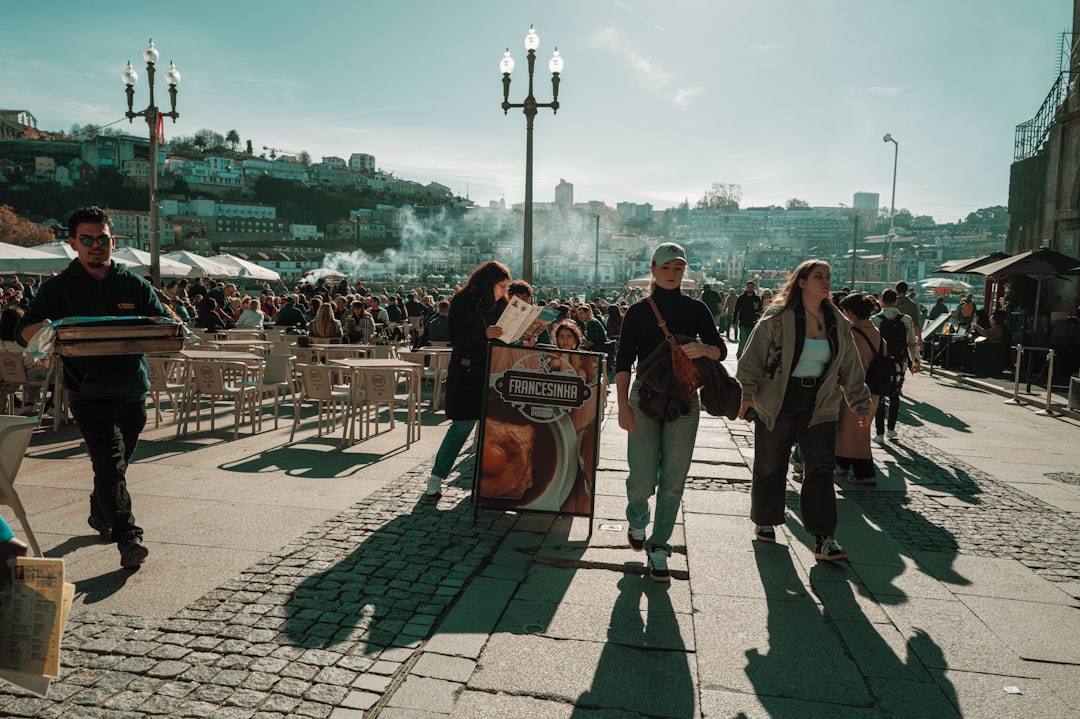
Francesinha at Café Santiago is the local answer. A francesinha is bread, steak, sausage, ham, cured bacon, melted cheese, a beer-tomato sauce, and a fried egg on top. It’s engineered to be eaten once and remembered forever. Santiago has been making the benchmark version on Rua Passos Manuel for decades. Skip the tourist-menu versions on Rua das Flores with photos in the window.
Restaurante Abadia, opened in 1939, does bacalhau à Gomes de Sá — the national salt-cod dish done properly, layered with potatoes, caramelized onions, olives, and a hard-boiled egg. It’s a workday lunch spot dressed up in white tablecloths. Order a bottle of Dão red and don’t ask for a dessert.
Capela Incomum is a wine bar inside a deconsecrated 18th-century chapel. That sentence should do most of the work. The wine list is short and entirely Portuguese, the crowd is half local, and the vinho verde comes cold enough to be mistaken for champagne. Go at 9pm.
For breakfast, Padaria Ribeiro near the Praça da Liberdade. A galão (milky coffee in a glass) and a pastel de nata still warm from the oven. The line is locals and the croissants are better than they have any right to be.
Getting Around (Less of a Hassle Than You Think)
Porto is a walking city with a metro that covers everything the feet can’t. The six-line metro runs from the airport to the river in about 35 minutes for three euros, and it’s the cheapest airport transfer in Western Europe. Buy the rechargeable Andante card at any metro station — a single tourist ticket is a waste.
The Dom Luís I bridge is the one non-negotiable walk. Cross the upper deck (pedestrians and metro) at dusk for the long view back at Ribeira. Cross the lower deck (cars and a separate pedestrian path) during the day for the river-level perspective. Both are worth it; they’re different bridges depending on the altitude. A six-bridges Douro river cruise is the touristy complement — fifty minutes on a rebuilt rabelo boat from the Ribeira quay — and yes, it’s worth it once if you go at golden hour.
Taxis are cheap and Uber works well. Rental cars are actively unhelpful inside the city; the streets are medieval and the parking is a war. If you’re doing the self-driven Douro Valley day, pick the car up at the airport on the morning you leave.
Ready to Plan Your Trip to Porto?
You’ve done the reading. Here’s everything you need to make it happen.
Best time to visit: Mid-May through mid-June, or mid-September through mid-October — long days, a working Douro Valley, and restaurants still open after 9pm.
✈️ Getting There
Search flights to Porto on Skyscanner
🏨 Where to Stay
-
1872 River House and Ribeira B&Bs — mid-range, character over polish, balconies over the Douro
-
The Yeatman and Vila Nova de Gaia view hotels — splurge pick, panoramic rooms above the port lodges
🎟️ What to Book in Advance
-
Douro Valley Small-Group Day Tour with Two Quintas and River Lunch
-
Graham’s Port Lodge Tour and Three-Glass Tasting, Vila Nova de Gaia
-
Six Bridges Douro River Cruise on a Traditional Rabelo Boat
Some links in this post are affiliate links. If you book through them,
CuriosityTrail earns a small commission at no extra cost to you.
Recommendations are chosen on merit; commissions never decide what’s included.