Visiting Boston, Massachusetts: A Complete Guide
Quick Essentials
- 📍 Best Time to Visit: September through mid-October — the summer crowds evaporate, the air cools to the low 70s, and the Public Garden starts turning gold.
- ✈️ Flights:
Search flights to Boston on Skyscanner
| Direct from most major US hubs; Logan Airport is a 15-minute water taxi from downtown. - 🏨 Hotels:
Browse hotels in Boston
| Back Bay for central access, Beacon Hill for character, South End for the food scene. - 🎟️ Top Experience:
North End Food Walking Tour
— history and cannoli in equal measure. - 🚗 Car Rental:
Compare rental cars in Boston
— useful for day trips, but the city itself is best on foot.
Boston has a reputation problem. Or rather, it has a reputation that stops too early. Most visitors do the Freedom Trail, eat a lobster roll near Faneuil Hall, and leave thinking they’ve seen the city. They haven’t. They’ve seen the gift shop.
The real Boston is a walking city in the truest sense — compact, layered, and almost stubbornly distinct from one neighbourhood to the next. You can cross from the Victorian brownstones of the South End into the gas-lit quiet of Beacon Hill in fifteen minutes on foot, and the two feel like different centuries. The Freedom Trail is fine as an introduction, but it’s a single thread pulled from a very dense fabric. The interesting bits are in the weave.
What’s changed recently, and what makes Boston worth returning to right now, is the food. Condé Nast Traveller named Boston a must-visit food destination for 2026, and the Michelin Guide arrived in late 2025 for the first time. The neighbourhood dining scene has expanded dramatically — this is no longer a city where you eat well in the North End and nowhere else. Beacon Hill has a Basque pinxtos bar. The Seaport is getting Danny Meyer’s first restaurant outside Manhattan. The South End has more interesting tables per block than most cities manage in a district.
And 2026 is a particularly charged year to visit. Sail Boston brings tall ships to the harbour for the first time in nearly a decade, the FIFA World Cup arrives at Gillette Stadium with seven matches, and the entire city is marking the 250th anniversary of American independence. Boston is ground zero for that story, and it knows it.
Photo by Hasnain Sikora on UnsplashBeyond the Red Line: Neighbourhoods Worth the Detour
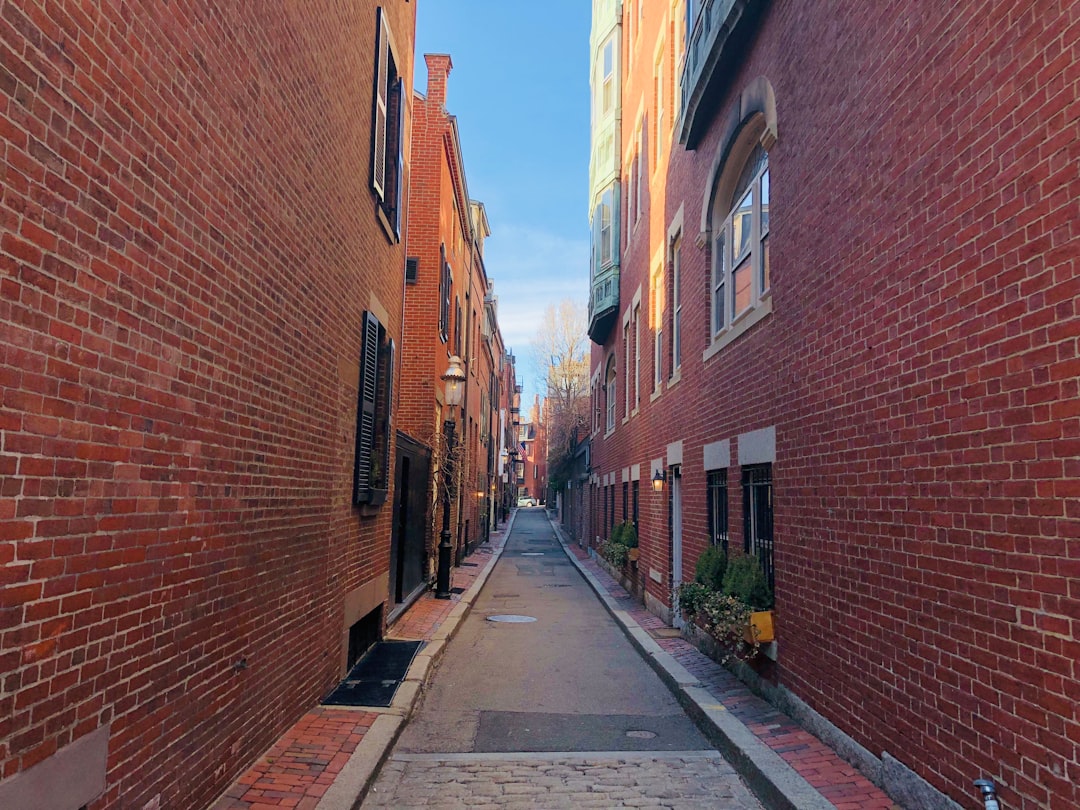
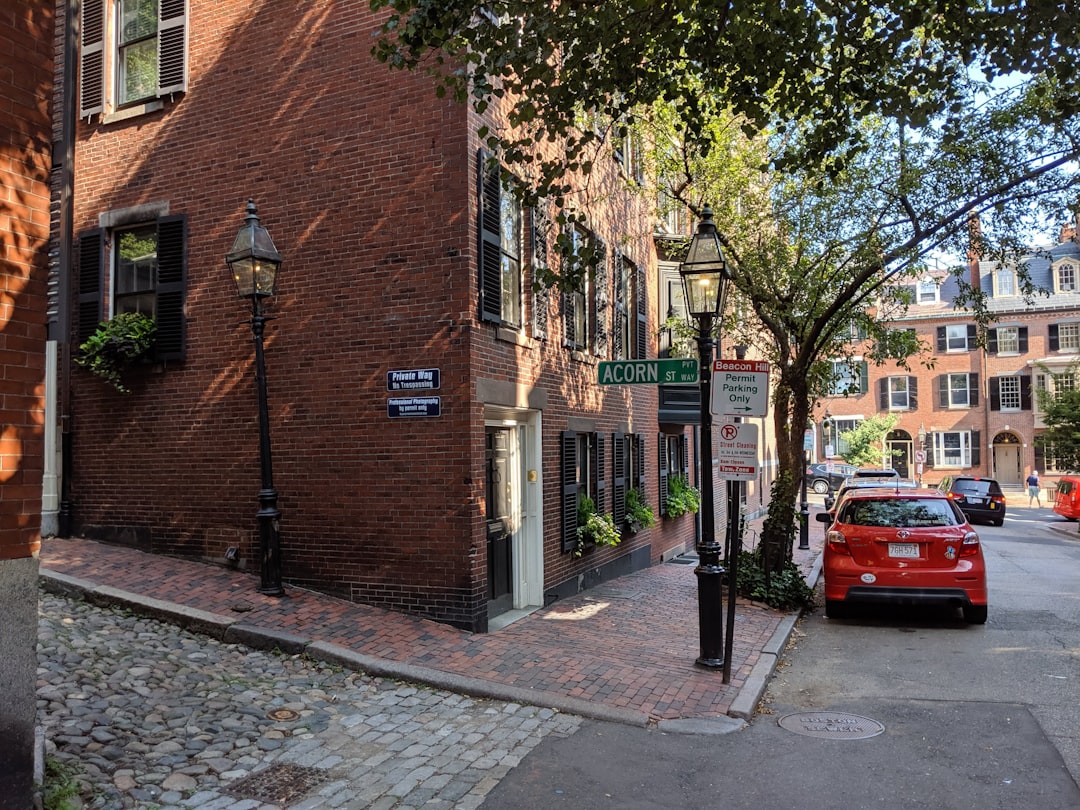
Beacon Hill is the one everyone photographs — Acorn Street, the gas lamps, the brick. And it is lovely. But what most visitors miss is that Beacon Hill also holds one of the most important pieces of American history that rarely makes the itinerary: the Black Heritage Trail, a 1.6-mile walk through the north slope that traces the story of Boston’s free Black community in the 19th century. The African Meeting House, the oldest surviving Black church building in the United States, sits quietly on Joy Street. No red painted line leads you there. You have to look.
The South End is Boston’s answer to Brooklyn’s brownstone neighbourhoods, except it got there first. Tremont Street is the main corridor, but the real discovery is the side streets — Appleton, Chandler, Union Park. Union Park Street, specifically, is built around a small Victorian garden with a fountain, and it’s one of the most beautiful residential blocks in New England. The South End is where Bostonians eat, and the restaurant density here has grown sharply in recent years. Louis Corner brought the American gastropub energy the neighbourhood was missing, and Brassica Kitchen remains one of the city’s best-kept secrets for seasonal New England cooking.
Then there’s Bay Village, which most people have never heard of. It’s Boston’s smallest neighbourhood — a few tree-lined blocks tucked between Back Bay and the Theatre District. In the early 20th century, this was the centre of Boston’s silent film industry, and traces of that era are still visible in the art deco details on some facades. It feels like a secret garden, and it basically is one. Walk through it on purpose. It takes ten minutes and it shifts something.
For the genuinely adventurous, the Walking City Trails project is building an interconnected network of walking routes across all 23 of Boston’s communities. By 2026, only a handful of neighbourhoods remain unconnected. The Roxbury segment — which climbs Fort Hill to the mysterious Cochituate Standpipe tower — is the kind of urban detour that makes you realise how much of a city you normally miss.
Book a Beacon Hill and Hidden Boston walking tour
The Table: Where Boston Eats Now
Start in Beacon Hill, which has quietly become one of the most interesting dining neighbourhoods in the city. Zurito is the reason. It’s a Basque-inspired bar on a street that used to be sleepy, serving pinxtos — sea urchin toast, goat cheese baguettes, conservas — alongside a tight wine list that knows what it’s doing. It’s the kind of place that signals a neighbourhood waking up.
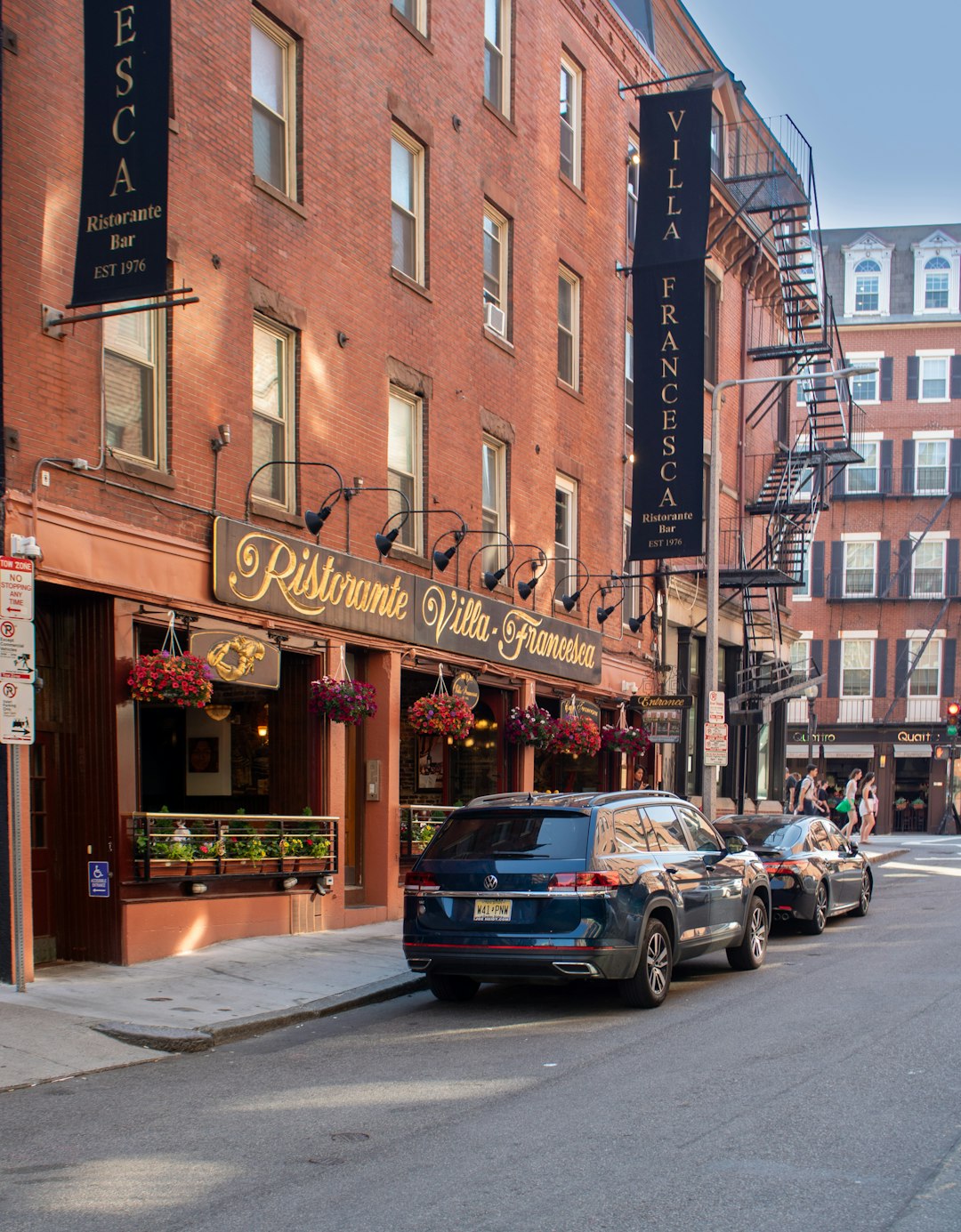
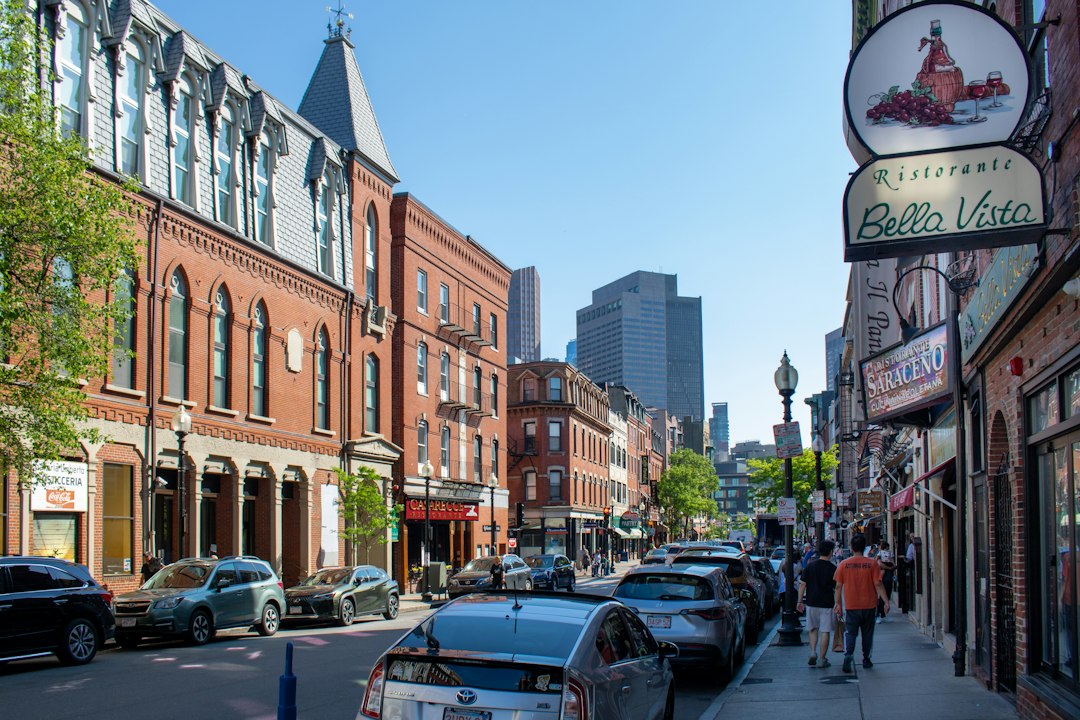
In the North End, the restaurants have always been good, but the conversation has usually stopped at Mike’s versus Modern for cannoli. Both are excellent — go to Modern if you dislike queuing — but the North End has more depth than that. Mamma Maria, on North Square, has been producing some of the finest Italian food in New England for decades and somehow still doesn’t feel like a tourist restaurant. Little Sage, a newer arrival, brings a lighter, more contemporary Italian approach.
The Seaport district has grown fast, and not all of it has landed well, but Row 34 remains a standout — a working fish restaurant that takes its beer list as seriously as its oyster selection. The lobster roll here is the warm-butter variety and it’s done properly. Neptune Oyster in the North End does the cold-mayo version to the same standard. Which you prefer says more about you than about Boston.
For a splurge, Wa Shin is the new standard. An 18-course omakase served at a hinoki wood counter, using seasonal ingredients from local farmers and fishermen. It opened to immediate buzz in 2025 and it deserves every bit of it. This is the kind of restaurant that didn’t exist in Boston five years ago.
And don’t overlook the clam chowder at Boston Sail Loft — thick, creamy, unchanged for decades, served in a no-frills waterfront room. Some things don’t need reinvention.
Walking Boston’s Other Histories
The Freedom Trail covers the Revolutionary story well enough, but Boston’s history has more layers than that, and the most compelling ones require getting off the red line — both literally and figuratively.
The African American Heritage Trail on Beacon Hill is the obvious starting point for a different kind of historical walk. But beyond that, consider the Roxbury Heritage State Park, where Fort Hill once served as a lookout point and is now a quiet residential hilltop with sweeping views. The Cochituate Standpipe — a Victorian-era water tower that looks like a stone lighthouse dropped into a neighbourhood — is the kind of landmark that rewards the walker who ventures past the usual boundaries.
Head to East Boston for yet another perspective. “Eastie” was the arrival point for waves of immigration — Italian, then Irish, then Latin American — and you can read that history in the restaurants, the street signs, and the waterfront. The harbour walk from Piers Park offers one of the best skyline views in the city, and the neighbourhood’s Latin American food scene is thriving. This isn’t tourist Boston. It’s where the city lives.
Book the Boston Tea Party Ships & Museum experience
— the best interactive history in the city.
Where to Drop Your Bags
Back Bay is the practical choice, and it’s a good one. The grid layout makes navigation simple, you’re walking distance to almost everything, and the hotel options cover the full range. The Lenox Hotel has the kind of old-school character that makes you feel like you’re staying somewhere with a story. CitizenM, a few blocks away, is sharp, modern, and well-priced — a good base for people who’d rather spend on dinner than on a hotel lobby.
→ Browse Back Bay hotels on Booking.com
Beacon Hill is for people who want to live inside a postcard. XV Beacon Hotel is boutique luxury done right — quiet street, excellent location, five minutes on foot to the Common and the North End. You pay for the neighbourhood, and it’s worth it.
→ Browse Beacon Hill hotels on Booking.com
The South End is where I’d stay on a return visit. The Revolution Hotel is well-priced and puts you in the middle of Boston’s best dining corridor. The brownstone streets are beautiful in the morning, and you’re a short walk from both Back Bay and Chinatown.
→ Browse South End hotels on Booking.com
Timing It Right
Boston works in almost any season, but early autumn is the sweet spot. September through mid-October brings cooler air, fewer crowds, and the beginning of the fall colour in the Public Garden and the Common. The Head of the Charles Regatta in October is spectacular even if you have no interest in rowing — the Charles River turns into a theatre.
Summer is lively but thick with tourists and humidity. Spring — specifically May through mid-June — is the runner-up: the city blooms, Newbury Street’s café terraces reopen, and the North End feast season is just beginning.
In 2026 specifically, the summer calendar is unusually stacked. Sail Boston brings tall ships to the harbour, Harborfest runs July 2–4, and the FIFA World Cup matches at Gillette Stadium will flood the city with international visitors. If you want the energy, come in July. If you want the city to yourself, come in September.
Plan Your Trip to Boston
Best time to visit: September through mid-October — the summer crowds thin, the air cools, and the Public Garden starts turning gold. 2026 is a standout year with Sail Boston, the FIFA World Cup, and America’s 250th anniversary celebrations.
✈️ Getting There
Search flights to Boston on Skyscanner
🏨 Where to Stay
CitizenM or The Lenox, Back Bay
— central, walkable, and well-priced for the location.
XV Beacon Hotel, Beacon Hill
— boutique luxury on a gas-lit street, five minutes from the Common.
🎟️ What to Book in Advance
North End Food Walking Tour
Boston Tea Party Ships & Museum
Beacon Hill & Hidden Boston Walking Tour
Some links in this post are affiliate links. If you book through them,
CuriosityTrail earns a small commission at no extra cost to you.
Recommendations are chosen on merit; commissions never decide what’s included.