Visiting Québec City, Québec: A Complete Guide
Quick Essentials
- ✈️ Flights:
Search flights to Québec City
- 🏨 Hotels:
Browse hotels in Québec City
- 🎟️ Top Experience:
Old Québec walking food tour
- 🚗 Car Rental:
Compare rental cars for Île d’Orléans day trip
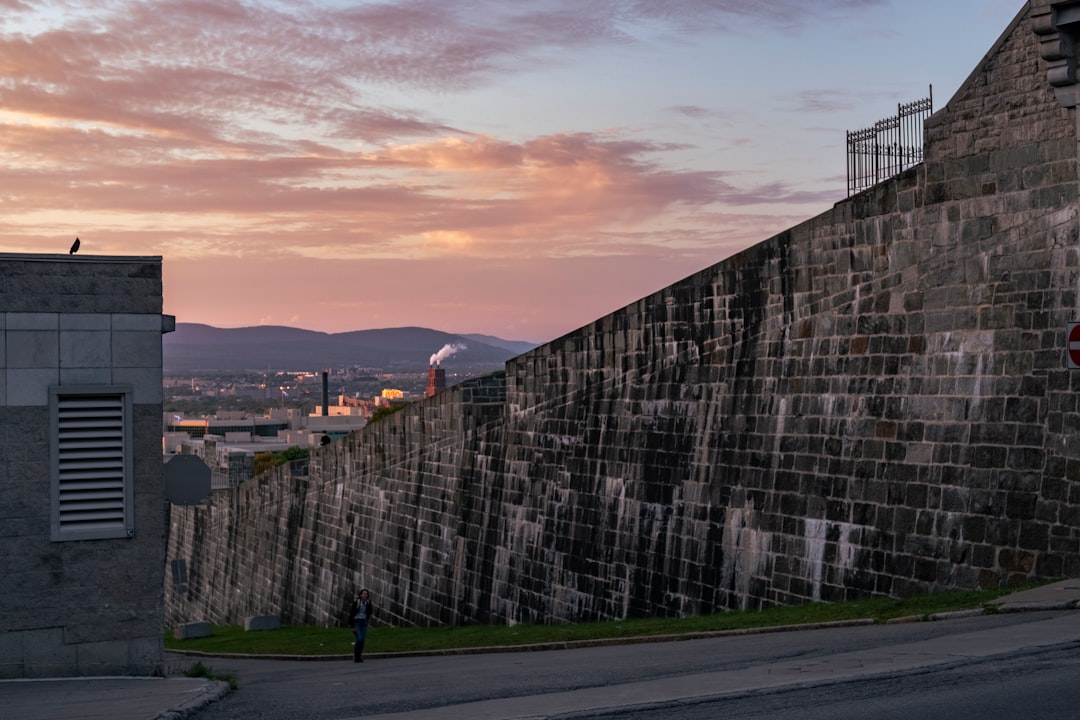
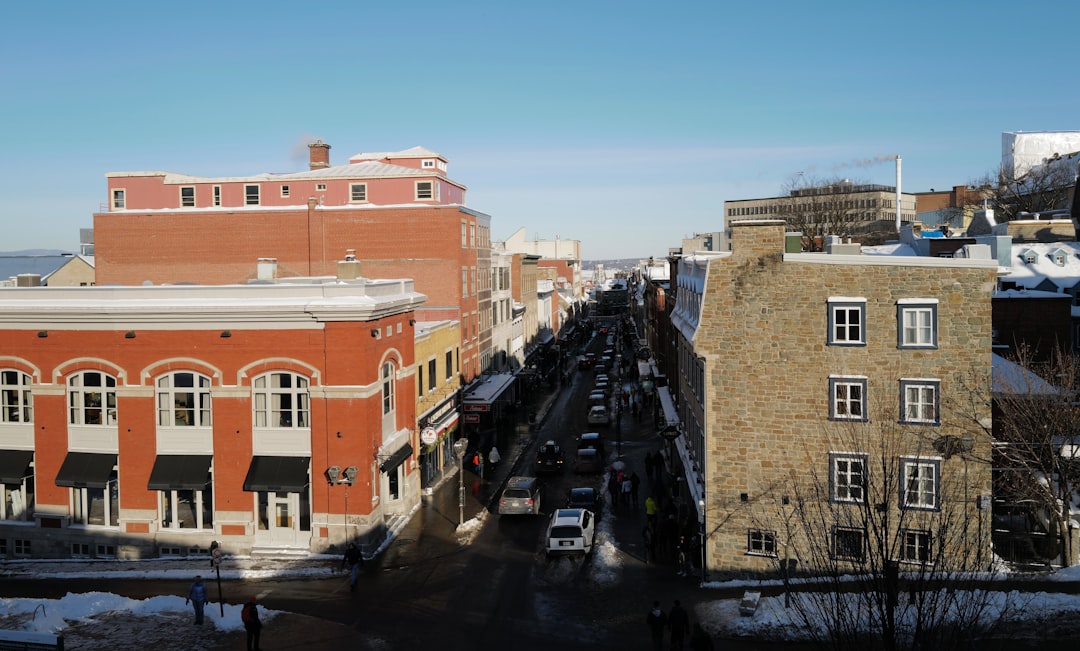
People call Québec City “the most European city in North America” with such frequency that you’d be forgiven for assuming it’s a lazy comparison. A shorthand for cobblestones. But here’s the thing — walk through the Porte Saint-Louis at dusk, hear the French bouncing off four centuries of limestone, and follow the fortification walls until the St. Lawrence opens up below you, and the comparison earns itself honestly. This is not a city that looks European. It feels it, in the weight of its stonework and the rhythm of its evenings.
I’ve been twice now, and both times the city revealed different faces. The first trip was all Old Town, all postcard. The second time I walked downhill into Saint-Roch, found the restaurants the locals actually talk about, and realized the city has two quite distinct personalities. The walled quarter does history with grace. Saint-Roch does now. Both deserve your time.
What I didn’t expect was how well the surrounding countryside plays against the urban density. Île d’Orléans sits just fifteen minutes from the city center — a pastoral loop of farmsteads, fromageries, and cider houses that makes the whole trip feel like you’ve visited two places at once.
The Honest Comparison: Why “European” Actually Sticks
The fortifications are real. Not reconstructed, not symbolic — 4.6 kilometers of defensive walls that still encircle the old city, making Québec the only walled city in North America north of Mexico. Walk the ramparts on a weekday morning when the tour groups haven’t assembled, and the views of the river below make the cliché unavoidable.
But the comparison goes deeper than architecture. It’s in the two-hour dinners, in the small-batch producers who know their customers by name, in the way the city closes certain streets to cars and nobody seems to mind. There’s a confidence to Québec City’s Frenchness that Montréal — with its bilingual everything — doesn’t quite share.
Inside the Walls: Old Québec Beyond the Selfie Spots
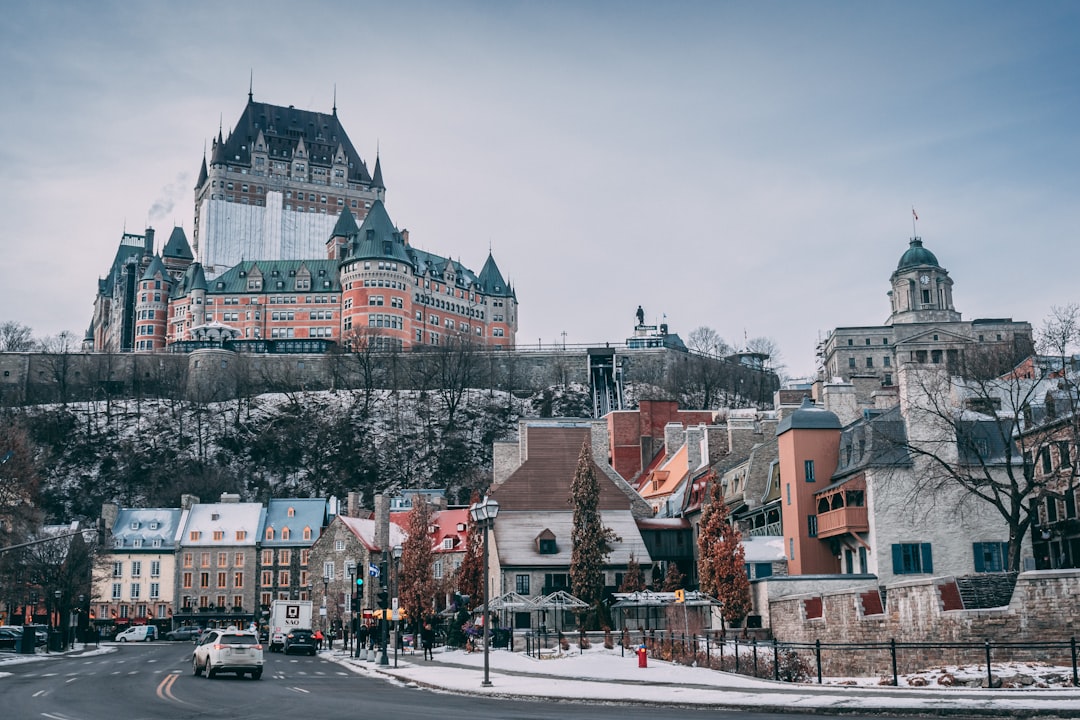
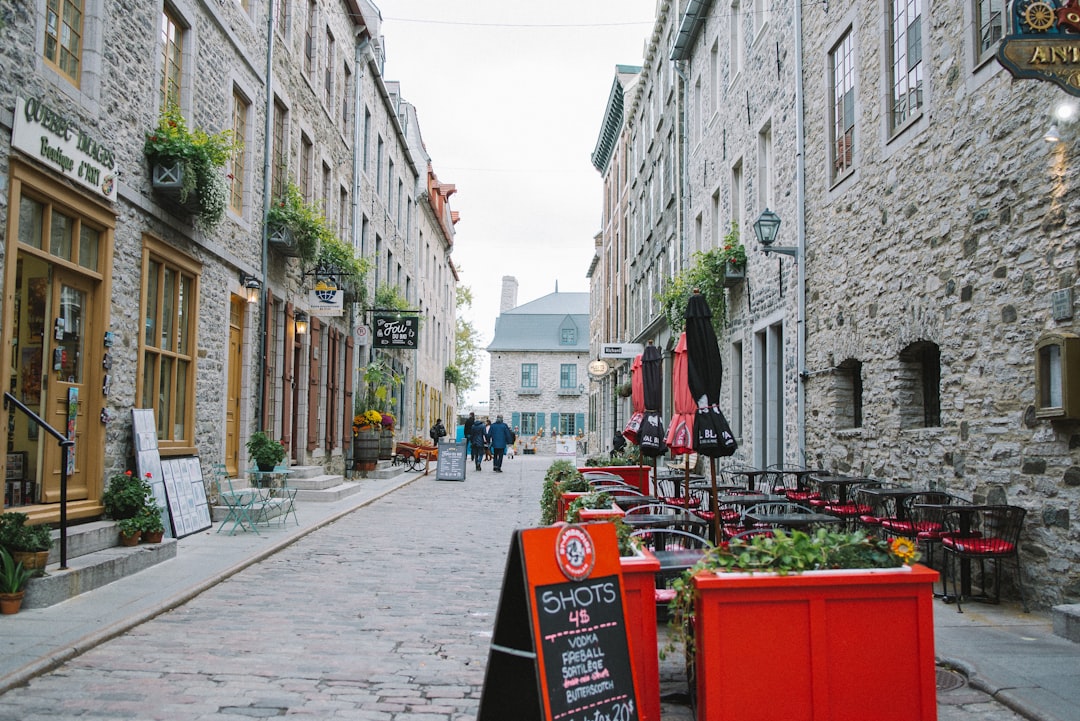
Everyone photographs Château Frontenac. Fair enough — it’s extraordinary. But the more interesting Old Town reveals itself once you drop below the cliff into Lower Town, specifically along rue Saint-Paul. This is where the antique dealers set up, where independent galleries occupy ground floors of 17th-century buildings, and where the pace slows considerably.
One spot that deserves specific mention: Le Parlementaire, the restaurant inside the Parliament Building. It’s an ornate Second Empire dining room where legislators actually eat lunch, and it’s open to the public. The food is competent, the setting is remarkable, and somehow very few tourists find their way in.
For a deeper dive into the city’s layered history, the guided walk along the fortifications is worth the time.
→ Fortifications & Citadelle guided walk
Saint-Roch: The Neighborhood That Changed Everything
If Old Québec is the city’s elegant face, Saint-Roch is its working kitchen. A former industrial district — the kind of neighborhood that empties after dark in most cities — it attracted young chefs precisely because rents were low and creative ambition could stretch. That was fifteen years ago. Now it’s the undisputed culinary heart of the city.
Battuto earned a Michelin Bib Gourmand in 2025, and chef Guillaume St-Pierre’s menu reads like a love letter to Québec terroir — foraged, local, confidently seasonal. L’Affaire est ketchup remains the wildest card in the deck: a micro-restaurant with no fixed menu, no signage worth mentioning, and a BYOB policy. Anthony Bourdain went. You should too.
Le Clocher Penché anchors the neighbourhood’s bistro scene with the kind of elevated comfort food that doesn’t require explaining. And La Tanière, which has been quietly building a reputation around foraged cuisine, is adding a rooftop garden in 2026.
The critical thing about Saint-Roch: most visitors never make it off the hill. They eat dinner inside the walls and miss the better food entirely.
The Île d’Orléans Day: Farmstead Cheese, Ice Cider, and the Pastoral Counterweight
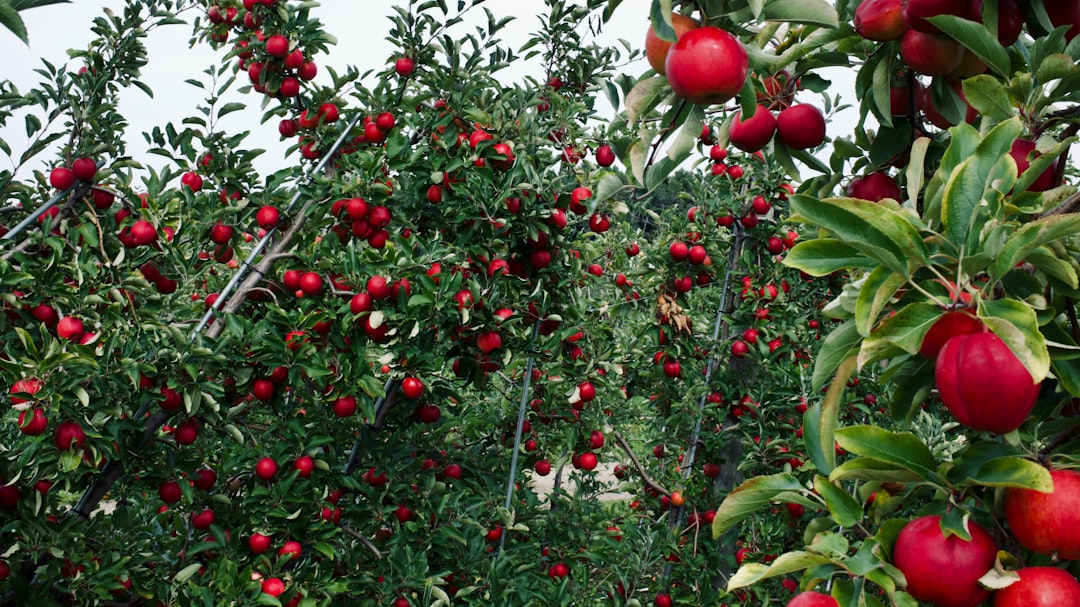
Fifteen minutes from the city center, Île d’Orléans sits in the St. Lawrence like a gentler, slower version of everything the city does well. A loop road connects the island’s parishes, and you can comfortably hit a fromagerie, two cider houses, and a farmstand in five hours without rushing.
Start at Les Fromages de l’isle d’Orléans. Their Paillasson is the first cheese produced in North America — still made here, still excellent, still served by staff who clearly care about the story. Then drive on to Cidrerie Verger Bilodeau for ice cider that’s won more gold medals than they can fit on the shelf. The dessert cider in particular is worth buying a bottle to take home.
Domaine Steinbach offers the most complete tasting experience: five cider varieties plus a dessert wine, with homemade chips and a jar of their preserves included. It’s organic, it’s generous, and the views from their terrace across the orchards are restorative in the way that only agricultural landscapes manage.
→ Île d’Orléans agritourism and tasting tour (half-day)
The Table: Where to Eat Beyond the Tour Groups
The restaurants inside the walls are fine. Some are good. But the genuinely exciting eating happens in Saint-Roch and, increasingly, along the edges of the Old Port.
Battuto — Québec terroir done with Italian precision. The tasting menu changes with the season. Go hungry.
L’Affaire est ketchup — No reservations, no menu, no pretense. They cook what looked good at the market. Bring your own wine. Arrive early.
Le Clocher Penché — Brunch here is the reason locals tolerate a queue. Dinner is equally strong. Bistro food that knows exactly what it is.
La Tanière — Foraging-forward cooking from a chef who treats the Laurentian forests as his larder. The bar program is worth a visit on its own.
Le Parlementaire — For the room, not the Michelin star it doesn’t have. Order simply and enjoy dining in a setting that politicians fight elections to occupy.
Timing and Staying: When to Go, Where to Sleep
September is the month. The summer festivals have ended, the heat has lifted, and the fall colours begin their run across Île d’Orléans before arriving in the city itself by mid-October. If you want the Festival d’été de Québec — Canada’s largest outdoor music festival — that’s mid-July, and hotels book months ahead.
Where to stay:
Hôtel Le Priori (Lower Town / Petit Champlain) — Boutique in the truest sense. Stone walls, suites with fireplaces, on one of the oldest streets in North America. You’re five minutes from the antique shops on rue Saint-Paul and a short funicular ride from the Upper Town.
Château Des Tourelles (Saint-Jean-Baptiste) — A turreted 1898 manor that delivers breakfast to your door. Walking distance to both Saint-Roch restaurants and the Old Town. The neighbourhood itself — Saint-Jean-Baptiste — is worth exploring for its independent shops and local cafés.
Hôtel du Vieux-Québec (Upper Town) — Exposed stone, a rooftop garden with actual beehives, and a central location if you prefer staying within the walls. The in-house bistro is competent for a lazy evening.
Plan Your Trip to Québec City
Best time to visit: Late September to mid-October — fall colours peak across Île d’Orléans and the Plains of Abraham, crowds thin out, and harvest season means fresh cider and new cheeses.
✈️ Getting There
Search flights to Québec City (YQB) on Skyscanner
🏨 Where to Stay
Hôtel du Vieux-Québec — Rooftop garden, exposed stone, central Upper Town location
Hôtel Le Priori — Boutique Lower Town gem with fireplace suites
🎟️ What to Book in Advance
Old Québec walking food tour
Île d’Orléans agritourism & tasting tour
Fortifications & Citadelle guided walk
📦 Pack Right
Insulated wine tote — you’ll want to bring ice cider home from Île d’Orléans
Some links in this post are affiliate links. If you book through them,
CuriosityTrail earns a small commission at no extra cost to you.
We only recommend things we’d book ourselves.