Limestone, Lobster, and Little Creatures: Why Fremantle Deserves Its Own Trip
Quick Essentials
- 📍 Best Time to Visit: March through May — the summer crowds thin, the Fremantle Doctor still blows every afternoon, and restaurant tables reappear without a booking app.
- ✈️ Flights:
Search flights to Perth (Fremantle)
| Direct from Singapore, Kuala Lumpur, and most Australian east-coast capitals - 🏨 Hotels:
Browse hotels in Fremantle
| Our picks below - 🎟️ Top Experience:
Fremantle Prison Torchlight Tour
— book ahead, it sells out - 🚗 Car Rental:
Compare rental cars in Perth/Fremantle
- 💰 Budget Range: $150–$300 AUD per day for mid-range to splurge, including a proper meal and a brewery crawl
The Port That Stayed Put
Perth grew up, filled out, and started wearing nicer clothes. Fremantle, twenty minutes down the train line, just kept being itself. That’s the short version. The longer version involves convict-cut limestone, a fishing harbor that still smells like the morning catch, and a craft-beer scene that started before most Australian cities knew what an IPA was.
Most visitors from Perth treat Freo as a Saturday-morning market trip. They catch the train, loop through the stalls, eat something on the Cappuccino Strip, and head back. They’re not wrong — the Fremantle Markets are worth the visit. But they’re seeing maybe twenty percent of what makes this place tick.
The other eighty percent is what happens when you stay. When you eat dinner at a place that sources its snapper from Shark Bay and its wine from Margaret River, and both arrive on the same plate without fanfare. When you walk the West End at dusk and realize the limestone buildings glow a particular shade of amber that doesn’t photograph well but stays with you regardless.
Fremantle doesn’t try to be Perth. It doesn’t try to be anything. That’s why it works.
When the Light Is Right: Timing Your Visit
The obvious answer is March through May. Summer — December through February — is hot, crowded, and everything books out. The Fremantle Doctor, the famous afternoon sea breeze that rolls in from the Indian Ocean, still blows through autumn but you’re not relying on it to survive the day.
September through November works too. Spring in Western Australia means wildflower season inland, so if you’re combining Fremantle with a drive up the coast or through the jarrah forests, the timing is impeccable. The Fremantle Biennale runs every two years in November during the Nyoongar season of Kambarang — contemporary art scattered through the port precinct in a way that feels genuinely integrated rather than imposed.
July brings the Fremantle Festival, which is smaller and wetter but has a local energy that the bigger events don’t. And if you time it right in autumn, the Fremantle Beerfest fills the Esplanade Park with enough craft beer to make the brewery strip jealous.
The one thing to know: humpback whale season runs September through November. They pass close enough to Fremantle that you can sometimes spot them from the harbor wall, though a boat trip from Rottnest Island is the better bet.
Where to Drop Your Bag
Fremantle accommodation runs smaller and more distinctive than Perth’s. The corporate chains haven’t landed here with the same force, and the result is a handful of places with actual character.
Garde and Warders Hotel. Eleven rooms inside restored 1851 warders’ cottages, originally built to house the guards of Fremantle Prison next door. The heritage architecture has been preserved with real conviction — original limestone walls, jarrah timber — while the interiors are clean and contemporary. It’s one of the most distinctive small hotels in Australia, and the proximity to the prison gives you an unfair advantage for morning tours before the crowds arrive.
→ Garde and Warders Hotel on Booking.com
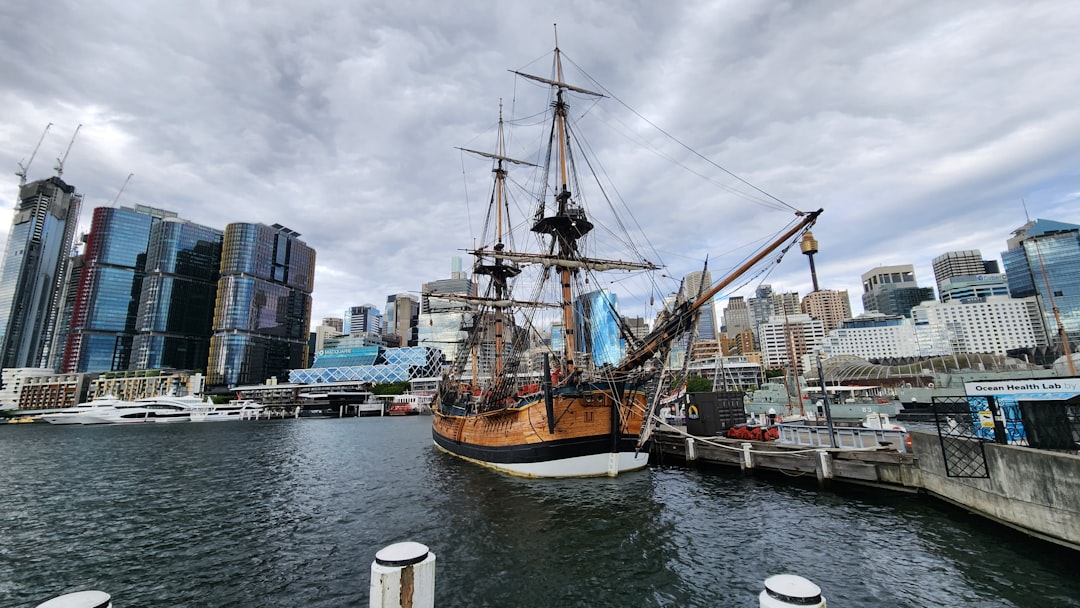
The Hougoumont Hotel. Named after the last convict transport ship to arrive in Fremantle, The Hougoumont takes a different approach — mid-century-style cabin rooms built inside repurposed shipping containers, stacked and arranged with a nautical logic that makes more sense when you see it. Central location, easy walk to the markets and the harbor. The kind of place that photographs well but also sleeps well.
→ The Hougoumont Hotel on Booking.com
If you want something quieter, South Fremantle is the neighborhood to know. It’s a ten-minute walk south of the main drag, closer to South Beach, and the café scene along South Terrace has the unhurried quality that the Cappuccino Strip lost to foot traffic. You won’t find big hotels here, but the apartments and B&Bs have the local feel that makes you unpack properly.
Beyond the Markets: What to Actually Do
Fremantle Prison. The UNESCO World Heritage listing is deserved. Built by the convicts it was designed to hold — between 1852 and 1859 — the prison operated until 1991, which means the most recent stories are only a generation old. The standard Convict Prison Tour is solid, but the Torchlight Tour is the one to book. It runs after dark, the guides lean into the theatrical, and the architecture does the rest. If you have the stamina, the Tunnels Tour is a two-and-a-half-hour underground expedition through flooded passages beneath the prison, including a boat ride through tunnels that most Fremantle residents don’t know exist.
→ Fremantle Prison Torchlight Tour on GetYourGuide
The WA Shipwrecks Museum. Free admission, and most people walk right past it on the way to the markets. That’s a mistake. The reconstructed stern of the Batavia — a Dutch East India Company ship that wrecked off the WA coast in 1629, triggering one of the most extraordinary mutiny-and-massacre stories in maritime history — is the centerpiece, but the smaller artifacts recovered from the seabed are equally compelling. The museum occupies an 1852 commissariat building that is itself worth the visit.
The Fremantle Arts Centre. A convict-built limestone asylum from the 1860s, now a free gallery space with rotating exhibitions. The building alone justifies the walk — it’s one of the finest examples of colonial Gothic architecture in Western Australia. But the real draw is the courtyard, which hosts free live-music sessions on Sundays. Locals know this. Tourists mostly don’t.
Walking the West End. Fremantle’s West End heritage precinct is the densest collection of intact gold-rush-era limestone buildings in Australia. Most visitors never get there because it’s in the opposite direction from the markets. Walk down High Street toward the Round House — the oldest public building in Western Australia, built in 1831 — and let the architecture unfold. No agenda. No itinerary. Just good buildings and good light.
The Harbor Table: Where Fremantle Eats and Drinks
The food story in Fremantle has shifted. It’s no longer just fish and chips on the wharf — though that’s still here and still good. The newer restaurants are doing something more interesting with West Australian seafood: treating it with the same precision and restraint that you’d find in Melbourne or Sydney, but with ingredients that are distinctly local.
Madalenas Bar in South Fremantle is the restaurant that changed the conversation. The Shark Bay pink snapper crudo — raw, with daikon and yuzu — is the dish that introduced a lot of people to the idea that WA seafood could be delicate. The raw Wadjemup yellowfin tuna with ajo blanco is equally precise. The wine list leans natural, the room is small, and you should book.
Vin Populi is the Italian newcomer doing house-made pasta and salumi with local seafood folded in where it makes sense. It’s not trying to reinvent anything — just executing well in a room that feels lived-in.
Cicerello’s has been serving fish and chips on the waterfront for over a century. The Deluxe Tasting Plate with half a lobster is the move if you want to do it properly. It’s not subtle, it’s not quiet, and you’ll probably be eating next to a family with sandy feet. That’s the point.
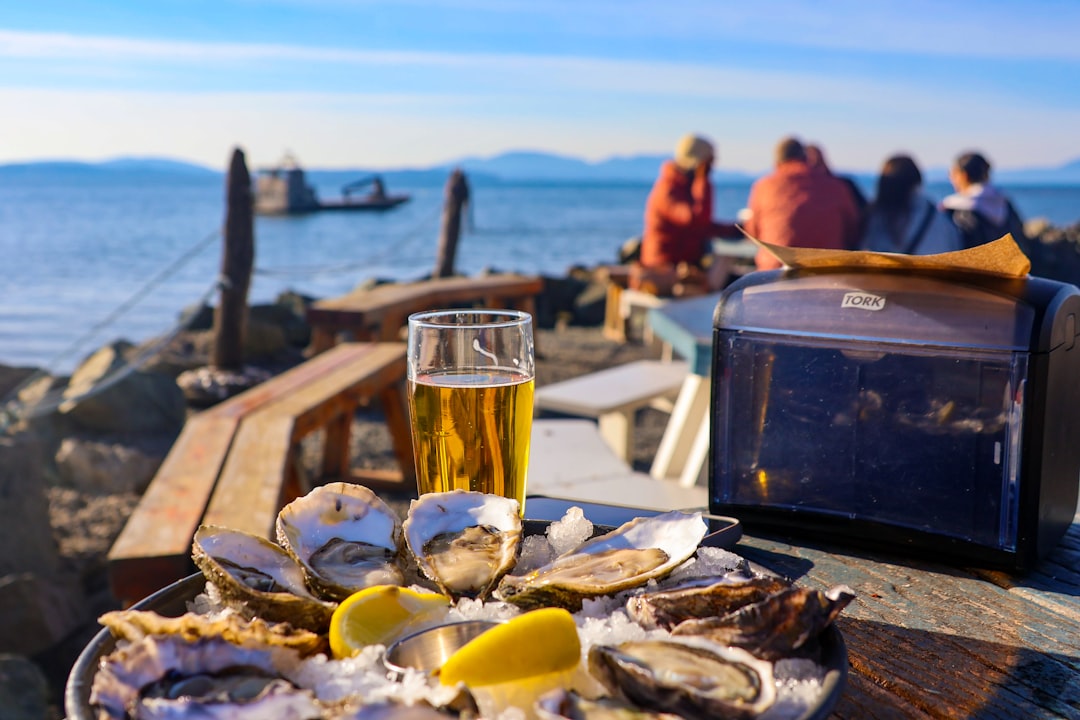
For beer, the strip is the thing. Little Creatures is where Australian craft beer arguably started taking itself seriously. The pale ale poured from the serving tanks at the brewery tastes different from what you get in bottles elsewhere — fuller, less filtered, still alive. Gage Roads is the newer arrival, and the location is the experience: you drink a mandarin sour while watching container ships navigate the harbor mouth. Calamity’s is the nano-brewery in shipping containers that locals swear by — a constantly rotating tap list, nothing brewed twice the same way.
The Rottnest Question
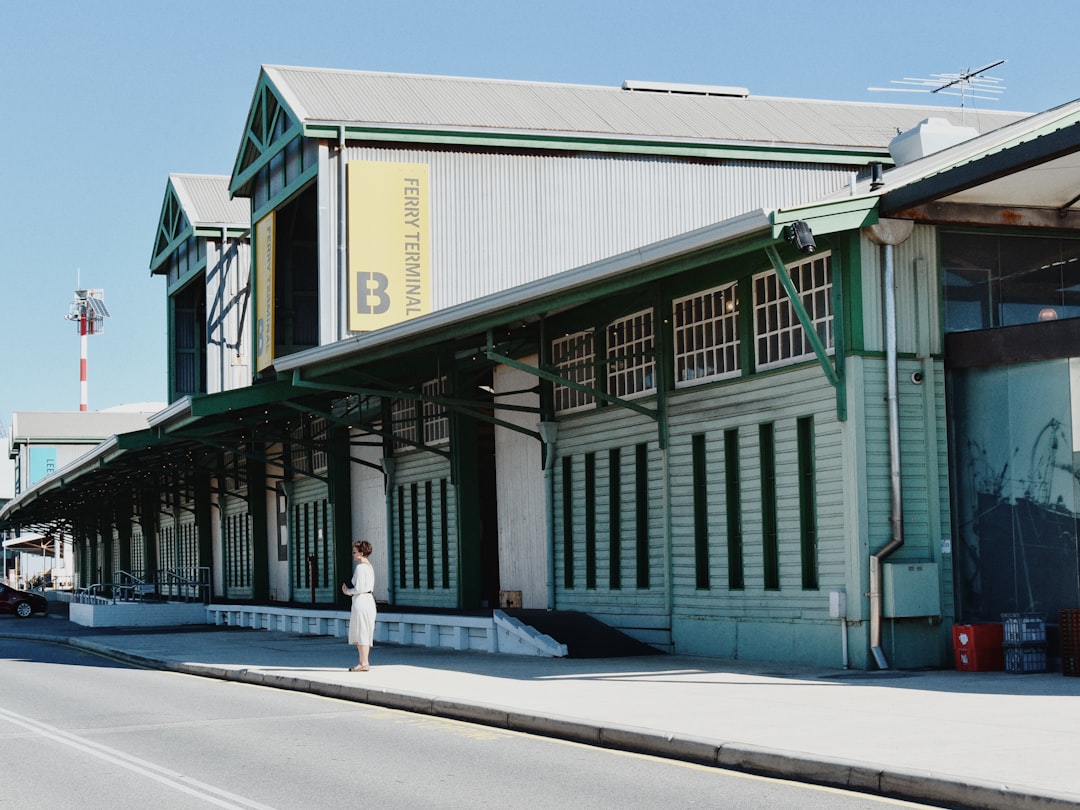
Every Fremantle guide includes Rottnest Island, and it should. The ferry runs from B-Shed terminal, the crossing takes twenty-five minutes, and you’re on a car-free island with white-sand beaches and ten thousand quokkas who’ve never learned to be afraid of people.
The experienced-traveler advice: go on the earliest ferry. By mid-morning in peak season, the main settlement area gets crowded. Take the bike — hire is available at the terminal — and ride the 22 kilometers of coastal path out to the western bays, where the water is ridiculous and the crowds aren’t. The quokkas are everywhere, but they’re most active early morning and dusk, so if you’re staying just for the day, the morning ferry gives you the best odds.
→ Rottnest Island Ferry and Bike Day Trip from Fremantle
Plan Your Trip to Fremantle
Best time to visit: March through May — warm days, manageable crowds, and the afternoon sea breeze keeps everything comfortable.
✈️ Getting There
Search flights to Perth (Fremantle) on Skyscanner
🏨 Where to Stay
The Hougoumont Hotel — mid-century cabin rooms in repurposed shipping containers, central Fremantle
Garde and Warders Hotel — restored 1851 warders’ cottages beside Fremantle Prison
🎟️ What to Book in Advance
Fremantle Prison Torchlight Tour
Rottnest Island Ferry and Bike Day Trip
Fremantle Craft Beer and History Walking Tour
📦 Pack Right
Sun Bum Reef-Safe Mineral Sunscreen SPF 50
— non-negotiable in Western Australia
Some links in this post are affiliate links. If you book through them,
CuriosityTrail earns a small commission at no extra cost to you.
Recommendations are chosen on merit; commissions never decide what’s included.