Savannah Square by Square: An Unhurried Guide to America’s Most Walkable City
Quick Essentials
- ✈️ Flights:
Search flights to Savannah
- 🏨 Hotels:
Browse hotels in Savannah’s Historic District
- 🎟️ Top Experience:
Historic Squares guided walking tour
- 🚗 Car Rental:
Compare rental cars in Savannah
The City That Was Drawn Before It Was Built
Most American cities grew outward from a port or a crossroads, filling in the gaps with whatever urgency demanded. Savannah was different. James Oglethorpe drew it on paper in 1733 — a grid of wards, each one anchored by a square that would serve as commons, marketplace, and breathing room. Twenty-two of those squares survive. They’re not decorative parks. They’re the structural logic of the city itself.
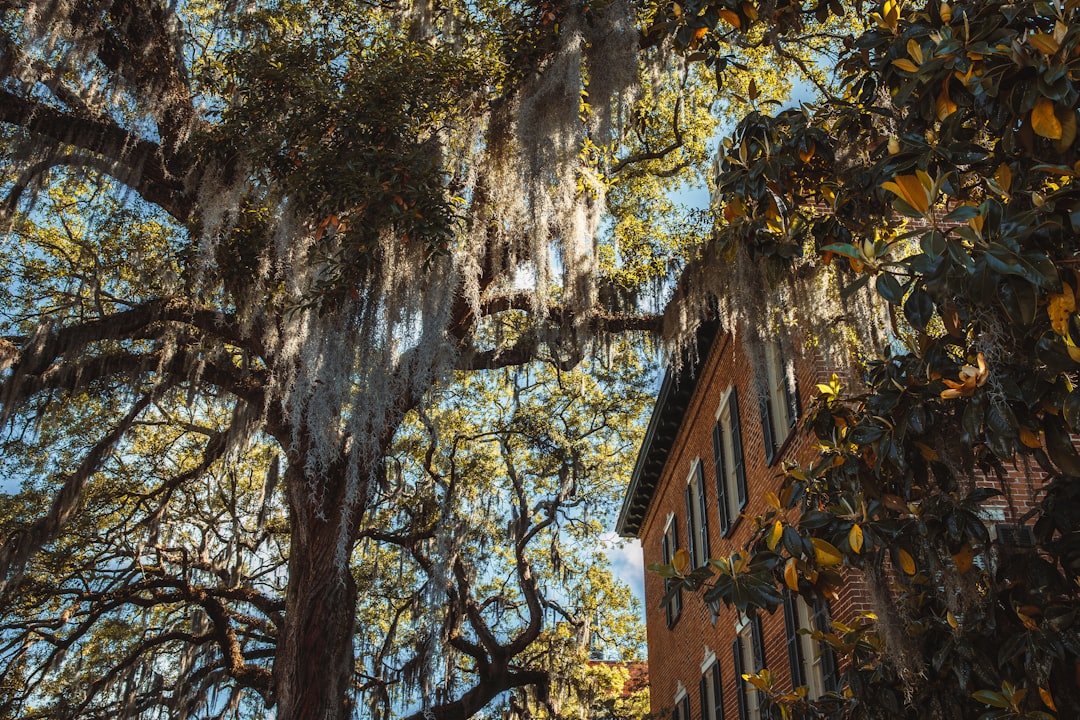
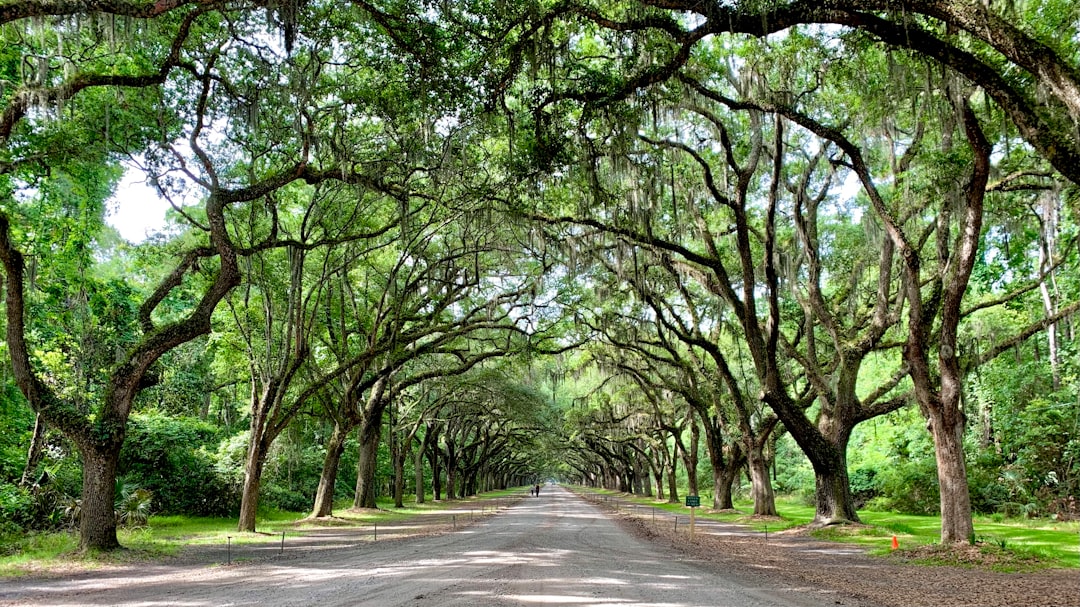
What this means in practice is that Savannah doesn’t sprawl into you. It reveals itself one square at a time, each one a distinct room with its own trees, its own architecture, its own particular shade of afternoon light filtered through Spanish moss. You don’t tour this city. You drift through it.
For anyone who’s done the Southern cities — Charleston’s Rainbow Row, New Orleans‘s French Quarter — Savannah offers something harder to find: a place where the architecture hasn’t been polished into a museum, where the food scene is earning its reputation rather than coasting on it, and where the pace genuinely slows without anyone marketing that slowness back to you.

Reading the City Ward by Ward
The temptation is to list all twenty-two squares. I won’t do that to you. Instead, think of the Historic District in three tiers.
The northern squares — Johnson, Reynolds, Wright — sit closest to the river and carry the oldest bones. Johnson Square dates to 1733, making it the first. The architecture here is Georgian and Federal: symmetrical, restrained, built for merchants who wanted their prosperity to look respectable. Reynolds Square is worth pausing at for the Oliver Sturges House, one of the few remaining wooden colonial structures in a city that’s seen its share of fires.
The middle belt — Chippewa, Madison, Monterey — is where the city found its confidence. These squares date from the early to mid-1800s, and the architecture shifts accordingly. Greek Revival columns appear. Ironwork gets more elaborate. Monterey Square holds the Gothic Revival synagogue of Congregation Mickve Israel, the third-oldest Jewish congregation in America. Most people walk right past it, which is their loss.
The southern squares — Lafayette, Whitefield, Chatham — were the last to be laid out, and the Victorian influence shows. Italianate mansions. Wider lots. Lafayette Square is framed by the Cathedral of St. John the Baptist on one side and Andrew Low House on the other — two entirely different expressions of mid-19th-century ambition sharing the same public green.
The point isn’t to tick them off. It’s to notice how the architecture changes as you walk south, each era leaving its signature without erasing what came before. A guided walking tour through the squares is worth the two hours if you want the stories behind the facades.
→ Historic Squares walking tour with architectural narration
The Lowcountry Food Revival
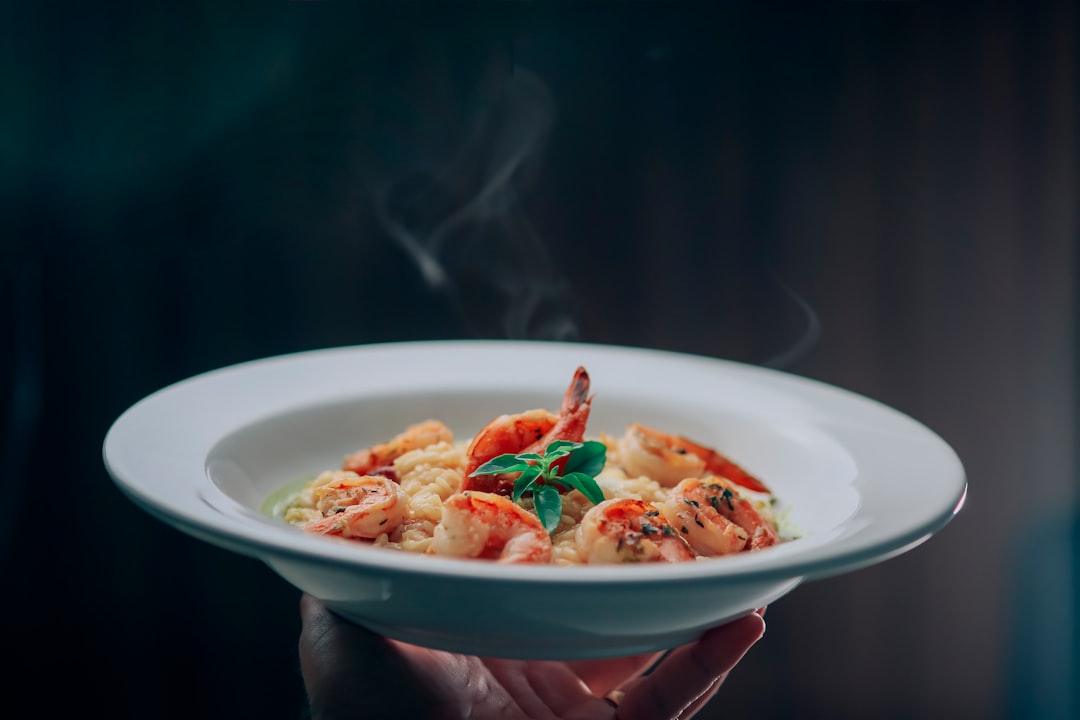
Five years ago, Savannah’s dining reputation was fried shrimp and tourist-trap pralines on River Street. That’s changed. Not in the overnight way of a city that attracted a celebrity chef and a food hall, but in the slower way of local talent staying put and raising the standard.
Elizabeth on 37th remains the anchor. It’s been open since 1981, which in restaurant years is geologic time, and it earns that longevity with a menu that respects Lowcountry ingredients without genuflecting to tradition. The shrimp and grits here are the benchmark. You’ll compare everything else to them.
Common Restaurant operates at a different frequency — Wine Spectator awards, a DiRoNA nod in 2025, the kind of precision that suggests the kitchen takes itself seriously. It does. But the room doesn’t, which is the right balance.
Alligator Soul occupies a basement that feels like a secret even though it’s been written up everywhere. The duck and the alligator dishes earn the reputation. The vegetable sides are quietly excellent.
The newest arrival worth noting is Lester’s, opening in 2026 at The Douglas Hotel. Jacques Larson — two-time James Beard nominee — is building a French-Lowcountry seafood concept around oysters, shellfish, and market catch. It’s the first Savannah opening in years that feels like it could shift the city’s culinary centre of gravity.
For the quick stops: Leopold’s Ice Cream has operated since 1919 and the Georgia pecan butter pecan is the local order. PERC Coffee is one of the better roasters in the country and nobody outside Georgia seems to know it. The Lowcountry boil at Savannah Seafood Shack is communal and messy and exactly right.
Where Spanish Moss Frames the Stories
The squares get the attention, but Savannah’s quieter dimension lives south of Forsyth Park and in the back lanes of the Victorian District. Here the tourist foot traffic drops to nearly nothing. Iron gates open onto kitchen gardens. Cats own the pavement. The houses are smaller, less restored, more lived-in.
This is also where the city’s deeper history breathes. The Gullah/Geechee culture — the heritage of enslaved West Africans who built the coastal Lowcountry — runs through Savannah’s food, language, and craft traditions in ways that most visitors never encounter. Day Clean Journeys, led by local historian Amir Jamal Toure, offers tours that trace this heritage with genuine depth. It’s one of those experiences that reframes everything else you see in the city.
→ Day Clean Journeys cultural heritage tour
The other Savannah few visitors find is the working waterfront. Outside Savannah runs port tours by boat — cargo ships, tugboats, the massive cranes of the Garden City Terminal — and it’s a fascinating counterpoint to the genteel squares. The port is one of the busiest on the East Coast, and seeing it from water level gives you a sense of the city’s economic engine that the Historic District deliberately hides.
The Practical Stuff
When to go. March through May is the sweet spot. The Savannah Music Festival (late March into early April) is genuinely excellent if you like jazz, bluegrass, or chamber music in intimate venues. April brings the SCAD Sidewalk Arts Festival in Forsyth Park. Summer is brutal — high 90s with humidity that discourages walking. Autumn is viable but lacks the spring bloom.
Where to stay. The Historic District keeps you within walking distance of everything that matters.
Perry Lane Hotel. A Luxury Collection property with a rooftop pool and curated art that manages to feel more Savannah than corporate. The rooms are generous. The location is central without being loud.
The Douglas Hotel. Newer, with a modern sensibility and home to Lester’s downstairs. If you want to be at the centre of whatever Savannah’s dining scene does next, this is the address.
South of Forsyth Park. For something quieter, the boutique inns in restored Victorians along the park’s southern edge give you Savannah’s residential character without sacrificing access. A ten-minute walk puts you in the squares.
→ Boutique hotels near Forsyth Park
Getting around. You walk. That’s not a lifestyle recommendation — it’s the city’s design. The Oglethorpe grid means everything in the Historic District is within a twenty-minute walk of everything else. For Tybee Island (the beach, twenty minutes east), you’ll want a car or a ride. Up the coast, Charleston makes an easy pairing, with its historic district and the Lowcountry kitchens beyond King Street.
Plan Your Trip to Savannah
Best time to visit: March through May — azaleas bloom, temperatures sit in the mid-70s, and the Savannah Music Festival fills intimate venues across the city.
✈️ Getting There
Search flights to Savannah on Skyscanner
🏨 Where to Stay
The Douglas Hotel — modern boutique in the Historic District, home to Lester’s restaurant
Perry Lane Hotel — Luxury Collection property with rooftop pool and curated art
🎟️ What to Book in Advance
📦 Pack Right
Comfortable walking shoes with arch support
— you’ll cover 5–8 miles per day on uneven sidewalks and cobblestones.
Some links in this post are affiliate links. If you book through them,
CuriosityTrail earns a small commission at no extra cost to you.
Recommendations are chosen on merit; commissions never decide what’s included.