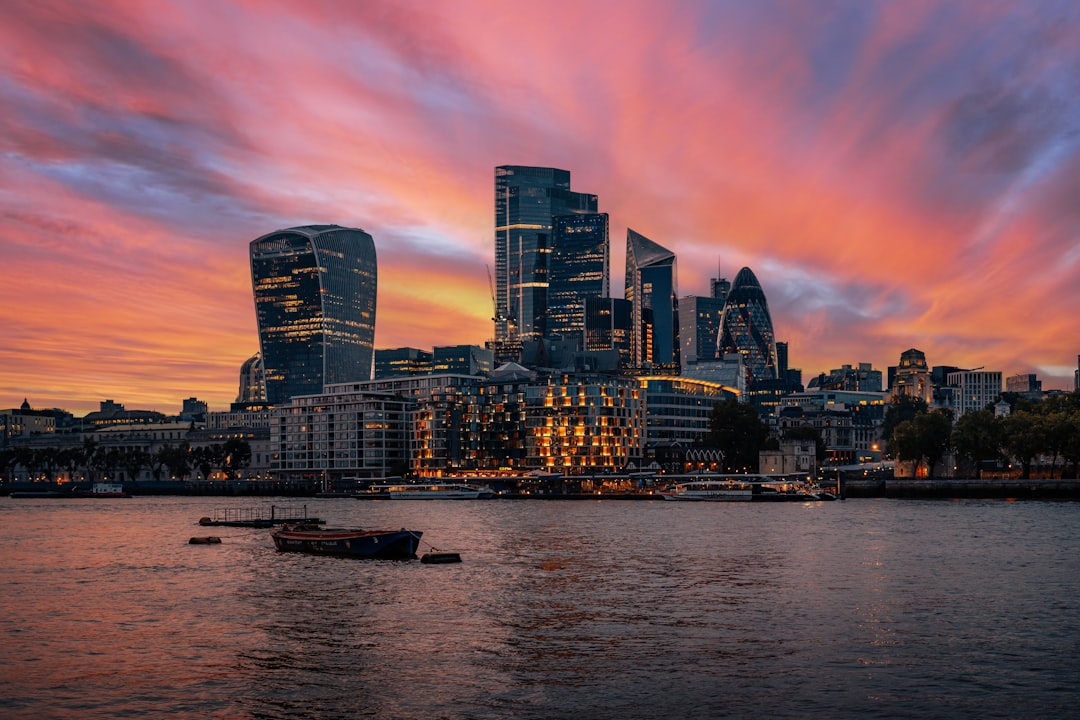
Perth, Western Australia: The City Break You Weren’t Expecting
Quick Essentials
- 📍 Best Time to Visit: Late September through mid-November — wildflowers blanket Kings Park, the mornings are warm without the summer scorch, and shoulder-season pricing still applies.
- ✈️ Getting There: Search flights on Skyscanner | Direct from Singapore, Kuala Lumpur, Auckland, and all major Australian cities
- 🏨 Where to Stay: Browse Perth hotels on Booking.com
- 🎟️ Don’t Miss: Rottnest Island full-day bike and ferry trip on GetYourGuide
- 🚗 Car Rental: Compare rental cars in Perth — only needed for Margaret River or Pinnacles day trips
- 💰 Budget Range: $180–$350 AUD per day for a couple — mid-range hotels, good restaurants, one bookable experience
Perth is the kind of city that benefits from low expectations. For decades it existed in the travel imagination as a layover — the place you passed through on the way to Margaret River, or the last airport before the Indian Ocean. That reputation was never entirely fair, but it wasn’t entirely wrong either. Perth was quiet. It was far. It was beautiful in a way that required patience to appreciate.
What’s changed is the waterfront. Elizabeth Quay opened a decade ago and has matured into something genuinely good — not a tourist precinct bolted onto a CBD, but a riverfront that locals actually use. The restaurants are serious. The sunset drinks are worth the price. And the twenty-minute ferry to Rottnest Island turns a city break into something with sand and salt air without needing a domestic connection.
The other shift is less visible but more interesting: Perth’s warehouse districts have quietly become one of Australia’s best wine-bar scenes. Northbridge and the CBD laneways are full of converted industrial spaces pouring Margaret River Cabernet and Great Southern Riesling by the glass, run by people who know the winemakers personally. It’s the kind of thing Melbourne gets credit for, but Perth does with less performance and more warmth.
If you’ve written Perth off as a gateway, it’s worth another look. The city has caught up. In some ways, it’s pulled ahead.
Elizabeth Quay and the New Waterfront
The best way to understand what Perth has become is to walk Elizabeth Quay at around five in the afternoon. The Swan River turns copper. Black swans drift through the inlet — yes, they’re real, and they’re everywhere. The suspension bridge frames the skyline, and the boardwalk fills with people who look like they have no particular agenda, which is the whole point.
The dining along the quay has graduated past its opening-year novelty. Community at Quay does a proper morning coffee. 18 Knots, up on the rooftop level, is where the sunset drinks happen — the kind of place where the view does half the work and the cocktail list handles the rest. For something more substantial, the long-lunch spots along the boardwalk serve produce-driven menus that lean on Western Australian seafood and Swan Valley wines.
The Bell Tower sits at the quay’s edge, housing the historic Swan Bells — a set of 18 bells, some dating to the 14th century, originally from London churches. You can ring them yourself, which is more satisfying than it sounds. The observation deck gives you the panoramic view of the river and Kings Park that you’ll want for orientation before you wander further.
From Elizabeth Quay, the free CAT bus runs north to Northbridge and south to the train station. The ferry terminal connects you to Rottnest Island, South Perth, and Fremantle. It’s the kind of hub that makes a car unnecessary for the first few days.
Northbridge After Dark
Northbridge starts behind the train station and sprawls north through laneways, cultural institutions, and a street-art scene that’s earned genuine respect. The Perth Cultural Centre anchors the precinct — the Art Gallery of Western Australia, the State Library, and the Perth Institute of Contemporary Arts all sit within a few hundred metres of each other, and all of them are free.
But Northbridge earns its place on a city break after sunset. The laneways fill up in a way that feels organic rather than curated. Small bars open onto narrow streets. The food scene runs from late-night Thai to wood-fired Italian to places that resist easy categorization. The Northbridge Piazza runs free screenings and events throughout the year — cricket on the big screen, yoga in the morning, food markets on weekends.
What makes it work for experienced travelers is the scale. Northbridge is walkable in twenty minutes end to end, but dense enough that you’ll keep finding places. It doesn’t feel like a nightlife district trying to impress you. It feels like a neighbourhood that happens to stay up late.
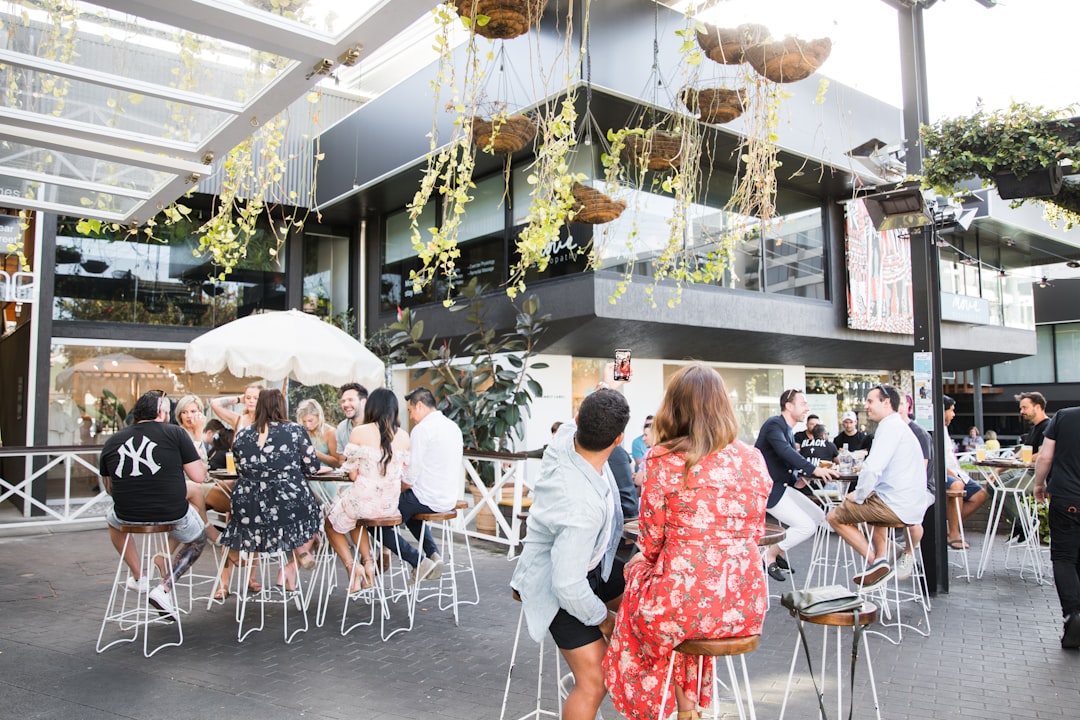
The Warehouse Wine-Bar Scene
This is the part of Perth that gets overlooked. The city has built a wine-bar culture in converted industrial spaces that rivals anything on the east coast, and almost nobody outside Western Australia talks about it.
Vin Populi, in Fremantle’s West End, occupies a light-filled heritage building and pours a 160-strong list of Italian and Australian wines alongside antipasti and fresh pasta. The vibe is long-lunch Mediterranean — the kind of place where you look up and three hours have passed. Mayfair Lane, just outside the CBD, houses one of Perth’s most serious wine lists, assembled by a sommelier-owner who can talk you through the Great Southern region in a way that makes you want to drive down there the next morning.
Brighton, up in Scarborough, takes a different approach — over 200 Australian wines on the list, three-quarters from Western Australia, poured in a beachside setting that doesn’t feel like a gimmick. It works because the wine knowledge is real, not decorative.
The common thread is expertise worn lightly. Perth’s wine people know their producers because the vineyards are two hours away, not twelve. Margaret River Chardonnay and Cabernet get the most attention, but ask about the emerging regions — Great Southern Riesling, Pemberton Pinot Noir, Geographe Tempranillo — and you’ll find a depth that rewards curiosity.
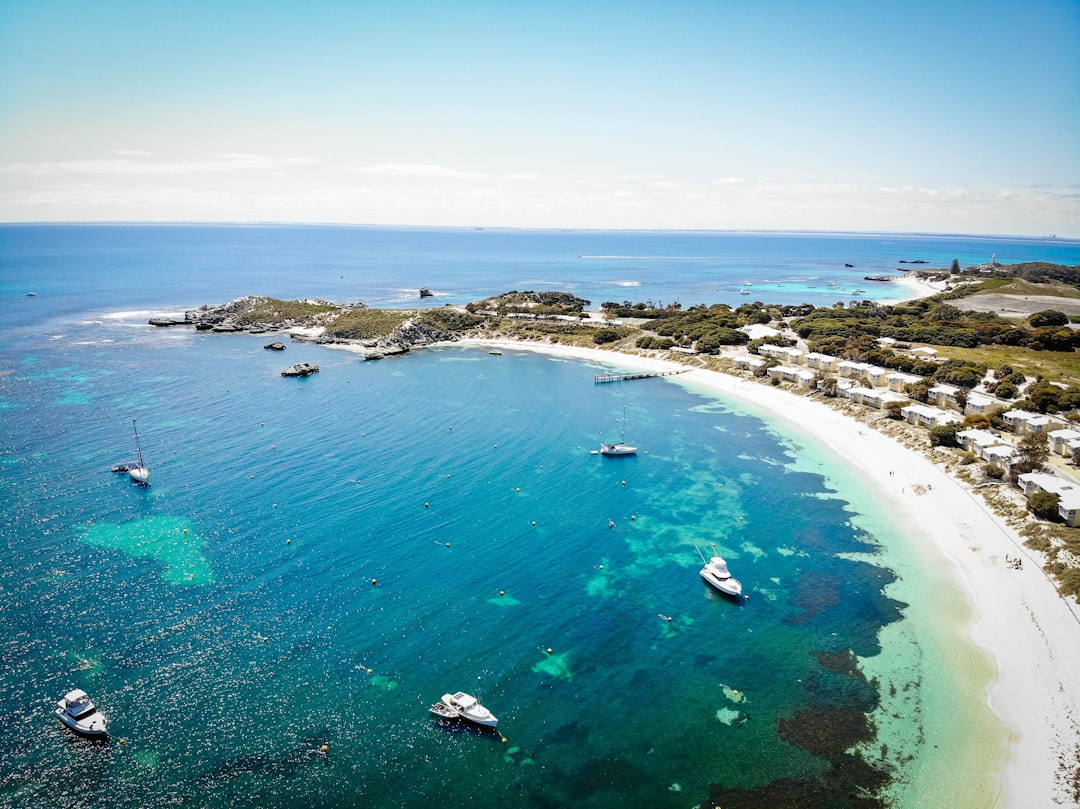
Rottnest Island: The Twenty-Minute Escape
Rottnest Island — Rotto, if you want to sound local — is the reason a Perth city break works as more than just restaurants and wine bars. The ferry from Fremantle takes 25 minutes. From Elizabeth Quay in the CBD, it’s about 90 minutes. Either way, you arrive at an island where private cars are banned and the primary mode of transport is a bicycle.
The island has 22 kilometres of cycling trails that wind through grassy headlands, past salt lakes streaked pink and white, and along bays so turquoise they look digitally enhanced. They’re not. The water clarity on Rottnest is genuinely startling. The Basin and Little Salmon Bay are the swimming spots that earn the Instagram posts, but Parker Point is better for snorkelling — fewer people, more reef.
And yes, the quokkas. Twelve thousand of them live on the island, and they’re less shy than you’d expect. They’re nocturnal, so the best viewing is late afternoon — from around 5pm they emerge near the settlement, the bakery, and the camping areas. The selfie impulse is understandable but resist it; watching them graze undisturbed from a few metres away is a better experience than chasing them with your phone.
The ideal Rottnest day: early ferry, cycle the northern loop in the morning when it’s cool, swim at The Basin, fish and chips at the settlement for lunch, cycle the southern bays in the afternoon, quokkas at dusk, late ferry back. If you have two days, stay overnight at Discovery Rottnest and split the island in half.
Rottnest Island full-day bike and ferry trip
Fremantle: Perth’s Cooler Sibling
Fremantle sits thirty minutes south of the CBD by train and operates on a different frequency. The architecture is Victorian-era heritage — limestone and iron lace — and the streets have the kind of patina that comes from being a working port town rather than a planned precinct. The Fremantle Markets run Friday through Sunday and are genuinely worth the visit, not just for tourists but because the produce is excellent and the crowd is local.
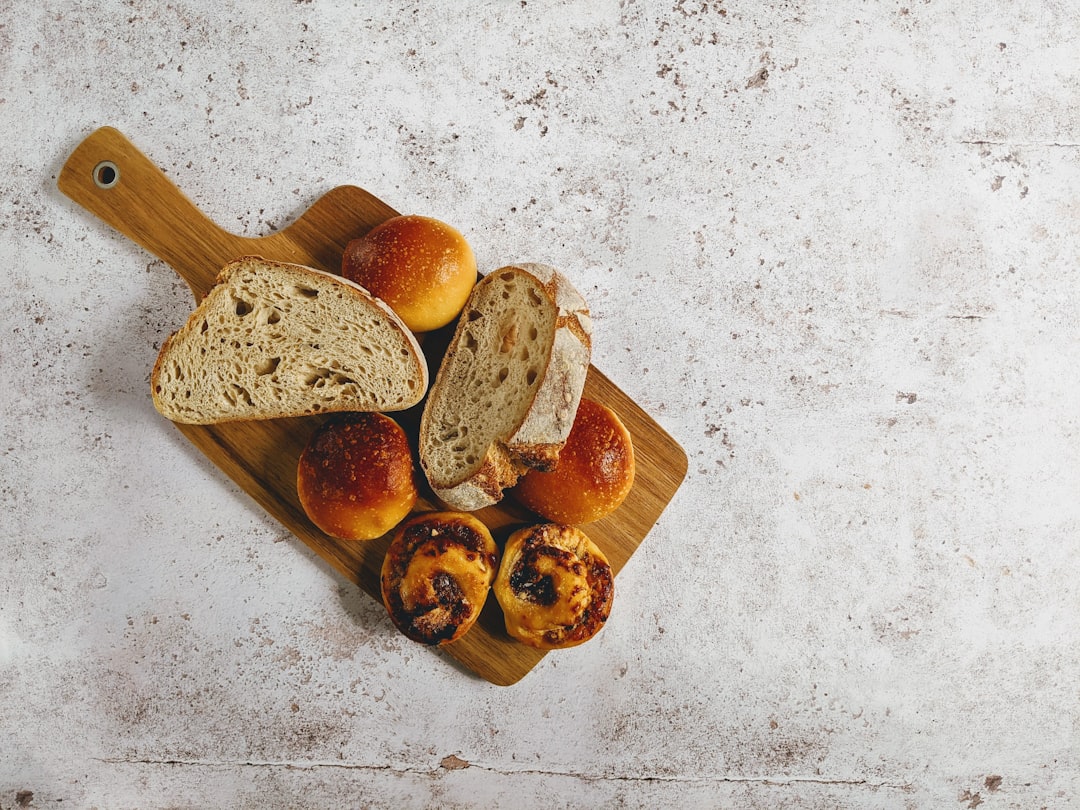
Bread in Common is the restaurant that defines the Fremantle food philosophy. It occupies a converted warehouse — high ceilings, communal tables, provincial-industrial aesthetic — and every dish is designed around house-baked sourdough. The share plates work: Shark Bay tiger prawns, lamb ribs dressed in mint and black garlic, duck fat roast potatoes. It’s the kind of meal where you order too much and feel fine about it.
The craft-beer scene in Fremantle is serious. Little Creatures, in a former crocodile farm (really), was the brewery that put Australian craft beer on the map. Gage Roads, down by the harbour, does a lighter, more sessionable range. Both are worth a stop, and both feel like Fremantle — unhurried, unpretentious, and good at what they do.
Fremantle walking and food tour
Where to Stay: Three Bases, Three Moods
Elizabeth Quay / CBD. The walkable option. New waterfront hotels put you within a few minutes of ferries, restaurants, the free CAT bus, and the train to Fremantle. This is the right base if you want to cover ground without a car and like coming back to a city view at the end of the day.
Browse Elizabeth Quay hotels on Booking.com
Fremantle. The neighbourhood option. Heritage B&Bs and boutique hotels sit among markets, craft breweries, and the cappuccino strip on South Terrace. Fremantle has its own rhythm — slower, more bohemian, more salt air. Better if you’d rather be somewhere than be near everything.
Browse Fremantle hotels on Booking.com
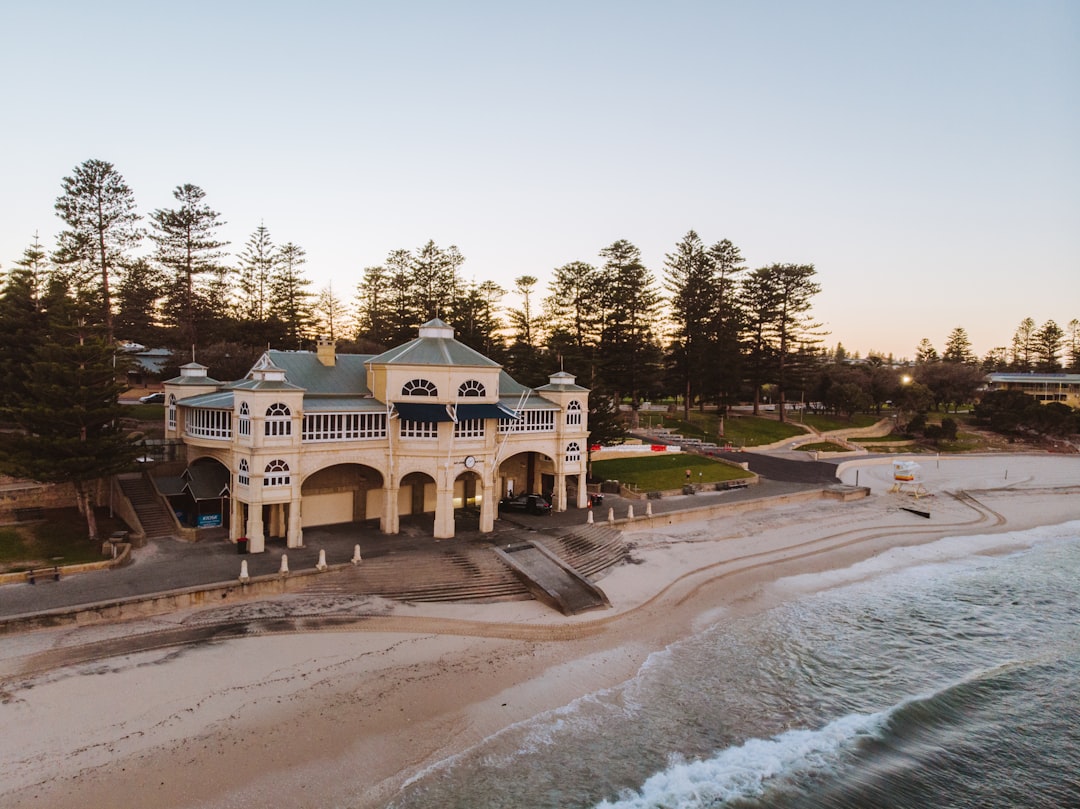
Cottesloe. The beachside option. Snow-white sand, turquoise water, and the iconic Indiana teahouse on the foreshore. Cottesloe is Perth’s most photogenic beach, and the accommodation is boutique rather than resort. The train to the CBD takes twenty minutes. North Cottesloe is better for snorkelling, the main beach for swimming.
Browse Cottesloe hotels on Booking.com
Getting Around Without a Car
Perth’s free CAT bus system covers the CBD, Elizabeth Quay, and Northbridge — three colour-coded routes running every few minutes. The train network connects the city to Fremantle (25 minutes), Cottesloe (15 minutes), and the northern suburbs. The ferry terminal at Elizabeth Quay runs services to Rottnest, South Perth, and upriver.
You don’t need a car for a Perth city break of three or four days. If you’re adding Margaret River or the Pinnacles to the itinerary, rent one for the day trip — the drives are easy and the roads are quiet by Australian standards.
When to Go: The Seasonal Truth
September–November is the sweet spot. Spring in Perth means 20–25°C days, clear skies, and wildflower season across Kings Park and the wider region. The Kings Park Festival in September turns the Botanic Garden into a showcase of Western Australian wildflowers — 3,000 species across 400 hectares. Shoulder-season pricing applies to hotels and flights.
March–May is the strong alternative. Autumn days are warm, evenings are cool enough for a jacket, and the summer crowds have dispersed. The Sculpture by the Sea exhibition along Cottesloe Beach in March is worth timing a trip around — free outdoor sculptures on the sand, best viewed at sunset.
December–February is peak season and genuinely hot — 35°C-plus days are common, and the beaches are packed. Perth handles summer well, but it’s not the city-break window unless heat is your thing.
June–August brings rain and grey skies, but also humpback whale migration along the coast. Boat tours from Fremantle and Hillarys Boat Harbour run through the season.
The Table: What to Eat and Drink
Marron. Western Australia’s freshwater crayfish — richer and sweeter than standard lobster, served grilled at Perth’s better restaurants. If it’s on the menu, order it.
Margaret River wines by the glass. The wine bars pour Chardonnay and Cabernet from Vasse Felix, Cullen, and Leeuwin Estate — vineyards that compete at the highest level internationally. Ask about Great Southern Riesling for something less obvious.
Fish and chips at Fremantle’s Fishing Boat Harbour. Cicerello’s and Kailis are the institutions. Bathers Beach House does a more refined version with your feet closer to the sand.
Bread in Common’s sourdough menu. Already mentioned, but it bears repeating. The hazelnut dukkah with house bread is the thing to start with.
Flat whites in Leederville or Mount Lawley. Perth’s coffee scene is better than its reputation. These inner suburbs are where the specialty roasters cluster. The quality rivals Melbourne’s, without the queue or the attitude.
Swan River wine cruise to Swan Valley
Ready to Plan Your Trip to Perth?
You’ve done the reading. Here’s everything you need to make it happen.
🎟️ What to Book in Advance
- Rottnest Island full-day bike and ferry trip
- Fremantle walking and food tour
- Browse more Perth experiences on Viator
Some links in this post are affiliate links. If you book through them, CuriosityTrail earns a small commission at no extra cost to you. Recommendations are chosen on merit; commissions never decide what’s included.