Visiting Winnipeg, Manitoba: A Complete Guide
Quick Essentials
- 📍 Best Time to Visit: June through September — the festival calendar is relentless and you’ll actually want to walk outside, which is not a guarantee eight months of the year.
- ✈️ Getting There: Search flights on Skyscanner | Direct from Toronto, Vancouver, Calgary
- 🏨 Where to Stay: Browse Winnipeg hotels on Booking.com
- 🎟️ Don’t Miss: Exchange District guided walking tour on GetYourGuide
- 🚗 Car Rental: Compare rental cars in Winnipeg
- 💰 Budget Range: $150–$300 CAD per day for a comfortable mid-range to splurge experience
Winnipeg is the Canadian city that other Canadian cities seem slightly embarrassed by. Too cold, they’ll tell you. Too flat. Too far from anything. And yet the place makes a stronger case for itself than most cities that spend millions on tourism campaigns. What Winnipeg has — and this is harder to manufacture than a waterfront condo district or a celebrity chef outpost — is genuine character. The kind you can’t fake, because it was forged by geography and stubbornness in roughly equal measure.
The city sits at the confluence of the Red and Assiniboine rivers, a meeting place that Indigenous peoples have used for at least 6,000 years. That’s not tourism board padding — it’s the fact that anchors everything else about the place. Winnipeg’s cultural depth runs from deep Indigenous and Métis heritage through waves of Ukrainian, Icelandic, and Franco-Manitoban settlement, and the result is a city whose food, art, and architecture don’t feel borrowed from anywhere else. It feels earned.
If you’ve already ticked off Montréal and Vancouver and you’re looking for a Canadian city that rewards curiosity more than consumption, Winnipeg is worth the flight. What follows is how I’d spend the time.
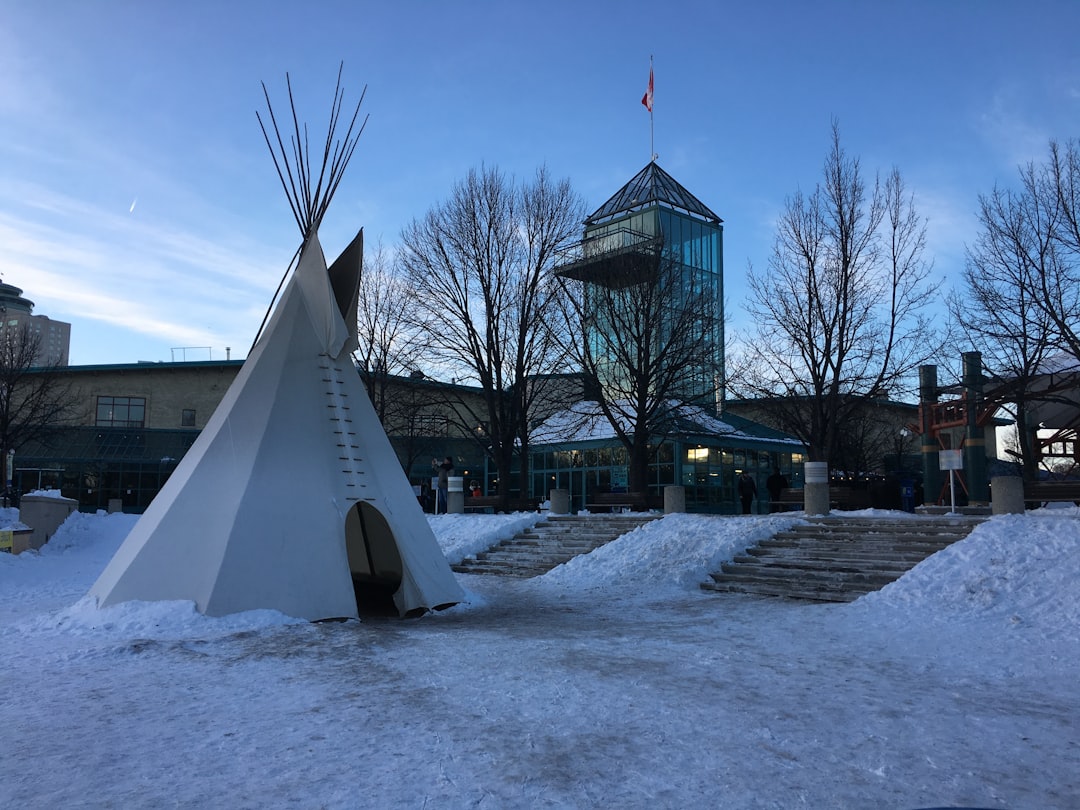
Photo by Jay H on UnsplashThe Forks: Where 6,000 Years of History Still Converge
Start at The Forks, because the city does. This is where the two rivers meet, where Indigenous peoples gathered for millennia before European contact, and where Winnipeg still comes to eat, argue, and stare at the water. It functions as a market, a heritage site, and a public living room all at once, and none of those roles feels forced.
The Niizhoziibean gathering space is the piece most visitors walk past too quickly. It sits along the riverbank and features one of Canada’s most significant collections of Indigenous-led public art — The Wiigiwaam, natural pathways, and installations that aren’t trying to explain Indigenous culture to you so much as invite you to be present in it. Take the self-guided “Where Our Stories Meet” heritage walk, available through the Parks Canada app, which covers First Nations, Métis, and settler history along the riverbanks without sanitizing any of it.
The Forks Market itself is good for a wander and a meal, but don’t mistake it for the main event. It’s the gathering space outside that earns the postcard. The Forks guided heritage walk
Art That Has No Business Being This Good
Here’s where Winnipeg starts to genuinely surprise. The Winnipeg Art Gallery houses Qaumajuq, which is home to the world’s largest collection of contemporary Inuit art. The three-storey glass vault in the lobby — visible without a ticket — holds over 5,000 carvings from more than 32 Northern communities. It’s one of those rare museum moments where you stop walking and just stand there.
The gallery itself is strong, but Qaumajuq is the reason to come. When it opened, the New York Times and the Smithsonian both took notice, which should tell you something about the scale of what’s happening here. Winnipeg Art Gallery–Qaumajuq tour
Walk north into the Exchange District and the mood shifts. Over 150 heritage buildings, most of them early 20th century, now house galleries, studios, theatres, and restaurants. The Royal Manitoba Theatre Centre — Canada’s first English-language regional theatre — anchors the performing arts scene, but the street art and independent galleries are what give the neighbourhood its pulse. A guided walking tour is worth the two hours; these buildings have stories that the facades alone won’t tell you.
Eating Your Way Through a City That Doesn’t Brag
Winnipeg’s food scene is better than its reputation, which is probably how locals prefer it. The city’s culinary identity is layered — Ukrainian comfort food sits alongside some of the most inventive fine dining in the country, and nobody seems particularly interested in telling you about it.
Deer + Almond, ranked 34th on Canada’s 100 Best Restaurants list, pulls from global influences but grounds everything in seasonal Manitoba ingredients. It’s the kind of restaurant where you trust the kitchen entirely and order whatever they’re excited about that night. Petit Socco is even more intimate — a two-person operation that landed on enRoute’s Best New Restaurants list by serving a different four-course menu every single week. You’ll need a reservation and a willingness to let go of expectations.
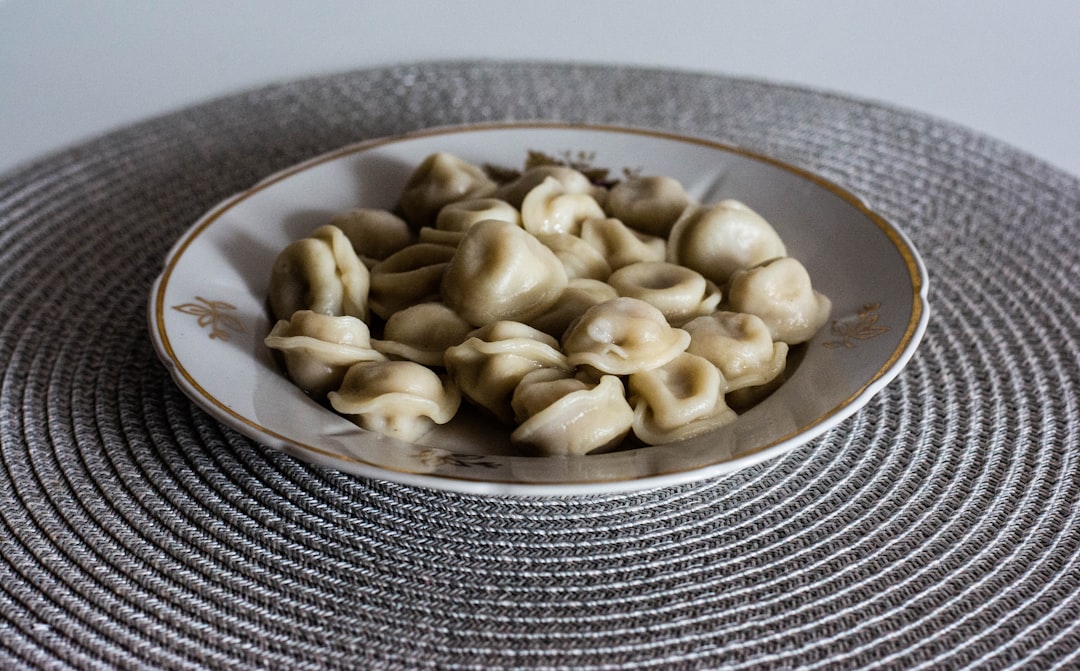
For something less formal, the Ukrainian influence runs deep. Perogies and kubasa are embedded in the city’s food DNA — you’ll find them at neighbourhood diners and at dedicated spots that treat them with the seriousness they deserve. Skyr at The Forks serves Nordic-influenced bowls that nod to Winnipeg’s Icelandic heritage, and Vida Cucina Italia at The Fort Garry Hotel brings Southern Italian fine dining from a chef who earned a Michelin star doing it elsewhere.
The honest advice: eat at the places that don’t have Instagram accounts. Winnipeg rewards that instinct.
A City Shaped by Its Extremes
You can’t write about Winnipeg without acknowledging the cold. Winter temperatures regularly drop below -30°C, and the city hosts the Festival du Voyageur in February precisely because it refuses to apologise for the weather. Western Canada’s largest winter festival celebrates Franco-Manitoban heritage with snow sculptures, jigging, fiddle music, and quantities of tourtière that suggest the organisers expect the entire province to attend.
But the extremes aren’t just meteorological. Winnipeg’s character was shaped by its position as a crossroads — of rivers, of peoples, of trade routes. The waves of settlement left visible layers: Ukrainian churches, Icelandic cultural centres, Franco-Manitoban festivals, and an Indigenous presence that predates all of it by thousands of years. Folklorama, held in August, is the world’s largest multicultural festival, with dozens of cultural pavilions across the city. It’s a week-long argument that diversity isn’t a talking point here. It’s the infrastructure.
The Manitoba Legislature building deserves a mention that few travel guides bother with. Built in 1920, it’s packed with Hermetic and Masonic symbolism — an architectural mystery that guided tours will walk you through in fascinating detail. Most visitors to Winnipeg never set foot inside. That’s a mistake.
Indigenous Winnipeg: Beyond the Surface
This section matters, and it needs to be handled with care. Winnipeg sits on Treaty 1 territory, and the city’s Indigenous heritage isn’t a sidebar — it’s foundational. The good news is that there are genuine, community-led ways to engage with it.
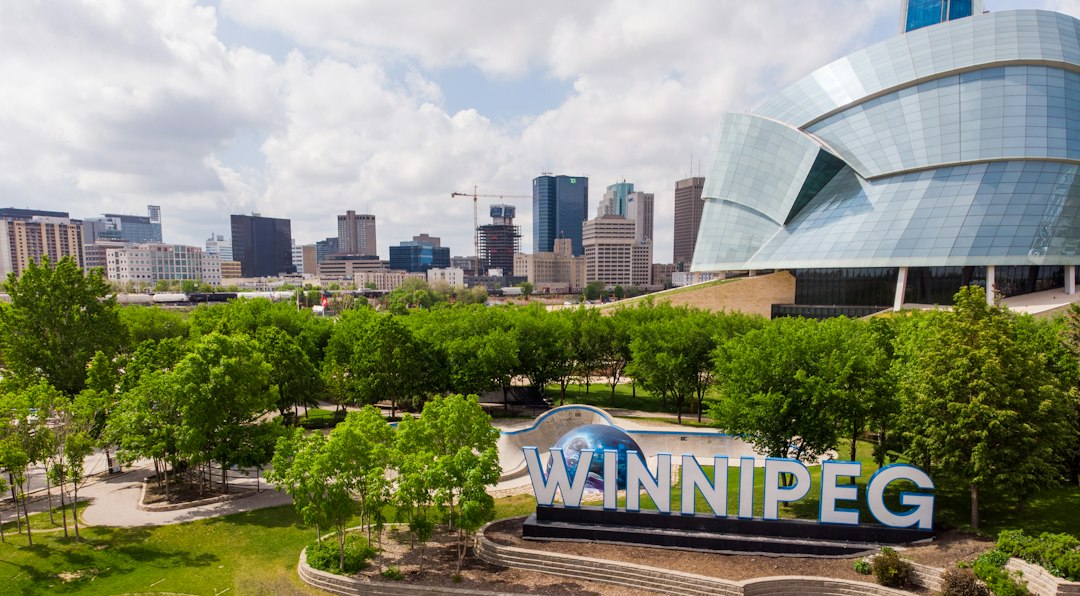
The Canadian Museum for Human Rights is the world’s first museum dedicated entirely to human rights, and its architecture alone — an alabaster tower rising from the earth — makes it one of the most striking buildings in Canada. Inside, the exhibits trace global human rights struggles with a significant focus on Indigenous experiences in Canada. It’s not a comfortable visit. It’s not supposed to be. Canadian Museum for Human Rights visit
The Indigenous Peoples Garden at Assiniboine Park was designed by Indigenous designers with input from Indigenous youth. It features fire and water elements central to Indigenous cultures, and it’s the kind of quiet, intentional space that most visitors skip in favour of the zoo next door. Don’t.
The Manito Ahbee Pow Wow, held annually in late October, brings more than 800 dancers to Canada Life Centre for one of North America’s premier Indigenous celebrations. If your timing lines up, it’s extraordinary.
The Practical Bits
When to go: June through September for festival season and walkable weather. February if you want the full Winnipeg winter experience at Festival du Voyageur. Avoid March and April — the thaw is not picturesque.
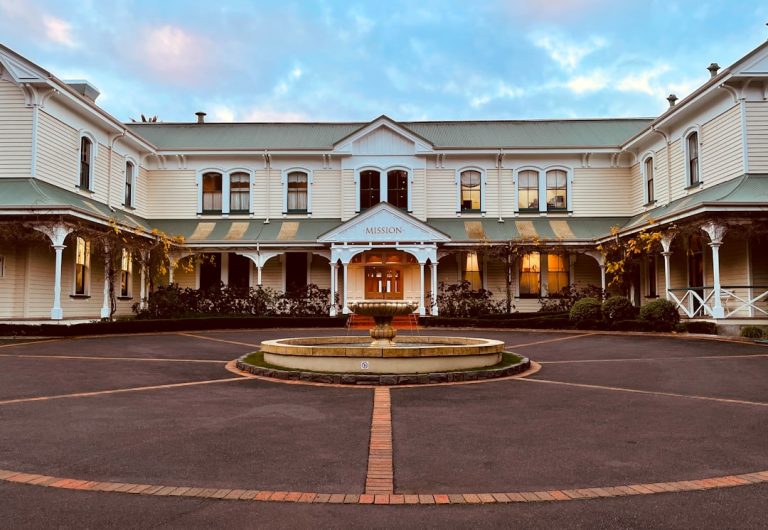
Where to stay: The Fort Garry Hotel is the obvious choice and the right one — a 1913 château-style landmark that feels like it belongs to the city in a way that chain hotels never will. The Fort Garry Hotel, Winnipeg. If that’s above budget, the Alt Hotel downtown offers clean, modern design with an excellent location near the Canadian Museum for Human Rights. Alt Hotel Winnipeg. For a neighbourhood feel, look at short-term rentals in Wolseley or Corydon — independent cafés, boutique shops, and the sense that you’re living in Winnipeg rather than visiting it. Browse all Winnipeg hotels on Booking.com
Getting around: Winnipeg is flat and relatively compact. Cycling works well in summer, and the city’s bus transit will get you to the major sites. But a car opens up the periphery if you have time for the wider Manitoba landscape.
Ready to Plan Your Trip to Winnipeg?
You’ve done the reading. Here’s everything you need to make it happen.
Some links in this post are affiliate links. If you book through them, CuriosityTrail earns a small commission at no extra cost to you. Recommendations are chosen on merit; commissions never decide what’s included.