Timișoara, Romania: The Revolutionary City Most Travelers Haven’t Found Yet
Quick Essentials
- 📍 Best Time to Visit: May through September — café terraces fill the squares, the festival calendar peaks in July, and the long evenings make the Habsburg streetscapes glow.
- ✈️ Getting There: Search flights on Skyscanner | Direct from London, Munich, and Milan
- 🏨 Where to Stay: Browse Timișoara hotels on Booking.com
- 🎟️ Don’t Miss: Guided walking tour of Timișoara’s historic squares on GetYourGuide
- 💰 Budget Range: $80–$150 per day for mid-range to splurge-worthy, including a proper dinner with wine
The First Free City
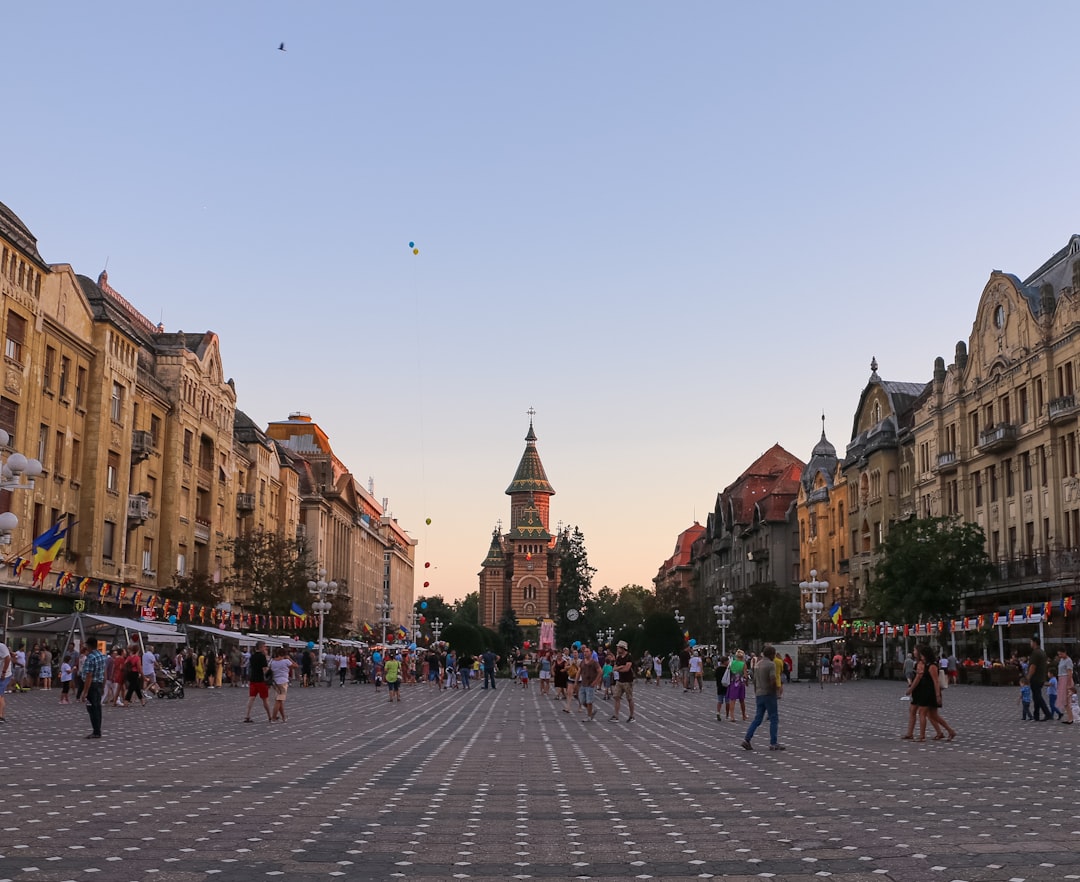
On December 20, 1989, Timișoara became the first city in Romania declared free of communist rule. It happened five days after a small group formed a human chain around a Reform Church pastor’s home to prevent his government-ordered eviction. What followed — three days of protests, then bloodshed, then liberation — toppled a dictator and changed a country. The city knows this. You feel it walking through Piața Victoriei, where the Opera House anchors one end and the Orthodox Cathedral rises at the other, and between them is the open space where thousands gathered.
But Timișoara isn’t a city that lives in its revolution, the way some places calcify around their defining moment. It carries the weight honestly and then gets on with things. The Habsburg-era architecture — Baroque domes, Jugendstil residences, wide tree-lined boulevards — gives it a Central European elegance that surprises anyone expecting post-communist grey. The café culture is real, not performed for tourists. And because Timișoara sits well off the standard Romania itinerary (most visitors head for Transylvania’s castles or Bucharest), the city rewards those who actually seek it out.
Romania named it Destination of the Year for 2026. The recognition is deserved and overdue.
A City That Changed History
Start at the Memorial Museum of the 1989 Revolution, housed in the former Communist Party headquarters. The irony is deliberate. Inside, photographs, film footage, and personal testimonies trace those December days in granular, uncomfortable detail. This isn’t a museum that glosses over complexity — it documents the confusion, the courage, and the cost. Give it an hour.
From there, walk to the Reform Church on Strada Timotei Cipariu. The building itself is modest. The plaque outside is small. But this is where László Tőkés preached and where the human chain formed on December 15. Standing in front of it, knowing what followed, is one of those travel moments that justifies the trip on its own.
The revolution memorial walk connects naturally to the three main squares. Follow the route the protesters walked — you’ll end up in Piața Victoriei, and the context will make the square feel entirely different than if you’d just wandered in.
→ 1989 Revolution guided walking tour on GetYourGuide
Three Squares, Three Centuries
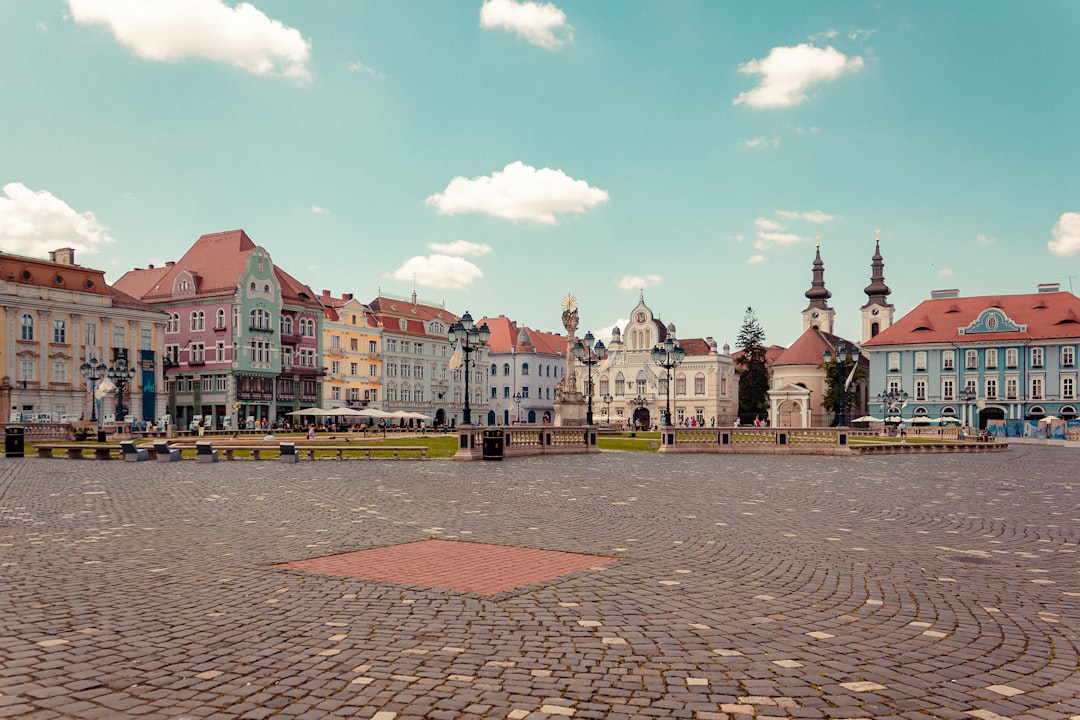
Piața Unirii is the oldest and the most photogenic — a Baroque rectangle anchored by the Catholic Dome and the Serbian Orthodox Cathedral facing each other across pastel-colored buildings. The scale is generous without being overwhelming. On weekday mornings it’s nearly empty, which is when you want to photograph it.
Piața Libertății is smaller, more administrative, centered on the Old Town Hall. It connects the other two and functions as the city’s crossroads. The architecture here is simpler but cohesive — you’re walking through a Habsburg-planned grid, and it shows.
Piața Victoriei is the emotional center. The Orthodox Metropolitan Cathedral, completed in 1946, dominates the east end with its Byzantine-Moldavian towers. The Opera House, all Viennese elegance, holds the west. Between them: the space where history pivoted. On a summer evening, with families walking and the café terraces full, it’s one of the most pleasant urban spaces in Central Europe.
The Neighborhoods Worth Wandering
Cetate is the historic core — the squares, the main churches, the best restaurants. Stay here if walkability matters to you. Hotel Savoy sits right in it, polished without being sterile. For something with more personality, Tresor Le Palais occupies a beautifully restored Hilton Curio property.
→ Browse Cetate hotels on Booking.com
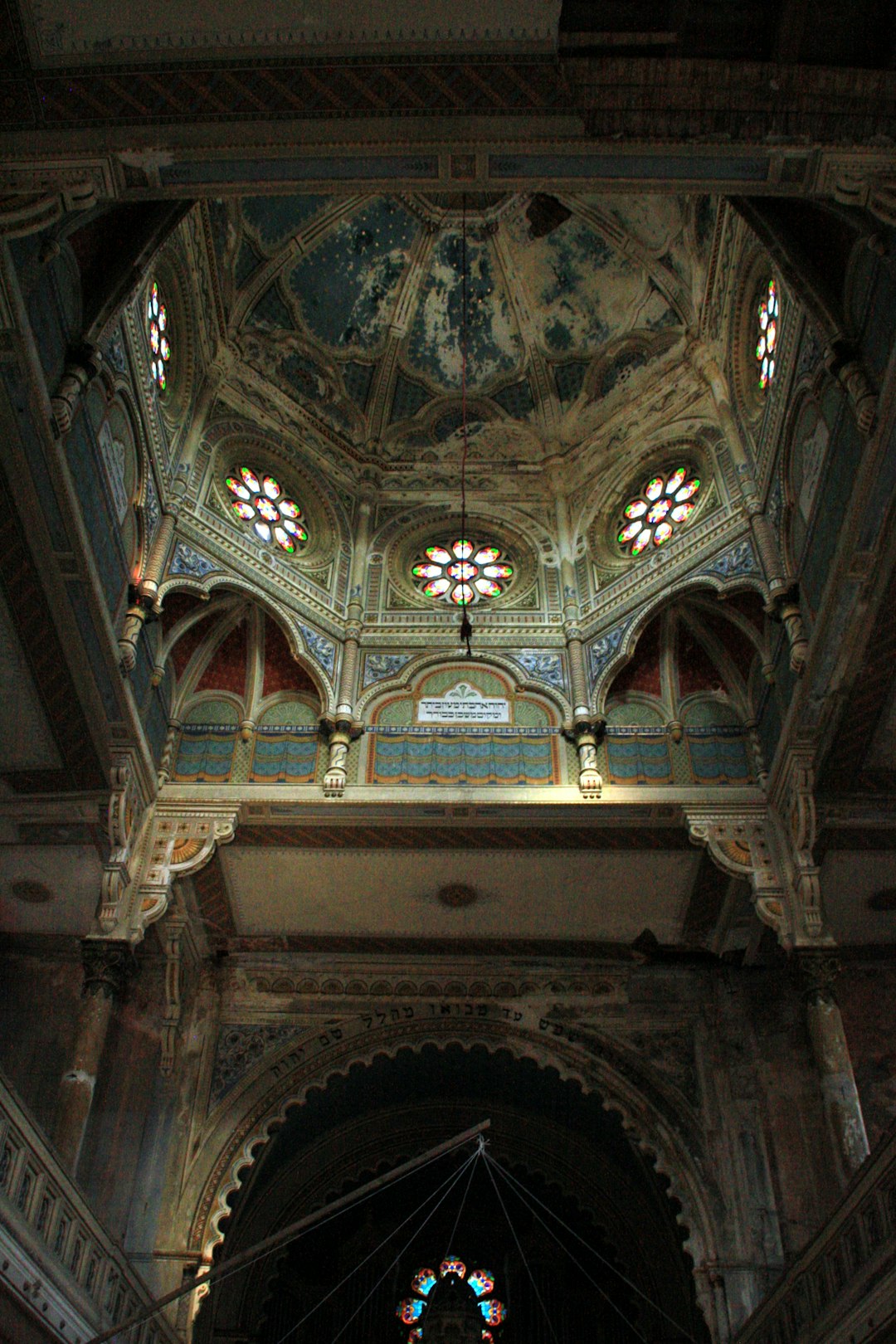
Fabric, east of the Bega Canal, is grittier and more interesting. The New Synagogue here — Moorish-revival with ochre walls and slender minarets — is one of Europe’s most striking, and you’ll likely have it nearly to yourself. The neighborhood sits at that “almost gentrified” point where the street art and the old workshops still coexist with new coffee spots. Walk it without a map.
Elisabetin, south of the canal, is residential Art Nouveau at its most quietly beautiful. The Jugendstil detailing on residential buildings rivals anything in Vienna or Budapest, and the leafy streets are almost absurdly peaceful for a city center. Come here for a long morning walk and a coffee at one of the neighborhood cafés.
The Table: Where to Eat in Timișoara
Grădina Bănățeană, by the Bega River, is the place for traditional Romanian food done without apology. Order the mici — grilled minced meat rolls that Timișoara takes particular pride in — and the bulz, polenta stuffed with cheese and loaded with sour cream. The portions are enormous. The pork knuckle is a commitment.
In Thyme, on Piața Unirii, does seasonal cooking with locally sourced ingredients. It’s the kind of restaurant where the menu changes and the chef cares. Weekend mornings bring live music and unhurried breakfasts — this is where the café culture the city is known for actually feels earned.
Little Hanoi is worth mentioning because it’s unexpected: authentic Vietnamese food in western Romania, run by chef Binh Minh. The blend of Vietnamese recipes with Romanian touches shouldn’t work as well as it does. Locals treat it as a neighborhood staple, not a novelty.
For ciorbă de burtă — the tangy, bold tripe soup that separates the curious travelers from the cautious ones — try it at any of the traditional spots in Fabric. It’s a litmus test. You’ll know which side you’re on.
Festivals and the Creative Surge
Timișoara earned the European Capital of Culture title in 2023, and the cultural infrastructure built for that year didn’t pack up and leave. The city now runs a festival calendar that punches well above its weight.
JAZZx (July 1–5) fills open-air venues across the city with international jazz. Flight Festival blends music, technology, and art into a three-day camping experience that feels more Berlin than Bucharest. Timișoara Day on August 3 is the citywide celebration — fireworks, concerts, streets closed to traffic. And the Street Food Festival in September turns the Iulius Town complex into a four-day outdoor kitchen.
Even outside festival season, the creative energy is visible. Street art in Fabric. Gallery openings in Cetate. A craft beer scene that’s small but genuine — the city’s name literally gave Romania its most famous beer brand, Timișoreana, though the craft producers are more interesting.
Practical Details
Getting there: Timișoara’s Traian Vuia Airport has direct flights from London, Munich, Milan, and several other European hubs. From Bucharest, it’s a six-hour drive or a short domestic flight. The airport is 15 minutes from the city center by taxi.
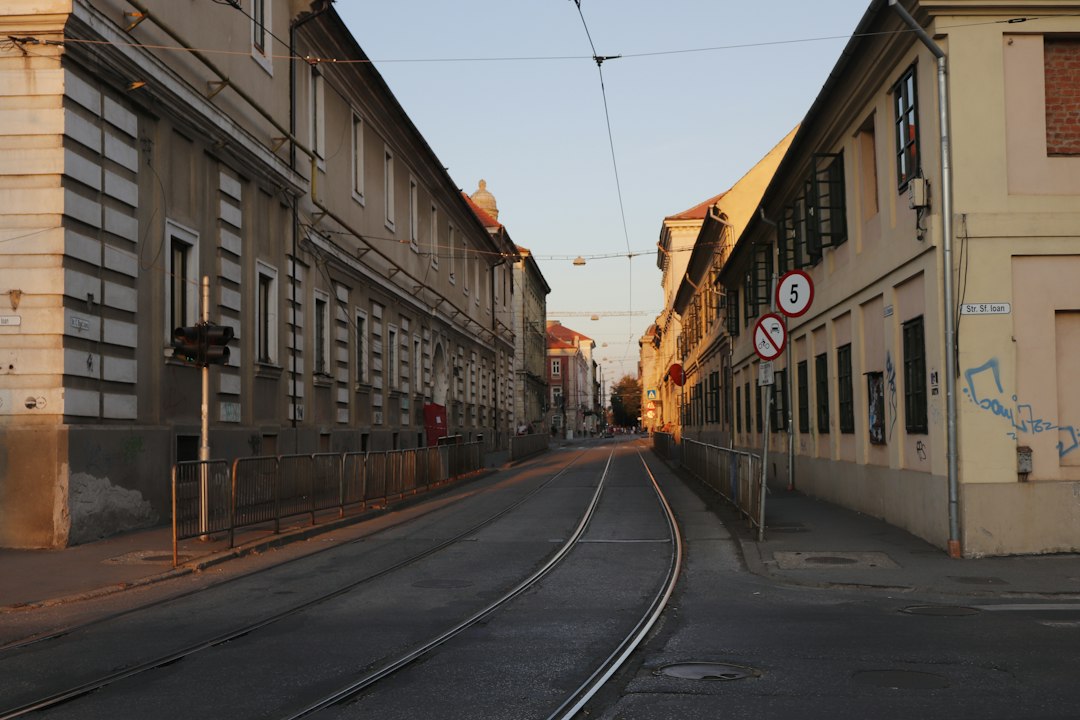
Getting around: The city center is entirely walkable. Trams cover the wider area and cost next to nothing. Taxis are cheap and generally honest.
What to know: Romania uses the leu (RON), not the euro. Card acceptance in Timișoara is widespread but carry some cash for markets and smaller spots. Tipping is appreciated at 10% in restaurants.
How long: Two full days covers the core. Three gives you breathing room for neighborhoods, a day trip to the Banat villages, and a proper pace.
Ready to Plan Your Trip to Timișoara?
You’ve done the reading. Here’s everything you need to make it happen.
🎟️ What to Book in Advance
- Timișoara Revolution & History Walking Tour
- Timișoara Food & Culture Tour
- Browse more Timișoara experiences on Viator
Some links in this post are affiliate links. If you book through them, CuriosityTrail earns a small commission at no extra cost to you. Recommendations are chosen on merit; commissions never decide what’s included.