Cartagena Beyond the Walls: Street Art, Champeta Bars, and the Caribbean Side Tourists Miss
Quick Essentials
- 📍 Best Time to Visit: Mid-February through mid-March — dry season, schools in session, cruise traffic hasn’t peaked.
- ✈️ Flights:
Search flights to Cartagena on Skyscanner | Direct from Miami, Houston, Fort Lauderdale - 🏨 Hotels:
Browse hotels in Cartagena - 🎟️ Top Experience:
Bazurto Market food tour with cooking class - 💰 Budget Range: $100–$250 per day for mid-range to splurge travel
The Cartagena You Already Know (and the One You Don’t)
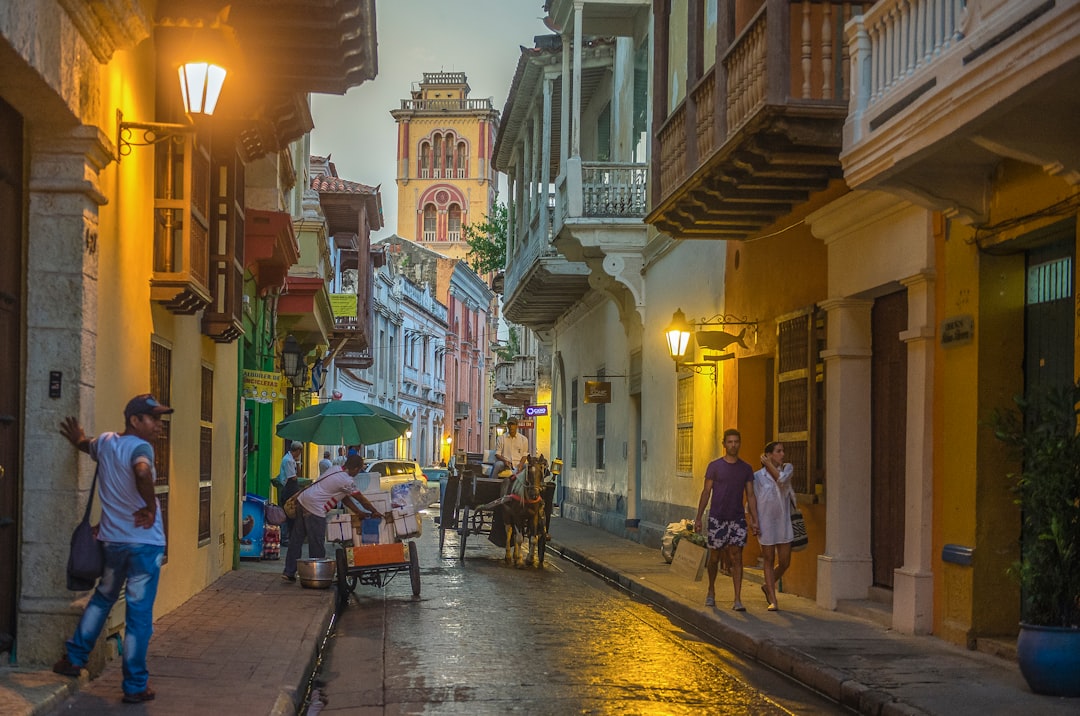
The walled city is gorgeous. You know this. The pastel colonials, the bougainvillea cascading over wrought-iron balconies, the horse-drawn carriages — it photographs beautifully and delivers exactly what it promises. But if you’ve done the walled city circuit already, or if you’ve been traveling long enough to recognize a place that’s been polished for cruise passengers, the question becomes: what else?
The answer is about a ten-minute walk through the Clock Tower gate and into Getsemaní, where the murals are more interesting than the selfie spots, where Afro-Colombian champeta music rattles the walls of bars you’d walk right past if nobody told you, and where a plate of ceviche from a market vendor outperforms half the restaurants in the Old Town. Add a rooftop dinner with church domes glowing orange below, a day trip to islands that feel nothing like a resort, and you’ve got a version of Cartagena that rewards the kind of traveler who’s done the obvious things and wants to go deeper.
That’s the trip I want to lay out here.
Getsemaní: Murals, Champeta, and a Neighborhood Still Becoming Itself
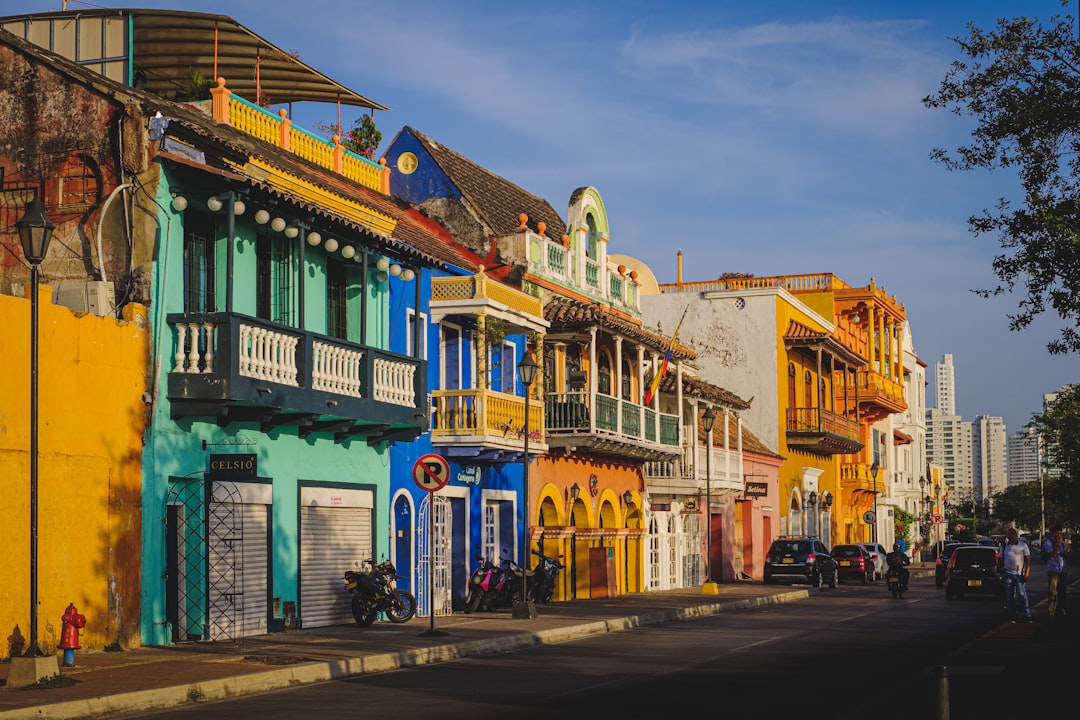
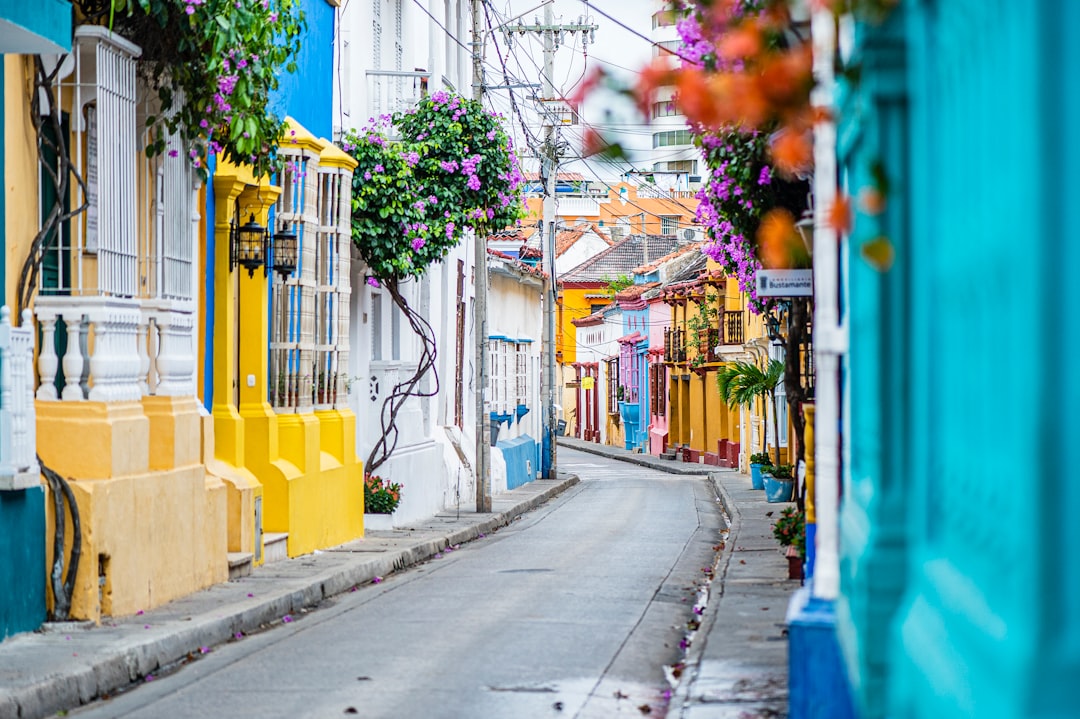
Getsemaní is technically outside the walled city, which is exactly why it spent decades being ignored by the tourist infrastructure. It’s gentrifying — boutique hotels are creeping in, cocktail bars have appeared on corners that used to be residential — but the neighborhood hasn’t tipped yet. You can still feel the friction between what it was and what it’s becoming, and that tension makes it one of the most interesting districts on Colombia’s Caribbean coast.
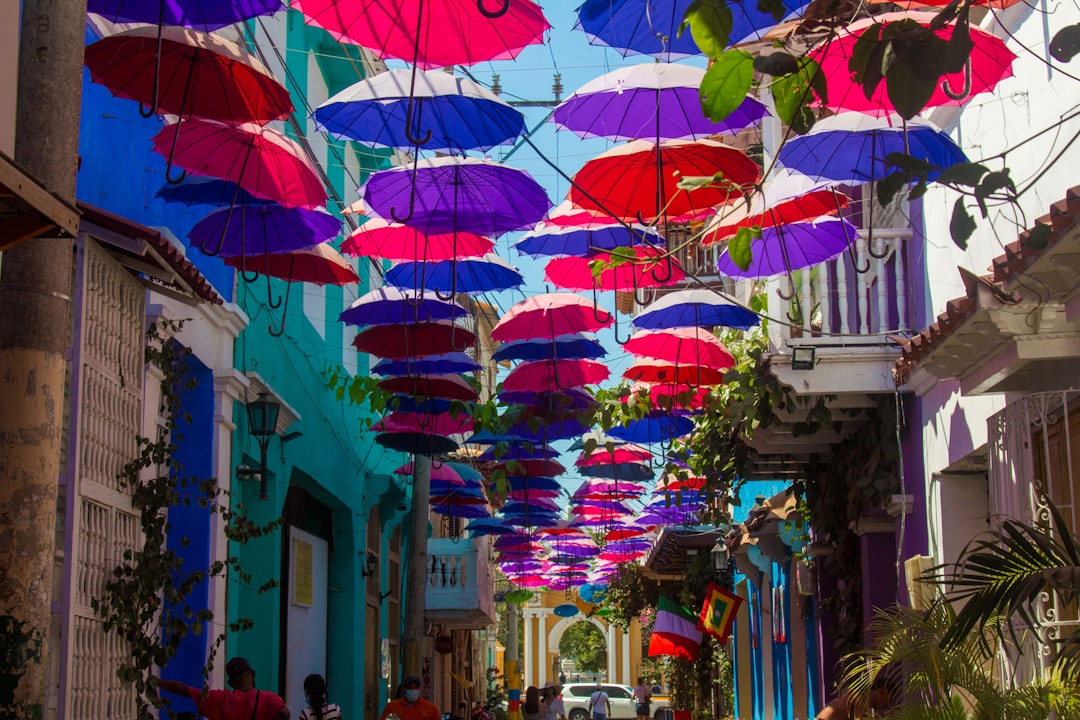
Start on Calle Sierpe, where the densest concentration of murals covers entire building facades. Tropical scenes, Afro-Colombian palenquera figures, folk-tale imagery. The best stretch runs from Sierpe into the narrow side alleys, particularly Callejón Angosto — a corridor barely wide enough for two people, hung with colored umbrellas, the walls solid with paint from street level to roofline. Most visitors see Plaza Trinidad and call it done. Go one block deeper.
At night, the neighborhood shifts register entirely. Bazurto Social Club is the essential stop — a live-music venue where the house band, the Bazurto All Stars, plays champeta, cumbia, and Afro-Colombian fusion that’s meant for dancing, not sitting. Champeta was born on this coast, invented by Afro-Colombian communities as a danceable rebellion, and hearing it performed live in a small room with the volume turned up is one of those travel experiences that doesn’t translate to a playlist. If you want the context before the party, find Planeta Champeta in the La Matuna corridor between the Old Town and Getsemaní — part bar, part gallery, part love letter to the genre.
Getsemaní street art walking tour with a local artist
Bazurto Market: The Real Kitchen
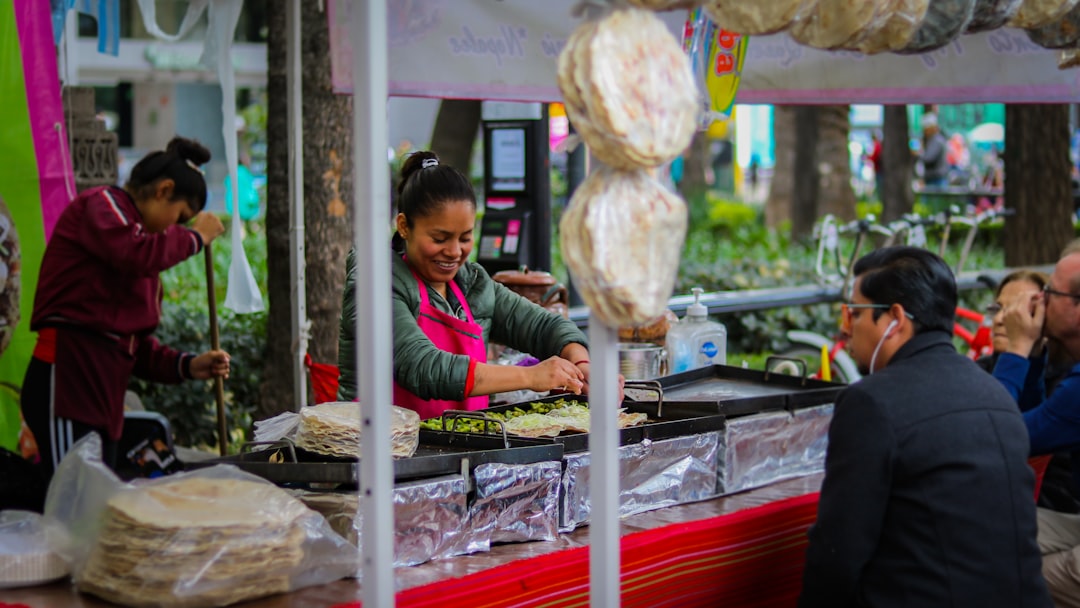
If Getsemaní is Cartagena’s living room, Bazurto is its kitchen — loud, chaotic, full of smoke and fish scales, and completely uninterested in whether you’re comfortable. This is the largest market in Cartagena and it is emphatically not a tourist attraction. No English signage, no tasting stations with toothpicks, no air conditioning. Bring a guide. Seriously.
The ceviche here is made from whatever came off the boats that morning — shrimp, white fish, octopus — tossed with fresh cilantro, raw onion, chili, and enough lime to wake you up. You eat it on a plastic stool at nine in the morning while the vendor chats with regulars. It costs a fraction of what the walled city restaurants charge and it’s better. That’s not a controversial opinion among people who’ve eaten both.
Beyond ceviche, look for arepa de huevo — the double-fried corn pocket with a whole egg sealed inside. The technique is specific to the Colombian Caribbean: fry the shell once to seal it, crack an egg into a small opening, fry it again so the white sets and the yolk stays runny. The best vendors have been doing this their entire lives. Near Plaza San Diego, Donde Magola does creative versions with shrimp and chorizo fillings, but the classic egg-only version from a Bazurto street vendor is the one to try first.
Bazurto Market guided food tour with cooking class
Rooftop Cartagena: Dining Above the Domes
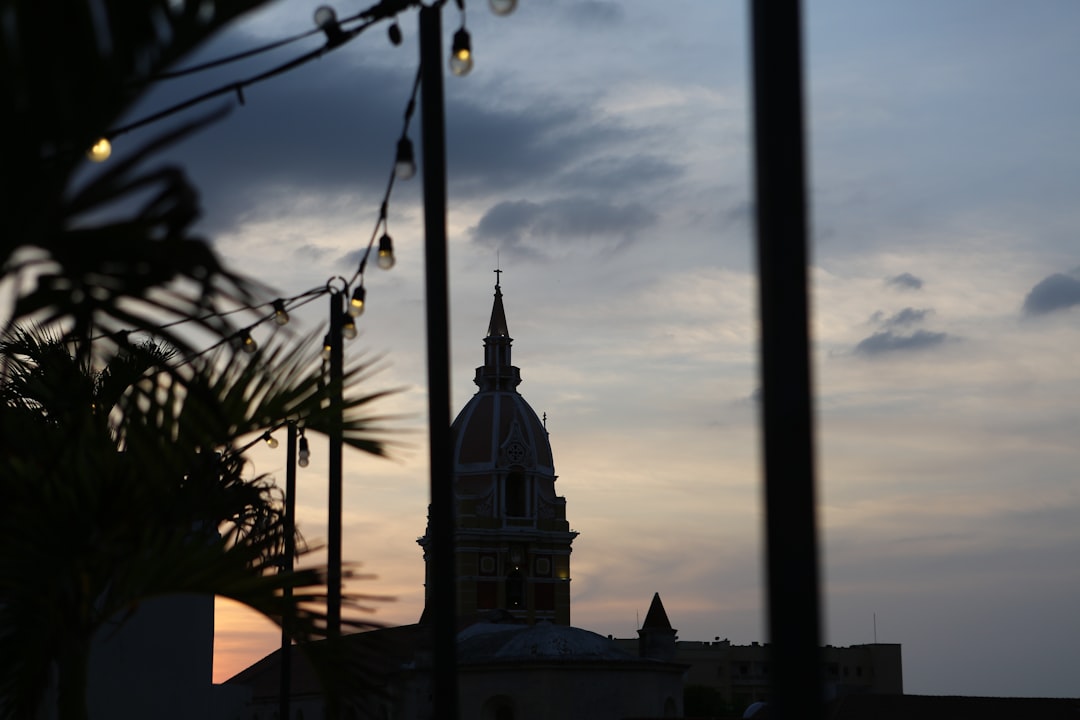
Cartagena’s rooftop scene exists because the skyline is dominated by centuries-old church domes, and there’s something about watching them turn gold at sunset while you eat that you don’t get tired of. The options range from boutique hotel terraces to proper restaurant kitchens, and the good ones feel like you’ve stumbled into someone’s private party on the fourth floor.
Buena Vida does this well — three floors with a rooftop that looks directly across at the dome of San Pedro Claver. Caribbean-fusion menu, creative cocktails, atmosphere that’s lively without being a scene. For something more polished, Mar y Zielo takes traditional Colombian ingredients and reworks them with technique that justifies the higher price point, all with cathedral views. The Townhouse Rooftop, on the Townhouse Boutique Hotel, has wading pools alongside the dining area and a menu built around shared plates — baby octopus with Peruvian chimichurri is worth ordering twice.
For the single best view, the Terraza Oceanika at Hotel Movich puts the yellow dome of San Pedro Claver in the foreground, the Bocagrande skyline in the middle distance, and the Caribbean Sea behind it all. Come at sunset. Order whatever’s rum-based.
The Rosario Islands: Caribbean Without the Production
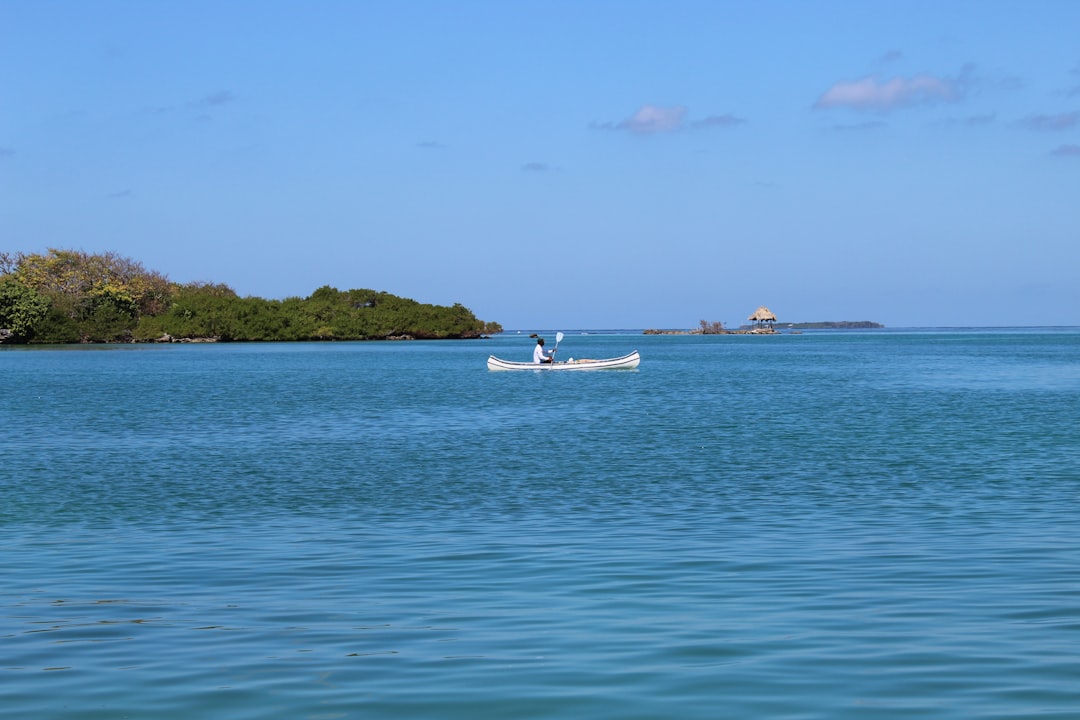
Most visitors to the Rosario Islands get herded onto a group boat, deposited on an overcrowded beach island, and herded back. It’s fine. It’s not great. The better version requires a private or small-group catamaran and a willingness to pay a bit more for what amounts to a completely different experience.
The private tour route threads through the mangroves of Barú before reaching the islands — a detour that most group boats skip entirely and that adds a layer of nature and stillness to what would otherwise just be a beach day. On the islands themselves, Islabela Resort and Coralina Island Hotel both offer day passes that include a lounger, snorkeling, lunch, and the absence of two hundred other people. The coral reefs off the smaller islands are still healthy enough to snorkel without booking a boat to deeper water.
One practical note: boats return to Cartagena earlier than you’d expect because the afternoon chop makes the ride genuinely rough. Plan for departure by 3pm and don’t fight it.
Rosario Islands private catamaran day trip with mangrove tour
What to Eat (Beyond the Tourist Menus)
Cartagena’s food is better when you leave the walled city to find it. Here’s the short list:
Arepa de huevo. Double-fried, egg-filled, best from street vendors in the morning. Donde Magola near Plaza San Diego does good variations if you want to try shrimp or chorizo fillings.
Cocadas from Portal de los Dulces. Coconut candy patties sold by Palenquera women under the arched walkway near the Clock Tower. The arequipe version — caramel-coconut — is the one. They cost almost nothing.
Ceviche at Bazurto Market. Go early. By noon the best vendors have sold out.
Rum cocktails at Bazurto Social Club. Not because the cocktails are the draw — they’re fine — but because drinking rum while a champeta band plays three feet away is a specific kind of Caribbean evening you don’t get from a beach bar.
Bandeja paisa components across Getsemaní. You’ll find the pieces — chicharrón, sweet plantain, red beans, fried egg — served across casual spots in Getsemaní. Nobody assembles the full platter like they do in Medellín, but the parts are everywhere and they’re good.
Where to Stay and When to Go
Getsemaní is the right neighborhood if you’re the kind of traveler this post is written for. Hotel Capellán has boutique rooms at prices that would get you a formulaic chain hotel elsewhere. Osh Hotel has a colonial courtyard pool and the easy confidence of a place that doesn’t need to try too hard. Both put you in walking distance of everything in this post.
Browse Getsemaní hotels on Booking.com
The Walled City is better if this is your first visit and you want the full colonial experience on your doorstep. Casa San Agustín is the benchmark — a converted monastery with a rum bar and a pool that feels hidden even when it’s not. Sofitel Legend Santa Clara occupies a former convent and leans into the history without making it a theme park.
Browse Walled City hotels on Booking.com
When to go: December through March is dry season. Mid-February to mid-March is the sweet spot — the Hay Festival and classical music festival have just ended, schools are in session so domestic tourism drops, and cruise traffic moderates. If you can tolerate heat and afternoon rain, May brings the Jazz Festival and lower prices. November’s Independence Day celebration (November 11) is a multi-day party — parades, concerts, fireworks — worth building a trip around if you enjoy organized chaos.
Plan Your Trip to Cartagena
Best time to visit: Mid-February through mid-March — dry weather, fewer crowds, and the festival season just winding down.
✈️ Getting There
Search flights to Cartagena on Skyscanner
🏨 Where to Stay
- Hotel Capellán, Getsemaní — Boutique rooms in the heart of the street art and nightlife district.
- Casa San Agustín, Walled City — Converted monastery with rum bar, pool, and the kind of quiet that costs more in a UNESCO district.
🎟️ What to Book in Advance
- Bazurto Market food tour with cooking class
- Rosario Islands private catamaran day trip
- Browse more Cartagena experiences on Viator
📦 Pack Right
Reef-safe sunscreen — you’ll need it for the islands and the rooftops.
Some links in this post are affiliate links. If you book through them,
CuriosityTrail earns a small commission at no extra cost to you.
Recommendations are chosen on merit; commissions never decide what’s included.