Visiting Guanajuato, Mexico: A Complete Guide
Quick Essentials
- 📍 Best Time to Visit: October through early November — the Cervantino festival turns the entire city into an open-air stage, and the weather sits at a perfect 22°C.
- ✈️ Flights:
Search flights to León/Bajío (BJX)
| Direct from Houston, Dallas, and Los Angeles. - 🏨 Hotels:
Browse hotels in Guanajuato
| Boutique hotels in the Centro Histórico put you steps from everything. - 🎟️ Top Experience:
Callejoneada musical procession through Guanajuato’s alleys
- 💰 Budget Range: $80–$150 USD per day for a comfortable mid-range trip; $200+ if you’re splurging on boutique stays and private tours.
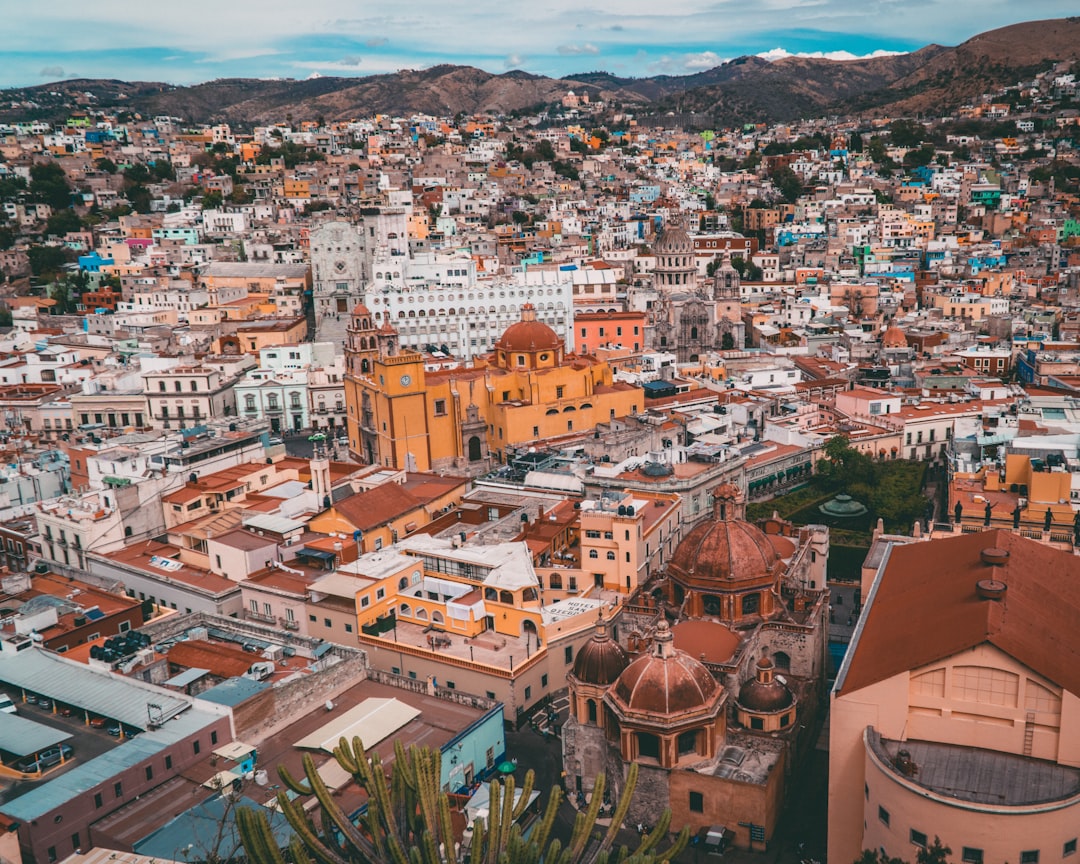
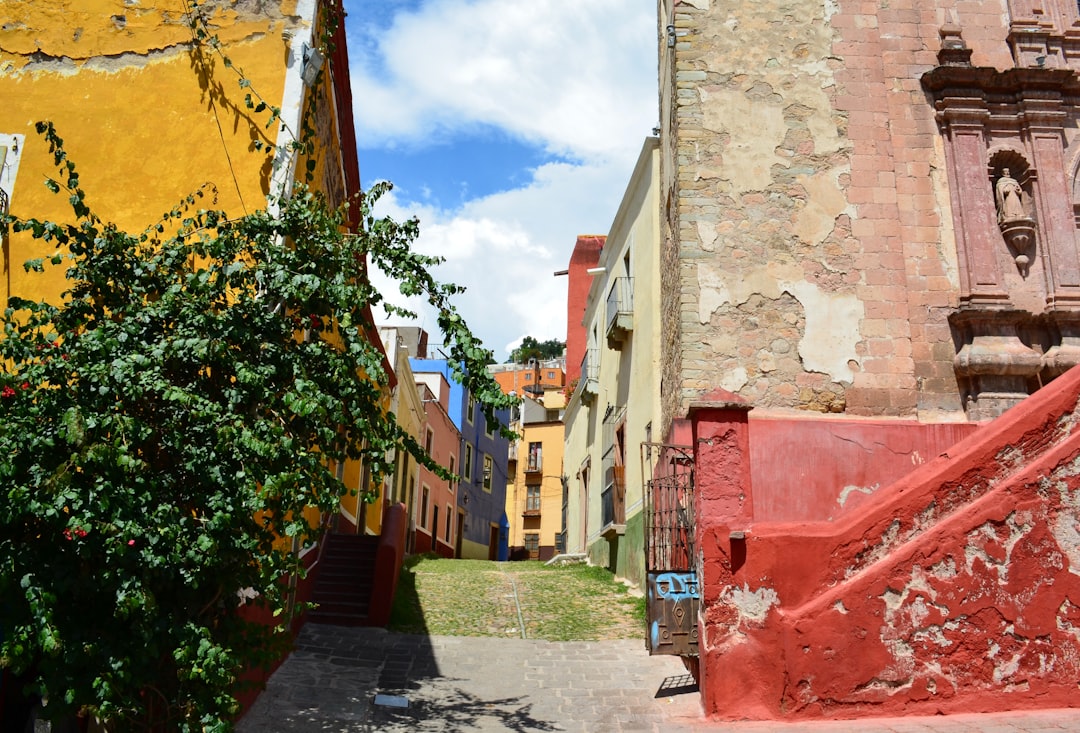
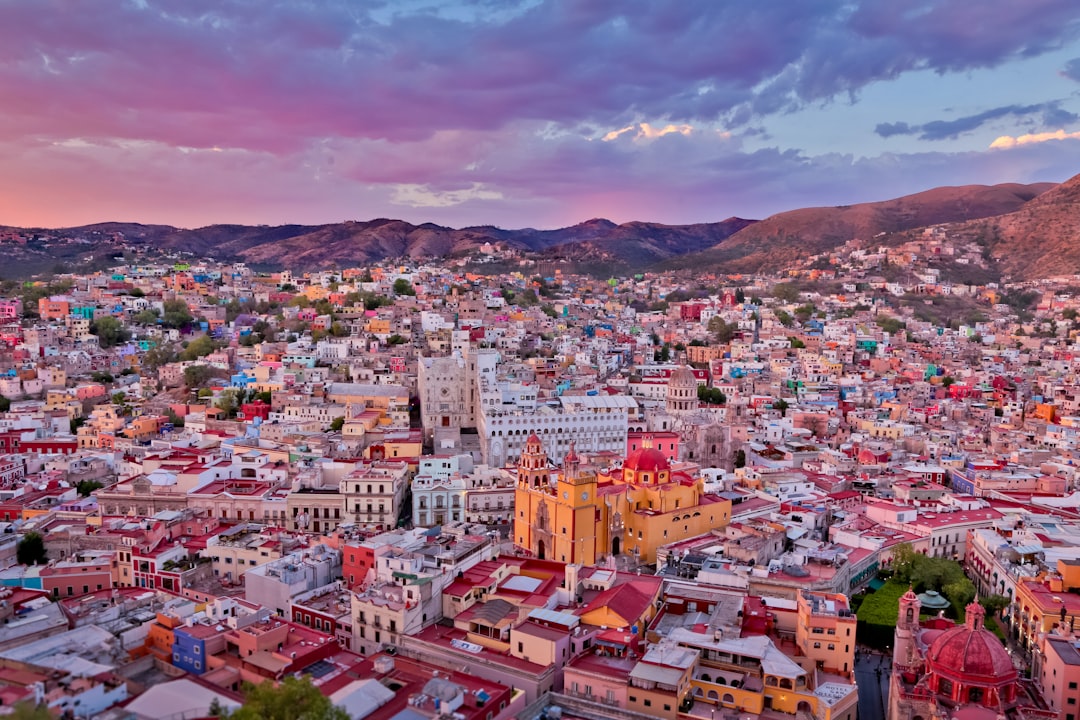
Guanajuato doesn’t reveal itself the way most Mexican cities do. There’s no beachfront promenade, no zócalo large enough for a political rally, no resort strip softening the introduction. Instead, you arrive through a tunnel — literally, underground, your taxi threading through colonial-era flood channels now repurposed as roads — and emerge into a bowl of color so dense it looks like a film set that forgot to stop.
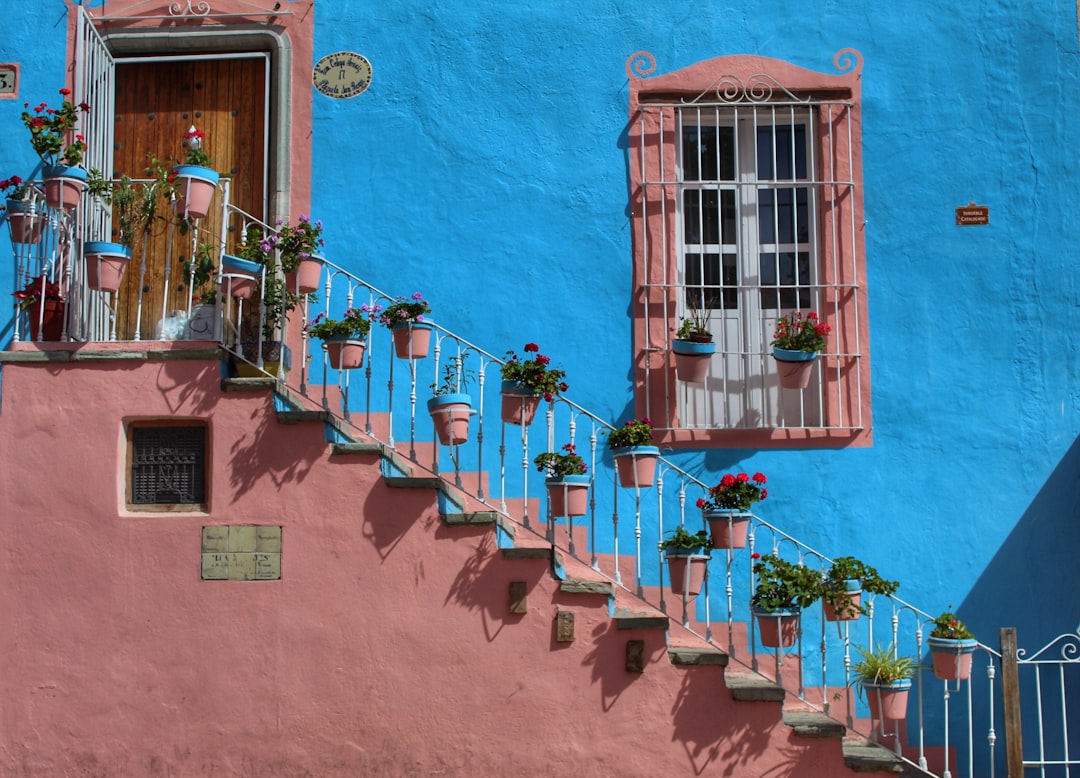
That first glimpse is disorienting in the best way. Houses in terracotta, cobalt, lime, and marigold climb hillsides so steep that front doors open onto their neighbor’s roof. Alleys appear and dead-end without apology. The city runs on its own internal logic, and figuring it out is half the pleasure.
What makes Guanajuato different from other colonial cities in Mexico — and there are plenty of beautiful ones — is that it’s still a working university town. The Universidad de Guanajuato anchors daily life the way a resort anchors Cancún, except here the anchor is 20,000 students filling the plazas at night, keeping the arts scene alive year-round, and ensuring the restaurants serve locals, not tourists. This is a city where the culture didn’t have to be revived. It never left.
Below the Surface: Guanajuato’s Tunnel Network
Every city has a story it tells about itself and a story it hides. Guanajuato’s hidden story is silver — and water.
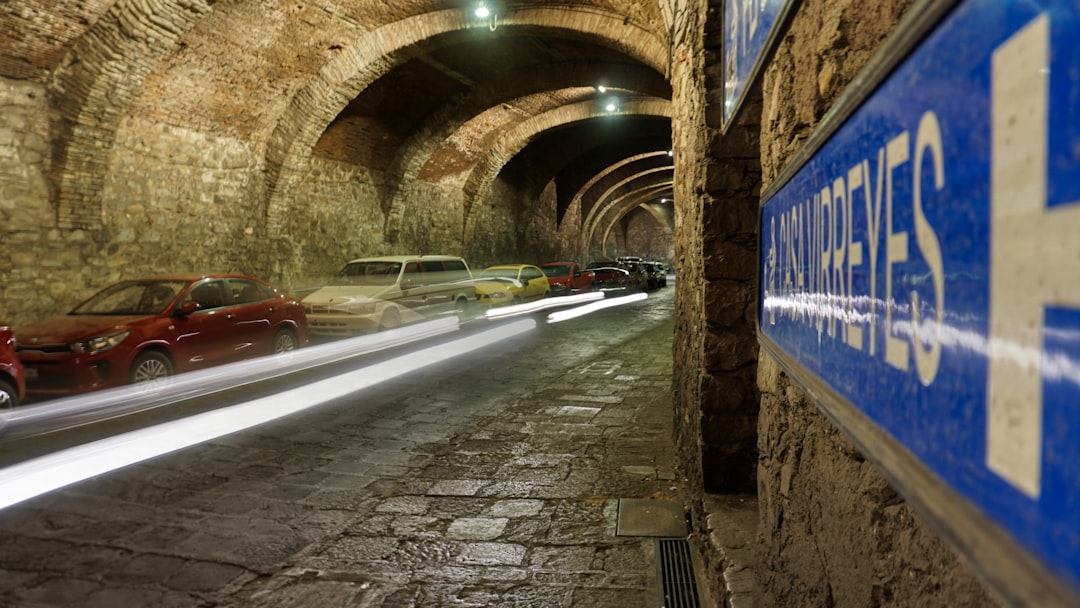
For two centuries, from the mid-1500s onward, the mines around Guanajuato produced a third of the world’s silver supply. The wealth built those candy-colored mansions, the Teatro Juárez, the Baroque churches. But the Río Guanajuato kept flooding the city, so in 1905 engineers diverted the river and converted its underground channel into a road. Nine more tunnels followed over the decades, and today Guanajuato has the largest network of urban tunnels in the world — roughly 10 kilometers of subterranean roadway running beneath the historic center.
You’ll use them constantly. Your taxi will duck into a tunnel mouth that looks like a mine entrance, run beneath plazas where people are drinking coffee overhead, and pop out three blocks from where you expected. Hotel directions routinely include phrases like “enter via Túnel Padre Belaunzarán, exit at the second opening.” It’s strange, and then it’s completely normal, and then you realize you’ve stopped noticing — which is exactly how Guanajuato works.
For a deeper look, book a private tunnels and mines tour that takes you through sections tourists don’t normally see, including the original colonial flood-control infrastructure.
The Callejoneada: Guanajuato’s Best Night Out
If you do one thing in Guanajuato, make it this.
A callejoneada is a musical procession through the city’s narrow alleys, led by estudiantinas — student musicians dressed in Renaissance-era Spanish costume, playing guitars, mandolins, and tambourines while singing traditional ballads. The group snakes through callejones barely wide enough for two people, stops at balconies and plazas, and the whole thing runs on wine passed around in a porron — the long-spouted Spanish decanter you drink from at arm’s length.
It sounds touristy on paper. It isn’t. The tradition dates back centuries, the musicians are genuinely good, and the alleys at night — lit by streetlamps, the colored walls glowing — give the whole thing a quality that no rooftop bar can match. Shows run about 90 minutes and cost around 100–200 MXN. They start most evenings near the Jardín Unión. Just show up.
Where the Silver Went: Valenciana and the Mining Legacy
A 15-minute taxi ride uphill from the center, the Valenciana district tells the second half of Guanajuato’s silver story. The La Valenciana mine was, for a time, the richest silver mine on earth. It operated for over 250 years, and the wealth it generated funded one of Mexico’s most extraordinary churches: the Templo de San Cayetano de Valenciana, a Churrigueresque masterpiece so elaborately carved and gilded that it feels almost aggressive in its opulence.
The mine entrance is still open to visitors — you can peer down the original shaft and get a visceral sense of the scale. Then walk across the road to the church and see exactly where all that labor went. It’s a powerful pairing. Book a combined Valenciana mine and temple tour for the full context.
Eating Well in Guanajuato
The food in Guanajuato is Central Mexican highland cooking at its most specific. Forget the coastal seafood and Oaxacan moles you may know from other trips — here the canon is different, and it rewards attention.
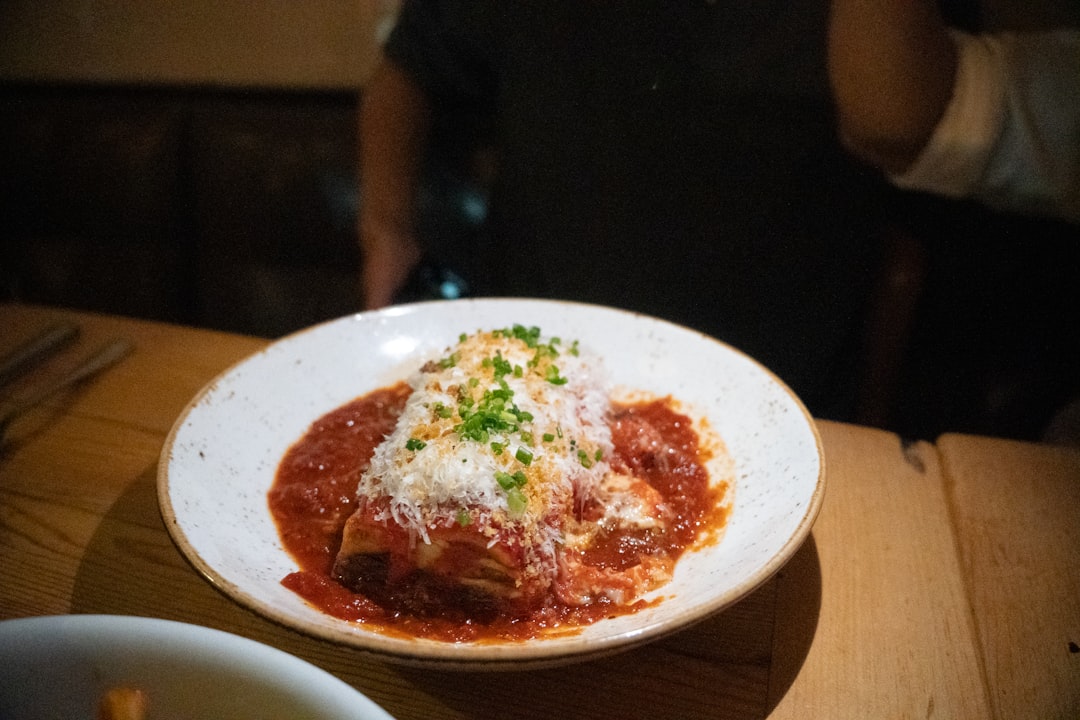
Enchiladas mineras are the signature. Tortillas dipped in guajillo chile sauce, filled with cheese, topped with potatoes, carrots, and crumbled queso fresco. You’ll find them at market stalls and white-tablecloth restaurants alike, and the best versions have a smoky depth that comes from the dried chiles, not from a grill.
Gorditas are Guanajuato’s pride — thick masa pockets stuffed with slow-cooked pork and pasilla chile sauce. Gorditas Las Güeras has been doing this one thing for years, and they do it as well as anyone. The line moves fast.
For birria — goat-meat stew, slow-cooked and deeply spiced — El Gallo Pitagórico is the local standard. And for something you won’t find anywhere else, try a guacamaya: a torta stuffed with chicharrón, pickled pork skin, and a salsa that means business, all on a crusty bolillo roll.
Wash it down with cebadina, a fermented barley drink mixed with tamarind and fruit syrup, sold from street carts. It’s fizzy, tangy, and completely unique to Guanajuato.
The Mercado Hidalgo — an iron-frame market hall designed by the same engineer behind the Eiffel Tower’s company — is the best single stop for grazing. Hot food stalls inside, simple sit-down restaurants outside. Go hungry.
The Cervantino and Guanajuato’s Arts Calendar
Every October, Guanajuato hosts the Festival Internacional Cervantino — the largest performing arts festival in Latin America. For three weeks, the colonial center becomes a stage. Theater, dance, music, and visual arts take over plazas, churches, and the Teatro Juárez. In 2026, France is the guest of honor.
But the Cervantino is the peak, not the whole story. The university keeps a year-round arts calendar that would be impressive in a city ten times Guanajuato’s size. Student theater, gallery openings, film screenings, live music in the Jardín Unión most evenings — this is a city where culture isn’t an event. It’s the baseline.
The Templo Expiatorio, a Neo-Gothic church often overlooked because it sits outside the main tourist loop, is worth the short walk for its stained-glass windows alone. And Plaza Baratillo — a quiet square with a bronze fountain, boutique shops, and cafes — is the kind of place where you sit for an hour and feel like a resident rather than a visitor.
Staying in the Bowl
The Centro Histórico around the Jardín Unión is the obvious choice, and it’s obvious for good reason. Teatro Juárez, the Basílica, the best restaurant terraces, and the callejoneada starting point are all within a two-minute walk. Boutique hotels here run $120–$180 a night, and the best of them — places like Villa Maria Cristina, with its courtyard garden and antique-furnished rooms — have a character that chain hotels can’t replicate. Browse boutique hotels in Guanajuato’s Centro Histórico
For something quieter, the Valenciana neighborhood sits on the hillside near the mine and church. You trade walkability for panoramic views and the sense of sleeping above the city rather than inside it. A taxi to the center takes ten minutes. Browse hotels near Valenciana
One note on navigation: almost every hotel in Guanajuato involves tunnels. Your directions will include phrases like “enter Túnel de los Angeles, take the second exit.” This is normal. You will not get lost. (You will get lost. It’s fine.)
Practical Notes
Guanajuato sits at 2,000 meters. Most visitors feel nothing, but if you’re arriving from sea level, drink extra water on day one and go easy on the mezcal until you’ve acclimatized.
Fly into León/Bajío International (BJX), a 30-minute drive west. Search flights to León/Bajío on Skyscanner. There’s no Uber in the city itself, but taxis are plentiful and cheap. Walking is the primary way to get around — and the best way, since the alleys are too narrow for cars.
Three days is the right amount of time. Two feels rushed; four gives you a day to explore San Miguel de Allende, an hour east, if the boutique-gallery scene appeals to you.
Plan Your Trip to Guanajuato
Best time to visit: October through early November — the Cervantino festival transforms the city, and the weather is ideal at 2,000 meters.
✈️ Getting There
Search flights to León/Bajío International (BJX) on Skyscanner
🏨 Where to Stay
Boutique hotels in Centro Histórico — walk to everything, sleep above the tunnels
Villa Maria Cristina — courtyard gardens, antique furnishings, the splurge that’s worth it
🎟️ What to Book in Advance
Callejoneada musical night procession
Private underground tunnels and mines tour
Browse more Guanajuato experiences on Viator
Some links in this post are affiliate links. If you book through them,
CuriosityTrail earns a small commission at no extra cost to you.
Recommendations are chosen on merit; commissions never decide what’s included.