New York at a Different Pace: Finding the City Beneath the Landmarks
Quick Essentials
- 📍 Best Time to Visit: Late September through early November — the humidity breaks, Central Park turns amber, and the cultural calendar fills up without the summer crush.
- ✈️ Getting There: Search flights on Skyscanner | Direct from most major US and European hubs
- 🏨 Where to Stay: Browse New York hotels on Booking.com
- 🎟️ Don’t Miss: Greenwich Village Food Tour on GetYourGuide
- 💰 Budget Range: $200–$450 per day for a comfortable mid-range to occasional-splurge pace
The City You Already Know (and the One You Don’t)
Most people visit New York in a kind of controlled panic. There’s a list, and the list is long, and the assumption is that you need to cover ground. I understand the impulse. The first time, you should probably do Times Square and the Empire State Building and the Staten Island Ferry, just to put a pin in it. But I’m going to assume you’ve done all that.
What I want to talk about is the city that opens up when you stop trying to see New York and start trying to be in it. Because New York reveals itself differently depending on pace, and the version you get when you slow down is considerably more interesting than the one you get from the back of a taxi racing between landmarks.
The trick — if it’s a trick at all — is choosing a neighborhood and committing to it. Not a borough-wide sweep, not a greatest-hits loop. One neighborhood, one afternoon, on foot. The food, the architecture, the rhythm of the block — that’s where the story lives. Slowing down in a city built on speed turns out to be its own kind of discovery.
When the City Feels Different
New York has four seasons, and they all have opinions. Summer is loud and sweaty and wonderful if you don’t mind walking through what feels like a steam vent. Winter is cinematic until you’ve been waiting for a crosstown bus for twenty minutes in a wind that treats your coat as a suggestion.
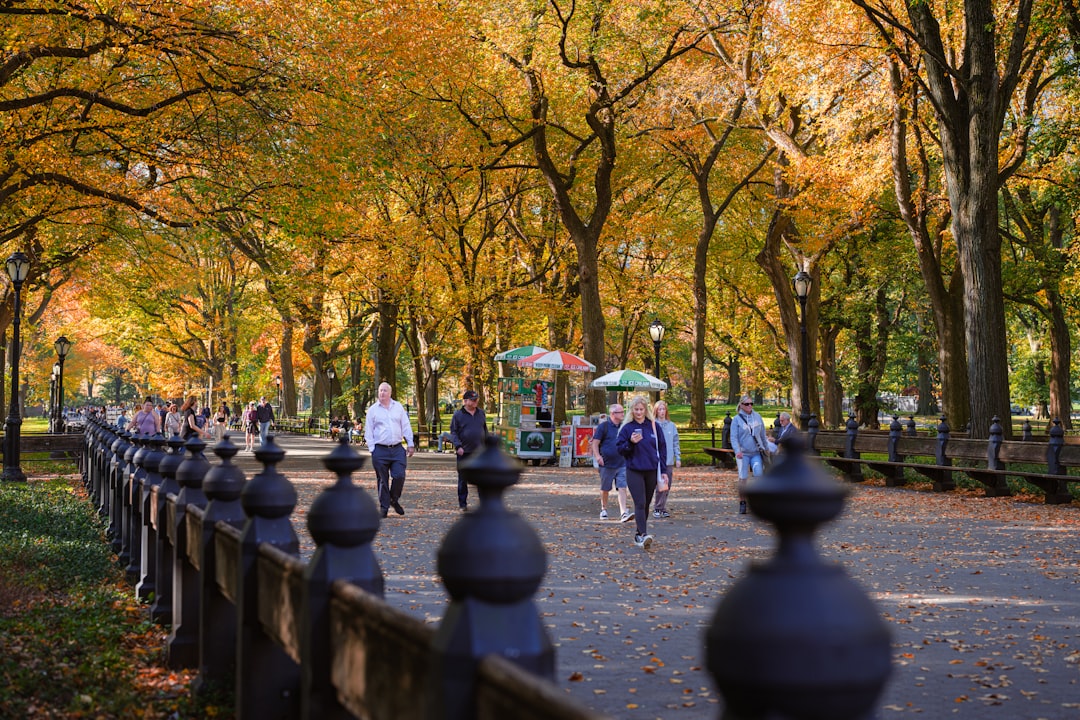
The sweet spot is October. I’ll say it plainly: October in New York is one of the best months in any city anywhere. The air turns crisp enough to walk for hours but warm enough to sit outside at a café without performing bravery. Central Park goes amber and copper. The gallery scene wakes up. New restaurants launch their fall menus. The New York Film Festival takes over Lincoln Center, and Open House New York opens the doors of hundreds of normally closed buildings — if you care about architecture, that weekend alone is worth the flight.
Late September works nearly as well. November starts to get sharp, but it comes with its own rewards: the Village Halloween Parade on October 31st carries enough creative chaos to remind you this city still knows how to surprise itself.
One note for 2026 specifically: the FIFA World Cup runs from June 13 to July 19, with the Final at MetLife Stadium. The city will be extraordinary — and extraordinarily crowded. Plan accordingly.
Where to Sleep Without Losing the Plot
Here’s my view on hotels in New York: the neighborhood matters more than the star rating. Staying in Midtown because it’s “central” is a bit like going to a party and standing in the hallway because it’s equidistant from all the rooms. Pick a room. Go in.
The Marlton Hotel sits on a surprisingly quiet block of 8th Street, just north of Washington Square Park. Sean MacPherson — the same hotelier behind The Bowery, The Ludlow, and The Jane — has a talent for making hotels feel like they belong to their street rather than hovering above it. The Marlton has that quality. Small rooms, yes, but you’re in the Village, and the Village is your living room. Walk out the door and you’re in one of the best food neighborhoods in the city.
→ The Marlton Hotel on Booking.com
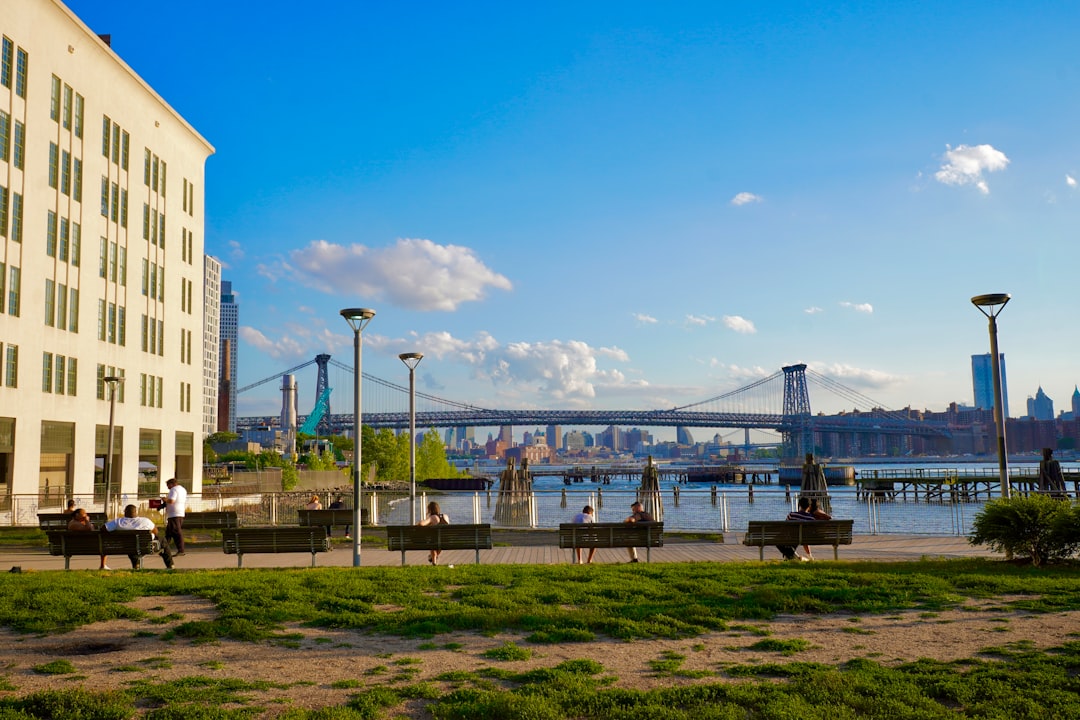
The Box House Hotel in Greenpoint, Brooklyn, is a different proposition entirely. A converted factory with suites that feel more like stylish flats than hotel rooms — metalwork, high ceilings, kitchenettes. Greenpoint itself is still more local than tourist: Polish bakeries that have been there for decades sit alongside new wine bars and independent bookshops. The waterfront parks give you Manhattan skyline views without the Manhattan prices.
→ The Box House Hotel on Booking.com
For something with more polish, The Standard East Village puts you within walking distance of about six distinct neighborhoods — the West Village, NoLIta, Chinatown, the Lower East Side — each with a completely different personality. It’s the kind of base that rewards wandering.
→ The Standard East Village on Booking.com
Beyond the Obvious: What to Actually Do When You’ve Already Done New York
If you’ve seen the Met, walked the Brooklyn Bridge, and stood in the September 11 Memorial, you don’t need another checklist. What you need is a reason to go back. Here are a few.
Walk the High Line at the wrong time. By which I mean the right time. During peak hours — midday, weekends — the High Line is a slow-moving conveyor belt of selfie sticks. At 7am on a Tuesday, it’s a completely different experience. You can actually see the plantings, notice the architecture framing the path, hear the city waking up below you. It’s one of the best-designed public spaces in America, but only if you can actually experience it.
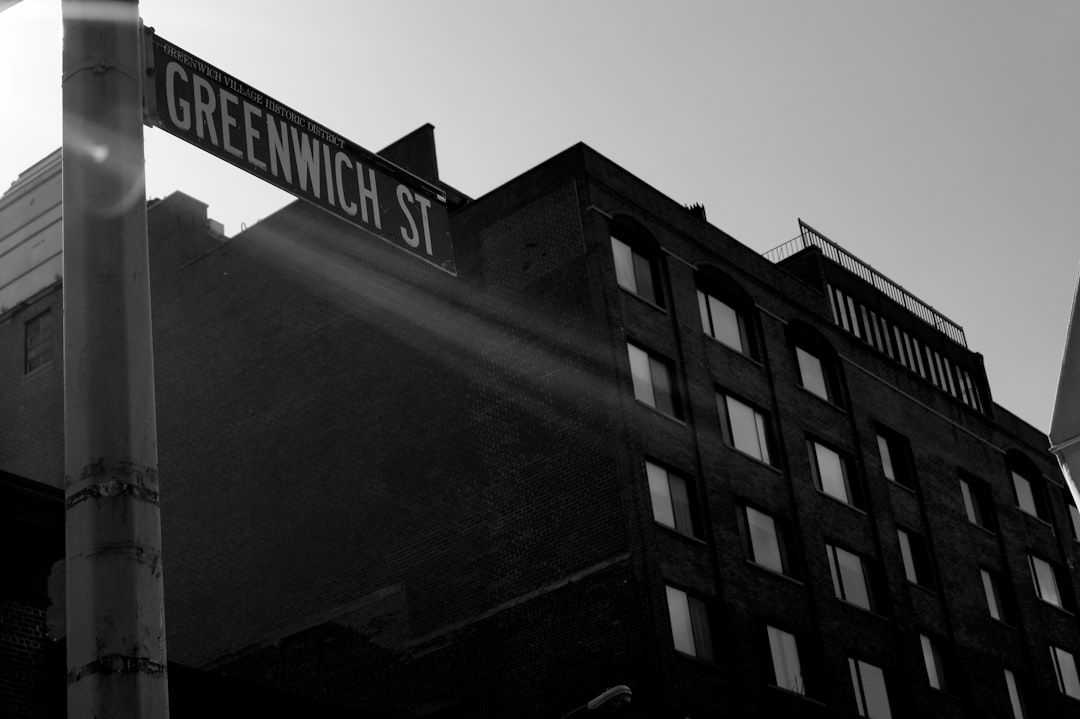
Take a Greenwich Village food tour. Even if you’re not usually a tour person, the walking food tours through the Village are a proper introduction to the neighborhood’s layers — independent bakeries, classic New York pizza by the slice, cupcake spots that predate the cupcake trend, and enough history woven in to make the walking feel purposeful.
→ Greenwich Village Food Tour on GetYourGuide
Explore Red Hook on a weekend afternoon. No subway line reaches Red Hook, which is precisely the point. You take a bus or you walk from Carroll Gardens, and what you find is an industrial waterfront neighborhood with artist studios, a lobster pound that operates out of a shipping container, Steve’s Authentic Key Lime Pies, and — a surprise — the best unobstructed, full-frontal view of the Statue of Liberty in all five boroughs.
Try a speakeasy crawl through the Lower East Side. PDT (Please Don’t Tell) requires entering through a phone booth inside a hot dog shop called Crif Dogs. Attaboy on Eldridge Street has no menu — you tell the bartender what you like and they make something. These aren’t gimmicks. They’re genuinely good bars that happen to be hidden.
→ Speakeasy & Hidden Bar Tour on GetYourGuide
Book a Harlem gospel and jazz experience. Harlem is a neighborhood too many visitors skip, and that’s a mistake. A guided gospel brunch or jazz club evening gives you cultural context that no amount of downtown wandering provides.
→ Harlem Gospel & Jazz Experience on GetYourGuide
The Table: Where New York Actually Eats
The food in New York is not overrated. It’s just frequently mislocated. The best meals in this city aren’t in Manhattan — or at least, not in the parts of Manhattan most visitors see.
Flushing, Queens is the city’s most serious Chinatown. Forget the Manhattan original — Flushing is bigger, better, and not performing for tourists. The New World Mall Food Court on Main Street is underground, fluorescent-lit, and staggeringly good. Thirty-plus vendors serving hand-pulled noodles, scallion pancakes, Sichuan skewers, and Taiwanese shaved ice. You’ll spend $12 and eat better than most $40 Manhattan lunches.
Jackson Heights is four blocks of the world on a single subway stop. Step off at 74th Street and you’re walking through Colombian arepas, Tibetan momos, Bangladeshi street snacks, Ecuadorian ceviche, and Indian chaat. No neighborhood in America offers this kind of culinary diversity in this kind of density.
Back in Manhattan, Russ & Daughters on Houston Street has been doing smoked fish and bagels since 1914. The Super Heebster — whitefish and baked salmon salad with wasabi-infused roe and horseradish cream cheese — is one of the great sandwiches. The queue moves faster than it looks.
Joe’s Pizza on Carmine Street — the original, not the outposts — still does what a New York slice is supposed to do. Thin, foldable, a little bit of grease on the paper plate. If you want something more considered, Scarr’s on Orchard Street uses hand-milled flour for a sourdough crust that’s turned heads across the food world.
And for cocktails, Attaboy on Eldridge Street. No menu. Tell them what you like. Trust the process. It’s the kind of bar that reminds you why New York was once the center of American drinking culture — and might still be.
Getting Around (Or, the Case for Walking)
New York has one of the great public transit systems in the world, and it will also test your patience in ways you didn’t know were possible. The subway is essential for covering distance — getting from Manhattan to Flushing or Greenpoint requires it — but within neighborhoods, walk. Always walk.
The city was built for feet. Blocks are short. Every intersection offers something — a bakery you didn’t expect, a building façade that makes you stop, a conversation drifting out of an open window. This is the part of New York that cars and taxis erase entirely. If you’re only here for three or four days, resist the urge to cab everywhere. Pick your neighborhood each morning, take the subway there, and then just go on foot.
One practical note: the OMNY tap-to-pay system means you can use your contactless card or phone on every bus and subway. No MetroCard needed, no fumbling at the turnstile. Small thing, but it changes the rhythm of moving through the city. Boston is another city best covered on foot, with neighborhoods worth a detour well beyond the Freedom Trail.
Ready to Plan Your Trip to New York?
You’ve done the reading. Here’s everything you need to make it happen.
Some links in this post are affiliate links. If you book through them, CuriosityTrail earns a small commission at no extra cost to you. Recommendations are chosen on merit; commissions never decide what’s included.