Five Unhurried Days in Oaxaca: Mezcal, Mole, and the Zapotec Ruins Beyond the Tourist Trail
Quick Essentials
- 📍 Best Time to Visit: October through early December — the rains have stopped, the hills are still green, and the holiday crowds haven’t arrived yet.
- ✈️ Flights: Search flights to Oaxaca on Skyscanner | Direct from Houston, Dallas, and Mexico City
- 🏨 Hotels: Browse hotels in Oaxaca | Our neighborhood picks below
- 🎟️ Top Experience: Mezcal and mole pairing with a certified sommelier
- 🚗 Car Rental: Compare rental cars in Oaxaca
💰 Budget Range: $80–$150 USD per day for mid-range; $200+ for boutique hotels and fine dining
The Argument for Going Slowly
Oaxaca has been on every “best food cities in the world” list for the better part of a decade, and every year more travelers show up with three days and a restaurant spreadsheet. That approach isn’t wrong, exactly. But it misses something. The mole negro at El Escapulario tastes different when you’ve spent the morning grinding cacao at a molino on Calle Mina. The mezcal at a Murguía bar lands differently after you’ve watched a mezcalero in Matatlán rake coals off a roasting pit of piñas that took three days to cook.
Oaxaca is a city that rewards the unhurried. Five days is enough. Two friends traveling together is the ideal configuration — one of you will want to linger at the Zapotec ruins while the other wanders the textile market, and you’ll meet back for mezcal at dusk with entirely different stories. That tension between shared experience and solo discovery is part of what makes this city so good in company.
This isn’t a first-timer’s checklist. It assumes you’ve been to Mexico City, eaten your share of tacos, and know the difference between mezcal and tequila even if your palate can’t yet distinguish tobalá from madrecuixe. By the end of five days, it will.
When Five Days Feels Like Enough
The best window is October through early December. The rainy season ends in late September, which means the surrounding mountains are at their greenest while the afternoons are dry and the light is extraordinary. Temperatures sit in the mid-70s°F. Hotel prices haven’t yet climbed to their December holiday peak.
If you can swing it, time your visit around Día de los Muertos in late October. Oaxaca’s celebrations are among Mexico’s most elaborate — costumed comparsas through the streets, cemeteries lit with thousands of candles, pan de muerto stacked in every bakery window. It’s not a gimmick. The Oaxaqueños take this seriously, and the sincerity is palpable.
July brings the Guelaguetza, the state’s largest cultural festival, plus the Feria Internacional del Mezcal. But July also brings afternoon rain every single day and significantly more tourists. You’ll pay more and get rained on. Worth it if the Guelaguetza is the point of the trip. Otherwise, wait for October.
Where to Sleep: Jalatlaco and the Quiet Side of Centro
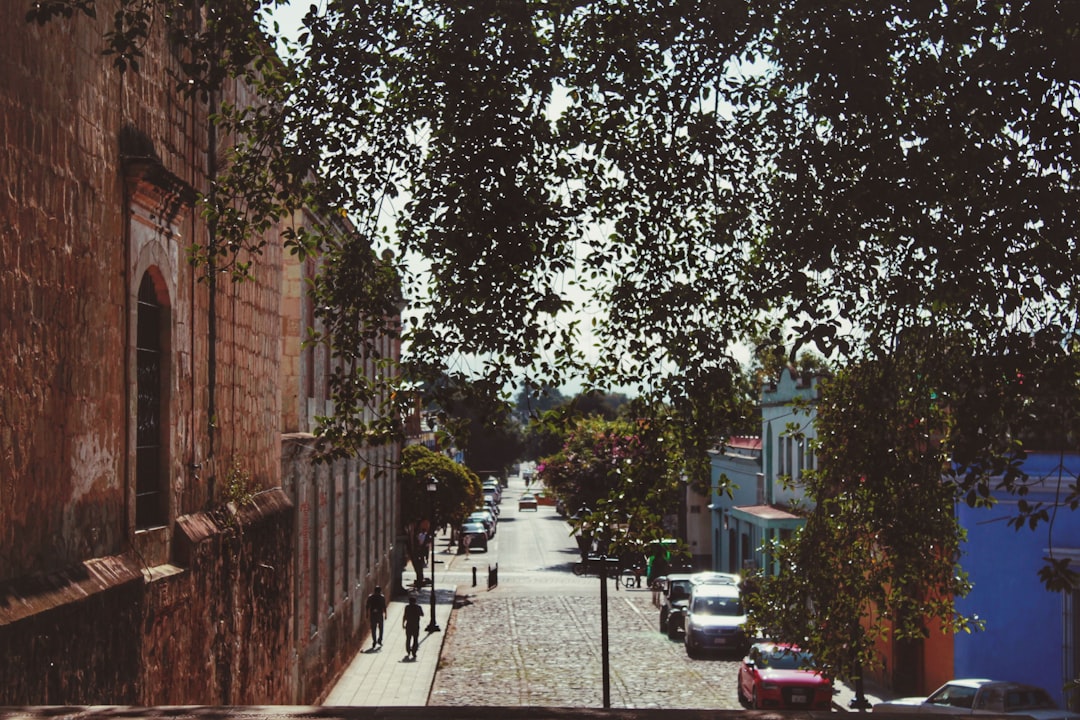
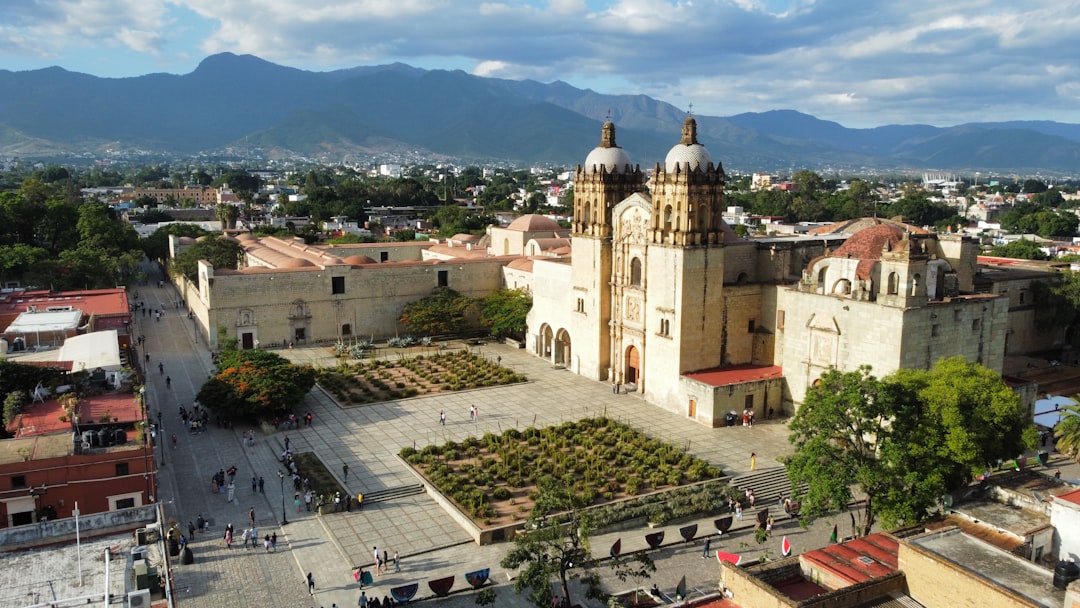
Jalatlaco is the neighborhood. Five minutes on foot from the Zócalo, but the noise drops off and the streets turn residential — painted facades, corner bakeries, locals walking dogs past street art that hasn’t yet been Instagrammed into cliché. The boutique guesthouses here are small, personal, and significantly quieter than anything in the centro blocks around the Zócalo.
Casa de Arte sits in this neighborhood — seven rooms, each designed with work from local artists, somewhere between a hotel and a gallery. The rooftop is a good place to drink coffee before the city wakes up. → Casa de Arte on Booking.com
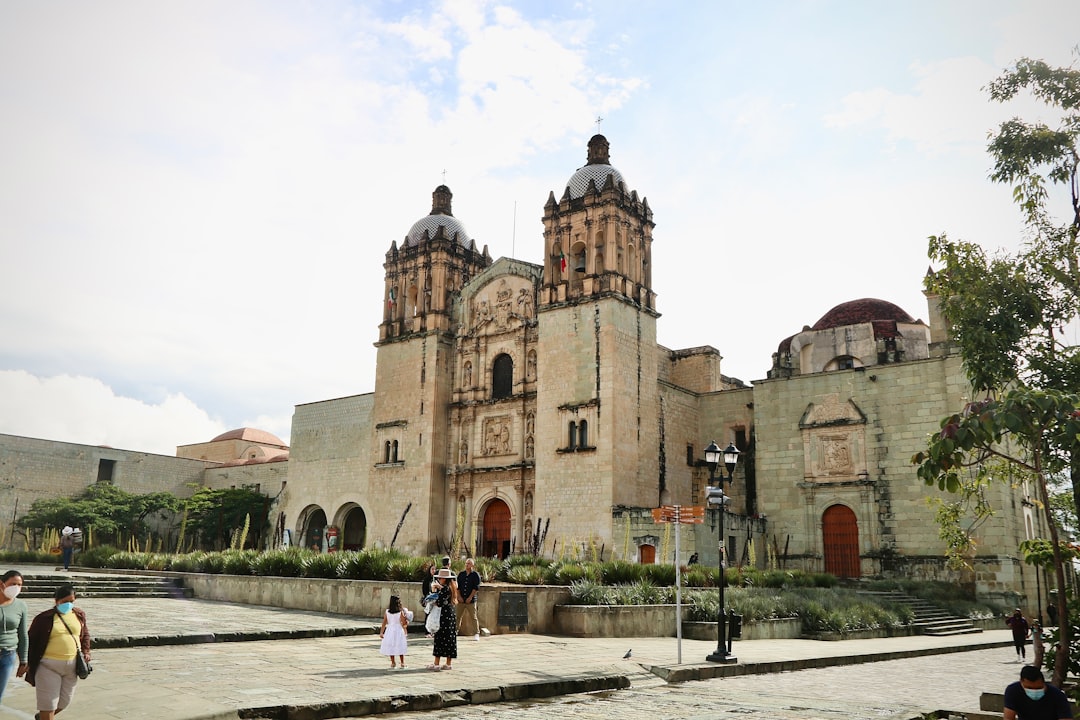
For a splurge, Quinta Real Oaxaca occupies the converted 16th-century Convent of Santa Catalina de Siena in the heart of the historic center. The courtyard alone is worth the rate, and the location puts you within a three-minute walk of Santo Domingo and the best restaurants. → Quinta Real Oaxaca on Booking.com
Casa Oaxaca is the intimate option — seven rooms, a rooftop pool, Zapotec textiles on the walls, and a restaurant that draws non-guests. It’s the kind of hotel where the staff remembers your name after one night. → Casa Oaxaca on Booking.com
Skip the big chain hotels on the Periférico. They’re cheaper, but you’ll spend twenty minutes in a taxi every time you want dinner, and the whole point of Oaxaca is walking.
The Zapotec Circuit: Monte Albán, Mitla, and What the Tour Buses Miss
Monte Albán is non-negotiable. Ten kilometers from the city center, perched on a mountaintop the Zapotecs manually leveled around 500 BC, it was the capital of their civilization for over 1,300 years. The scale doesn’t register from photographs — you need to stand in the Grand Plaza, climb the south platform, and look across the valley to understand what they built here.
The critical detail: you can still climb the pyramids. Unlike Chichén Itzá or Teotihuacán, Monte Albán hasn’t been roped off. Go early — the first shuttle from Hotel Riviera in the centro leaves at 8:30am — and start by heading left up the staircase to skip the long perimeter path and reach the main plaza quickly. Bring water. There is almost no shade.
A guided tour adds genuine value here — the site’s history spans over a millennium and the signage is minimal. A good guide connects the Danzantes carvings, the astronomical observatory, and the ball court into a coherent story. → Guided Monte Albán archaeological tour with hotel pickup
Mitla is the counterpoint. Where Monte Albán is monumental and political, Mitla is intricate and spiritual — the geometric fretwork carved into its stone walls is some of the most complex in Mesoamerica. It was still occupied when the Spanish arrived in the 1520s. The site sits on the valley floor rather than a hilltop, and the modern town of Mitla has grown right up against it, which gives the ruins an immediacy that Monte Albán’s isolation doesn’t.
The smart play is combining Mitla with a stop at the Tlacolula Sunday market (go on Sunday, obviously) and the petrified waterfalls at Hierve el Agua — mineral-laden springs that have calcified over cliff edges into frozen cascades. It makes for a long day, but a spectacular one. → Mitla, Hierve el Agua, and Tlacolula market day trip
Mezcal, Properly
Oaxaca is to mezcal what Bordeaux is to wine — this is where it comes from, and drinking it here is a fundamentally different experience than ordering it at a cocktail bar back home.
Start on Calle Murguía. This short street near Santo Domingo holds half a dozen serious mezcalerías, and the good ones pour artisanal and ancestral varieties you won’t find exported. Order a cata — a tasting flight — and ask for espadín (the baseline, the one you probably already know), tobalá (floral, complex, made from wild agave), and madrecuixe (earthy, smoky, with a finish that lasts for minutes). The difference between industrial and ancestral mezcal is not subtle. Once you taste it, you can’t go back.
The mezcal and mole pairing is the experience to book. Ninety minutes with a certified sommelier, seven artisanal mezcales matched with seven of Oaxaca’s traditional moles. It’s the single best way to understand both traditions in one sitting — how the sweetness of a coloradito mole works with the smoke of an espadín, how a sharp tobalá cuts through the richness of mole negro. → Mezcal and mole pairing tasting experience
For the full production story, take the Ruta de Mezcal south to Santiago Matatlán, the self-proclaimed “world capital of mezcal.” The small family palenques let you watch the entire process — the piñas roasting in underground pits, the stone tahona crushing the cooked agave, the copper stills running. It’s not a tasting room. It’s a workshop.
Learning to Make Mole (and Why It Matters)
Oaxaca has seven canonical moles, and each one is a document of the region’s history — pre-Hispanic cacao and chili combined with Spanish-introduced spices and techniques. Mole negro, the most complex, can contain thirty or more ingredients and takes an entire day to prepare. No one makes it casually.
The best cooking workshops start at the market. You walk through the aisles with a local cook, picking up dried chilhuacle negro, chocolate from a Calle Mina molino, avocado leaves, and whatever else the recipe demands. Then you spend three to four hours in a kitchen grinding, toasting, and building the mole layer by layer. Morning sessions are better — the market is at its peak and the kitchen is cooler.
The chocolate molinos on Calle Mina deserve their own visit. Watch the machines grind cacao, sugar, cinnamon, and almonds into Oaxacan drinking chocolate. You customize your own blend by weight — more cinnamon, less sugar, extra almonds. The smell is worth the walk even if you buy nothing.
The Table: Where to Eat in Oaxaca
El Escapulario does the mole tasting properly — they pour varieties you won’t find at most restaurants, including manchamantel, the fruit-laced mole that’s falling out of common preparation. Order the sampler and eat slowly.
Los Danzantes, awarded a Michelin star in 2024, takes traditional Oaxacan ingredients and treats them with the technical precision of a fine-dining kitchen. The courtyard setting is beautiful without being precious. Book ahead.
Zandunga is the one most travelers miss. It specializes in Istmo cuisine — the food of the Isthmus of Tehuantepec in southern Oaxaca. Tamales de rajas, garnachas, totopos, and seafood from the Pacific coast. If you think Oaxacan food is just mole and tlayudas, this restaurant will correct that impression in one meal.
The 20 de Noviembre market’s pasillo de humo is where Oaxaqueños eat. An entire aisle of grill stalls cooking tasajo, cecina, and chorizo over open coals. Point at whatever looks good, sit at the nearest counter, and someone will hand you a plate of grilled meat with tortillas, salsa, and a squeeze of lime. No menu. No pretension. Some of the best eating in the city.
For tlayudas, go to the market stalls, not the restaurants. The crispy oversized tortilla with asiento, black beans, quesillo, and tasajo should cost 60–80 pesos. If someone’s charging 180, you’re in the wrong place.
Tejate — find the women selling it at the 20 de Noviembre market. It’s a cold, frothy drink made from cacao, mamey pit, and maize, pre-Hispanic in origin, and it tastes like nothing else. Order a medium. Drink it there.
And buy chapulines at Benito Juárez market. Toasted grasshoppers with chile, lime, and garlic. They’re a snack, sold by the bag, and they pair unreasonably well with mezcal.
The Craft Villages Worth the Drive
Three villages in the Valles Centrales southeast of Oaxaca city are worth a half-day trip, and the right approach is to go independently in the afternoon when the tour buses have left.
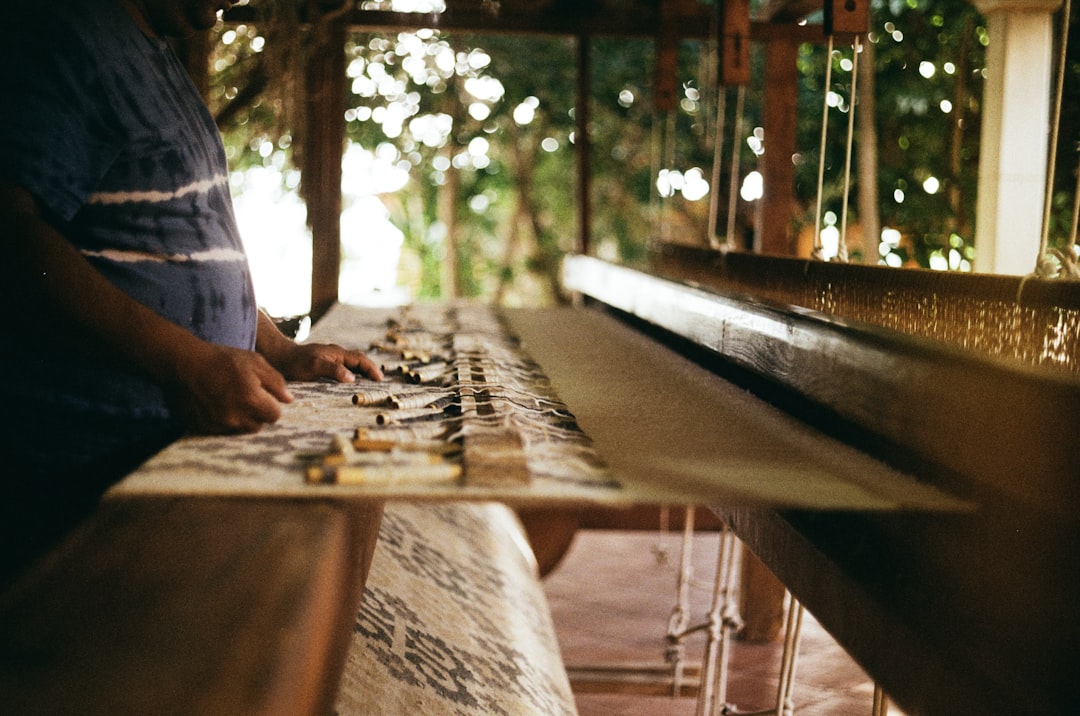
Teotitlán del Valle is the textile village — Zapotec weavers producing rugs with natural dyes derived from cochineal, indigo, and pomegranate. The best workshops let you watch the entire process from raw wool to finished rug. The quality of the weaving varies enormously between stalls. Look for tight, even stitching and ask about the dye source. A good rug is an investment. A tourist rug falls apart.
San Bartolo Coyotepec produces the black clay pottery (barro negro) Oaxaca is known for. The village has dozens of workshops, not all equal. Ask to watch the firing process.
Santo Tomás Jalieza is the backstrap loom weaving village. The textiles here are different from Teotitlán — smaller pieces, intricate patterns, and a technique that produces a tighter, more detailed weave. The women selling at the roadside market are the ones who made what they’re selling.
Practical Notes
Getting around: Oaxaca’s centro is walkable. For Monte Albán, Mitla, and the craft villages, either join a tour or hire a private driver for the day (800–1,200 pesos, negotiable). Colectivos run to most valley towns for 20–40 pesos but are slower and less flexible.
Cash matters: Many market stalls, smaller restaurants, and craft workshops are cash-only. ATMs are plentiful in the centro. Withdraw pesos, not dollars.
Altitude: Oaxaca city sits at 1,555 meters (5,100 feet). You probably won’t notice it, but the sun is strong. Sunscreen and a hat at the ruins are not optional.
Language: Basic Spanish goes a long way. English is widely spoken in tourist-facing restaurants and hotels but much less so at markets, mezcalerías, and in the villages.
Tipping: 10–15% at restaurants. Tour guides appreciate 100–200 pesos per person for a full day.
Plan Your Trip to Oaxaca
Best time to visit: October through early December — dry, green, uncrowded, and warm without being punishing.
✈️ Getting There
Search flights to Oaxaca on Skyscanner
🏨 Where to Stay
- Casa de Arte, Jalatlaco — boutique gallery-hotel in the best neighborhood, quiet rooftop mornings
- Quinta Real Oaxaca — converted 16th-century convent, three minutes from Santo Domingo
🎟️ What to Book in Advance
- Mezcal and mole pairing tasting
- Monte Albán guided archaeological tour
- Mitla, Hierve el Agua, and Tlacolula day trip
Some links in this post are affiliate links. If you book through them, CuriosityTrail earns a small commission at no extra cost to you. Recommendations are chosen on merit; commissions never decide what’s included.