Montreal on Foot: A Food Lover’s Walking Guide to the City’s Best Neighborhoods
Quick Essentials
- 📍 Best Time to Visit: Late May through early October — the terrasses open, the festivals stack up, and the walking weather turns the whole city into a dining room.
- ✈️ Flights:
Search flights to Montreal on Skyscanner | Direct from New York, Chicago, Toronto, and most major East Coast hubs - 🏨 Hotels:
Browse hotels in Montreal | Our picks below - 🎟️ Top Experience:
Best of Montreal Food Walking Tour - 🚗 Car Rental:
Compare rental cars in Montreal - 💰 Budget Range: $150–$300 per day for mid-range to splurge-worthy eating and comfortable hotels
The City That Changes Language Every Few Blocks
Montreal doesn’t ease you in. You step off the plane at Trudeau, take the 747 bus downtown, and within twenty minutes you’re standing at a corner where the street signs are French, the café menu is in both languages, and the couple at the next table is speaking neither. That’s the city in miniature. It shifts under your feet.
Montreal is the rare North American city where crossing a boulevard genuinely feels like crossing a border. Saint-Laurent Boulevard — “The Main” — was the old dividing line between English and French Montreal. East of it, the Plateau’s painted row houses and boulangeries. West of it, the McGill corridor and its Anglophone hum. That line has blurred over the decades, but the texture is still there if you’re paying attention.
The food scene is the clearest expression of this layering. Montreal doesn’t have one culinary identity — it has six or seven, stacked on top of each other, and they bleed into each other in the best possible way. French bistro technique meets Jewish deli tradition meets Italian market culture meets the new wave of wine bars and omakase counters. You eat your way through it on foot. There’s no other honest way to do it.
When the City Comes Alive: Timing a Montreal Trip
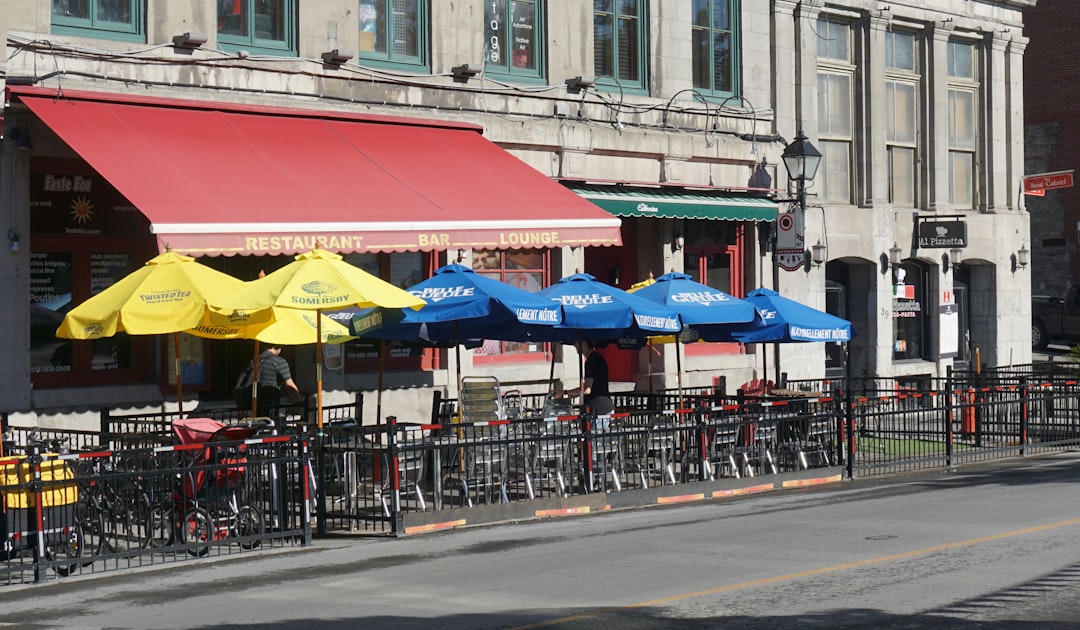
The short answer: come between late May and early October. Montreal’s terrasse culture — those sidewalk patios that sprout on every block when the weather turns — is as much a part of the food experience as the restaurants themselves. The city has a compressed outdoor season and it treats it like a gift.
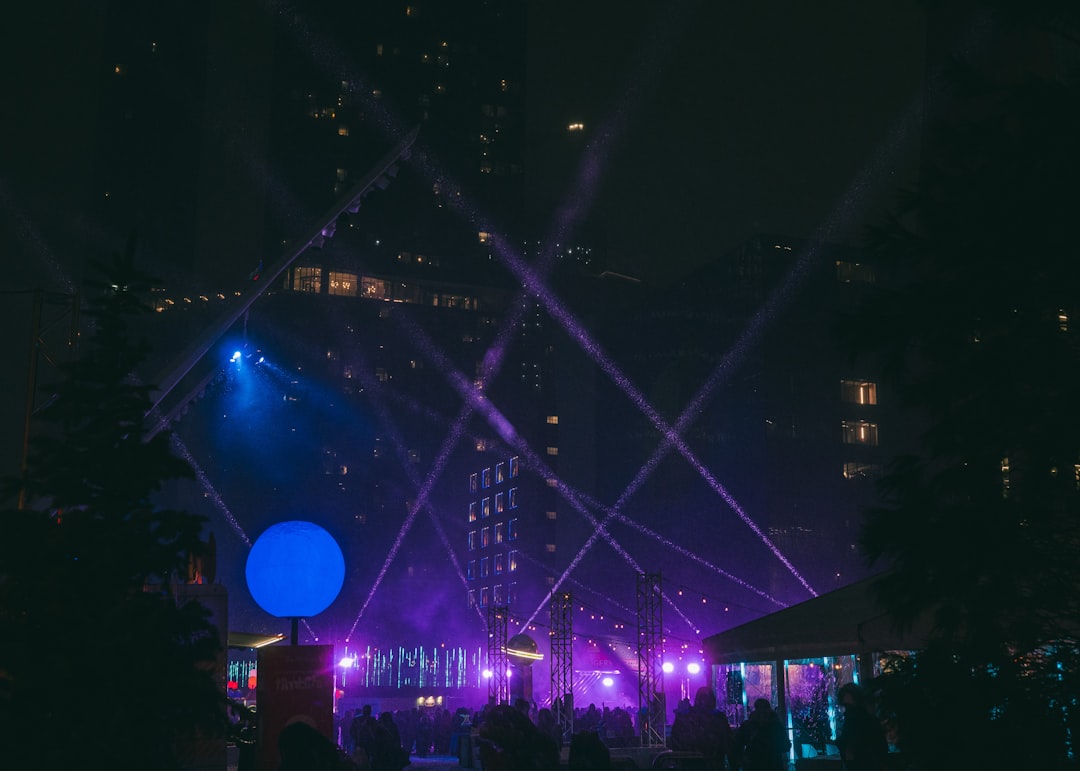
June is arguably the best month. Les Francos de Montréal (June 12–20 in 2026) fills the Quartier des Spectacles with French-language music, and the Montreal International Jazz Festival follows almost immediately in late June and early July. The Jazz Festival is free at the outdoor stages, and the atmosphere in the Quartier on a warm evening is hard to beat. You don’t need to be a jazz devotee — the energy alone is worth the timing.
September is the other sweet spot. The summer crowds have thinned, the days are still warm enough for walking, and the trees on Mont-Royal start turning. The UCI Road World Championships are coming to Montreal September 20–27, 2026 — the biggest sporting event in the city since the 1976 Olympics. If cycling is your thing, plan around it. If it’s not, plan around it anyway — the atmosphere will be electric and the races are free to watch.
July and August bring peak heat, peak tourists, and peak festival density. Just for Laughs and Osheaga both land in this window. It’s vibrant but crowded, and restaurant reservations get competitive. Winter? Montréal en Lumière in February pairs gastronomy with ice installations and a legendary Nuit Blanche. You’ll need proper cold-weather gear, but the city doesn’t hibernate — it adapts.
Where to Drop Your Bags
The choice in Montreal is really between two moods: cobblestones or colour.
Old Montreal puts you in the European fantasy. Hotel Place d’Armes sits one block from Notre-Dame Basilica in three joined greystones — exposed brick, original woodwork, the kind of character that boutique-by-formula hotels spend millions trying to fake. It holds MICHELIN Keys for a reason. It’s a splurge, but if you want the old-world bones of the city at your doorstep, there’s nowhere better.
→ Hotel Place d’Armes on Booking.com
For something more intimate in the same neighborhood, Le Petit Hôtel merges century-old architecture with modern restraint. Condé Nast Traveler ranked it the fourth-best hotel in Canada in 2025, which sounds like marketing until you actually stay there. The rooms are small by North American standards but generous by Parisian ones, and that’s the right frame of reference in this part of the city.
→ Le Petit Hôtel on Booking.com
The Plateau puts you in the living city. Kutuma Hotel & Suites on Rue Saint-Denis has African-inspired decor — rich textures, earthy tones — and it’s a three-minute walk from Sherbrooke Metro. More importantly, it’s walking distance to the Plateau’s best eating, the best bagels, and the entry point for the Mile End–to–Old Montreal walk that is, in my estimation, the single best thing to do in this city.
→ Kutuma Hotel & Suites on Booking.com
Mile End to Old Montreal: Eating the City’s Dividing Line
This is the walk. Four kilometres, give or take, depending on how many times you stop — and you will stop. Start in Mile End, end in Old Montreal, and let the city change around you as you go south.
Mile End is where Montreal’s creative class lives and eats. Begin at Fairmount Bagel or St-Viateur Bagel — the rivalry is real and locals have strong opinions. The bagels here are nothing like New York bagels: smaller, denser, wood-fired, rolled by hand, with a slight sweetness from the honey-water bath. Get a sesame, still warm. Eat it standing outside. That’s the correct way.
Walk south a block to Café Olimpico on Rue Saint-Viateur. It’s been here since 1970, and the espresso is still among the best in the city. No Wi-Fi, no pretence. Just coffee and conversation and the sound of Italian being spoken at the next table. This is the Mile End that existed before the tech companies moved in, and it’s still holding on.
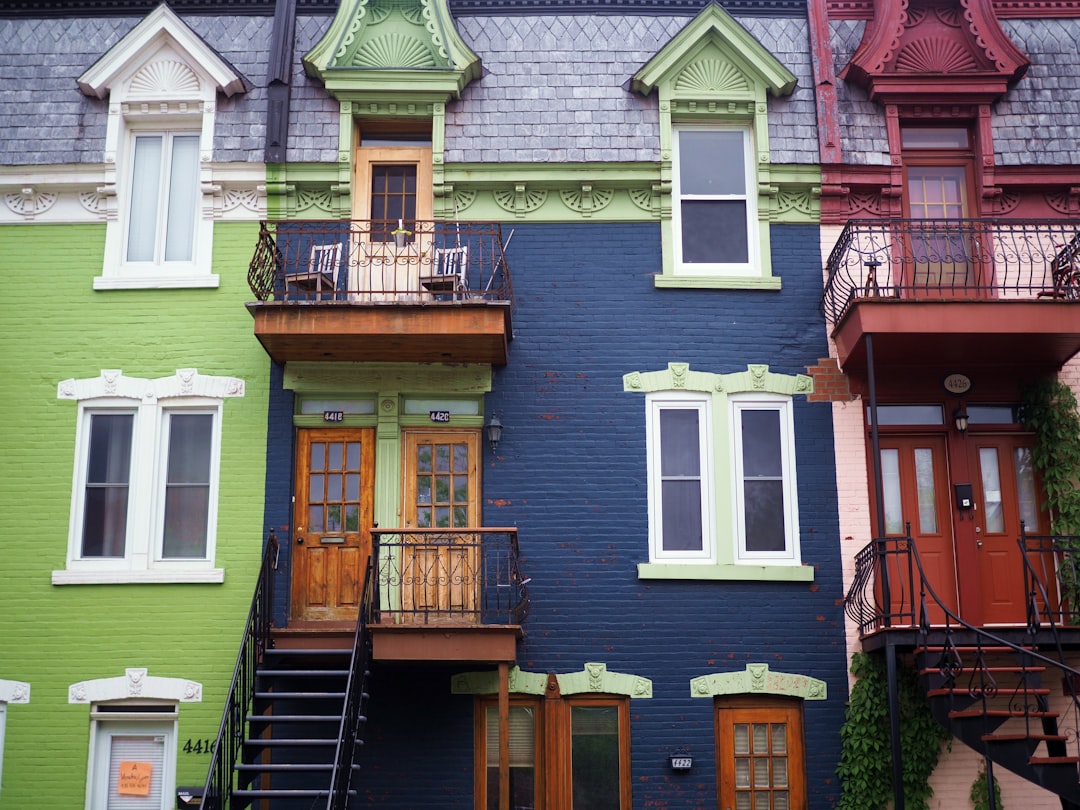
From Mile End, walk south along Boulevard Saint-Laurent into the Plateau Mont-Royal. The architecture shifts here — those famous painted Victorian row houses with their wrought-iron staircases. Avenues Laval, Drolet, and Henri-Julien have some of the most photographed facades in the city. The MURAL Festival paints new street art along Saint-Laurent every June, so the visual landscape is literally different each year.
The Plateau is where the bistro culture lives. This isn’t the flashy dining of Old Montreal — it’s neighbourhood cooking done with quiet precision. The kind of place where the menu changes weekly and the wine list leans natural.
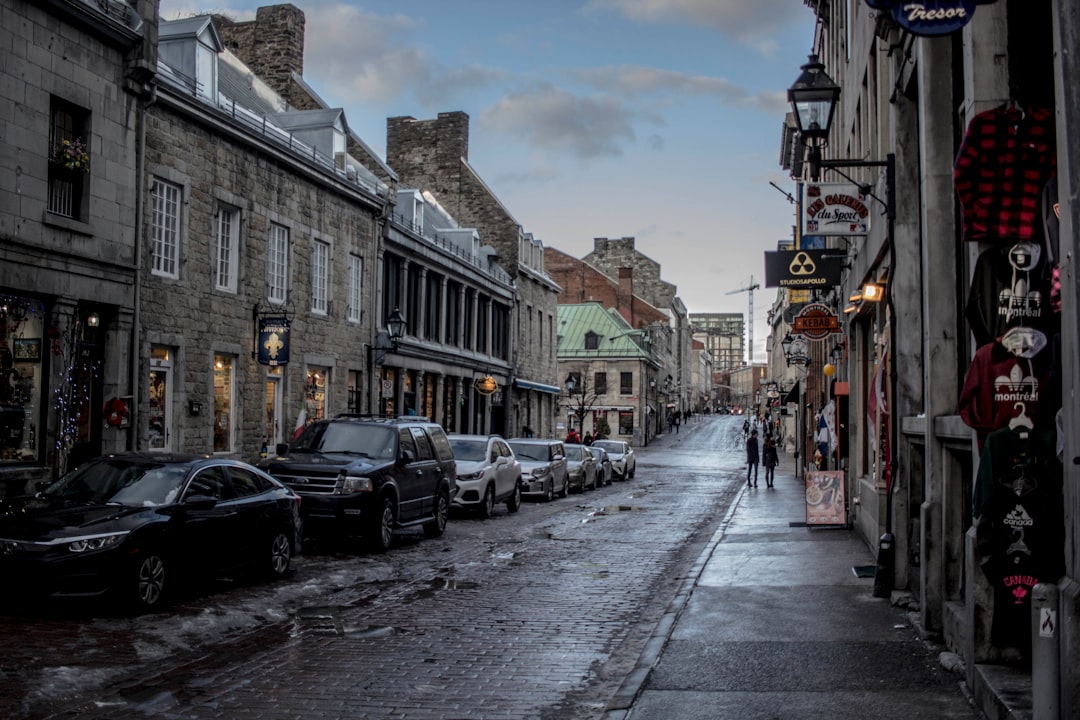
As you continue south on Saint-Laurent, crossing Sherbrooke, the city shifts again. The buildings get taller, the language mix changes, and by the time you reach Old Montreal, you’re walking on cobblestones past Gothic Revival churches and Renaissance-era stone facades. The architecture spans four centuries in a few blocks. The crêperies and tourist poutine shops are here too — that’s fine, just keep walking past them to the spots that matter.
The Mile End Foodie Tour with Tastings covers this territory with a knowledgeable local guide — hand-rolled bagels, small-batch pastries, smoked meats, and a surprise seasonal dish. Small groups, which matters when you’re threading through neighbourhood spots.
→ Mile End Foodie Tour with Tastings on GetYourGuide
Beyond Smoked Meat: What to Actually Eat
Montreal smoked meat is mandatory — once. Schwartz’s Deli on Saint-Laurent is the legend, and the line out front is part of the experience. Order it medium-fat on rye with a pickle and a cherry cola. Main Deli across the street is nearly as good with half the wait. But if smoked meat is all you eat in Montreal, you’ve missed the point.
La Banquise on Rue Rachel in the Plateau serves poutine around the clock — over thirty varieties, from classic to absurd. The purist order is La Classique: fresh-cut fries, squeaky cheese curds, proper gravy. The restaurant itself is cheerful chaos at midnight. Patati Patata, a few blocks west, does it simpler and arguably better in a space the size of a large closet.
Damas in the Plateau serves Syrian fine dining that has no real equivalent in most North American cities. The mezze alone is worth the trip — this isn’t adapted-for-Western-palates cooking. It’s the real thing, served in a dining room that feels like Damascus at its most gracious.
Mon Lapin, a short walk from the Jean-Talon Market, is a wine bar that happens to serve extraordinary food. The menu changes constantly, the natural wine list is one of the best in Canada, and the room has the easy warmth of a neighbourhood place that just happens to have serious ambition. Book ahead.
Toqué! is the fine-dining anchor. Chef Normand Laprise has been setting the standard in Montreal for decades, and the tasting menu remains one of the most accomplished meals in the country. It’s a splurge. It’s worth it.
And the new guard is arriving. Hana Korean Steakhouse opened in Old Montreal in early 2026, offering prime cuts and wagyu with a nine-course omakase option. Club Abierto near the Lachine Canal does exceptional focaccia sandwiches and pastries in a bright, unfussy space. The Michelin Guide arrived in Quebec in 2025, and you can feel the energy it’s injected into the scene.
For coffee and pastry, Duc de Lorraine near the Oratoire Saint-Joseph has a Parisian refinement that feels earned rather than affected. The croissants alone justify a detour.
What to Book Before You Go
Montreal’s best food experiences are walkable and spontaneous, but a few things benefit from advance booking — especially the guided tours that get you into places and conversations you wouldn’t find alone.
The Best of Montreal Food Walking Tour covers the classics — smoked meat, bagels, poutine, maple bacon jerky — across multiple neighbourhoods with a local guide who knows the backstories.
→ Best of Montreal Food Walking Tour on GetYourGuide
The Jean-Talon Market & Little Italy Food Tour takes you off the tourist path entirely. Jean-Talon is where Montrealers actually shop — Quebec cheeses, seasonal produce, charcuterie stalls — and the surrounding blocks of Little Italy have trattorias that rarely appear in English-language guides.
→ Jean-Talon Market & Little Italy Food Tour on GetYourGuide
For something different, the Old Montreal Food and Drink Tour is a solid three-hour crawl through the old city’s best stops, including craft beer pairings that most food tours skip. And the Montreal Chocolate Walking Tour in Mile End visits bean-to-bar shops with at least nine tastings — it’s more educational than indulgent, which is a compliment.
Don’t skip the Kondiaronk Belvedere on Mont-Royal. It’s a thirty-minute walk from the Plateau through the park that Frederick Law Olmsted designed. The view over the city skyline at sunset is one of those things that doesn’t need a superlative — it just needs you to be there. Farther west, Toronto trades landmarks for neighborhoods, from Kensington Market and Chinatown to the restaurants of Scarborough.
Plan Your Trip to Montreal
Best time to visit: Late May through early October — June and September are the sweet spots for festivals, walking weather, and thinner crowds.
✈️ Getting There
Search flights to Montreal on Skyscanner
🏨 Where to Stay
- Le Petit Hôtel — Century-old Old Montreal charm, ranked 4th best hotel in Canada by Condé Nast Traveler
- Hotel Place d’Armes — MICHELIN Keys splurge in three historic greystones, one block from Notre-Dame
🎟️ What to Book in Advance
- Best of Montreal Food Walking Tour
- Mile End Foodie Tour with Tastings
- Jean-Talon Market & Little Italy Food Tour
Some links in this post are affiliate links. If you book through them,
CuriosityTrail earns a small commission at no extra cost to you.
Recommendations are chosen on merit; commissions never decide what’s included.