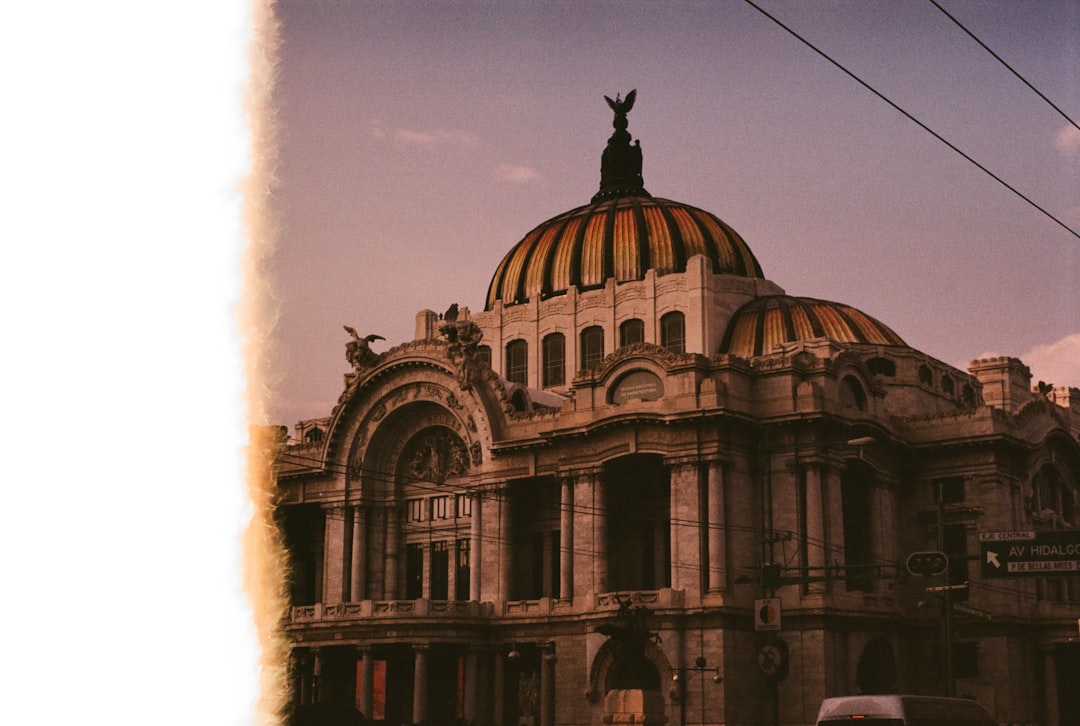
Mexico City for Repeat Travelers: Food, Art, and the Right Colonias
Quick Essentials
- 📍 Best Time to Visit: March through May — daytime highs around 24°C, almost no rain, and the jacarandas turn the city purple in March. February is even better if you time it with Zona MACO art week.
- ✈️ Flights:
Search flights to Mexico City | Direct from Houston, Dallas, LA, Chicago, and most major U.S. hubs - 🏨 Hotels:
Browse hotels in Mexico City | Our neighborhood picks below - 🎟️ Top Experience:
Downtown Mexico City Authentic Food Tour - 🚗 Car Rental:
Compare rental cars in Mexico City
💰 Budget Range: $80–$180 USD per day for mid-range to splurge-level travel (hotel, meals, activities, transit)
The trick to Mexico City is knowing what to ignore.
There are 170 museums. Thousands of restaurants. Colonias that sprawl in every direction, each insisting it’s the one you need. The first-timer instinct is to build a spreadsheet and conquer the city in five days. That instinct is wrong.
Mexico City doesn’t reward the checklist traveler. It rewards the one who picks two or three neighborhoods, learns their rhythms, and stays long enough to notice that the taco cart on the corner only appears after 9pm. The depth here is extraordinary — museums, street food, neighborhood character that shifts block by block — but it only opens up when you slow down and stop trying to see everything.
This is a city where food at every level, from a $1 tlacoyo at a market stall to a twelve-course tasting menu in Polanco, anchors the entire experience. Where the contemporary art scene has quietly become one of the most interesting in the Americas. Where a twenty-minute walk can take you from tree-lined European-feeling boulevards to a market so enormous and chaotic it feeds 50,000 vendors and the entire city behind them. The key is choosing your colonias and going deep.
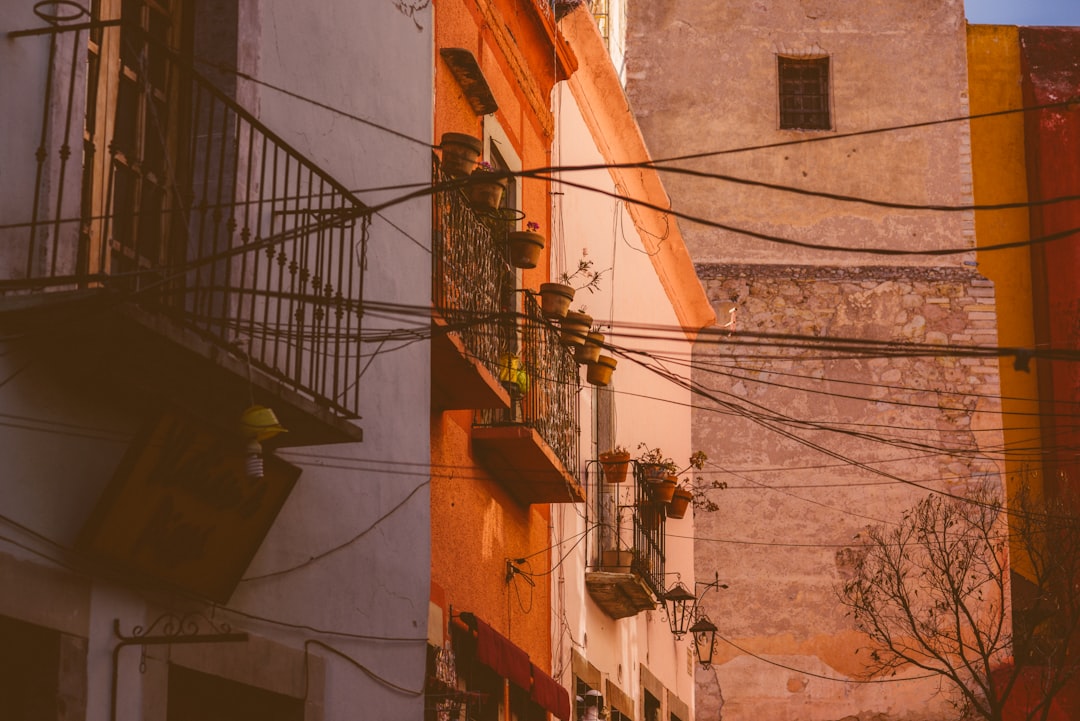
Pick Your Colonia: Where Three Neighborhoods Tell Different Stories
The single most important decision in Mexico City isn’t which museum to visit first. It’s where to base yourself, because the neighborhood you wake up in shapes everything — what you eat for breakfast, which galleries you wander into, how the city feels at 10pm.
Roma Norte is where most informed visitors land, and for good reason. The streets are walkable and handsome — Calle Orizaba, Calle Colima, Avenida Álvaro Obregón — lined with early-20th-century architecture that ranges from Art Nouveau townhouses to Art Deco apartment blocks. The restaurant scene here is arguably the best in Latin America right now, but Roma earns its reputation at the street level too: morning juice stands, afternoon coffee at one of a dozen serious roasters, evening mezcal bars that don’t need a sign on the door. Roma is where the city’s creative energy concentrates. You feel it immediately.
Condesa sits just west, separated by a few blocks and a different tempo. Built in the 1920s on the grounds of a former horse-racing track, Condesa was designed around two parks — Parque México and Parque España — and everything here curves gently around green space. If Roma is the friend who always knows the new restaurant, Condesa is the one who invites you for a long walk and a late coffee. It’s calmer, more residential, and excellent for a longer stay. The café culture here is strong, and the tree canopy makes afternoon walks genuinely pleasant even in the warm months.
Coyoacán is farther south, and most visitors only come for Frida Kahlo’s Casa Azul. That’s a mistake. Coyoacán is its own town, really — absorbed by the city but never quite assimilated. The Jardín Centenario on a weekday morning has the feel of a provincial plaza: old men reading newspapers, kids chasing pigeons, vendors selling elote. The Viveros de Coyoacán, a massive public nursery and park, is one of the best morning walks in the city and almost entirely tourist-free. Come for Frida if you must, but stay for the neighborhood.
Where to Sleep (and Why It Matters More Here)
In most cities, your hotel is where you sleep and store your luggage. In Mexico City, your neighborhood is your experience. Pick wrong and you’ll spend half your trip in taxis crossing a city that doesn’t reward windshield time.
Roma Norte is the right base for most travelers reading this. Walk out the door and you’re in the middle of it — restaurants, galleries, cafés, street life. The boutique hotel scene here has matured significantly: Casa Tenue and Casona Roma Norte both offer genuine character without the corporate veneer. Mid-range, well-located, and small enough to feel personal. → boutique hotels in Roma Norte
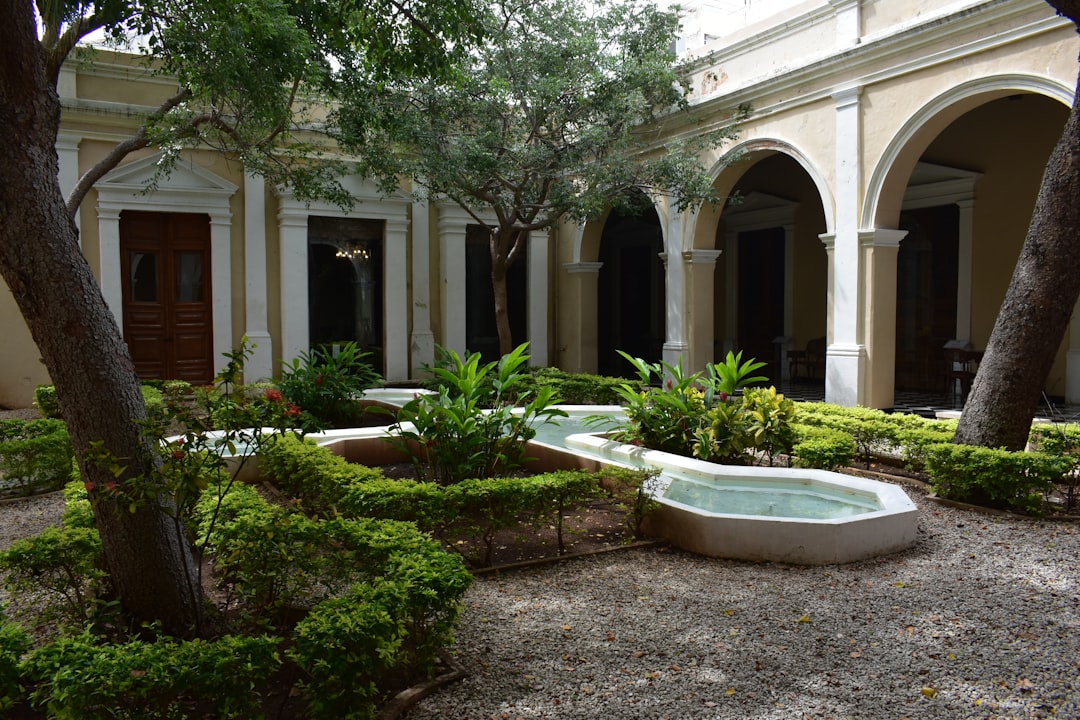
Condesa works beautifully for longer stays or for anyone who values calm over scene. Hotel Villa Condesa occupies a restored early-20th-century mansion on a quiet, leafy street — colonial bones, contemporary sensibility, a courtyard garden that makes you forget you’re in a city of 22 million. It’s a splurge, but a considered one. → hotels in Condesa
Polanco is the play if museums are your priority. Las Alcobas — 35 rooms, Yabu Pushelberg design, named one of Travel + Leisure’s top city hotels in Mexico — puts you within walking distance of Museo Jumex, Museo Tamayo, and the National Museum of Anthropology. The neighborhood is polished and upscale, which is either a comfort or a limitation depending on what you want from the trip. → hotels in Polanco
The Art That Isn’t in the Guidebook
Every guidebook will send you to Frida Kahlo’s Casa Azul and the National Museum of Anthropology. Both are worth your time — the Anthropology Museum genuinely is one of the great museums in the world, and the Aztec Sun Stone alone justifies the visit. But the contemporary art conversation in Mexico City is happening elsewhere, and most visitors miss it entirely.
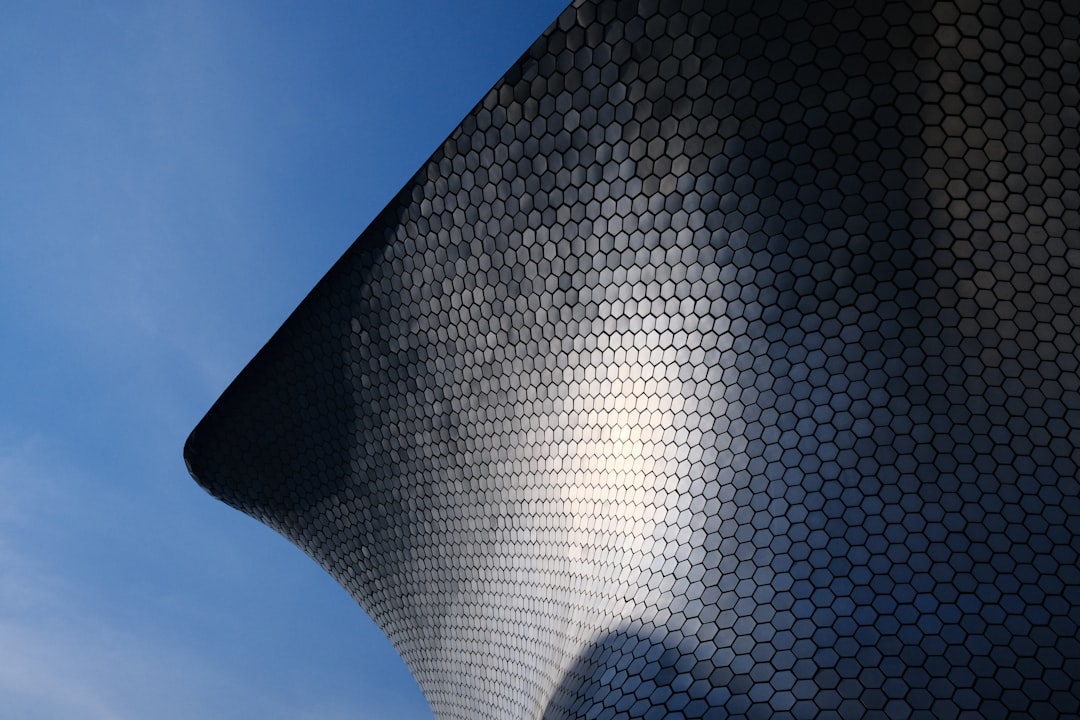
Museo Jumex in Polanco is the starting point. Housed in a striking David Chipperfield building, it mounts ambitious exhibitions that hold their own against anything in New York or London. The collection leans contemporary and international, but the curation is what makes it special — shows here tend to be argumentative in the best sense, making a case rather than just displaying work.
Museo Tamayo, a fifteen-minute walk from Jumex through Chapultepec Park, is the counterweight — smaller, more focused, architecturally beautiful. The permanent collection is excellent, and the building itself, by Abraham Zabludovsky and Teodoro González de León, is one of the best museum spaces in the city.
Do them back-to-back on a single morning. This pairing gives you a real sense of where Mexico City’s art world is right now — not frozen in the muralist era, but building on it in ways that are genuinely exciting.
Beyond the museums, Roma Norte’s gallery scene is worth an afternoon. OMR, founded in 1983 as one of Mexico’s first contemporary galleries, represents some of the most interesting voices in Latin American art. Walk the surrounding streets and you’ll find smaller spaces — some announced, some not — that rotate shows every six to eight weeks. If you’re visiting in February, Zona MACO art fair transforms the city for a week: 60,000 visitors, extended gallery hours, openings and parties across Polanco and Roma. It’s the best week of the year for art-focused travelers. → art and culture tours in Mexico City
Eating Your Way Through the City
Mexico City’s food operates in layers, and understanding the rhythm matters more than memorizing restaurant names.
The street layer comes first. Mornings bring the basket-taco cyclists — steamed tacos wrapped in cloth, sold from the back of a bicycle for a few pesos each. Midday is for guisados: stew-filled tacos from carts that set up near offices and metro stations, where you point at the bubbling pots and the vendor assembles your plate. Evenings belong to the trompo — the vertical spit of al pastor pork, carved to order, served on small corn tortillas with pineapple and cilantro. Learning this rhythm is how you eat like a local.
El Vilsito in Narvarte is the legendary version of this: a functioning auto repair shop by day that transforms into a taquería after dark. The al pastor here is exceptional. The experience of eating excellent tacos next to a hydraulic lift at midnight is peak Mexico City.
The market layer runs deeper. Mercado San Juan, near Centro Histórico, is where CDMX’s restaurants buy their imported ingredients — stalls selling wagyu beef tacos, jamón ibérico, oysters on the half shell with cold beer. It’s small, manageable, and genuinely delicious. Mercado de Coyoacán does traditional beautifully: the tostada stalls serve crispy tortillas piled with ceviche, chicken in mole, and seafood that rivals any sit-down restaurant.
Then there’s Mercado La Merced. This is the real one. The largest traditional market in Mexico City — 50,000 vendors across multiple buildings — and it is overwhelming in the best way. Most tourists never make it here because Roma and Condesa are comfortable and close. La Merced is neither. But it’s where the city feeds itself, and spending a morning navigating the aisles of chiles, mole pastes, fresh herbs, and street food stalls is one of the most immersive things you can do in CDMX. → Downtown Mexico City Authentic Food Tour
For the evening, Roma Norte’s mezcal bars deserve attention. The city has become a mezcal capital, and a flight that ranges from espadín to tobalá lets you taste the agave spectrum — smoky, floral, mineral — in a way that’s hard to replicate elsewhere. And for the late-night sweet tooth: El Moro in Centro Histórico has been serving hot churros with thick hot chocolate since 1935. The late-night crowd is half the experience.
Beyond the Obvious: What to Do When You’ve Already Been
Xochimilco on a weekday morning is a different experience from the Saturday party-boat version. The floating gardens — chinampas, technically, the Aztec agricultural islands — are genuinely beautiful when the trajinera boats are mostly empty and the canal is quiet. Go early, bring a cooler, and let the boatman take you through the less-trafficked channels. → Xochimilco floating gardens boat trip
A cooking class that starts at the market is one of the better half-day activities in the city. Several operators run versions of this — you shop for ingredients at a local market with the chef, then return to the kitchen to cook. It’s hands-on, specific, and you leave with techniques you’ll actually use at home. → Mexican cooking class with market visit
The Festival del Centro Histórico in early April transforms the old city with dance, music, visual arts, and theater across historical sites. If your dates align, it’s worth building your trip around.
And if you’re here in late October or early November, Día de los Muertos is not a tourist event — it’s a living tradition. The grand procession down Paseo de la Reforma is spectacular, but the real moments are smaller: the ofrendas in neighborhood shops, the marigold-covered graves at Mixquic cemetery south of the city, the families gathered in Coyoacán’s plaza sharing pan de muerto and chocolate.
Getting Around
The Metro is cheap, efficient during off-peak hours, and covers enormous ground. Roma, Condesa, and Centro are all well-served. For Coyoacán and Xochimilco, ride-sharing apps work seamlessly. The city is enormous — resist the urge to cross it in a single day. Stay in your colonia, take the Metro when you need to, and save the cross-city trips for specific destinations. When you are ready to leave the capital behind, Oaxaca suits a slower five days built around mezcal, mole and the Zapotec sites of Monte Albán and Mitla.
Plan Your Trip to Mexico City
Best time to visit: March through May for warm, dry days and purple jacaranda-lined streets. February if you want to catch Zona MACO art week.
✈️ Getting There
Search flights to Mexico City on Skyscanner
🏨 Where to Stay
- Boutique hotels in Roma Norte — Walkable, restaurant-rich, the city’s creative epicenter
- Hotels in Polanco — Museum-adjacent luxury near Jumex, Tamayo, and Anthropology
🎟️ What to Book in Advance
- Downtown Mexico City Authentic Food Tour
- Xochimilco Floating Gardens Boat Trip
- Teotihuacán Pyramids Day Trip
Some links in this post are affiliate links. If you book through them,
CuriosityTrail earns a small commission at no extra cost to you.
Recommendations are chosen on merit; commissions never decide what’s included.