Melbourne Slowly: Laneways, New Precincts, and the Food That Ties It All Together
Quick Essentials
- 📍 Best Time to Visit: Late March through May — the autumn light turns the parks amber, the Comedy Festival fills every room in town, and the Food and Wine Festival gives you a reason to eat with purpose
- ✈️ Getting There: Search flights to Melbourne on Skyscanner | Direct from Los Angeles, San Francisco, Dallas, and Honolulu
- 🏨 Where to Stay: Browse Melbourne hotels on Booking.com | Our picks below
- 🎟️ Top Experience: 3-hour foodie walking tour through the CBD — seven tastings, and most people call it lunch
- 🚗 Car Rental: Compare rental cars in Melbourne
- 💰 Budget Range: $150–$300 AUD per day for mid-range to splurge-worthy travel
A City That Assumes You’ll Come Back
Melbourne doesn’t give you its best stuff on the first pass. It’s not hiding exactly — more like it assumes you’ll come back and look properly. The laneways that define this city aren’t marked with neon arrows. The restaurants that matter don’t have lines out front. The neighborhoods that have changed the most in the last decade aren’t the ones in the guidebook. You have to walk it slowly, eat deliberately, and pay attention.
I first came here on a work visa in my late twenties, and the thing that stuck wasn’t the skyline or the cricket ground or even the coffee — though the coffee is a serious matter we’ll get to. It was the pace. Melbourne operates at a frequency that rewards the unhurried. The contrast between the Victorian-era city core and the newer precincts north and east of the grid gives every walk real texture. You cross a street and the architecture shifts by fifty years. You turn a corner and the food changes continents.
This is a city where understanding quirks like the hook turn — Melbourne’s uniquely bizarre traffic maneuver where you turn right from the left lane at certain CBD intersections — is part of absorbing the character of the place. Not a tourist attraction. Just a real Melbourne thing that tells you this city has always done things its own way.
When the Light Is Right: Timing Your Melbourne Trip
Melbourne’s sweet spot lands in the shoulder seasons, and there’s no close second. Autumn — late March through May — is when the city is at its most livable. The parks go amber, the mornings are crisp without being cold, and the cultural calendar stacks up in a way that feels intentional. The Melbourne Food and Wine Festival runs for ten days in March, followed immediately by the International Comedy Festival, which turns Melbourne Town Hall and dozens of smaller venues into a citywide stage. The Formula One Grand Prix at Albert Park Lake overlaps with both if you time it right.
Spring — September through November — is the other window. The AFL Grand Final in late September charges the whole city with a particular electricity, even if you don’t have tickets. November brings the Melbourne Cup carnival, which is less about horse racing than it is about the public holiday and the excuse to drink champagne at lunch on a Tuesday.
Summer works if you’re here for the Australian Open in January, but hotel prices spike and the city fills with a different energy — more transient, less local. Winter means cheap rooms and thin crowds, but the days are short and the outdoor dining that makes Melbourne feel like Melbourne goes dormant. If you have the choice, choose autumn. The light alone is worth it.
The Grid and Beyond: Where to Stay in Melbourne
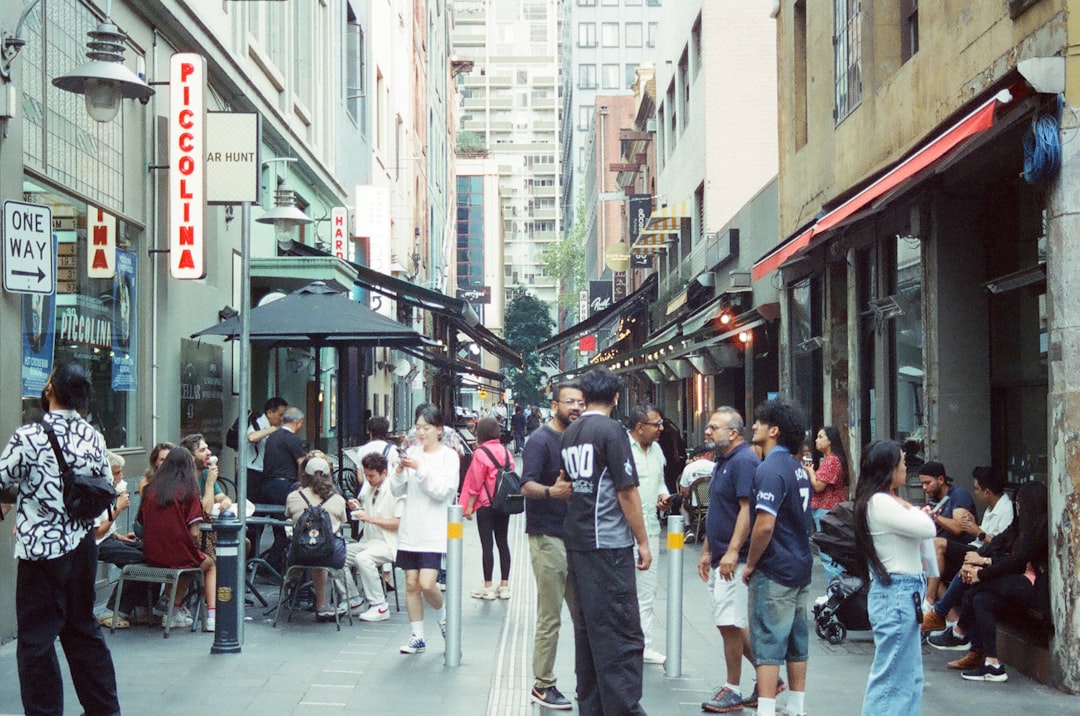
The decision here is really about what kind of Melbourne you want to wake up in. The CBD puts you inside the laneway grid — steps from Degraves Street’s café tables, Hardware Lane’s jazz-backed dinners, and the hidden bar circuit that threads through every second alley. Flinders Lane is the epicenter. A boutique hotel here means you can walk to everything that matters in the old city without ever needing a tram.
Flinders Lane boutique hotels in the CBD. You’re sleeping above the laneways and the city hums at street level below you. This is the splurge pick if laneway access on foot is your priority. → Flinders Lane boutique hotels on Booking.com
But the more interesting question is whether you want to leave the grid entirely. Fitzroy and Collingwood, a short tram ride north, are where Melbourne’s creative energy has concentrated over the last fifteen years. Collingwood was recently named the coolest neighbourhood in the world — a title that would make the locals roll their eyes, but the density of independent galleries, bars, restaurants, and boutiques along Smith Street and Gertrude Street backs it up. Fitzroy bleeds into Collingwood without a clear border, and together they form a precinct where you can eat, drink, browse, and walk for days without repeating yourself.
Converted warehouse apartments in Collingwood. The neighborhood’s industrial bones give the accommodation character — exposed brick, high ceilings, and you’re a five-minute walk from Smith Street. Mid-range and worth every dollar. → Collingwood apartments and hotels on Booking.com
Carlton is the quieter play. Melbourne’s Italian quarter sits just north of the CBD, anchored by Lygon Street’s café culture, the UNESCO-listed Royal Exhibition Building, and the leafy Carlton Gardens. It’s walkable to the grid but has its own rhythm — more residential, more neighborhood. If you’ve done the inner-city hotel thing in other cities and want something that feels like you actually live somewhere, Carlton delivers.
Walking the Laneways Like You Live Here
The laneway culture is Melbourne’s signature, and it’s easy to consume it superficially — snap a photo of Hosier Lane’s street art, grab a coffee on Degraves, move on. The better approach is to slow down and let the grid reveal itself. The laneways aren’t a checklist. They’re a way of moving through the city that only works at walking pace.
Hardware Lane is the one that shifts personality depending on when you arrive. By daylight it’s cafés and lunch spots; by evening the red brick pavement glows under warm lights and live jazz drifts from the restaurants. It’s one of the few laneways where sitting down and staying put is the point.
Tattersalls Lane keeps Chinatown’s energy — the food, the pace, the late hours. It’s a connector between Little Bourke Street and the CBD grid, but it works as a destination in its own right after dark.
The hidden bar circuit is where Melbourne’s laneway culture goes deeper. Little Lon Distilling Co. sits inside a tiny 1877 red-brick dwelling that has been, in order, an illegal grog shop, a brothel, and now a gin distillery with room for twenty people. It’s the only distillery inside the Melbourne CBD, and the kind of place you only find if someone tells you about it. Consider yourself told.
Fall From Grace is below the State of Grace restaurant — you enter through the library, find the hidden door, and descend into a cellar cocktail bar. It’s theatrical, but the cocktails are serious. Eau De Vie hides a whiskey room behind a bookcase. These places aren’t gimmicks — they’re the logical extension of a city that has always put the good stuff behind something.
For a guided introduction, the laneway bar crawl with local stories is a smart first-evening move — it maps the territory and the history simultaneously. → Melbourne laneway bars and their stories on GetYourGuide
The Table: Eating Your Way Through Melbourne
Melbourne was named the top foodie destination in the world by Lonely Planet for their 2026 experiences list, and for once the ranking matches reality. The food scene here isn’t one thing — it’s the range that makes it. A flat white and a dumpling and a twelve-course tasting menu can all happen in the same day within walking distance, and none of them feels like a compromise.
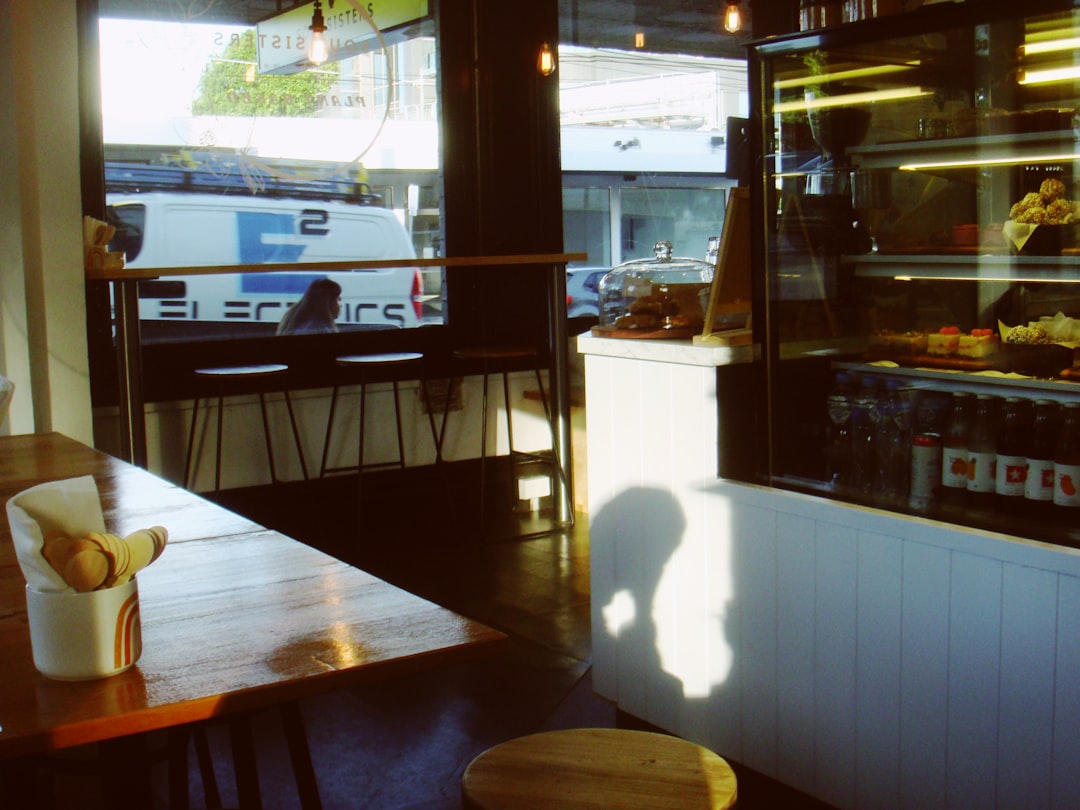
Start with the coffee. Melbourne’s flat white culture is genuine and fiercely local. Patricia Coffee Brewers is standing-room only, deliberately modeled on an Italian espresso bar — you order, you drink, you leave or you stay and talk. No laptops. Market Lane Coffee at the Queen Victoria Market end is the other benchmark. Order a flat white; never ask for drip. The coffee here is better than what you’re used to. That’s not a dig — it just is.
ShanDong Mama in Chinatown does fish dumplings tender enough to cut with chopsticks. It’s been an institution long enough that the quality hasn’t slipped. Go for lunch when the line moves faster.
Tipo 00 is where Melbourne does Italian pasta at the level that makes you question every Italian restaurant you’ve been to back home. The Cacio e Pepe is the benchmark dish. Book ahead — it’s small and it fills.
Kolkata Cricket Club serves what locals call the best butter chicken in Melbourne — delicately smoky, not heavy, with charred garlic naan that you’ll think about on the flight home.
For the full experience: Attica, in the suburb of Ripponlea, is Ben Shewry’s native-ingredient tasting menu and one of the best restaurants in Australia. The potato cooked in the earth it was grown in is iconic for a reason — smoky, silky, and unlike anything else. Book well in advance. This is a splurge, but it’s one of those meals that recalibrates what you think food can do.
The 3-hour foodie discovery walking tour through the CBD covers seven tastings — dumplings, coffee, sweets, and a bar stop — and most people call it lunch. It’s the most efficient way to calibrate your palate to the city on day one. → Melbourne foodie discovery walking tour on GetYourGuide
Beyond the CBD: New Precincts Worth the Tram Ride
Melbourne’s tram network is free within the CBD, but the real reason to learn the trams is what’s beyond the grid. The neighborhoods north and east of the city have changed dramatically in the last decade, and they’re where Melbourne’s next chapter is being written.
Collingwood’s Smith Street has transformed from gritty to genuinely interesting without losing its edge. The independent restaurants, bars, and galleries here aren’t polished — they’re confident. You eat well, drink well, and browse well without the tourist density of the CBD laneways. It’s the kind of street where you find your favorite spot on the first visit and come back to it every trip.
Fitzroy’s Gertrude Street is the slightly more curated sibling — boutique shops, considered cocktail bars, and restaurants that take their wine lists seriously. The difference between Gertrude and Smith is about three degrees of polish, and both are worth an evening.
Brunswick Street was the original Fitzroy strip before Smith and Gertrude took over. It’s still good — live music venues, bookshops, and cafés that have been here long enough to feel established rather than trendy.
The walk between these streets — Smith to Gertrude to Brunswick, zigzagging through the residential blocks — is one of the best walks in Melbourne. The architecture shifts from industrial to Victorian to Federation as you move, and every second corner has a café or a gallery or a wine bar that didn’t exist five years ago.
The ultimate Melbourne walking tour through the laneways, street art, and Victorian architecture is worth doing early in your trip to orient yourself before exploring independently. → Ultimate Melbourne walking tour on GetYourGuide
Ready to Plan Your Trip to Melbourne?
You’ve done the reading. Here’s everything you need to make it happen.
Best time to visit: Late March through May — autumn light, festival season, and Melbourne at its most livable.
✈️ Getting There
Search flights to Melbourne on Skyscanner
🏨 Where to Stay
-
Collingwood warehouse apartments — mid-range, creative precinct, exposed brick and high ceilings
-
Flinders Lane boutique hotels — splurge pick, sleep above the laneways
🎟️ What to Book in Advance
-
3-Hour Foodie Discovery Walking Tour
-
Melbourne Laneway Bars & Their Stories
-
Ultimate Melbourne Walking Tour: History, Laneways & Culture
Some links in this post are affiliate links. If you book through them,
CuriosityTrail earns a small commission at no extra cost to you.
We only recommend things we’d book ourselves.