Austin Without the Hype: Live Music, Food Trailers, and Swimming Holes the Locals Still Love
Quick Essentials
- ✈️ Flights:
Search flights to Austin
- 🏨 Hotels:
Browse hotels in Austin
- 🎟️ Top Experience:
Live music and nightlife experiences in Austin
- 🚗 Car Rental:
Compare rental cars in Austin
📍 Best Time to Visit: Late March through May — SXSW energy fades, wildflowers take over the Hill Country, and you can still swim at Barton Springs without competing for towel space.
💰 Budget Range: $150–$300 per day for a couple eating well, staying in boutique hotels, and catching live sets most nights.
The City Under the Brand
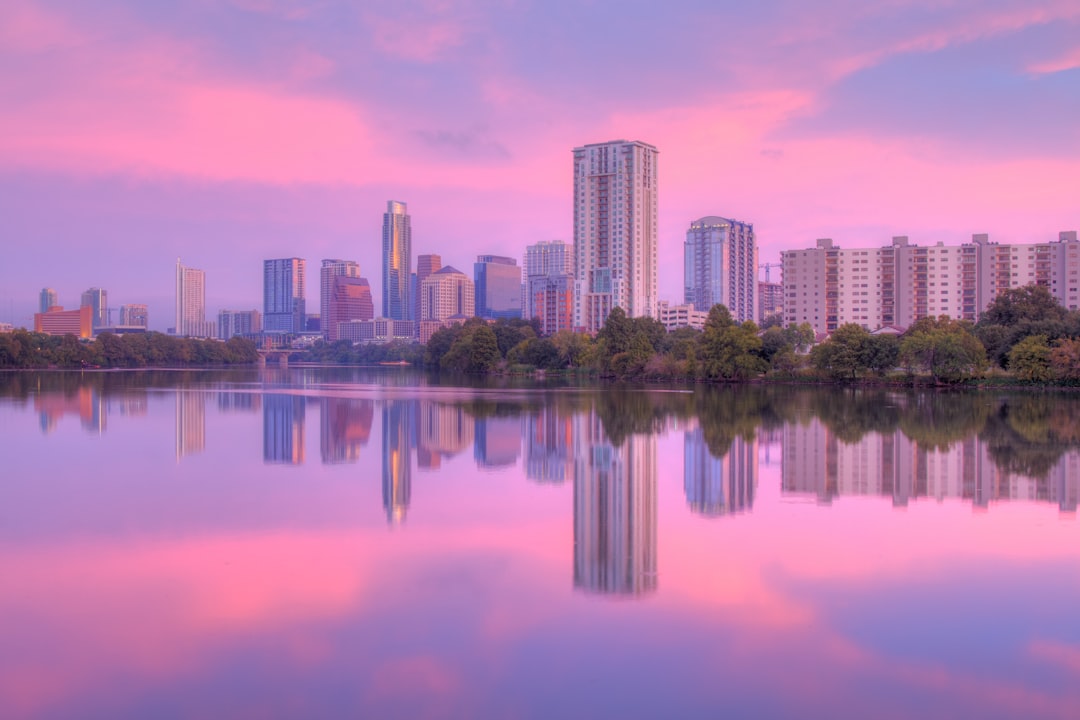
Austin has a branding problem, which is to say it’s been branded so effectively that the brand sometimes gets in the way. “Keep Austin Weird.” “Live Music Capital of the World.” You arrive half-expecting a city-sized bumper sticker — every bar a venue, every corner a food truck, every local a character from a Richard Linklater film.
The truth is quieter and better. Austin delivers on nearly everything its reputation promises, but it does so at its own pace and rarely in the places you’ve already bookmarked. The best music on any given Tuesday night isn’t on Dirty Sixth Street. The taco that changes your mind about breakfast isn’t at the place with the longest line. And the swimming hole worth rearranging your schedule for opens at 5 AM, when nobody’s there.
This is a city that rewards the unhurried visitor. Pack less itinerary. Bring more curiosity. Austin will sort the rest.
The Live Music Worth Showing Up For
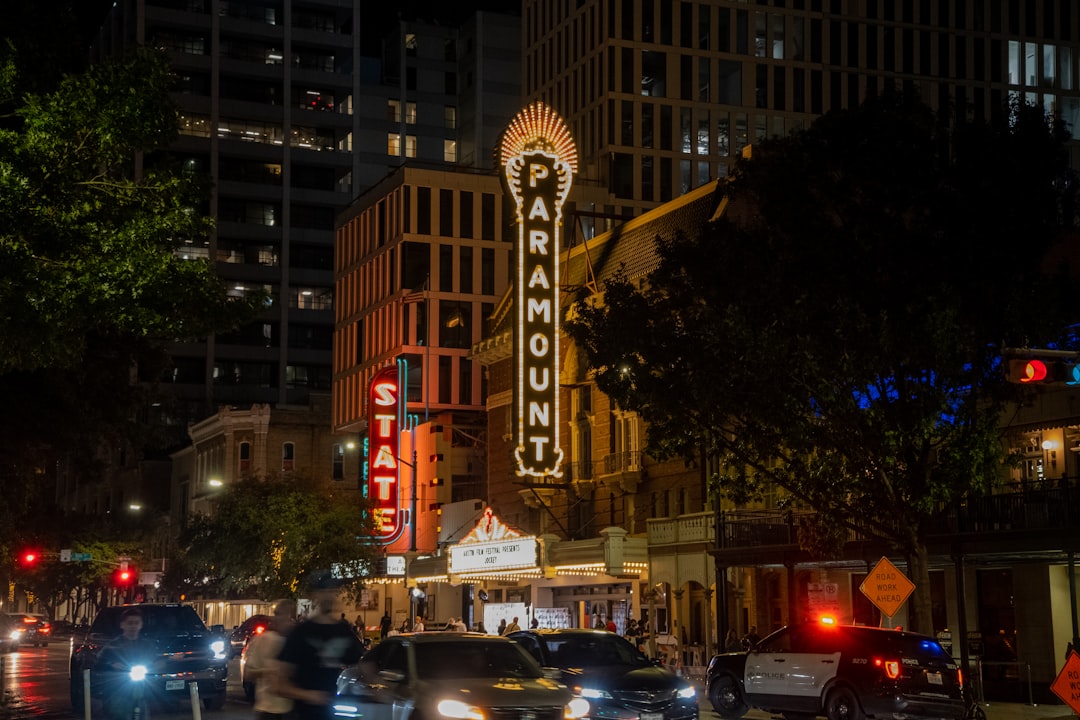
The “live music capital” claim invites scepticism, but spend two nights here and you’ll stop arguing with it. The density is real — not because there are enormous venues everywhere, but because so many small rooms have been running nightly sets for decades, and the quality hasn’t dimmed.
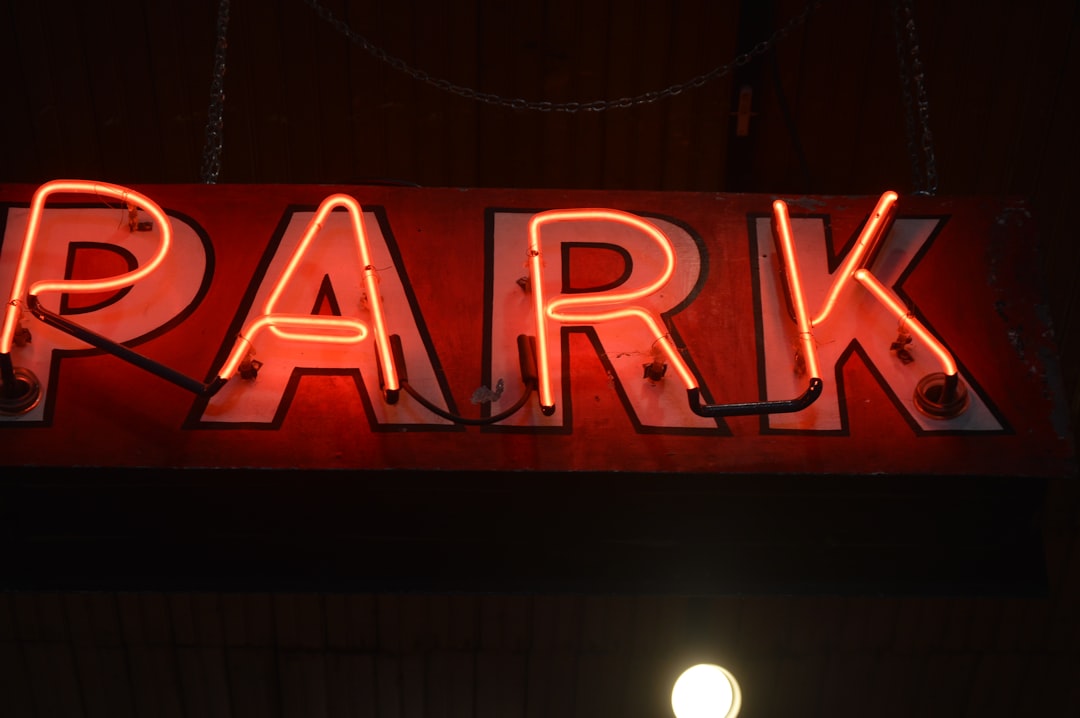
Start on South Congress at the Continental Club. It’s been open since 1955, and the neon sign looks it. Inside, the ceiling is low, the crowd skews local, and the acts range from rockabilly to blues to whatever the resident musicians feel like playing on a Wednesday. The real secret is upstairs: the Continental Gallery, a tiny room they call a speakeasy, where songwriters play acoustic sets to maybe fifty people. Most visitors never find it. Go early, because once it fills, it fills.
Walk north and you’ll hit C-Boy’s Heart & Soul, which leans into soul, funk, and R&B with a conviction that makes the whole room move. A few miles east, the White Horse is the honky-tonk that actually feels like one — wide dance floor, nightly live bands, two-stepping lessons if you need them, and drinks that won’t ruin you.
For something entirely different, descend the stairs into the Elephant Room downtown. It’s an underground jazz club with brick walls and low ceilings, and it’s been running since 1991. The kind of place where you sit with a whiskey and forget what time it is. And if you want to see where the next generation of Austin musicians is cutting its teeth, the Hole in the Wall near UT has been that proving ground since 1974 — Spoon, Shakey Graves, and Black Angels all played early sets here.
One more: the Broken Spoke. A proper Texas dance hall that opened in the 1960s and is now surrounded by condos on every side. It won’t survive in this form forever, and catching a weeknight set with the regulars two-stepping under the tin roof is one of Austin’s most genuine experiences.
→ Austin live music and nightlife tour
Food Trailers That Earned Their Spot
Austin’s food trailer culture isn’t a trend — it’s infrastructure. Some of the city’s most celebrated kitchens operate from converted trailers in gravel lots, and they’ve been doing so long enough that “food truck” here means something closer to “neighbourhood institution.”
Veracruz All Natural is the standard-bearer. The migas taco — scrambled eggs, crispy tortilla strips, peppers, cheese, all on a fresh flour tortilla — made Food Network’s list of the top five tacos in America, and it deserves the spot. The ingredients are genuinely all-natural, the tortillas are made on-site, and the line moves fast. Go for breakfast. Don’t overthink it.
For barbecue from a trailer, Micklethwait Craft Meats earned a Texas Monthly Top 50 nod, and the format keeps it refreshingly unpretentious. The brisket is patient work — Central Texas-style, oak-smoked, bark like lacquer. Then there’s KG BBQ, which won a Michelin Bib Gourmand by running Central Texas technique through an Egyptian spice profile. It shouldn’t work as well as it does.
Kerlaches does something nobody else bothers with: smoked-meat-stuffed kolaches that are flaky, buttery, and enormous. Pure Texas in handheld form. And DEE DEE, tucked into an East Austin lot, turns out farm-to-table Thai food using locally sourced ingredients with a precision that would embarrass some brick-and-mortar restaurants.
The best way to explore is to find a trailer park — not a single truck, but a cluster of five or six around a shared picnic area, often attached to a brewery. East Austin and South Lamar have the highest concentration. Order from three different trailers, grab a local beer, and sit outside. That’s the format.
→ Austin food truck and taco tasting tour
Where to Cool Off
You’ll need this section. Austin summers are brutal — triple-digit days from June through September aren’t unusual — and even in spring, the afternoons get warm enough that a swimming plan isn’t optional. Fortunately, the city is built around water.
Barton Springs Pool is the crown jewel: a 1,000-foot natural spring-fed pool in the middle of Zilker Park. The water sits at a constant 68 degrees, which feels shocking for about ten seconds and then feels like the best decision you’ve made all week. The pool charges a small admission fee during the day, but from 5 to 8 AM it’s free — “swim at your own risk” hours — and the early-morning crowd is mostly regulars who treat it like a daily ritual. Worth setting an alarm for.
Deep Eddy Pool, a bit further west, is the oldest swimming pool in Texas. Spring-fed, slightly warmer than Barton Springs, with lap lanes and a view of the Colorado River. It’s a swimmers’ pool — less scene, more laps.
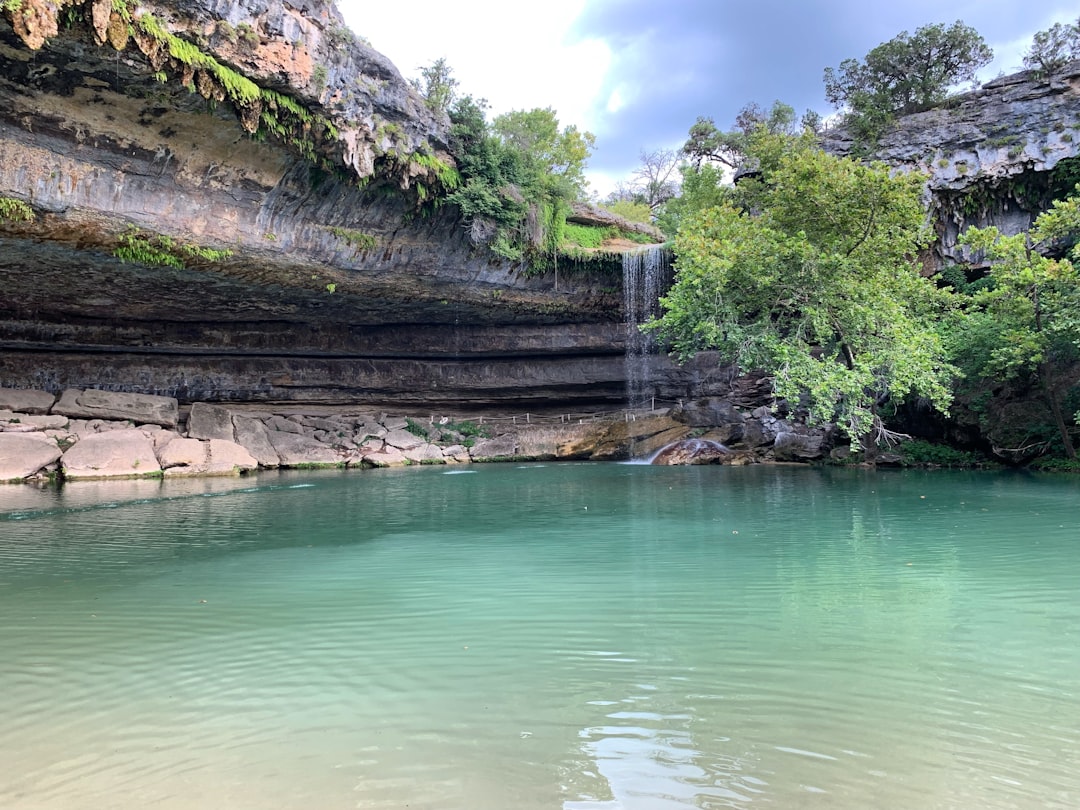
For something wilder, head to the Barton Creek Greenbelt, a 7.9-mile stretch of trails with several swimming holes tucked along the way. Sculpture Falls and Campbell’s Hole are the favourites, but you’ll need to hike in, and water levels vary with rainfall — check conditions before you go.
A day trip to Blue Hole in Georgetown (twenty minutes north) gives you a free, uncrowded swimming hole in a limestone setting that feels like it belongs in the Hill Country rather than the suburbs. Or drive an hour to Krause Springs near Spicewood — 32 natural springs, rope swings, and overnight camping if you want to make a weekend of it.
→ Guided kayak tour on Lady Bird Lake
The Neighbourhoods That Set the Tone
Where you stay in Austin determines which version of the city you experience, and the right choice depends on what you’re after.
South Congress is the sweet spot for most visitors. The Continental Club, food trailers, vintage shops, and some of Austin’s best restaurants are all within walking distance, and the vibe is distinctly Austin without tipping into theme park territory. Hotel San José is a minimalist gem with a courtyard bar that draws locals, and South Congress Hotel offers something slightly more polished. Either one puts you in the right postcode.
→ Browse South Congress hotels on Booking.com
East Austin is where the food and art scenes are densest. The neighbourhood has the highest concentration of food trucks in the city, along with indie galleries, microbreweries, and chef-driven restaurants that open and close with a speed that keeps things interesting. It feels more like a neighbourhood than a destination, which is the point. Boutique stays and vacation rentals work well here.
→ Browse East Austin hotels on Booking.com
Zilker is the call if outdoor access matters most. Walking distance to Barton Springs, the Greenbelt trailheads, and Zilker Park itself. Quieter at night, but mornings start with a swim and a trail run before the rest of the city has finished its coffee.
→ Browse Zilker area hotels on Booking.com
When to Go (and What to Time It Around)
March through May is the best window. Temperatures sit in the high 70s and low 80s, wildflowers blanket the Hill Country, and SXSW (mid-March) either energises the city or empties it — depending on whether you arrive during the festival or just after. Post-SXSW Austin is a particularly good time: the energy lingers, the crowds don’t.
September through November is the second sweet spot. Evenings cool down, ACL Festival takes over Zilker Park for two weekends in October, and the Congress Avenue bats are still flying their nightly exodus until late October.
Summer (June–August) is for locals and the committed. Expect 100°F days, plan everything around water, and eat late when the temperature drops. It’s not unpleasant if you pace it right, but it’s not where I’d start.
A few events worth knowing: Eeyore’s Birthday Party in late April is one of Austin’s strangest and most endearing traditions — a free, hippie-spirited gathering at Pease Park that’s been running since 1963. Rodeo Austin in March shows you a completely different city. And the Congress Avenue bats aren’t an event exactly, but watching 1.5 million Mexican free-tailed bats pour out from under a bridge at sunset is the kind of thing you rearrange a schedule for. The season runs late March through October.
Plan Your Trip to Austin
Best time to visit: Late March through May — wildflowers, comfortable temperatures, and post-SXSW calm make this the ideal window for an unhurried visit.
✈️ Getting There
Search flights to Austin on Skyscanner
🏨 Where to Stay
-
Hotel San José — Minimalist South Congress gem with a courtyard bar locals actually use
-
South Congress Hotel — Polished boutique on SoCo’s best block, rooftop pool
🎟️ What to Book in Advance
-
Live music crawl on South Congress
-
Guided kayak tour on Lady Bird Lake
-
Austin food truck and taco tasting tour
📦 Pack Right
Merrell water shoes — essential for limestone swimming holes and greenbelt hikes
Some links in this post are affiliate links. If you book through them,
CuriosityTrail earns a small commission at no extra cost to you.
Recommendations are chosen on merit; commissions never decide what’s included.