Da Nang Beyond the Beach: Cham Ruins, Street Noodles, and Day Trips Worth the Drive
Quick Essentials
- 📍 Best Time to Visit: February through May — low humidity, warm days without the scorching summer heat, and shoulder-season hotel rates before the crowds land.
- ✈️ Getting There: Search flights on Skyscanner | Direct from Singapore, Bangkok, Seoul, and Kuala Lumpur
- 🏨 Where to Stay: Browse Da Nang hotels on Booking.com
- 🎟️ Don’t Miss: Da Nang street food walking tour on GetYourGuide
- 💰 Budget Range: $60–$150 per day for mid-range; $200+ for beachfront suites and private tours
Da Nang Isn’t the Place You Think It Is
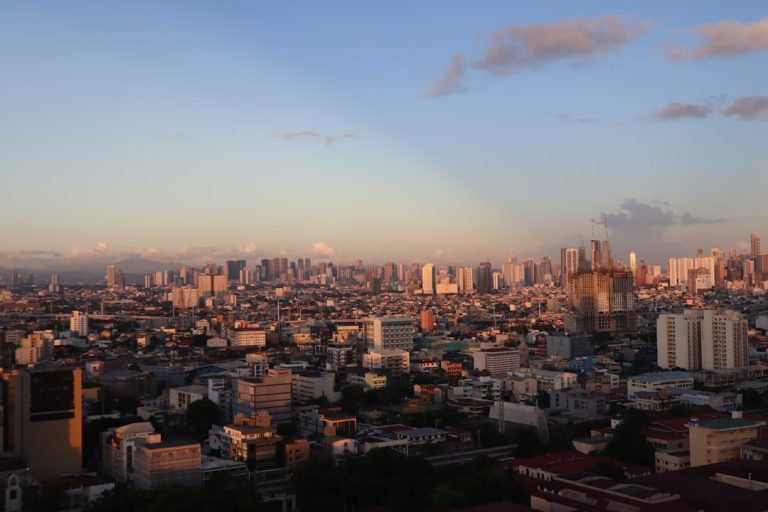
Most travelers treat Da Nang as a layover between Hoi An and Hue, or worse, as a beach resort with a funny bridge. Both framings are wrong. The city has its own gravitational pull — a museum that houses the world’s finest collection of Cham sculpture, a French-colonial riverfront district that feels more lived-in than preserved, and a street-food culture so specific that locals will drive twenty minutes across town for the right bowl of noodles from the right vendor.
The beach is fine. My Khe is genuinely beautiful. But the interesting version of Da Nang starts when you turn your back to the water and walk toward the river.
What makes Da Nang work for experienced travelers is its geography. It sits at the center of everything worth seeing in central Vietnam — the Marble Mountains are fifteen minutes south, Hoi An thirty minutes beyond that, and Hue a scenic two hours north over the Hai Van Pass. Stay here, eat well, and radiate outward. It’s a better base than Hoi An for anyone who wants substance over lanterns.
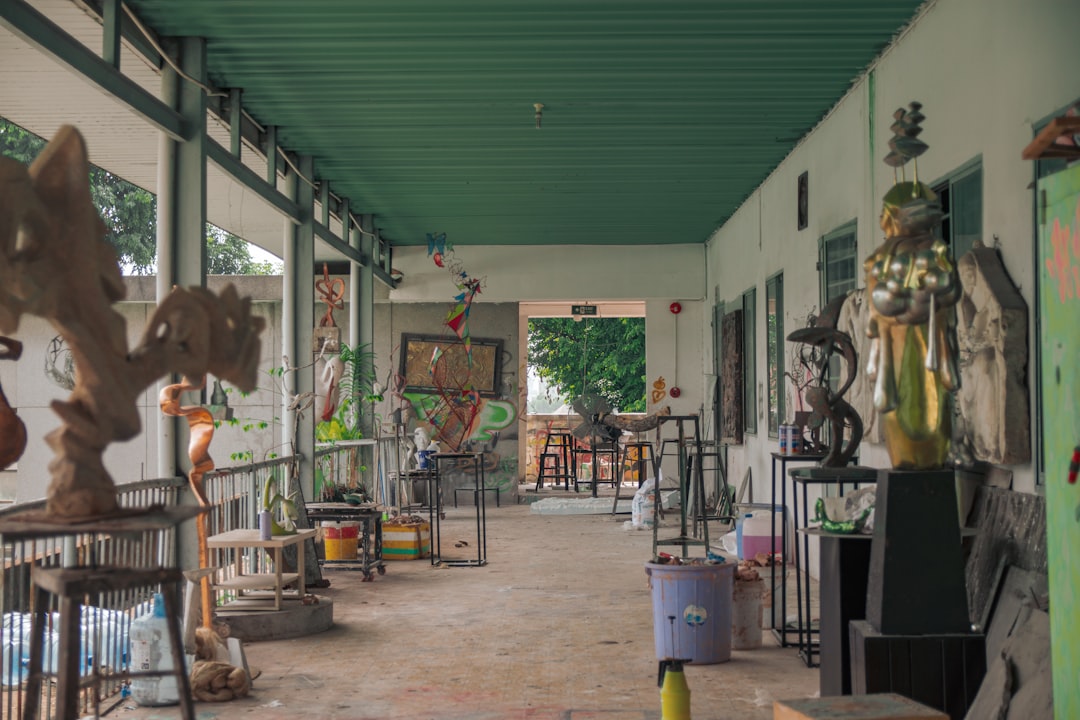
The Cham Museum and What It Tells You About Central Vietnam
The Museum of Cham Sculpture sits on a corner where Trung Nu Vuong Street meets the river, in a building that opened in 1919 under the French. The architecture is colonial; the contents go back a thousand years further. Inside are roughly 2,000 square meters of sandstone and terracotta pulled from temple sites across Quang Nam and beyond — Hindu deities, Buddhist bodhisattvas, and decorative reliefs that track the Champa Kingdom’s evolution from the 7th to the 15th century.
Three pieces hold national-treasure status: the My Son E1 Altar, the Tra Kieu Altar, and a Bodhisattva Tara statue that stops you mid-step. Rent the audio guide. It turns what could be a pleasant but opaque hour into a genuine education on a civilization most Western travelers have never heard of. The museum has no air conditioning, which matters after 10 AM in Da Nang — go early, before the heat stacks up and the tour buses arrive.
What makes this museum more than a footnote: it contextualizes the My Son ruins (a day trip from Hoi An) in a way that visiting My Son alone cannot. See the art here first, then go see where it came from. The order matters.
Walking the Han River District
Da Nang’s center of gravity runs along the Han River, specifically the Bach Dang Street promenade on the western bank. The French colonial architecture isn’t concentrated enough to call it a district in the Saigon or Hanoi sense, but it rewards a slow walk — the pink-walled Da Nang Cathedral with its gray rooster weathervane, the old City Hall building (now part of the Cham Museum complex), and the handsome Danang City Committee building with its intact colonial façade.
The real draw is the bridges. Da Nang has a faintly absurd number of statement bridges for a city this size: the Dragon Bridge, which is exactly what it sounds like and breathes actual fire on weekend nights at 9 PM; the Han River swing bridge, which rotates 90 degrees in the early hours to let ships pass; and the cable-stayed Tran Thi Ly, which looks like it was designed by someone who wanted to upstage Sydney. Walk the promenade at dusk when the lights come on. It’s unapologetically showy, and it works.
Chợ Cồn — Con Market — is ten minutes inland from the river and worth the detour. This is Da Nang’s main working market, not a tourist attraction. No artisanal anything. Just a loud, sprawling grid of stalls where locals buy produce, fish, and kitchen supplies. The breakfast vendors along the market’s edges serve better bún chả cá for under a dollar than most sit-down restaurants charge three times as much for.
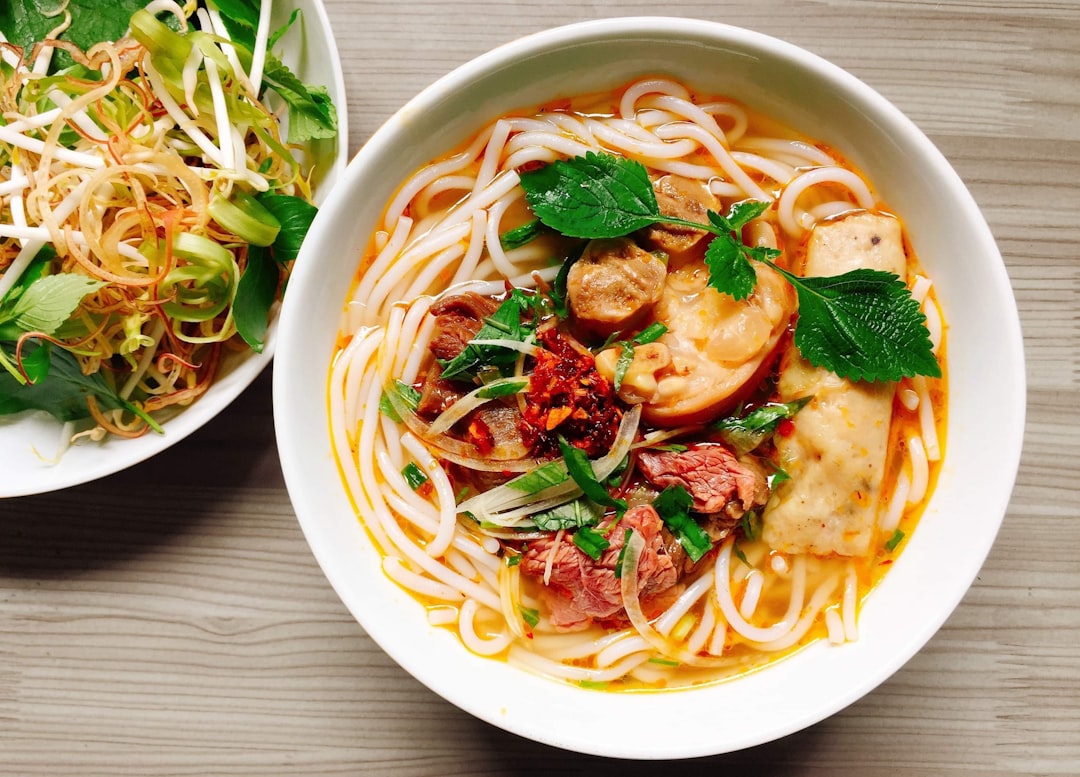
Eating Your Way Through Da Nang, One Dish at a Time
Da Nang doesn’t have a food district. It has food obsessions. The city organizes itself around specific dishes, and locals think in terms of “the best mì quảng place” or “the best bánh xèo place” rather than neighborhoods. Once you understand this logic, eating here clicks.
Mì quảng is the dish to know. Turmeric-yellow rice noodles sit in a concentrated broth that barely covers them — it’s more sauce than soup. Shrimp, pork, peanuts, sesame rice crackers, and a riot of fresh herbs on top. The version at Mì Quảng 1A is the city’s consensus pick, and the consensus is right. Go for lunch.
Bánh xèo in central Vietnam is different from what you’ve had in Saigon — smaller, crunchier, more aggressive on the turmeric. Stuff a piece into rice paper with greens, dunk in peanut dipping sauce. Bánh Xèo Bà Dưỡng is the legendary name, perpetually crowded, perpetually good. Bánh Xèo 76 holds a Bib Gourmand and offers a marginally calmer experience.
Bún chả cá is the one tourists miss entirely. Fish-cake noodle soup in a sweet-sour tomato broth with pineapple and bamboo shoots — it’s a breakfast dish, and it’s magnificent. Bún Chả Cá Hờn and Bún Chả Cá 109 are both on the Michelin Guide; either one will change your morning.
Bánh tráng cuốn thịt heo is the communal test. Boiled pork belly, rice paper, green banana, star fruit, herbs, and a punchy fermented shrimp paste called mắm nêm. You roll it yourself. It’s messy and it smells strong and it’s one of the most satisfying things you’ll eat in Vietnam.
For seafood, the beachfront restaurants along My Khe where you pick your fish live from the tank are entirely unpretentious and entirely excellent. Order the grilled squid with salt-and-chili lime. Skip anything described as “Western-style.”
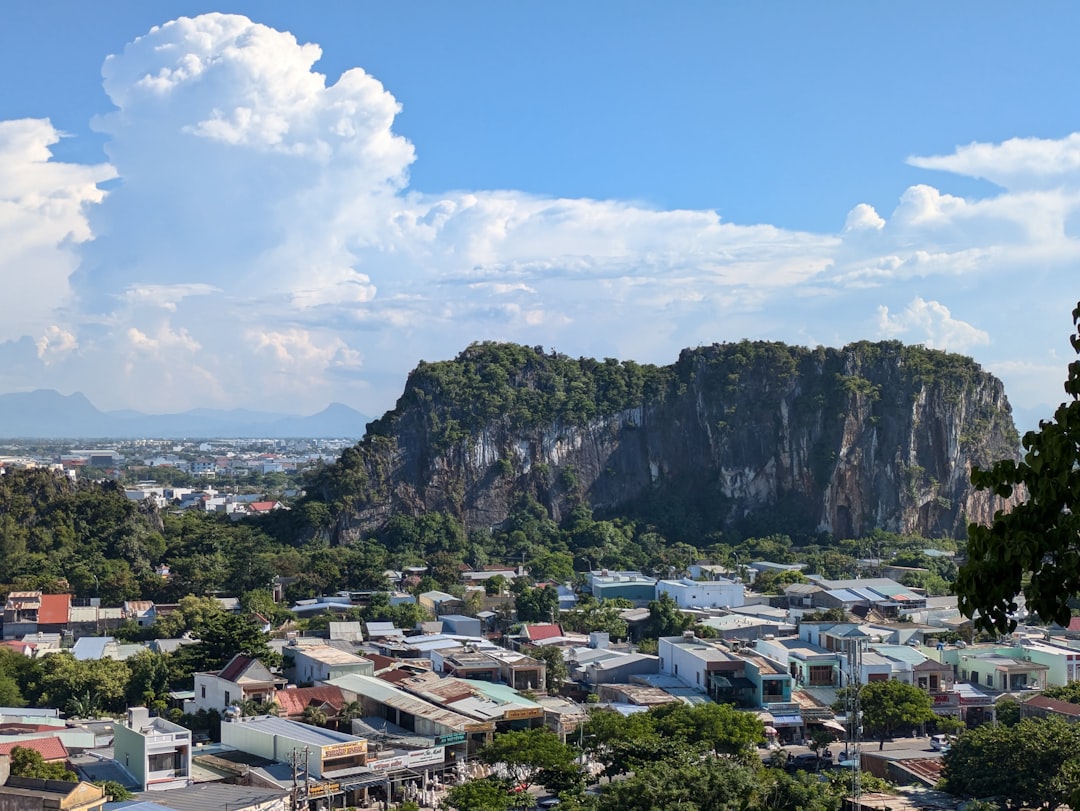
The Marble Mountains Without the Crowds
The Marble Mountains — Ngũ Hành Sơn, the Five Elements Mountains — sit fifteen minutes south of downtown Da Nang, and most visitors experience them as a rushed bus stop between Da Nang and Hoi An. This is a mistake. Give them a proper half-day.
The Water Mountain (Thủy Sơn) is the one with the elevator and the caves. Inside: Buddhist pagodas built directly into the limestone, dramatic shafts of light pouring through ceiling openings, and enough stairs to make you grateful for the breeze. The summit view stretches across Non Nuoc Beach and the coastline in both directions.
But the more interesting stop is at the base. Non Nuoc village has been carving stone — marble, granite, limestone — for centuries. The workshops line the road leading to the mountain entrance, and most visitors drive straight past them. Stop. Watch. The artisans working here range from factory-scale operations turning out garden Buddhas to individual craftspeople doing genuinely fine work. It’s the kind of place where buying something feels less like shopping and more like patronage.
Go before 8 AM or after 3 PM. The midday tour-bus window between 10 and 2 is best avoided entirely.
→ Book a guided Marble Mountains tour with Non Nuoc village stop
The Day Trip to Hue: Why It’s Worth Every Minute of the Drive
Hue is two hours north of Da Nang, and the drive is half the point. The Hai Van Pass — the cloud pass — is one of the great coastal roads in Southeast Asia, switchbacking above the ocean with views that earned it a permanent slot in every motorcycle-trip highlight reel. If your driver offers to take the tunnel instead, politely decline.
On the other side: Hue. The Imperial Citadel — the Nguyen dynasty’s 19th-century seat of power — is a UNESCO World Heritage Site that earns the designation. Massive walls, gates, throne rooms, temple courtyards, and enough scale to remind you that this was once a capital. The Khai Dinh Tomb, twenty minutes outside the city center, mixes Vietnamese imperial architecture with French and Gothic influences in a way that shouldn’t work and absolutely does. And Thien Mu Pagoda, perched above the Perfume River, is the oldest pagoda in Hue and the most serene stop on the circuit.
A full-day tour from Da Nang covers the pass, the Citadel, one tomb, and the pagoda. It’s a long day but a satisfying one, and it’s comfortably doable without an overnight.
→ Book a full-day Hue Imperial Citadel trip from Da Nang
Where to Sleep and When to Show Up
My An is the neighborhood to book if you want beach access without the tourist concentration of My Khe center. It sits between the luxury strip along Pham Van Dong and the backpacker-adjacent density further north. Hotels run 20-30% cheaper than equivalent properties one neighborhood over. → Browse My An hotels on Booking.com
An Thuong Village is where you stay if restaurants and nightlife matter more than sand. The highest density of good eating in Da Nang — Vietnamese, Korean, Japanese, craft beer, rooftop cocktails — packed into a walkable grid a few minutes from the water. → Browse An Thuong hotels on Booking.com
Son Tra Peninsula is the quiet option: rainforest, ocean views, monkeys, and the Lady Buddha statue at Linh Ung Pagoda. No nightlife. No convenience. Just calm. → Browse Son Tra Peninsula hotels on Booking.com
Timing matters. February through May is the sweet spot — warm, dry, unhurried. The Da Nang International Fireworks Festival runs late May through mid-July if spectacle is your thing, but accommodation prices spike and availability tightens. September through November is typhoon season: heavy rains, rough seas, unpredictable travel days. Plan around it, not through it.
Ready to Plan Your Trip to Da Nang?
You’ve done the reading. Here’s everything you need to make it happen.
🎟️ What to Book in Advance
- Guided Marble Mountains and Non Nuoc village tour
- Full-day Hue Imperial Citadel trip from Da Nang
- Browse more Da Nang experiences on Viator
Some links in this post are affiliate links. If you book through them, CuriosityTrail earns a small commission at no extra cost to you. Recommendations are chosen on merit; commissions never decide what’s included.