Crater Lakes, Country Pubs & Mango Wine: The Atherton Tablelands Beyond the Reef
Quick Essentials
- 📍 Best Time to Visit: May through October — dry-season days sit around 26 °C in Cairns, and the Tablelands cool to 12 °C at night, which makes the driving and the walking genuinely pleasant.
- ✈️ Getting There: Search flights on Skyscanner | Direct from Sydney, Melbourne, Brisbane, and seasonal connections from Singapore and Tokyo.
- 🏨 Where to Stay: Browse Cairns & Atherton Tablelands hotels on Booking.com
- 🎟️ Don’t Miss: Kuranda Scenic Railway & Skyrail combo on GetYourGuide
- 🚗 Car Rental: Compare rental cars in Cairns — essential for the Tablelands; no public transit up the range.
- 💰 Budget Range: $150–$300 AUD per day for a comfortable mid-range trip; $400+ for treehouse lodges and dawn balloon flights.
Everyone who flies into Cairns knows about the reef. It’s the reason the airport exists in a city of 160,000 that would otherwise be a quiet sugar and cattle town on the tropical north coast. And the reef is worth it — that’s not the argument here.
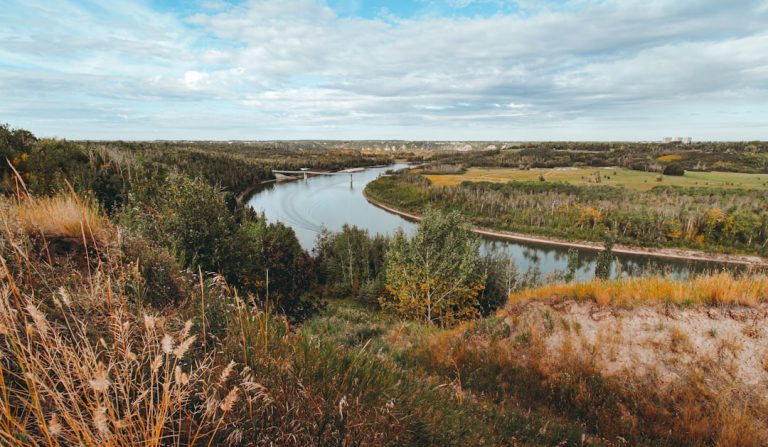
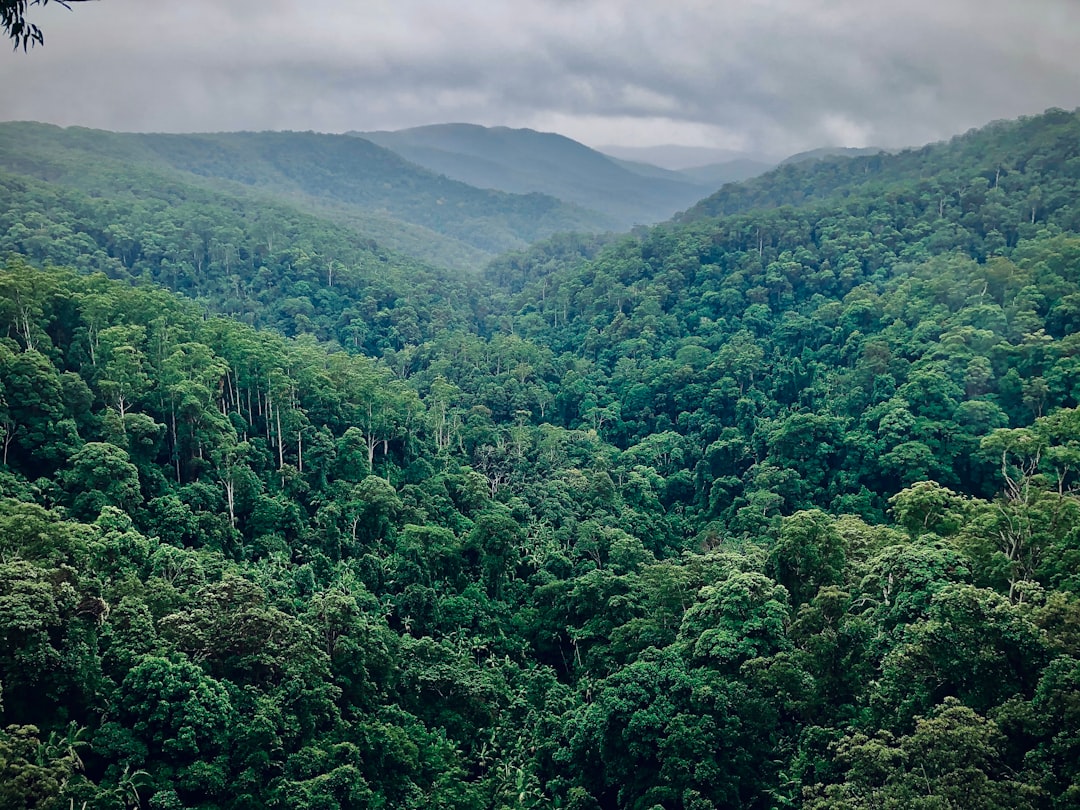
The argument is that the best half of a Cairns trip is the half most visitors skip entirely. An hour’s drive inland, straight up through the rainforest on a winding range road, the Atherton Tablelands open up like someone flipped a switch: volcanic crater lakes still enough to mirror the canopy, fruit farms growing things you didn’t know grew in Australia, and timber pubs that have been pouring since Federation. It’s green in a way the coast isn’t. Cooler, quieter, and considerably less interested in impressing you.
The Tablelands are the place to head after a few days on the coast, when the humidity starts to feel personal. Take the Gillies Highway up, with a stop at a cheese factory, and plan on four days.
Why Head Inland?
The short answer is that the Tablelands are everything tourists don’t associate with Cairns: temperate, agricultural, unhurried. The long answer involves volcanic geology, a heritage railway, and a 500-year-old strangler fig tree, and it’s more interesting than the short answer.
Cairns sits at sea level in the tropics. The Tablelands sit at 700 to 900 meters above it, spread across a volcanic plateau that last erupted about 10,000 years ago. The result is rich basalt soil, cooler temperatures, and a landscape that looks more like rural New Zealand than tropical Queensland. Drive an hour from a coral cay and you’re in dairy country.
Most visitors who make it inland at all take the Kuranda Scenic Railway up and the Skyrail Cableway down — or vice versa — and call it a day. That’s a fine morning. But it’s like visiting the Yarra Valley and only seeing the welcome sign.
Riding the Range: Kuranda by Rail and Sky
The Kuranda Scenic Railway is the obvious starting point, and I’m not going to pretend it’s a hidden gem. It was built in the 1880s by hand — picks, shovels, and dynamite — to haul tin from the Tablelands to the coast. Today it hauls tourists through 15 tunnels and across wrought-iron bridges above Barron Gorge, and it does it beautifully. The gorge views from the Gold Class carriage are worth the upgrade, especially in the wet season when the falls are roaring.
The Skyrail Cableway runs a parallel route above the canopy — six-person gondolas gliding over unbroken rainforest with two mid-station stops where you can walk among the roots. Take the train up and the Skyrail down. The perspectives are completely different and the combination is better than either alone.
→ Kuranda Scenic Railway and Skyrail combo
A note: the railway has scheduled maintenance shutdowns in 2026 — check dates before you book. Skyrail runs independently and offers return trips during closures.
The Crater Lakes: Barrine and Eacham
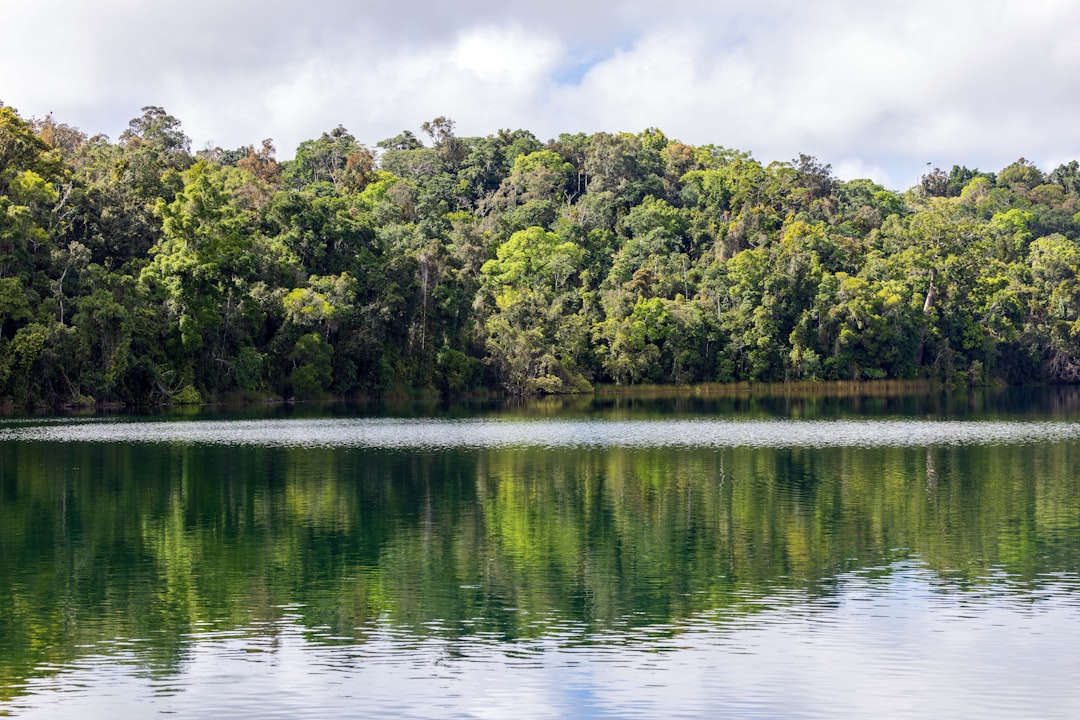
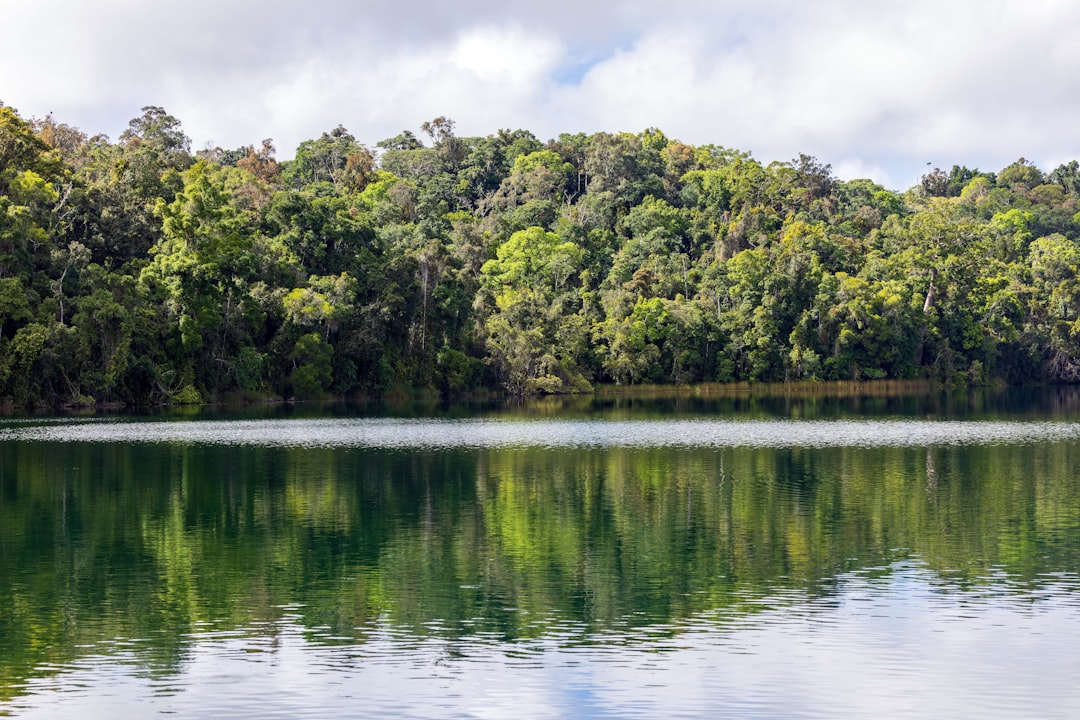
Lake Barrine and Lake Eacham are volcanic maars — craters left by eruptions that filled with rainwater over millennia. They sit about 15 minutes apart by car, both encircled by dense rainforest, and both still enough in the early morning that the reflections look artificial.
Lake Barrine has a tea house that’s been serving Devonshire teas since 1926. You can take a 45-minute wildlife cruise around the shore and look for turtles, water dragons, and amethystine pythons in the overhanging branches. Or you can just walk the 6-kilometer circuit track through the rainforest and not see another person.
Lake Eacham is the better swimming lake — clear volcanic water, a gentle entry, and a bottom that drops away fast enough to make you pay attention. Bring your own food. The picnic area is basic but the setting is difficult to beat.
→ Lake Barrine wildlife cruise and rainforest walk
Fruit Farms, Cheese & Mango Wine
The Tablelands produce some of Australia’s only commercial coffee, along with tropical fruit, dairy, macadamias, and chocolate. The volcanic soil does what volcanic soil always does — makes everything grow better.
Start at Gallo Dairyland outside Atherton. It’s a working thousand-acre dairy farm with a gourmet cheese factory, a chocolate facility, and a cafe with views over rolling green hills that would confuse you if you thought you were still in the tropics. The cheese is good. The chocolate is better. Allow an hour.
Then drive to Golden Drop Winery near Mareeba. This is the world’s first commercial mango winery — they make still and sparkling wines from Kensington Red mangoes, and the tasting is exactly as unusual and enjoyable as it sounds. Buy a bottle. You won’t find it anywhere else.
Between the two, stop at whatever roadside stall catches your eye. The avocados are half the price of anything in Sydney and twice the size. The bananas are the kind you forgot bananas could taste like.
Shaylee’s Strawberries is worth the detour if you’re traveling between June and November — a family-run pick-your-own farm with homemade strawberry ice cream that justifies the trip on its own.
The Country-Pub Crawl You Didn’t Know You Needed
There are at least twenty heritage pubs on the Atherton Tablelands, most built from local timber in the early 1900s, and most still serving counter lunches for under twenty dollars. This is not a craft-cocktail situation. This is cold beer, a chicken parmy the size of your head, and timber floorboards that creak when you walk to the bar.
The Ravenshoe Hotel is the headline act — Queensland’s highest pub, sitting at over 900 meters, with old-world architecture and home-cooked meals in a dining room that hasn’t changed much since the tin miners left. The steak is reliable. The atmosphere is better than the steak.
Malanda Hotel is quieter and sits near the Malanda Falls, which means you can swim in a volcanic waterfall and then walk to a pub. That’s a difficult combination to argue with.
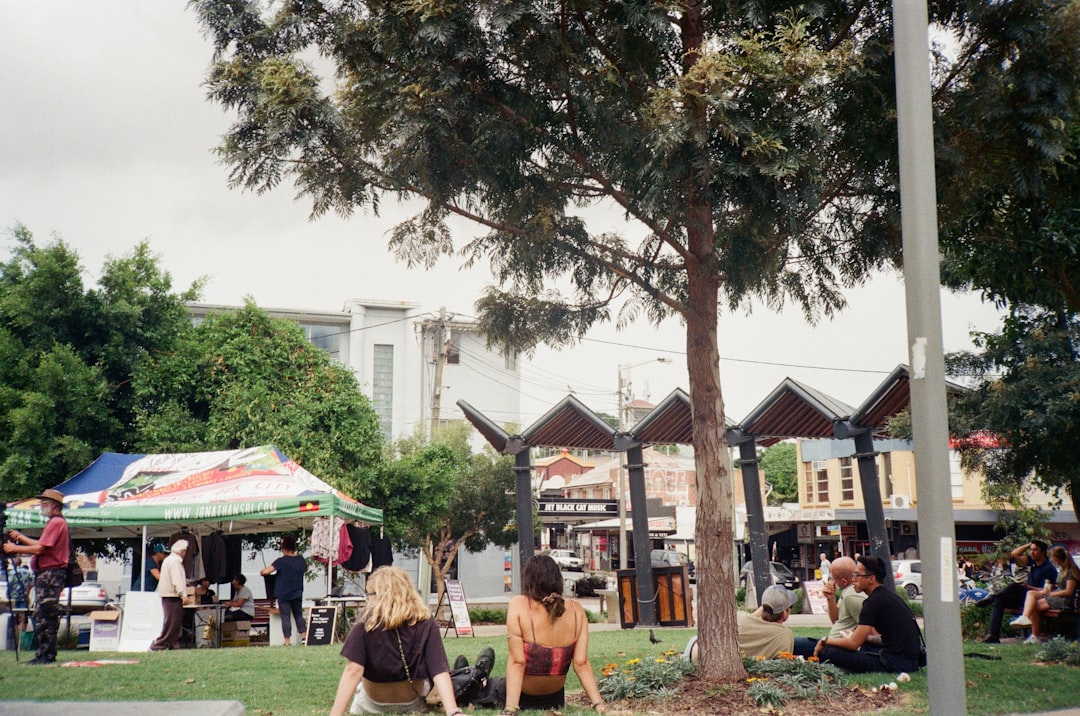
In Yungaburra, the village pub anchors a high street that still feels like the 1950s — a handful of galleries, a bookshop, a general store, and no chain retail of any kind. On market weekends (fourth Saturday of the month), the whole village fills with local producers and it’s one of the best small-town markets in North Queensland.
If you’re driving the western loop, stop at the National Hotel in Mt Molloy — one of the oldest pubs in the region, with a beer garden and the kind of quiet that only exists in towns where the population fits in a school bus.
Wildlife Without a Ticket Booth
The Tablelands are one of the most reliable places in Australia to see a platypus in the wild. Peterson Creek runs right through Yungaburra, and at dawn or dusk you can walk the viewing platforms along the bank and watch them surface, dive, and surface again. No tour. No entry fee. Just patience and timing.
The Curtain Fig Tree is a few minutes’ drive from Yungaburra — a 500-year-old strangler fig whose aerial roots have formed a curtain 15 meters wide. There’s a short boardwalk. Go at first light when the birds are active and the tour buses haven’t arrived.
For something more curated, the Herberton Historic Village is a private museum that reconstructs a full tin-mining-era township — 60-plus heritage buildings and 80,000 artifacts spread across several acres. It’s more immersive than it has any right to be, and it’s the kind of place where you say “thirty minutes” and leave two hours later.
Cairns: The Bookend
Give Cairns at least two nights — one on each side of the Tablelands. The city itself is unpretentious and walkable along the Esplanade, with a public lagoon that substitutes nicely for a beach (the actual shoreline is mud flats, which is fine, nobody’s here for the sand).
For dinner, Ochre Restaurant has been the benchmark for native Australian cuisine in Cairns for years — crocodile, lemon-aspen prawns, Gulf bug tempura with lemon-myrtle chilli. It’s a meal that teaches you about the region’s ingredients without feeling like a lecture.
Ganbaranba serves the best ramen in town — handmade noodles, deep broths, and a line most nights that tells you everything you need to know. Bayleaf does Balinese flavors with real conviction, and NOA in Edge Hill runs a Mediterranean-Asian share-plates menu that’s better than it needs to be for a city this size.
Start any morning at Rusty’s Markets — it’s been running since 1975 and it’s where the Tablelands produce ends up. Tropical fruit, local honey, fresh sugarcane juice, and breakfast stalls that will keep you occupied until the heat sets in.
Where to Stay and How Long
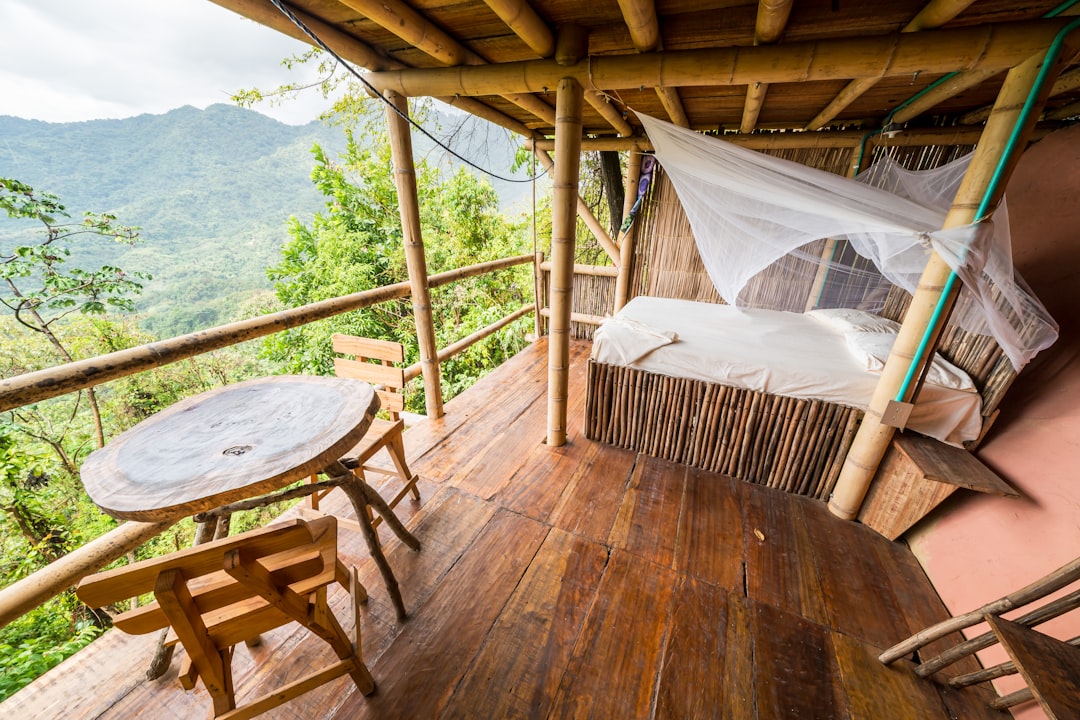
Split your time. Two or three nights in Yungaburra puts you in the heart of the Tablelands with easy access to the crater lakes, the Curtain Fig, and the pub circuit. The Canopy Rainforest Treehouses are the splurge pick — private treehouses with spa tubs set in the canopy, where you fall asleep to the sound of the forest. For something simpler, the Yungaburra Park Motel is clean, well-located, and a ten-minute walk to the pub.
→ Browse Yungaburra hotels on Booking.com
Book two nights in Cairns on the Esplanade end — close to the lagoon, the markets, and the restaurant strip. There’s no shortage of mid-range hotels along the waterfront, and the city is small enough that location barely matters.
→ Browse Cairns hotels on Booking.com
If you have a fifth day, base it in Mareeba for the western Tablelands — coffee plantations, the hot-air-balloon flights over the savannah at dawn, and Golden Drop for mango wine in the afternoon. Sweetwater Lodge is a good boutique option.
→ Browse Mareeba accommodation on Booking.com
Five days total — two in Cairns, three on the Tablelands — is the sweet spot. You could do it in three if you drove hard, but the whole point of the Tablelands is not driving hard.
Planning Essentials
When to go: May through October. July is the best single month — cool enough for comfortable hiking, dry enough for reliable driving, and the waterfalls are still flowing from the tail of the wet season. If you’re here in mid-July, the Atherton Tablelands Chamber Music Festival runs three days of concerts in Herberton’s historic Town Hall. In October, the Taste of the Tablelands festival celebrates local producers.
Getting around: You need a car. The Tablelands are spread across a wide plateau and public transit doesn’t reach most of what’s worth seeing. Rent in Cairns, drive up the Gillies Highway or the Palmerston Highway, and give yourself the flexibility to stop at roadside stalls and unmarked waterfalls. The roads are well-maintained and the driving is easy.
What to pack: Layers. Cairns is 28 °C and humid. The Tablelands can be 12 °C at night. A light jacket and long pants for evenings up on the plateau, and something you can swim in for Lake Eacham and Malanda Falls.
→ Hot-air balloon flight over Mareeba at dawn
Ready to Plan Your Trip to Cairns & the Atherton Tablelands?
You’ve done the reading. Here’s everything you need to make it happen.
🎟️ What to Book in Advance
- Kuranda Scenic Railway & Skyrail combo
- Hot-air balloon flight over Mareeba at sunrise
- Browse more Cairns & Atherton Tablelands experiences on Viator
Some links in this post are affiliate links. If you book through them, CuriosityTrail earns a small commission at no extra cost to you. Recommendations are chosen on merit; commissions never decide what’s included.