Chiang Mai Beyond the Temples: Coffee, Khao Soi, and the Art Scene Worth Slowing Down For
Quick Essentials
- 📍 Best Time to Visit: November through January — cool evenings, clear skies, and Yi Peng lanterns floating over the Ping River in November.
- ✈️ Getting There: Search flights on Skyscanner | Direct from Bangkok, Singapore, Kuala Lumpur, and Seoul
- 🏨 Where to Stay: Browse Chiang Mai hotels on Booking.com
- 🎟️ Don’t Miss: Thai cooking class with morning market tour on GetYourGuide
- 💰 Budget Range: $60–$150 per day for mid-range to splurge travel
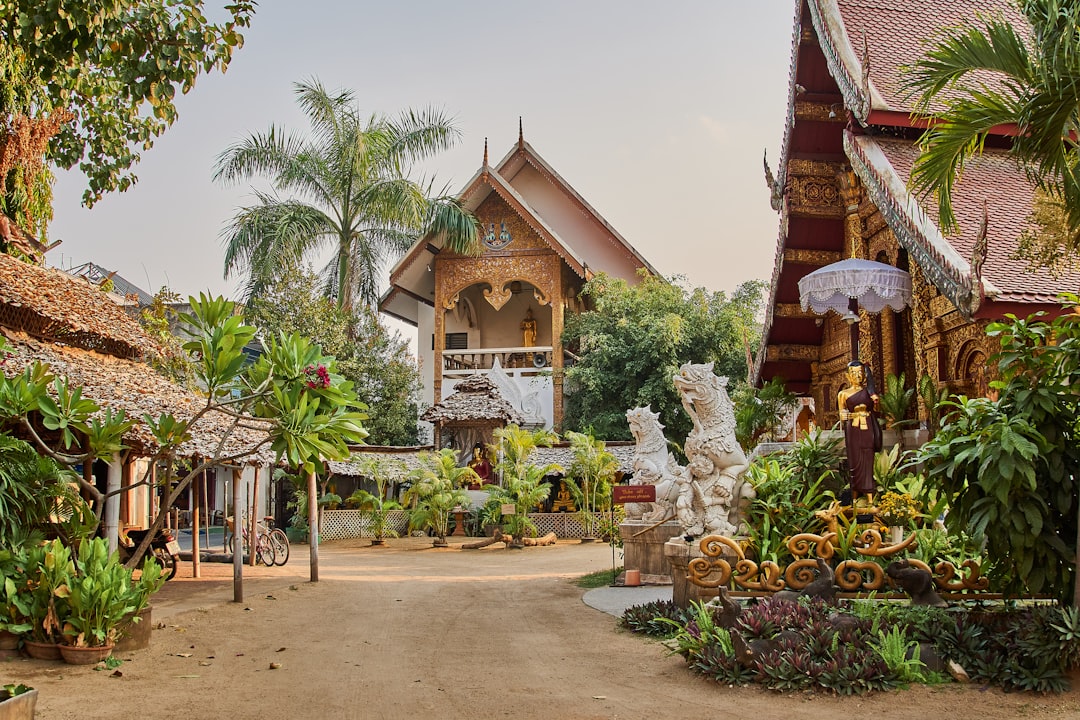
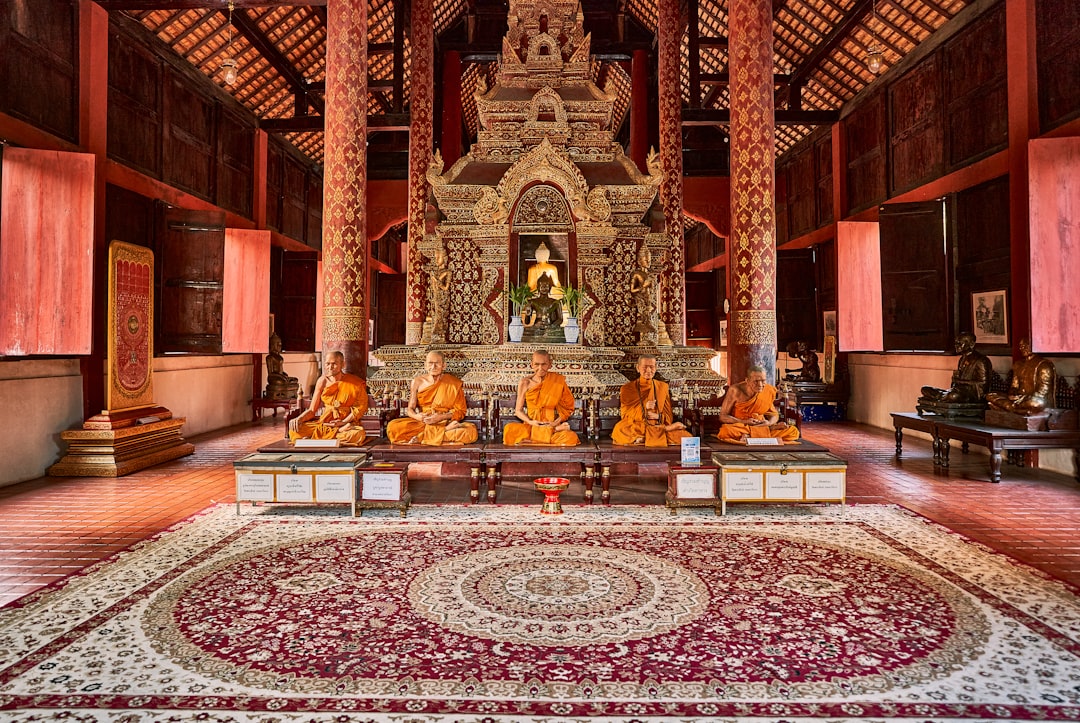
Most people come to Chiang Mai to check temples off a list. Doi Suthep, Wat Chedi Luang, the procession of golden spires inside the moat — they’re beautiful, and they’ll be there when you get around to them. But they’re not why people stay.
The ones who stay discovered something else. Maybe it was a third-wave coffee shop on a Nimman side street where the barista sources beans from a farm two hours up the mountain and treats extraction like chemistry. Maybe it was the fourth bowl of khao soi in three days, each one from a different stall, each one arguably better than the last. Maybe it was wandering into a teak house that turned out to be a gallery showing contemporary Thai sculpture, and nobody else was in the room.
Chiang Mai doesn’t pitch itself as a slow-travel city. It just quietly becomes one. The cost of living is low enough that a week feels like a reasonable experiment, and the layers keep revealing themselves — the art scene that operates mostly in converted residential buildings, the night markets where locals outnumber tourists, the neighborhoods that haven’t finished deciding what they are yet.
The Nimman Coffee Circuit
Nimmanhaemin Road — everyone calls it Nimman — runs southwest from the Old City toward Chiang Mai University, and its side streets have become one of Southeast Asia’s densest concentrations of specialty coffee. This isn’t the Instagram-backdrop cafe culture of Bangkok or Bali. It’s quieter, nerdier, and more connected to the source.
Northern Thailand grows coffee. The highlands above Chiang Mai produce arabica beans that have started winning international competitions, and the city’s best roasters have direct relationships with the farmers. Walk into Roast8ry Coffee Lab on Nimman Soi 3, and you’ll find a team that treats every cup like calibration — they’ll ask about your flavor preferences and dial the extraction to match. It sounds precious, but it’s genuine, and the coffee is extraordinary.
Ristr8to Original, a few blocks away, is the name most people know. The latte art has won global awards, and the shop has expanded to multiple locations, but the original Nimman outpost still has the best energy — small, crowded, unpretentious about everything except the beans.
The coffee culture here has its own calendar now. Chiang Mai Coffee Week draws roasters and buyers from across Asia, and One Nimman — a mixed-use complex that functions as the neighborhood’s living room — hosts the Chong Chong Fest, a five-day stretch of over 80 coffee, pastry, and cocktail booths. It’s proof that this scene has matured past the “hidden gem” stage and into something self-sustaining.
Spend a morning doing the circuit: Roast8ry for the science, Ristr8to for the craft, then one of the dozen smaller shops on the sois between — the ones where the owner is also the roaster, the menu changes weekly, and there might be a cat.
Eating Your Way Through the Markets
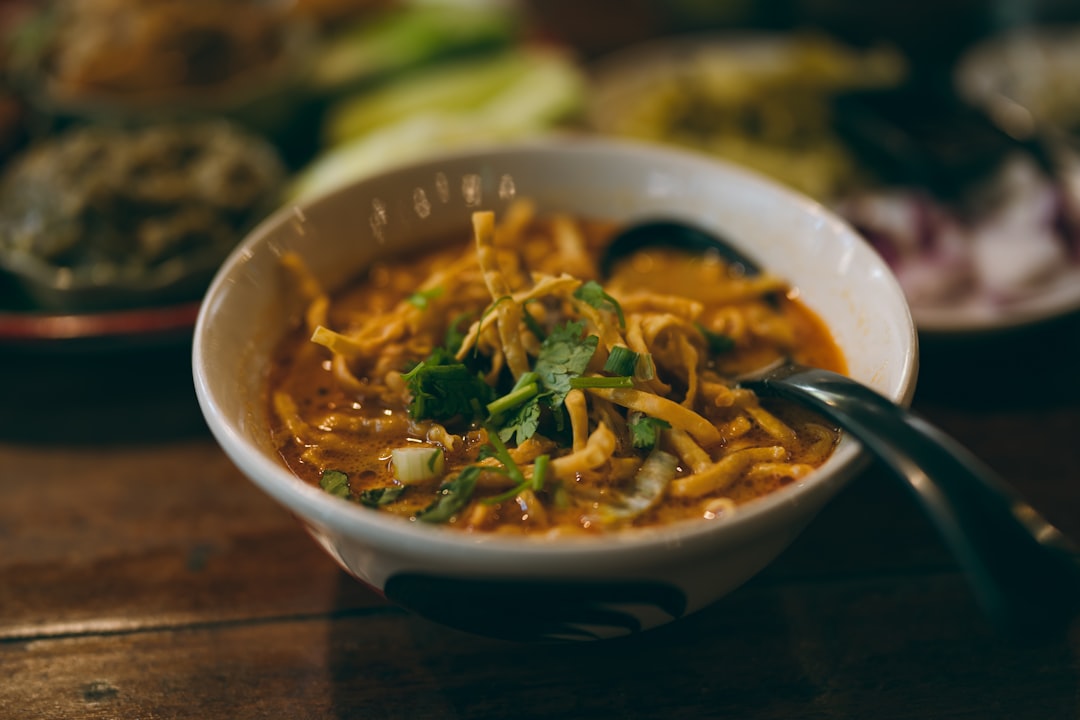
Khao soi is the dish, and this is its hometown. A coconut curry broth, egg noodles, a tangle of crispy fried noodles on top — every stall has a version, and the arguments over which one is best are both pointless and deeply enjoyable.
Two places earn the pilgrimage. Khao Soi Khun Yai, just inside the North Gate, does a beef version that’s richer and more complex than what most visitors expect from a dish that costs under two dollars. They open for lunch only — show up by 11:30 or gamble on the pot lasting. Khao Soi Islam, east of the Old Town, builds its bowl on a curry base that’s heavier on spice and lighter on sweetness. Both are walk-up counters with plastic stools. Both are perfect.
But the markets are about more than khao soi. The Chiang Mai Gate Night Market draws a mostly local crowd, and the difference is palpable — prices are lower, the food is less cautious, and you’ll find things that don’t appear on the tourist-friendly menus elsewhere. Sai ua, the northern Thai sausage packed with herbs and lemongrass, is better here than anywhere. Kanom jeen nam ngiao — rice noodles in a tomato-pork broth with blood curd — is the kind of dish that rewards the curious eater.
The Sunday Walking Street that starts at Tha Phae Gate is the one everyone recommends, and it’s good — the craft vendors are legitimate, and the food stalls multiply as the evening deepens. But experienced visitors eventually drift to the Saturday market on Wualai Road instead, where the crowds are thinner and the silversmith heritage of the district gives the whole evening a different texture.
If you want to go deeper into northern Thai cuisine, book a cooking class. The best ones start with a morning market tour where you learn to identify ingredients before you cook with them.
→ Thai cooking class with market tour on GetYourGuide
Art Inside Old Walls
The gallery scene in Chiang Mai operates on a logic that wouldn’t work in most cities. Rent is cheap. Teak houses and colonial-era buildings are plentiful. Artists — Thai and international — have been settling here for decades because the cost of living lets them actually make work instead of scrambling to afford a studio.
The result is a contemporary art infrastructure that’s scattered through residential streets and easy to miss entirely if you’re following the temple trail. MAIIAM Contemporary Art Museum, out in the Sankamphaeng district east of the city center, is the anchor — a serious private museum mounting exhibitions of visual art, design, and fashion. The building alone is worth the drive, and the programming rivals what you’d find in Bangkok or Singapore, with a fraction of the crowd.
Back in the city, Gallery Seescape has been a hub since 2008 — part exhibition space, part cafe, part artist residency. It’s the kind of place where you walk in for coffee and stay because the installation in the back room catches you off guard. La Luna Gallery, in a beautiful colonial house, focuses on contemporary Asian artists and rotates shows frequently enough that even regular visitors see something new.
Then there’s Baan Kang Wat, near the base of Doi Suthep. A cluster of wooden houses converted into art studios, craft shops, and cafes, it’s become the physical embodiment of Chiang Mai’s creative ethos — not polished enough to feel commercial, not rough enough to feel exclusive. Go on a weekend morning when the artists are working and the cafe is serving khao tom for breakfast.
Where the Rhythm Slows
If you’re staying a week — and you should — your geography will shift. The first few days belong to Nimman and the Old City, but eventually you’ll drift north to Santitham, the neighborhood that’s in the middle of becoming something without having decided what that something is.
Santitham has the best ratio of cafe quality to tourist density in the city. The street-food scene is strong and local, the guesthouses are cheap, and the vibe is closer to what Nimman felt like a decade ago. It’s not polished. That’s the appeal.
Evenings in Chiang Mai have their own rhythm. The Ping River area quiets down after sunset in a way that feels deliberate, not sleepy — a few cocktail bars with river views, restaurants that serve northern Thai dishes you won’t find in the markets, the occasional live jazz set drifting from a rooftop. It’s a city that knows how to end a day without turning it into a night.
Stay in the Nimman area at Akyra Manor if you want the coffee circuit at your doorstep — glass-walled rooms, a rooftop pool, and a cocktail bar that takes itself just seriously enough.
Stay in the Old City at Rachamankha if you want to wake up inside the moat — a quiet compound where Lanna architecture meets antique furnishings and the courtyard is the only space you need.
When to Go (and When to Stay Home)
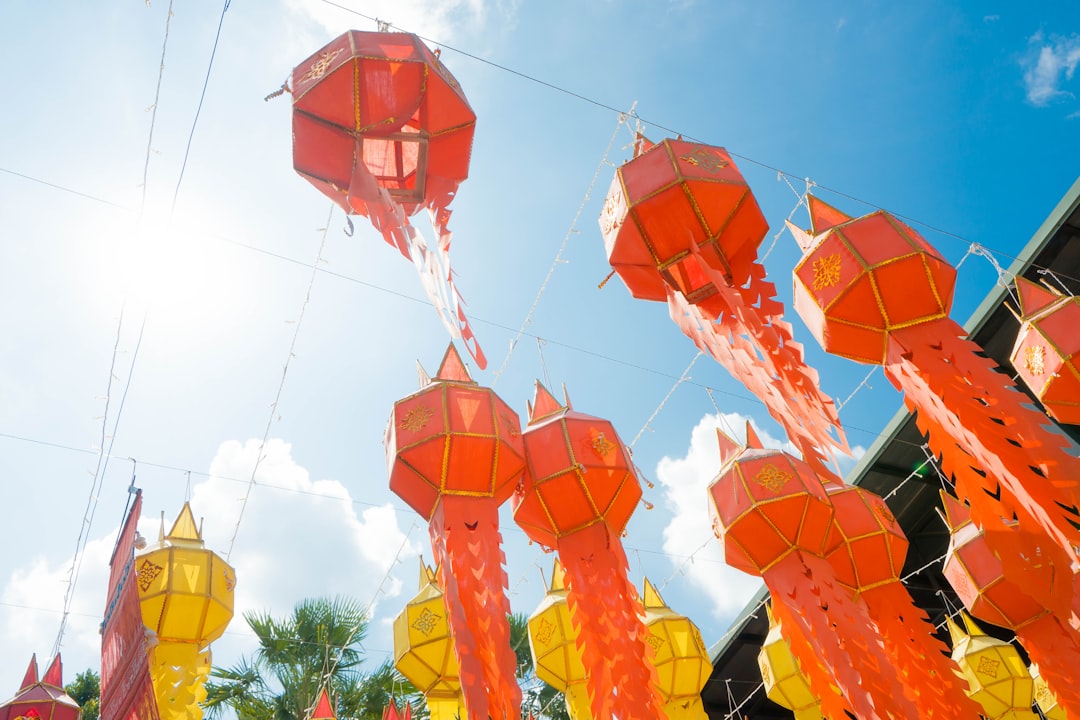
November through January is the window. Daytime temperatures hover around 26–28°C, evenings drop to a genuinely cool 12–13°C — cool enough for a light jacket, which is a revelation after Bangkok. The skies are clear, the air is clean, and November brings Yi Peng, when thousands of paper lanterns rise over the city and candlelit offerings float down the Ping River. It’s Chiang Mai’s most photogenic moment, and it’s earned.
February brings the Flower Festival and the Chiang Mai Jazz Festival — both worth timing a trip around if they align with your calendar.
Then stop. March through April is burning season. Farmers clear fields across northern Thailand, and the air quality in Chiang Mai becomes genuinely hazardous — AQI readings regularly exceed 200. Temperatures push past 40°C. It is not a “slightly worse” time to visit. It is a time to be somewhere else entirely.
The rainy season, June through October, is underrated. Prices drop 40–50%, the hills around the city turn impossibly green, and the afternoon downpours are intense but brief. You’ll have the galleries and coffee shops largely to yourself.
Practical Notes
The old city is walkable. Beyond that, grab songthaews (the red shared trucks) or rent a scooter if you’re comfortable with Thai traffic patterns, which are exactly as chaotic as you’ve heard. Grab and Bolt work well for rides when you need air conditioning and a direct route.
Cash is still king at markets and smaller restaurants. The 7-Elevens accept cards, but your khao soi stall does not.
Temples have dress codes — shoulders and knees covered — but you knew that. What you might not know: many of the best temples are free to enter, and the ones that charge (Doi Suthep, Wat Phra Singh) are worth the modest fee. Go early. By 10am, the tour buses arrive.
Ready to Plan Your Trip to Chiang Mai?
You’ve done the reading. Here’s everything you need to make it happen.
🎟️ What to Book in Advance
- Thai cooking class with morning market tour
- Thai-Akha fusion cooking class
- Browse more Chiang Mai experiences on Viator
Some links in this post are affiliate links. If you book through them, CuriosityTrail earns a small commission at no extra cost to you. Recommendations are chosen on merit; commissions never decide what’s included.