Thessaloniki: Why Greece’s Hungriest City Deserves Your Full Attention
Quick Essentials
- ✈️ Flights:
Search flights to Thessaloniki
- 🏨 Hotels:
Browse hotels in Thessaloniki
- 🎟️ Top Experience:
Guided Food Walk with Tastings and Drinks
- 🚗 Car Rental:
Compare rental cars in Thessaloniki
The City Athens Doesn’t Want You to Visit
Most travelers fly into Athens, take a ferry to the islands, and fly home thinking they’ve seen Greece. They haven’t. Not really.
Thessaloniki doesn’t make the pitch easy. It lacks a signature monument on the level of the Acropolis — no single postcard image that does the work of convincing. What it has instead is accumulation: twenty-three centuries of history stacked vertically through the streets, layer on layer, era on era, with no museum rope to keep you at a distance. A Roman rotunda becomes a mosque becomes a church becomes a gallery, and nobody bothers to explain the transitions because Thessalonians already know.
The food does its own convincing. Greeks from Athens will tell you, a little grudgingly, that Thessaloniki eats better. The city’s culinary identity was shaped by Ottoman court cuisine, Sephardic Jewish baking traditions, Balkan spice routes, and the Asia Minor refugees who arrived in the 1920s with recipes and hunger. The result is a food scene that runs deeper than the Athenian farm-to-table trend — and costs half as much.
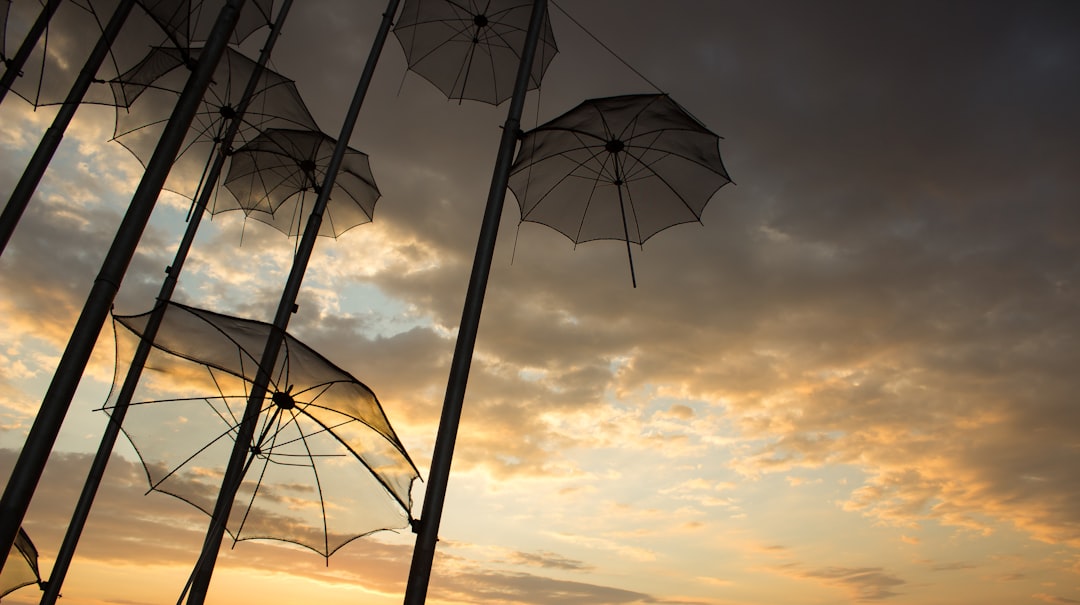
And then there’s the promenade. Five kilometers of unbroken waterfront where the entire city shows up at sundown — not for tourists, not for Instagram, just because that’s what you do in Thessaloniki.
Walking Through Centuries Without a Guidebook
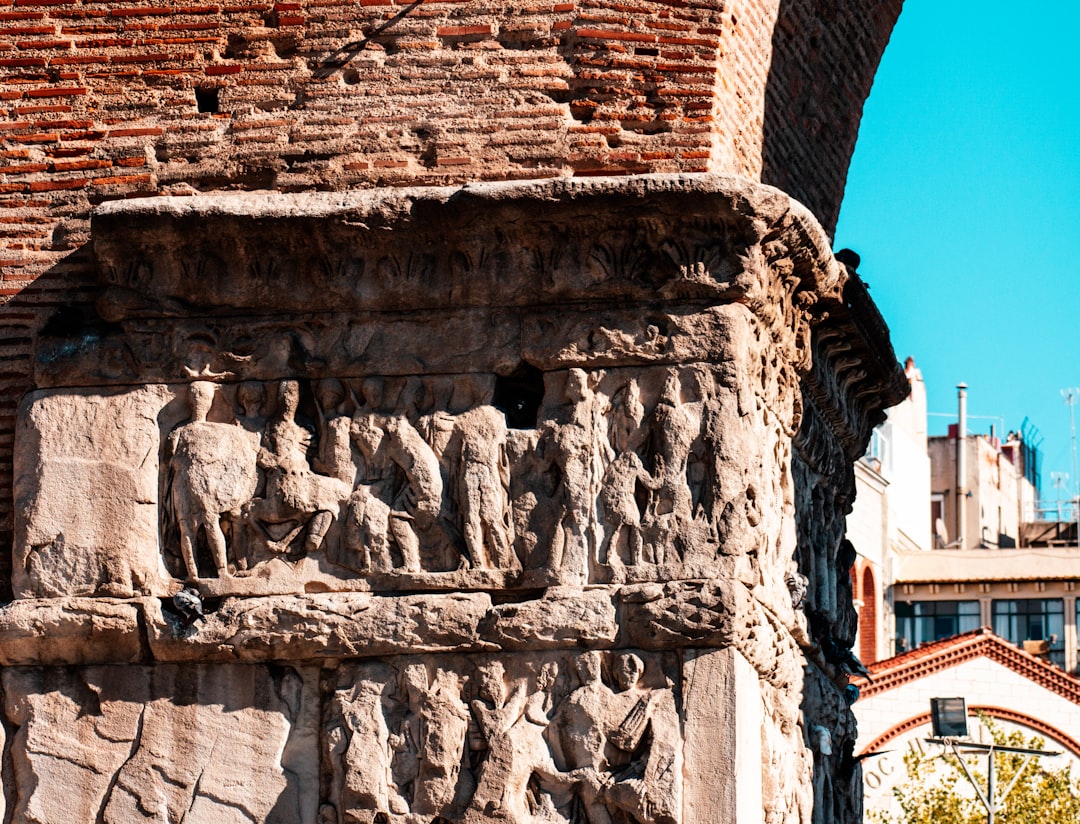
The historical density here catches people off guard. You can walk from the Roman Arch of Galerius to a 5th-century Byzantine church to an Ottoman-era hammam-turned-flower-shop in under fifteen minutes, and none of them feel like museums — they’re just part of the city.
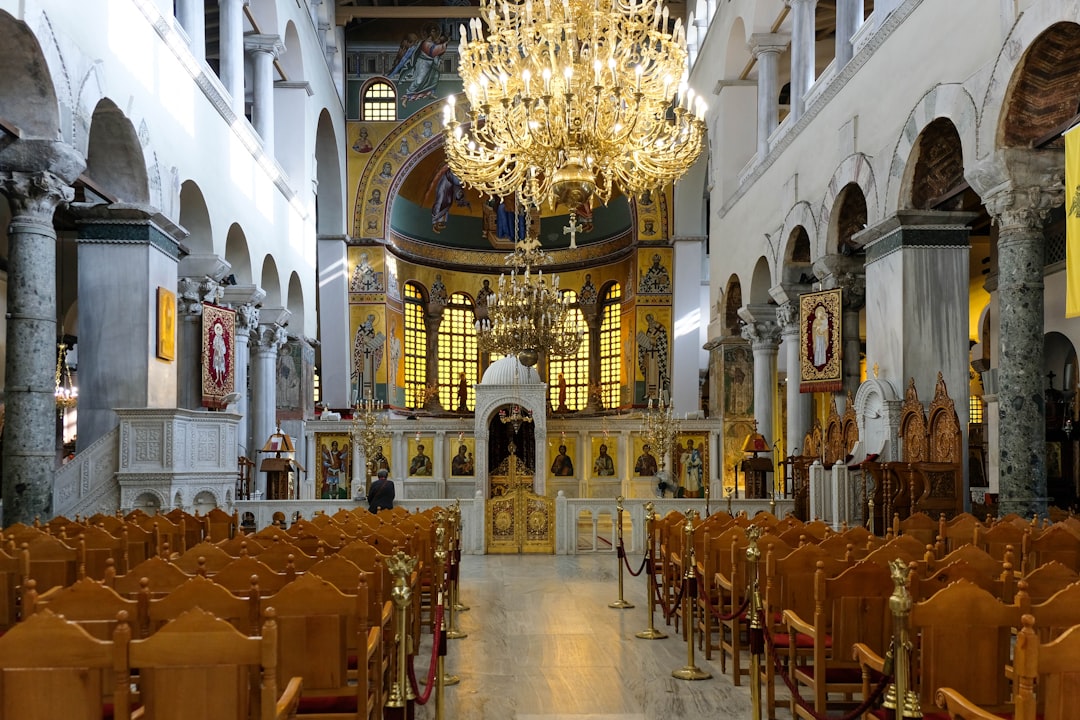
Fifteen Byzantine churches in Thessaloniki carry UNESCO World Heritage status, but the number undersells the experience. These aren’t the manicured, ticket-windowed heritage sites of Western Europe. Agios Dimitrios, the city’s patron saint church, sits at street level and you can walk in during a service and stand among locals lighting candles. The mosaics at Osios David in the Upper Town are breathtaking and half the time you’ll have them to yourself.
The Rotunda might be the most adaptable building in the Mediterranean — built as a Roman mausoleum in the 4th century, converted to a church, then an Ottoman mosque (you can still see the minaret), and now an exhibition space. It stands at the head of a tree-lined boulevard that leads straight to the Arch of Galerius, where university students sit on the steps drinking freddo espresso as if Roman imperial triumphal arches are just the kind of bench you’d expect.
For a guided walk through the Byzantine highlights, including a visit to the Museum of Byzantine Culture, the three-hour tour is worth booking ahead. → Byzantine Wonders Guided Walk & Museum Visit
The Food Capital Argument (And Why Thessaloniki Wins)
I’ll say it plainly: Thessaloniki has the most compelling food scene of any mid-size city in Southern Europe, and it’s not trying to impress anyone. The bakeries open at dawn. The tsipouradika keep you there past midnight. Everything in between earns its place.
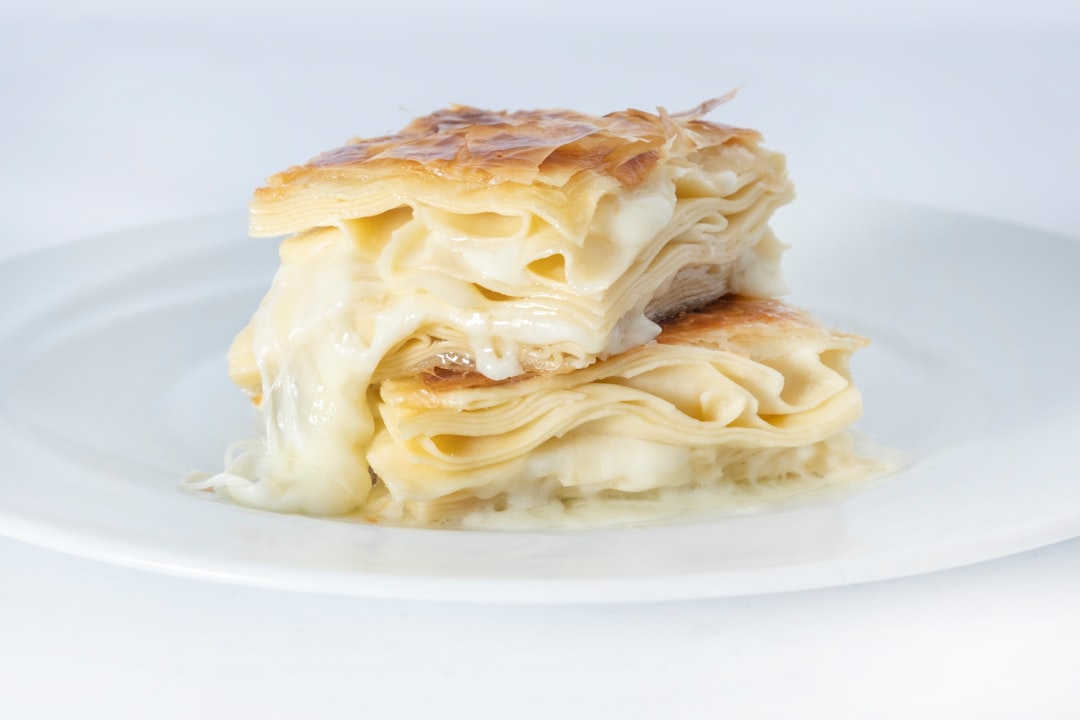
Start with bougatsa, because everyone does. This flaky phyllo pastry, filled with warm semolina cream and dusted with powdered sugar and cinnamon, is the city’s unofficial breakfast. Bougatsa Giannis near Aristotelous Square has been at it since 1960, and the regulars will tell you not to bother anywhere else. They’re wrong — Bougatsa Bantis on Komninon is just as good — but the conviction is part of the experience.
The tsipouradiko is Thessaloniki’s answer to the Basque pintxos bar. Order tsipouro — a double-distilled grape spirit, served cold — and small plates arrive with each round, unordered. Sardines, fried cheese, stuffed peppers, octopus. You don’t choose; you trust. The tsipouradika around Athonos Square are a good starting point, but ask locals — they all have a favorite.
Koulouri is the simplest and maybe most satisfying street food in Greece: a sesame-crusted bread ring sold from carts on nearly every corner. It costs less than a euro and it’s best at 7 a.m. when the carts are freshly stocked.
Trigona Panoramatos — cream-filled pastry triangles from the hilltop suburb of Panorama — are a Thessaloniki original that hasn’t spread elsewhere in Greece. Bring a box back to your hotel. They won’t last the afternoon.
Soutzoukakia — spiced, cumin-scented meatballs in tomato sauce — arrived with the Smyrna refugees a century ago and never left. Every taverna has its version. The good ones use enough cumin to remind you this isn’t standard Greek cooking.
The best way into Thessaloniki’s food culture is with someone who knows the stalls by name. A guided food walk through the markets covers ground you’d otherwise miss. → Thessaloniki Food Walking Tour with Tastings and Drinks
Three Neighborhoods, Three Speeds
Aristotelous Square and the Centre is where most visitors land, and it works. The grand Parisian-style crescent of buildings faces the waterfront, Modiano Market and Kapani Market are a five-minute walk inland, and the café-bar-restaurant density along the side streets is staggering. Stay here if you want everything on foot.
Where to stay: The Excelsior is classic Thessaloniki luxury — right on Aristotelous with views down to the water. Daios Luxury Living is the contemporary alternative, all clean lines and waterfront terraces. For something with character on a smaller budget, Pillow Urban Stay nails the sweet spot of modern comfort and central location. → Browse Thessaloniki city centre hotels
Ladadika, the old Ottoman-era warehouse district just west of the port, is where Thessaloniki goes out. Former olive-oil storage buildings have become bars, live-music venues, and late-night restaurants. It’s louder than the centre and happier for it. Not every night, but when you’re in the mood.
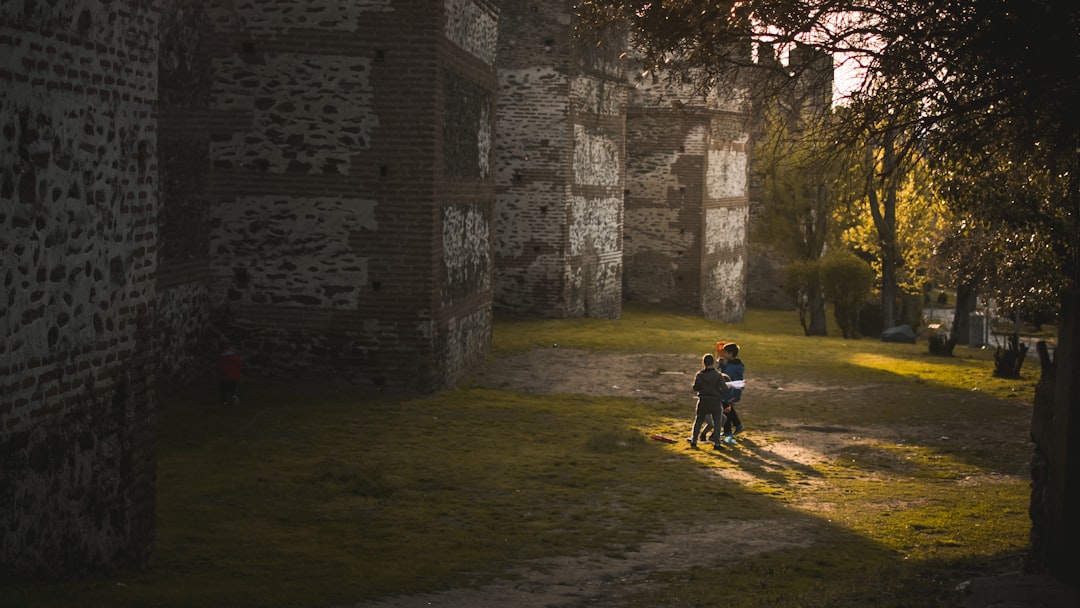
Ano Poli (Upper Town) is what people mean when they talk about old Thessaloniki. Narrow streets climb the hillside through Ottoman wooden houses, tiny Byzantine churches appear around corners, and the views from the Trigoniou Tower at sunset are the best in the city — without the crowd that gathers at the White Tower below. It’s quieter and less convenient, but if you’ve already seen a Greek city from the harbour, see this one from the ramparts.
The Story Thessaloniki Doesn’t Always Tell
Before World War II, Thessaloniki was one of the great Sephardic Jewish cities of the world. Jews made up the city’s largest ethnic group well into the 20th century. The community was nearly annihilated in the Holocaust, and the physical erasure that followed — the old Jewish cemetery paved over to build the university campus — means the traces require some looking.
They’re there if you look. Small brass Stolpersteine plaques embedded in the sidewalks outside former Jewish homes mark names, dates, deportation destinations. Following them creates a quiet, devastating self-guided walk through the city’s modern history. The Jewish Museum of Thessaloniki on Agiou Mina Street gives the full story with care.
The Modiano Market itself sits on the site of the old Talmud Torah synagogue, and its architect, Eli Modiano, came from one of the city’s prominent Sephardic families. The gorgeous early-20th-century Saul Modiano Arcade — a covered shopping passage adjacent to the main market — is full of old tailors and stationery shops that most visitors walk past without noticing. Don’t.
Day Trips That Earn the Drive
Meteora — the gravity-defying monasteries perched on sandstone pillars — is a full day trip (about three hours each way by car or tour bus) but unmissable if you haven’t been. It’s one of those places where the photographs don’t exaggerate.
Halkidiki — three peninsulas jutting into the Aegean south of the city. The first two (Kassandra and Sithonia) have some of Greece’s finest beaches. The third (Mount Athos) is the famously restricted monastic peninsula — but a sailing tour along the coast gets you close enough to see the monasteries from the water, which is its own kind of experience.
Practical Notes for the Experienced Traveler
Thessaloniki’s transit is bus-based and functional but unremarkable. The centre is compact enough to walk. Taxis are cheap. The airport is twenty minutes out with a direct bus link.
Cash is still useful in markets and small tavernas, though cards are accepted more widely than you might expect. Tipping is modest — round up or leave 5–10% at sit-down restaurants; nothing expected at café counters.
The city gets genuinely hot in July and August (regularly above 35°C) with humidity off the gulf. September onward is when it becomes walkable again. If you’re timing around a festival, book the Thessaloniki International Film Festival in November — it transforms the city for eleven days and the energy is infectious.
Plan Your Trip to Thessaloniki
Best time to visit: Late September through mid-November — the heat breaks, the cultural calendar peaks, and you can get a table at the good tsipouradika without a fight.
✈️ Getting There
Search flights to Thessaloniki on Skyscanner
🏨 Where to Stay
-
Pillow Urban Stay — modern comfort in the city centre without the luxury price tag
-
Daios Luxury Living — waterfront design hotel with rooftop views over the gulf
🎟️ What to Book in Advance
-
Guided Food Walk with Tastings and Drinks
-
Byzantine Wonders Walk & Museum Visit
-
Browse more Thessaloniki experiences on Viator
Some links in this post are affiliate links. If you book through them,
CuriosityTrail earns a small commission at no extra cost to you.
Recommendations are chosen on merit; commissions never decide what’s included.