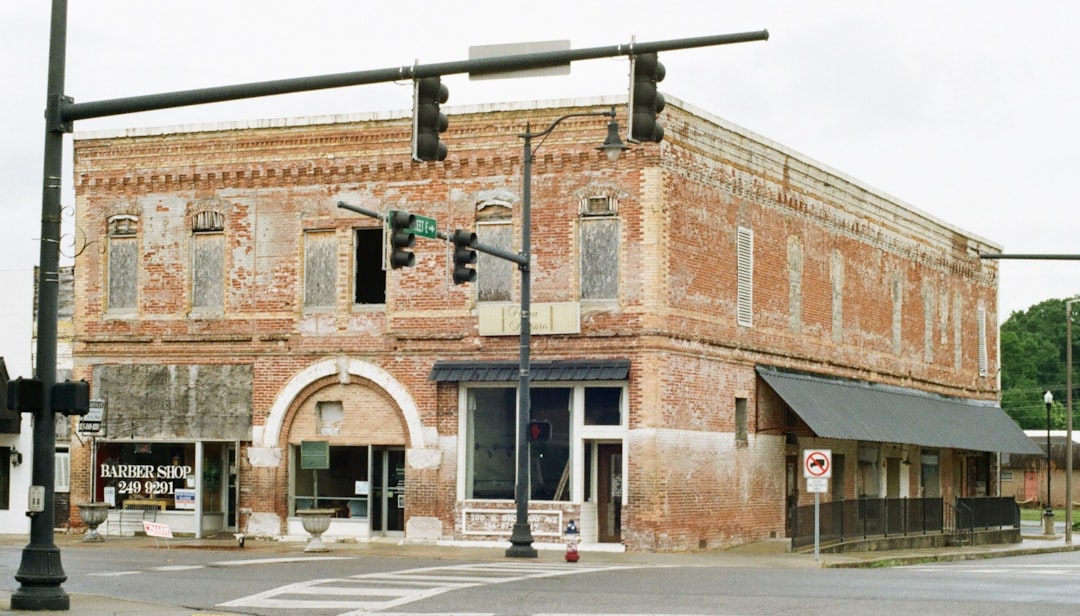
Visiting Mobile, Alabama: A Complete Guide
Quick Essentials
- 📍 Best Time to Visit: Mid-March through April — azaleas in full riot at Bellingrath, comfortable 80°F days, and Mardi Gras energy still lingering in the air.
- ✈️ Getting There: Search flights on Skyscanner | Direct from Houston, Dallas, Atlanta, and Charlotte
- 🏨 Where to Stay: Browse Mobile hotels on Booking.com
- 🎟️ Don’t Miss: Guided Downtown Food Tour with Tastings on GetYourGuide
- 💰 Budget Range: $150–$300 per day for a well-fed couple who likes a proper hotel and a good bottle of wine with dinner
Mobile is the city New Orleans gets credit for. That’s not a slight against New Orleans — it’s a fact about Mobile. French settlers threw the first American Mardi Gras here in 1703, a full fifteen years before New Orleans even existed as a city. The masked balls, the mystic societies, the floats, the throws — all of it started on these streets. Mobile invented the tradition and then quietly watched its louder neighbour down the coast claim the spotlight.
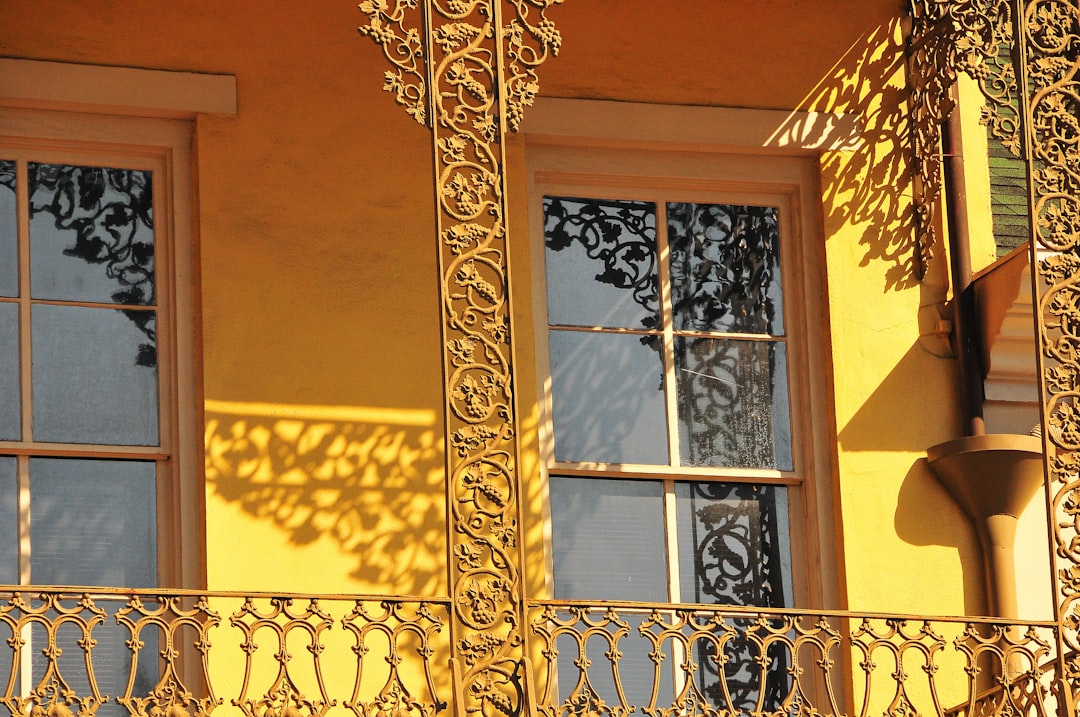
What remains is a Gulf Coast city that still has the bones of something extraordinary — centuries-old live oak canopies arching over residential streets, French Creole ironwork on buildings that predate the Civil War, a seafood tradition fed directly by Mobile Bay — and almost nobody in line ahead of you. On a Thursday evening in October, you can walk into Wintzell’s Oyster House without a reservation and eat some of the finest fried oysters on the Gulf. Try that in the French Quarter.
The draw here isn’t spectacle. It’s texture. Mobile rewards the kind of traveller who’d rather spend a morning walking a historic neighbourhood at their own pace than ticking off a list of must-sees. If you’ve done Savannah, done Charleston, done New Orleans, and you’re wondering what’s left — this is what’s left.
The City That Started American Carnival
Here’s the short version, because Mobile deserves at least that much correction to the historical record. In 1703, French colonists in Mobile — then the capital of French Louisiana — held the first organised Mardi Gras celebration in North America. The Boeuf Gras Society formed in 1710 and paraded a giant bull’s head on wheels down Dauphin Street the following year. Every tradition we associate with Carnival in America — the parades, the masked balls, the secret societies — was born here, not in New Orleans.
The celebration went dark during the Civil War, as most things did. Then in 1866, a local character named Joe Cain dressed himself up, paraded through a still-occupied downtown, and single-handedly revived Mardi Gras out of sheer defiance. Mobile’s Carnival season runs from late January through Fat Tuesday, and it feels nothing like New Orleans. It’s smaller, more intimate, and the locals aren’t performing for tourists. They’re performing for each other. The Mobile Carnival Museum on Government Street documents the whole history, and it’s far better than its modest signage suggests. Mobile City Multi-Attraction Pass on GetYourGuide
Iron Lace and Live Oaks: Walking the Historic Districts
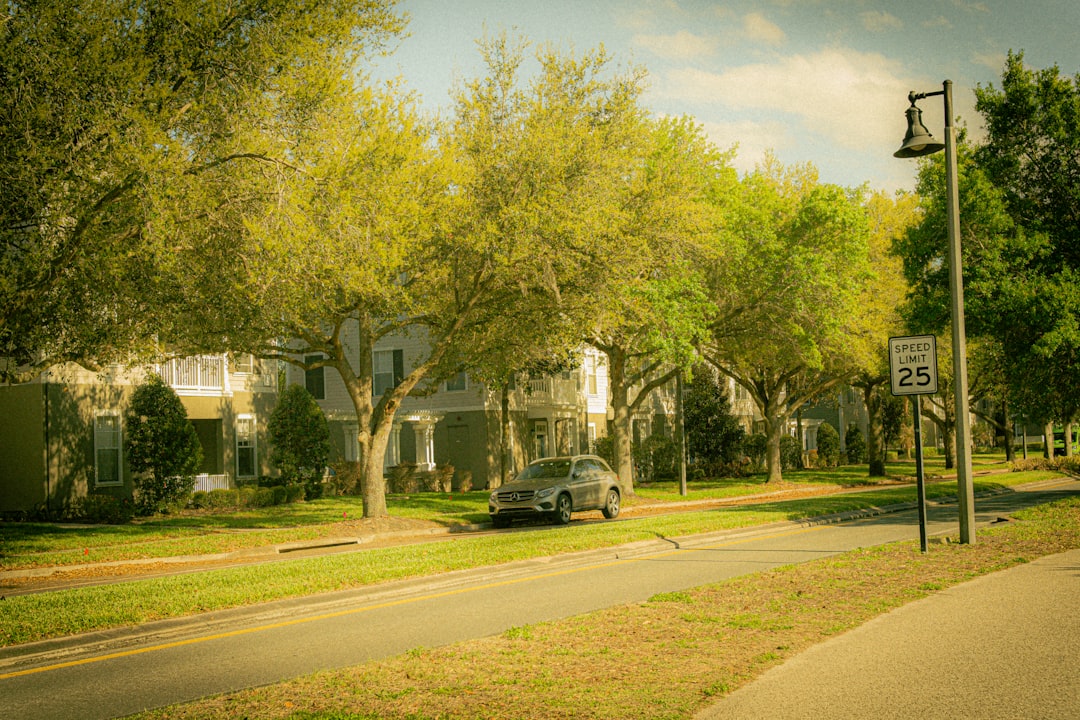
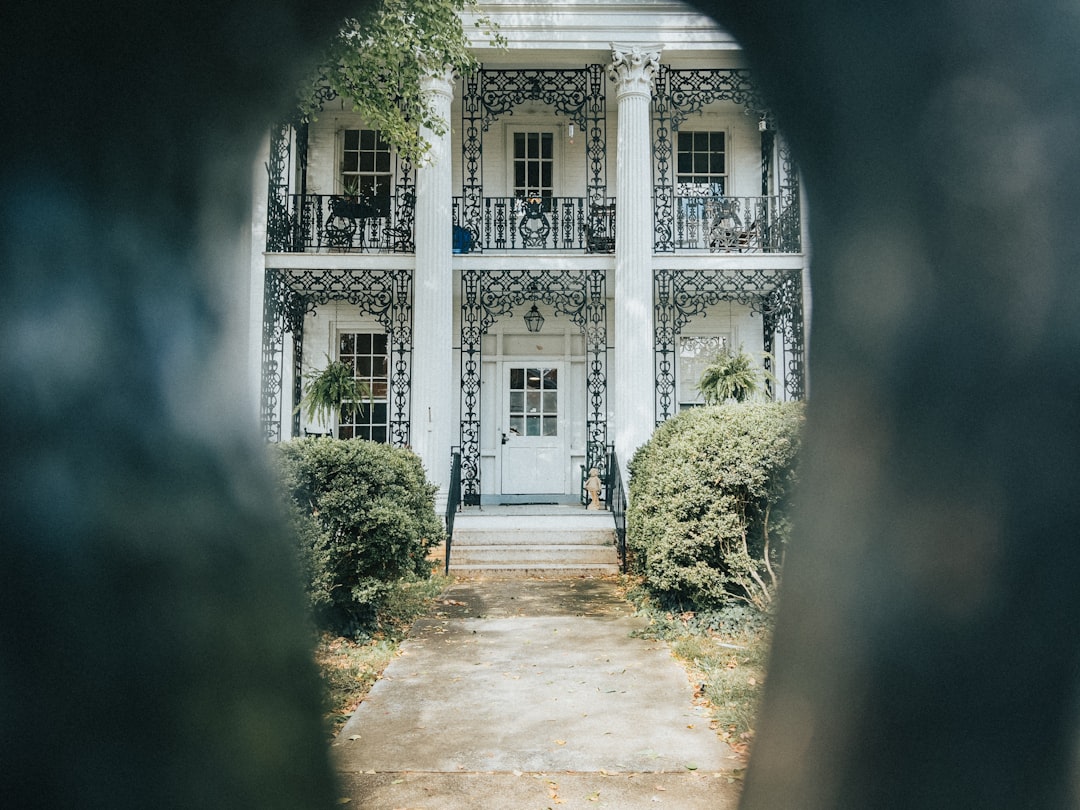
Mobile has seven historic districts, but you only need two or three to understand the city’s character. Start in the Oakleigh Garden Historic District, where live oaks older than the nation drape over streets lined with Greek Revival and Italianate houses. Most of these homes are on the National Register. None of them are roped off behind tour buses. You’ll walk these blocks largely alone, which is either the charm or the tragedy, depending on how you see it. I’d call it the charm.
De Tonti Square, closer to downtown, is tighter and more urban — Federal and Classical Revival townhouses shoulder to shoulder, many of them converted to private residences. Church Street East rounds out the picture with Victorian and Craftsman homes from a slightly later era. The thread through all of them is the same: this city took care of its old buildings, and the old buildings returned the favour.
Gulf to Table: What’s on the Menu
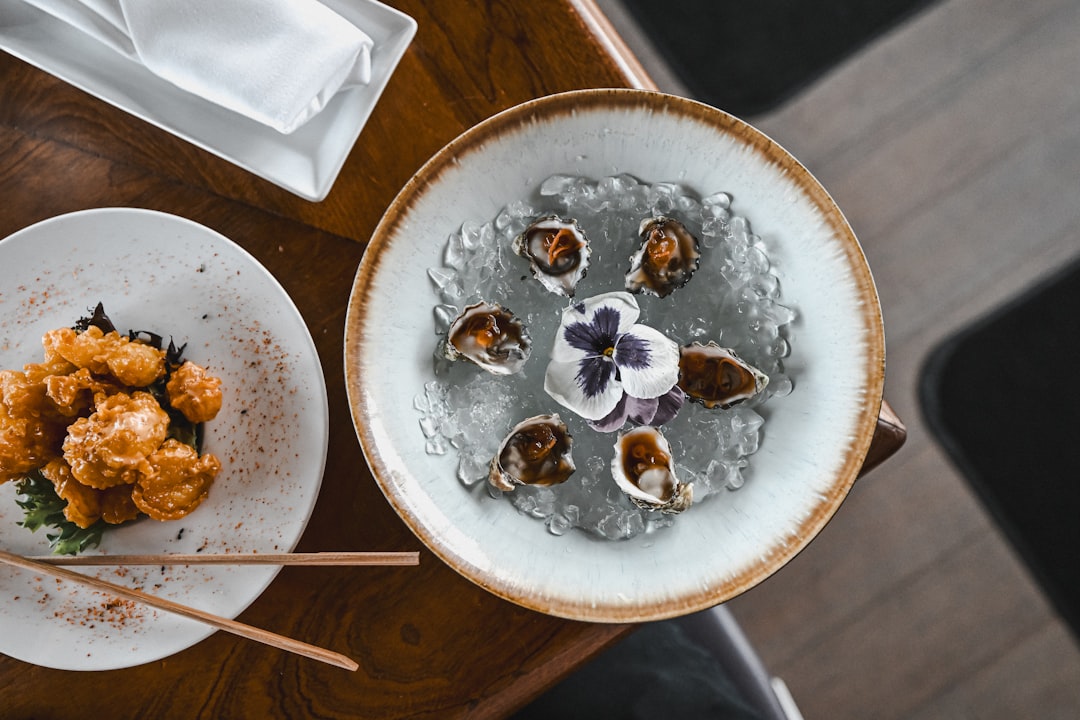
Mobile’s food scene doesn’t have the marketing budget of New Orleans or Charleston, but it has the same raw material — the Gulf of Mexico — and a Creole kitchen tradition that goes back just as far. The difference is that nobody here is trying to impress you. They’re just cooking.
Start with the West Indies Salad, which Mobile claims as its own invention. Lump crabmeat, marinated in oil, vinegar, and thinly sliced onion — it appeared at Bayley’s Corner in the 1940s and now it’s on nearly every menu in town. It’s simple in the way that only confident cooking can be.
Wintzell’s Oyster House has been open since 1938, and the fried oysters are still the standard. Don’t skip the gumbo. For crawfish étouffée, any of the Creole kitchens downtown will do it properly — with less fuss and a lower bill than you’d find across the state line. If you’re after something more polished, Dauphin’s sits on the 34th floor of the RSA-BankTrust Building and serves French Creole dishes with a panoramic view of the city and the bay. It’s the kind of place you go for a proper dinner on your last night.
One more thing worth knowing: Mobile Bay produces a rare natural phenomenon called a jubilee, when bottom-dwelling shrimp, flounder, and crabs suddenly wash ashore in the shallows of the eastern bay. Locals wade in with buckets. If you’re here during a jubilee event — they happen sporadically in summer — the catch shows up on restaurant menus within hours.
The Museums Worth an Afternoon
Museums aren’t the usual lead, but Mobile has a few that genuinely earn their keep.
The Mobile Carnival Museum is the one most visitors overlook, which is a mistake. It traces the full arc of American Mardi Gras — from 1703 to last February — with elaborate float designs, hand-sewn costumes, and the kind of local obsessiveness that makes a museum feel alive rather than preserved. Budget an hour, maybe more if the docent gets going.
GulfQuest, the National Maritime Museum, sits on the waterfront and tells the Gulf Coast’s story through its relationship with water, trade, and shipbuilding. It’s interactive without being gimmicky, and it’s almost always empty. Take that as an invitation, not a warning.
The History Museum of Mobile and the reconstructed Colonial Fort Condé are worth a walk-through if you’re already downtown, but they’re not destination museums. They’re the kind of thing you wander into between lunch and a late-afternoon walk along the Battleship Parkway.
Bellingrath Gardens: 65 Acres You Weren’t Expecting
Twenty minutes south of Mobile, down a road that cuts through unremarkable scrubland, you arrive at something that doesn’t match the approach at all. Bellingrath Gardens and Home is a 65-acre estate along Fowl River that Walter and Bessie Bellingrath began developing in 1918 as a private fishing lodge. By the 1930s, it had become one of the finest landscaped gardens in the American South.
The gardens shift with the season — azaleas and camellias in spring, hydrangeas and elephant ears in summer, over 8,000 cascading chrysanthemums in autumn during the Great Bellingrath Harvest, and poinsettias through winter. The 1930s home is still furnished with original pieces and available for guided tours. There’s also a boat tour of Fowl River if you want to extend the visit. It’s the kind of place that would be a headliner attraction in any other city. In Mobile, it’s just the gardens south of town. Bellingrath Gardens & Home on GetYourGuide
Where to Settle In
Three options, depending on what you’re after.
The Battle House Renaissance Hotel & Spa occupies a building that dates to 1852, restored and expanded into a full-service luxury hotel. It’s the flagship downtown property — walkable to Dauphin Street, the waterfront, and every museum mentioned above. If you want the best room in Mobile, this is it. The Battle House Renaissance on Booking.com
The Malaga Inn is formed from two 1862 townhouses joined by a courtyard garden. It’s quieter, more personal, and has the kind of character that no renovation committee could manufacture. Good for couples who’d rather have a courtyard coffee than a lobby bar. The Malaga Inn on Booking.com
Fort Condé Inn is a small B&B in the historic district. Residential feel, walkable to everything, and the owners know the city well enough to point you towards the places that don’t make the tourism website. Fort Condé Inn on Booking.com
When to Time It
Mid-March through April is the sweet spot: azaleas are blooming, temperatures sit around 80°F, and the post-Mardi Gras calm means the city feels unhurried. October and November are equally good — the Gulf heat has broken, food festivals take over (the National Shrimp Festival in Gulf Shores, Mobile Greek Fest, the Alabama Pecan Festival), and Bellingrath’s chrysanthemum display is in full swing.
Mardi Gras season itself, January through Fat Tuesday, is worth the trip if you want to see the celebration that started it all. Just know it’s the one window when Mobile feels busy.
Summer is hot, humid, and quiet. Not unpleasant if you’re a Gulf Coast person, but it’s not the ideal introduction.
Ready to Plan Your Trip to Mobile?
You’ve done the reading. Here’s everything you need to make it happen.
🎟️ What to Book in Advance
- Guided Downtown Food Tour with Tastings
- Bellingrath Gardens & Home
- Browse more Mobile experiences on Viator
📦 Pack Right
A good pair of walking shoes — Mobile’s historic districts are best explored on foot, and the sidewalks are uneven enough to punish sandals. Merrell Moab 3 Hiking Shoes
Some links in this post are affiliate links. If you book through them, CuriosityTrail earns a small commission at no extra cost to you. Recommendations are chosen on merit; commissions never decide what’s included.