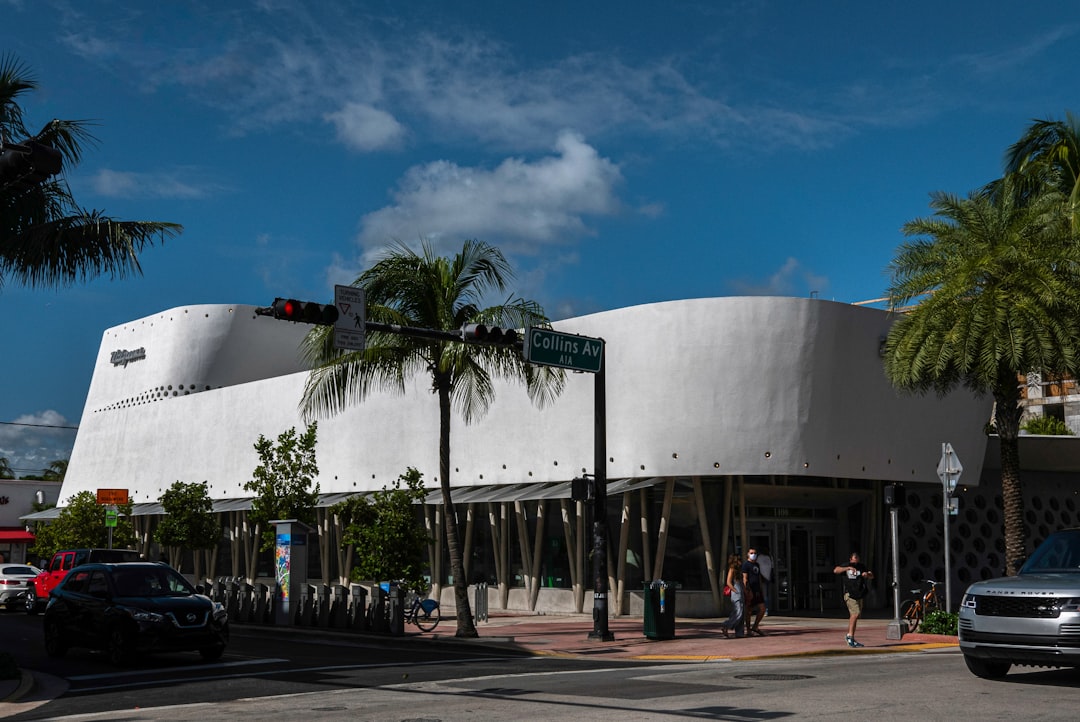
St. Petersburg, Florida: The Art, Architecture, and Cuban Sandwiches Beyond the Beach
Quick Essentials
- 📍 Best Time to Visit: Late October through April — winter highs hover around 72°F with minimal rain, and November brings the SHINE Mural Festival along with the thinnest crowds of the year.
- ✈️ Getting There: Search flights on Skyscanner | Direct from New York, Chicago, and most major East Coast hubs via Tampa International (TPA), 25 minutes away.
- 🏨 Where to Stay: Browse St. Petersburg hotels on Booking.com
- 🎟️ Don’t Miss: Dalí Museum skip-the-line admission on GetYourGuide
- 🚗 Car Rental: Compare rental cars on Skyscanner | Useful for Bay Pines food stops and beach day trips.
- 💰 Budget Range: $150–$300 per day for mid-range to splurge — dining is excellent at every price point, and the best art is outdoors and free.
A City That Outgrew Its Postcard
Most people file St. Petersburg under “Florida beaches.” They’re not wrong — the Gulf beaches are there, and they’re fine. But if that’s all you see, you’ve missed the more interesting city entirely.
St. Pete has been quietly building one of the most concentrated arts-and-food scenes on the Gulf Coast for the better part of a decade. The Dalí Museum anchors the waterfront with architecture as surreal as its collection. A mural arts programme has painted more than 170 large-scale works across downtown since 2015. And the food — specifically, the Cuban-inflected food culture that runs through Tampa Bay like a second river — shows up here not as a novelty but as a neighbourhood staple.
What catches visitors off guard is the architecture. Walk Beach Drive at dusk and you’re looking at Jazz Age ambition in pink Mediterranean Revival, built by people who genuinely believed Florida’s Gulf Coast would become the American Riviera. They weren’t entirely wrong. They were just early.
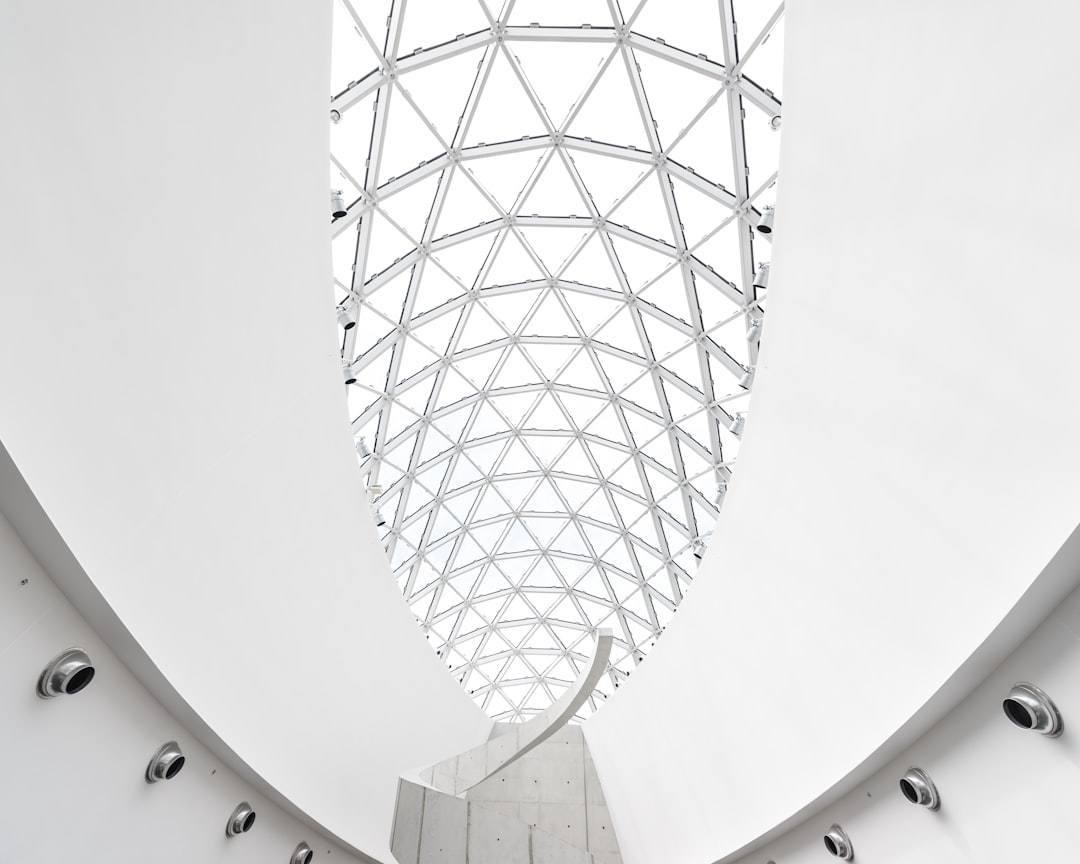
The Dalí Museum and the Art of Obsession
The Dalí Museum is the reason most culturally-inclined visitors put St. Pete on their itinerary, and it earns that attention. The building itself — a rectangular concrete structure punctured by a massive freeform glass “enigma” — is worth seeing from the outside alone. Inside, the collection spans Dalí’s entire career, from early Impressionist experiments through the full surrealist period and into the nuclear mysticism of his later decades.
Plan for at least two hours, maybe three if you’re the type who reads every placard. The upper gallery houses the monumental works — the canvases that are genuinely too large to take in from a single position. You’ll find yourself stepping back, stepping forward, discovering details you missed. That’s rather the point.
Don’t skip the ground floor garden. It’s stocked with whimsical Dalí-inspired sculptures and a small hedge maze that seems almost too playful for a serious art museum. That tension is what makes the whole experience work. Café Gala, in the glass bubble overlooking the garden, does a respectable light lunch — Mediterranean-leaning, nothing fussy — and it’s worth booking ahead if you’re planning a museum day.
→ Dalí Museum skip-the-line tickets
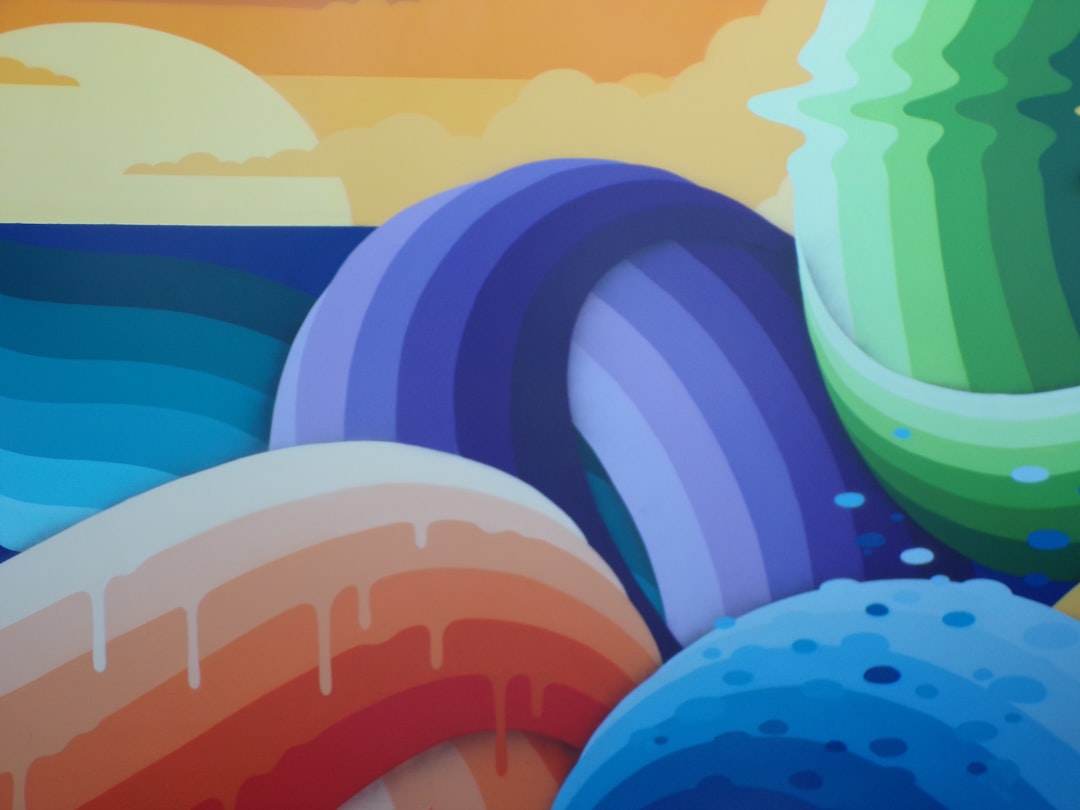
170 Murals and Counting: The SHINE Effect
Since 2015, the SHINE Mural Festival has turned St. Pete’s downtown into what amounts to an open-air gallery. Artists — local, national, international — descend every November to paint large-scale works on building walls, and the murals stay. Walk the streets any month of the year and they’re there, covering entire facades in the Warehouse Arts District and beyond.
The Warehouse Arts District itself deserves a wandering afternoon. South of downtown, former industrial spaces have been converted into working studios and galleries. It’s the opposite of a curated art experience — you’re walking past open doors where people are actually making things. Nationally recognised glass sculptor Duncan McClellan has a studio here, and on First Saturday ArtWalks the whole neighbourhood opens up with pop-up galleries and conversations you wouldn’t get in a museum gift shop.
The Grand Central District, a few blocks west, adds another layer. This is the heart of St. Pete’s LGBTQ+ community, and it has the eclectic energy to show for it — rainbow flags above vintage shops, natural wine at Hawthorne Bottle Shop, craft beer spilling out of small-batch taprooms. The murals here tend toward the political and personal, which makes them arguably more interesting than the show-piece pieces downtown.
→ Self-guided SHINE mural walking tour
Jazz Age Ambition on the Waterfront
The Vinoy Renaissance Resort is the building that tells St. Pete’s origin story. Opened on New Year’s Eve 1925, it was — at $3.5 million — the largest construction project in Florida history at the time. Mediterranean Revival style: arcades, a commanding tower, terracotta rooflines, and a ballroom that was built to announce that this city meant to matter.
The legend goes that the hotel was born from a wager between its builder, Aymer Vinoy Laughner, and golf champion Walter Hagen at a party on Beach Drive. Whether or not that’s true, the result is a building that radiates the particular confidence of 1920s Florida — a belief that sunshine and ambition were sufficient foundation for a world-class city.
You can tour the hotel’s public spaces freely, and a guided history tour is available that walks you through the Jazz Age context. But the real pleasure is simpler: walk Beach Drive from the Vinoy south past the Dalí Museum at dusk. The sun drops behind the bay, the pink stone catches the last light, and you understand what those early city planners were imagining. It holds up.
The Cuban Sandwich Trail (and What’s Next to It)
Tampa Bay’s Cuban food tradition isn’t a tourist attraction — it’s a daily reality that predates St. Pete’s art scene by a century. The Cuban sandwich here is a point of local pride, and the best versions are found in places that haven’t bothered updating their signage.
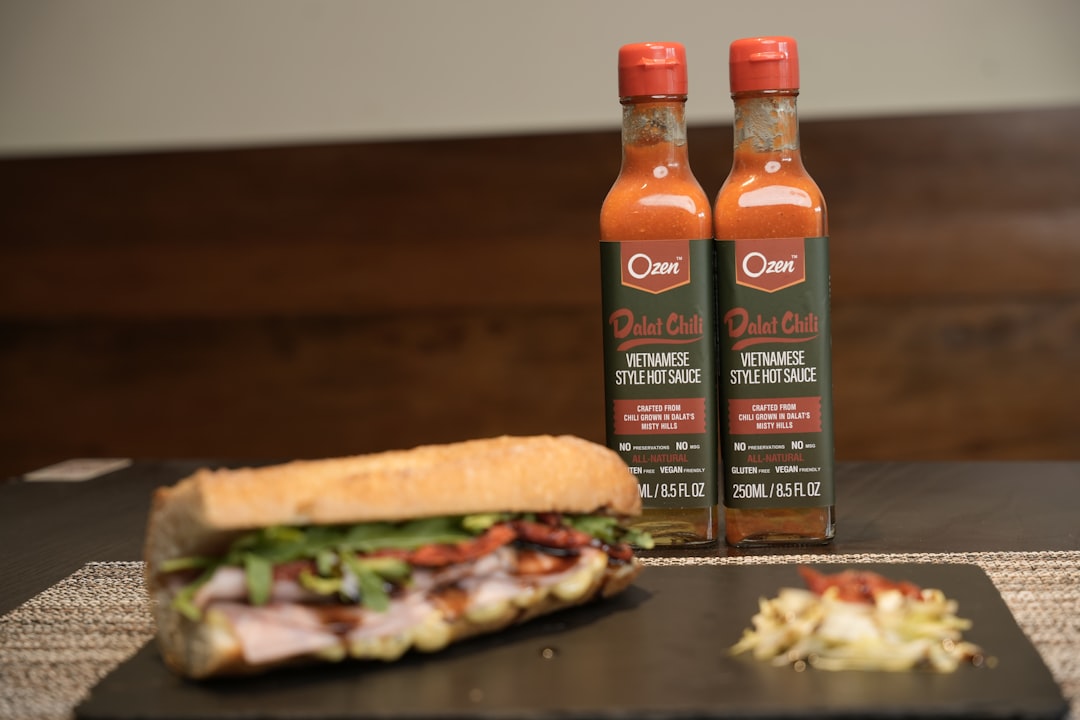
Simply Delicious, a country market with no indoor seating, makes one of the best Cubans in the region. Thinly sliced ham, perfectly seasoned pork, pressed until the bread gives just right. You eat it standing or in your car and it’s still better than most sit-down lunches. Pipo’s The Original Cuban Cafe, out toward Bay Pines, is another — off the beaten path, proper portions, the kind of place where regulars know the order before they say it.
La Segunda Bakery, an outpost of the Ybor City institution, does café con leche and pastries that connect you to Tampa Bay’s Cuban-bakery lineage in a single bite. Get there early. It’s worth the queue.
Beyond Cuban, the food scene here surprises. Urban Stillhouse in the Warehouse Arts District is a bourbon distillery, restaurant, and tasting room in a converted industrial space — bourbon-inspired cuisine that shouldn’t work as well as it does. And the Imagine Museum, which sits just next door to the Dalí and focuses entirely on contemporary studio glass art, is practically empty most days. Spend an hour. You’ll have the galleries largely to yourself.
Where to Sleep and When to Go
Downtown / Beach Drive corridor is the obvious base, and it’s obvious for good reasons. The Vinoy Renaissance is the splurge — you’re sleeping inside the city’s architectural centrepiece. The Avalon, an Art Deco boutique with just 34 rooms, offers character without the price tag. Hyatt Place Downtown is the reliable mid-range pick, walkable to everything that matters.
→ Browse downtown St. Petersburg hotels on Booking.com
Grand Central District puts you in the more local, more affordable part of the city — walkable to galleries, craft breweries, and restaurants that haven’t been discovered by the hotel concierge yet. If you’d rather drink natural wine than watch a sunset from a resort lobby, stay here.
→ Hotels near Grand Central District on Booking.com
Timing matters. Late October through April is the window. Winter highs sit around 72°F, rain is scarce, and the walking is comfortable — which matters, because you’ll be doing a lot of it. November is the sweet spot: SHINE Mural Festival, thin crowds, and warm-enough beach weather if you want an afternoon off from culture. Summer is cheap, but the afternoon storms are relentless and the humidity will have you retreating indoors by 2pm.
The Clearwater Jazz Holiday lands in October — four days of jazz, funk, and soul across the bay — and spring training baseball runs February through March if that’s your thing. For a very different Florida city, St. Augustine was founded in 1565 and pairs a Spanish colonial core with the history of Fort Mose.
Ready to Plan Your Trip to St. Petersburg?
You’ve done the reading. Here’s everything you need to make it happen.
🎟️ What to Book in Advance
- Dalí Museum skip-the-line admission
- Sunset and dolphin cruise on Tampa Bay
- Browse more St. Petersburg experiences on Viator
Some links in this post are affiliate links. If you book through them, CuriosityTrail earns a small commission at no extra cost to you. Recommendations are chosen on merit; commissions never decide what’s included.