Two Days in Bruges (Plus Ostend): Lace, Chocolate, and the Canals Most Visitors Miss
Quick Essentials
- 📍 Best Time to Visit: Late April through early June — the gardens are blooming, the boat tours are running, and the day-trippers from Brussels haven’t overrun the canal paths yet.
- ✈️ Getting There: Search flights on Skyscanner | Direct from New York, Chicago, Washington — then a 1-hour train to Bruges from Bruxelles-Midi
- 🏨 Where to Stay: Browse Bruges hotels on Booking.com
- 🎟️ Don’t Miss: Chocolate truffle-making workshop on GetYourGuide
- 💰 Budget Range: €150–€280 per day for comfortable mid-range to boutique hotel travel
Why Bruges Rewards the Slow Traveler
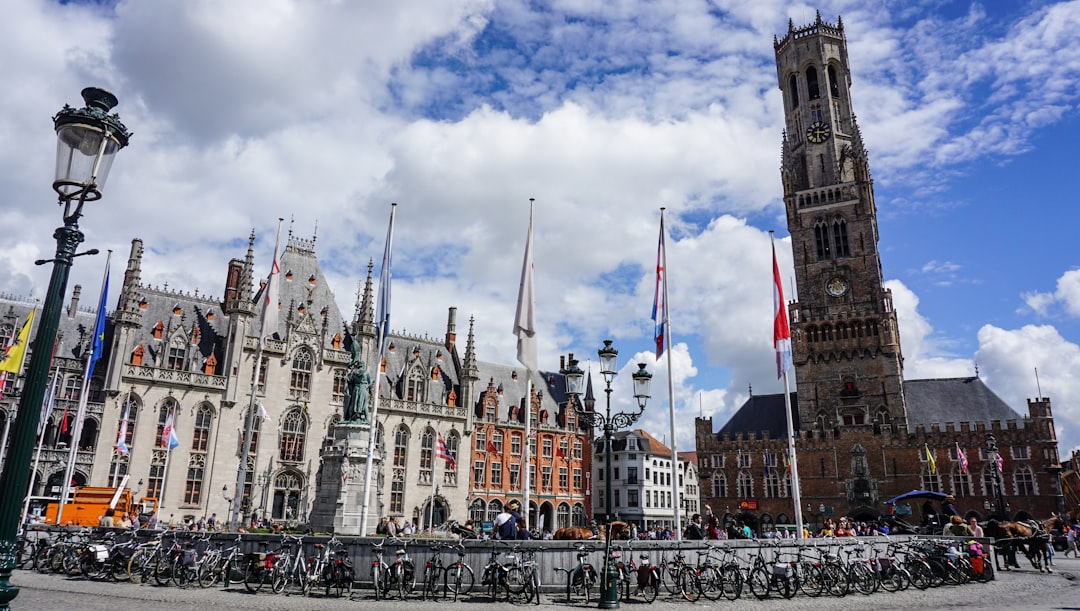
Most people visit Bruges on a day trip. They take the train from Brussels, photograph the Belfry, buy a box of chocolates on the Markt, eat a waffle, and catch the 16:12 back. They’re not wrong to come, but they’re wrong to leave that fast.
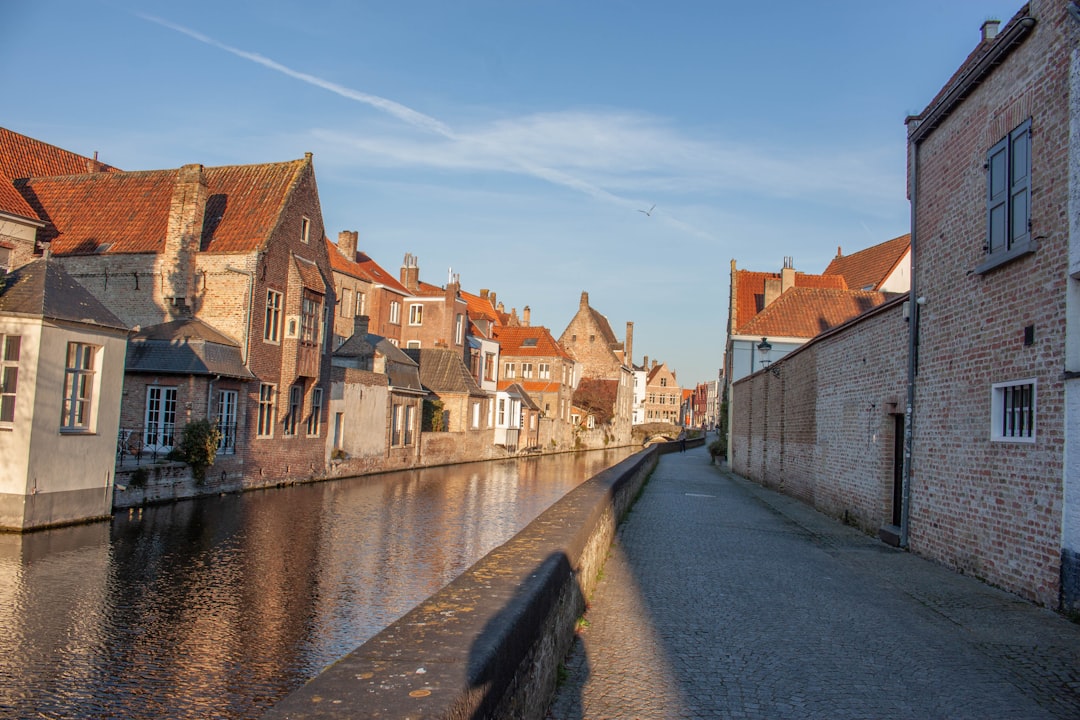
Bruges is a city that reveals itself in the off-hours. At seven in the morning, when the canal water is still and the Groenerei is empty, you can hear the swans. By nine, the cobblestones are crowded. The question isn’t whether Bruges is worth visiting — eight million people a year answer that — but whether you’re willing to stay long enough for the city to stop performing for you.
This is a two-day itinerary built around three things Bruges does better than almost anywhere else in Europe: its medieval textile heritage, its serious chocolate culture, and its canals. With a day trip to Ostend on the coast, because the Belgian seaside is stranger and more interesting than anyone gives it credit for.
Walking the Threads: Bruges’ Medieval Textile Heritage
Bruges doesn’t advertise this well, but the Belfry you climb for the view was originally a watchtower for the textile trade. The building beneath it — the Cloth Hall — is an 84-meter-deep rectangle where English wool was bought, Flemish cloth was sold, and medieval fortunes were made. By the thirteenth century, Bruges was the epicenter of Europe’s textile industry. The canals weren’t scenic infrastructure; they were shipping lanes.
Start at the Gruuthusemuseum, which sits in a Gothic palace that once belonged to the family who held the monopoly on gruit, the herb mixture used to flavor beer before hops took over. Inside, more than thirty tapestries — most of them woven right here in Bruges — hang alongside a lace collection of roughly 1,200 pieces. The museum traces the full arc from raw Flemish cloth to the intricate bobbin lace that later made the city famous.
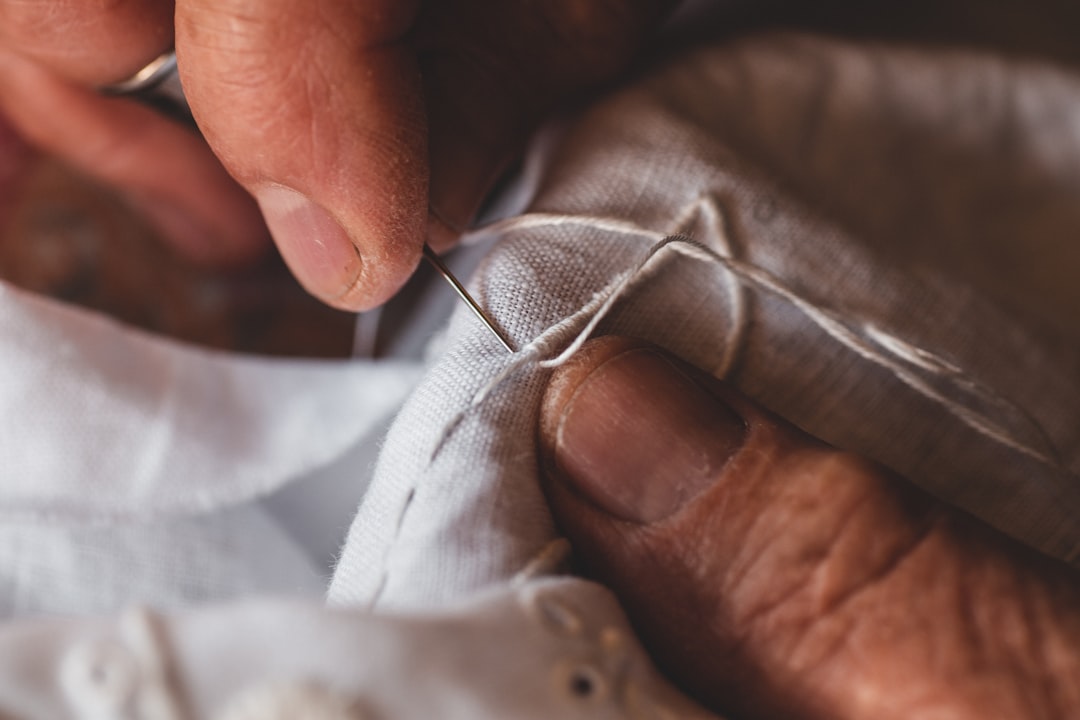
Then walk to the Kantcentrum, the Lace Centre, near the Jerusalem Chapel. It’s tucked into a row of interconnected old cottages that look like they’ve been standing since the cottages actually were standing — because they have. Every afternoon from two to five, lacemakers sit in the workshop and demonstrate bobbin techniques that date back to the sixteenth century. There’s no glass barrier. You can watch the bobbins clatter and ask questions. Bruges developed more than 1,500 distinct lace patterns using silk, silver, and gold thread, and this is the rare place where the craft still breathes.
If you have sharp eyes and a willingness to wander, find the medieval wooden façades on Genthof and Kortewinkel. Two of the last surviving medieval timber fronts in a city that rebuilt itself in stone. They’re easy to walk past. Don’t.
The Chocolate Trail Worth Following
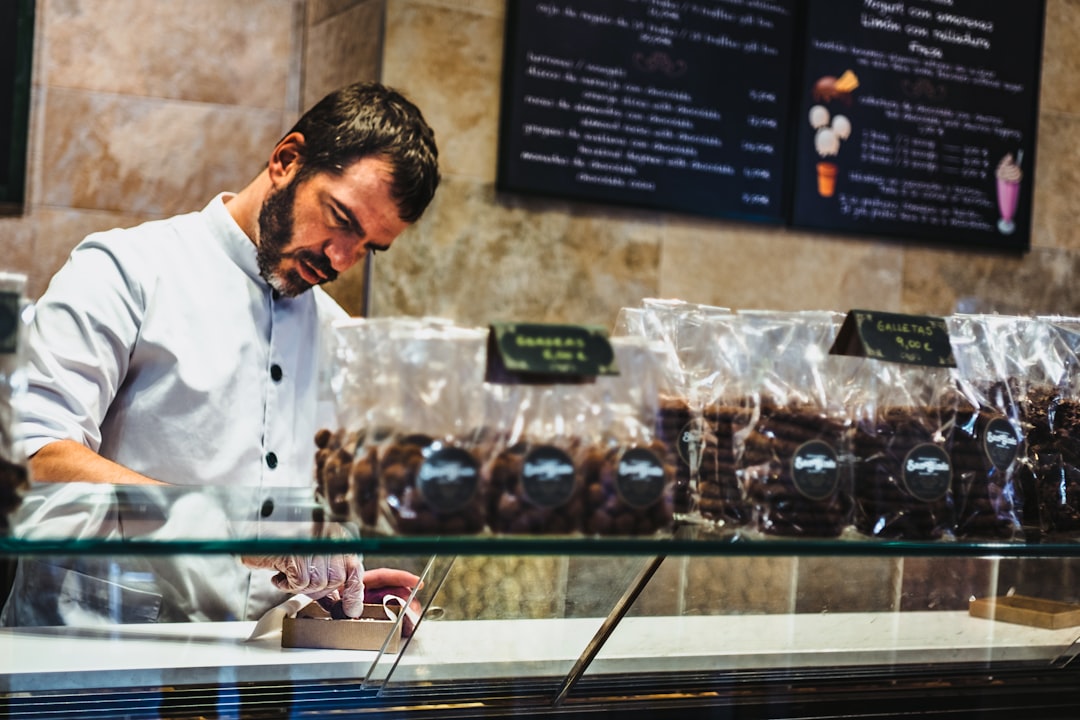
Bruges has more chocolate shops per square meter than almost any other city, and most of them are selling the same industrially produced pralines in different boxes. The trick is knowing which three or four are actually making chocolate in the back room.
Sukerbuyc is one of the oldest chocolatiers in the city and still does everything from scratch in their own atelier. The pralines taste handmade because they are — slightly imperfect shapes, flavors that shift with the seasons. Dumon runs three locations and hits the sweet spot between artisanal quality and approachable pricing. Their dark chocolate with sea salt is the one to bring home.
For the adventurous, The Chocolate Line pushes into territory that will either delight or alarm you: wasabi, Szechuan pepper, bacon. Not all of it works, but the ones that do are worth the gamble. Order a tasting box and let the chocolatier choose.
The best way to understand what separates Belgian chocolate craft from the souvenir-shop version is to make it yourself. A two-hour chocolate truffle-making workshop lets you temper, fill, and finish your own pralines under the guidance of a working chocolatier. Chocolate truffle-making workshop in Bruges
Canal-Side Bruges: Where to Walk, When to Float
The canals in Bruges date to the ninth century, though most of the current network was dug in the twelfth. Unlike Venice, there’s no crowd management problem here. The trick is timing.
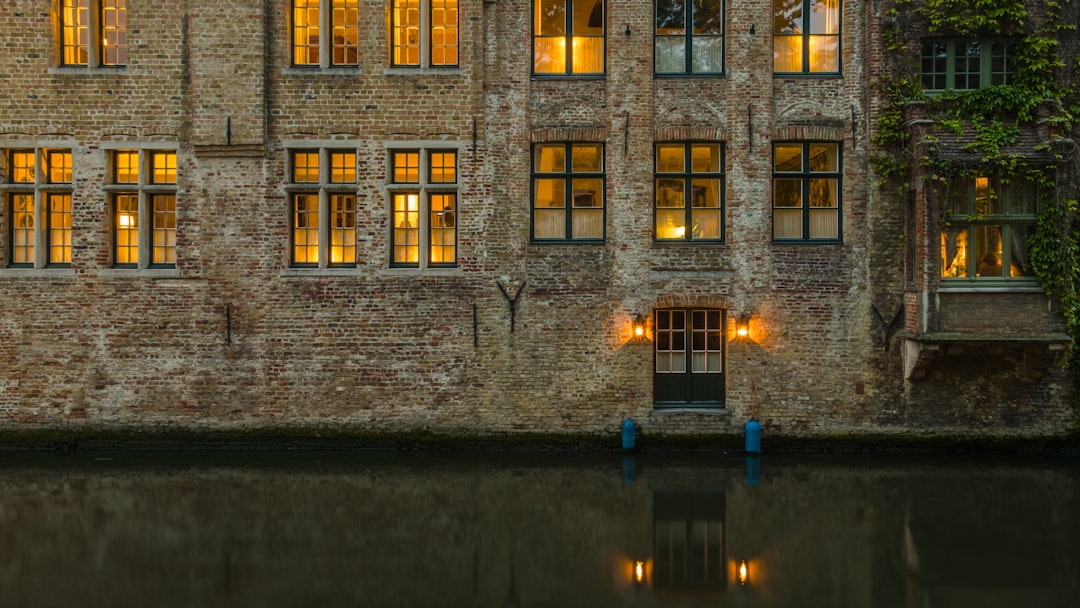
Walk the Groenerei and the Augustijnenrei at dawn. Rozenhoedkaai — the most photographed spot in the city — is genuinely beautiful when there’s nobody else there. The reflections are sharper, the light is better, and you can actually stand still long enough to take it in. By mid-morning, guided groups fill the bridges and the spell breaks.
The canal boat cruises run daily from March through mid-November, ten to six, and they’re worth doing even if you’re not usually a boat-tour person. Thirty minutes, narrated, departing from multiple quays between Jan van Eyckplein and the Begijnhof. The route passes the Church of Our Lady, the Belfry, and a sequence of guild houses that look better from the water than from the street. Bruges canal boat cruise
Jan van Eyckplein itself is worth a stop. Named for the painter who lived here, the square is often overlooked in favor of the Markt. It’s quieter, ringed with cafés that face the canal, and the medieval architecture is just as good without the crowds.
Eating and Drinking Like a Local
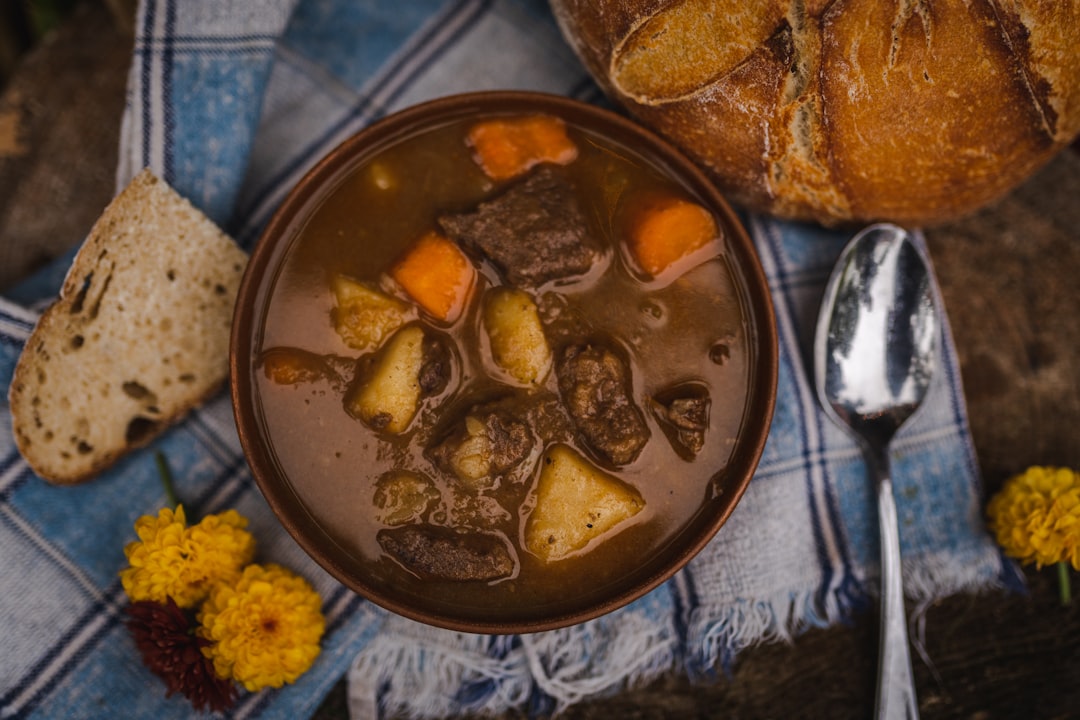
Carbonade Flamande — known locally as stoverij — is a slow-braised beef stew made with dark Belgian beer instead of wine. It’s richer and more complex than its French counterpart, and Bruges does it well. Cambrinus, on the Markt, is the place for this: a historic pub with more than 400 beers on the menu, including Westvleteren if you’re lucky enough to find it chalked on the board. That particular Trappist ale is brewed in tiny quantities at the Abbey of Saint Sixtus and is arguably the most sought-after beer in the world. Order it if you see it.
Moules-frites needs no introduction, but Le Chef et Moi on the Dijver canal does them with enough care to make the cliché worthwhile. The rabbit in beer sauce is also excellent here.
Try waterzooi at least once — a creamy stew, originally from Ghent, that works equally well with seafood or chicken. It’s lighter than the carbonade and makes a good lunch when you want substance without the heaviness.
For chocolate that isn’t a praline, order a proper hot chocolate at any café that makes it from real cocoa rather than powder. In Bruges, you can usually tell by the price — the real ones cost more and taste like it.
Day Trip: Ostend and the Belgian Coast
The train from Bruges to Ostend takes fifteen minutes. That’s it. You can leave after a morning coffee, spend the day on the coast, and be back in time for dinner on the canals.
Ostend is not a pretty town in the postcard sense. It’s a working Belgian seaside city with a long promenade, white-sand beach, and an architectural personality that mixes Belle Époque holdovers with mid-rise concrete. But it has two things that make it worth the short ride.
First, Mu.ZEE. This modern art gallery holds a strong collection of Belgian art — look for James Ensor, whose house you can also visit nearby. Ensor’s expressionist and surrealist work was radical in its time, and seeing it in his home city adds context that museums elsewhere can’t provide.
Second, the Atlantikwall. Part of the German defensive line built during the Second World War, this complex of bunkers and trenches along the coast has been preserved as an open-air museum. It’s a stark contrast to the beach promenade a few hundred meters away, and it’s the kind of site that experienced travelers find more rewarding than another cathedral.
Lunch should be seafood. Ostend’s maritime heritage means the restaurants along the waterfront actually know what they’re doing with it. Pick a place where the locals are eating, not the one with the English menu displayed outside.
Staying in Bruges
Hotel de Tuilerieen. Forty-five rooms in a fifteenth-century building on the canal, next door to the Groeningemuseum. The rooms are boutique without being fussy, the location is central without being noisy, and the canal views are the kind you came to Bruges for. Hotel de Tuilerieen on Booking.com
Relais Bourgondisch Cruyce. One of the most opulent small hotels in the city, sitting where two canals meet. Antique-filled rooms, old-world service, and the sort of breakfast that makes the room rate feel justified. Relais Bourgondisch Cruyce on Booking.com
Sint-Anna Quarter (the quieter option). If you’d rather be in a residential neighborhood with actual Bruges residents for company, the hotels around Sint-Anna and Ezelstraat deliver calm and value. Hotel Van Cleef is a reliable pick — clean, well-priced, and close enough to walk everywhere without being in the middle of everything. Hotels in Sint-Anna, Bruges on Booking.com
When to Go
April through June is the window. May is ideal: the weather has stabilized, the gardens along the canal paths are in bloom, and hotel prices haven’t hit their summer peak. September and early October work well too — warm days, smaller crowds, and lower rates.
One date worth planning around: the Procession of the Holy Blood on Ascension Day. In 2026, that falls on April 12. It’s one of Belgium’s most important religious festivals — medieval costumes, biblical reenactments, and a venerated relic paraded through the streets. Bruges takes it seriously, and the crowds that gather for it are pilgrims and locals, not tour groups. It transforms the city for a day.
Winter brings the Christmas Market on the Markt. It’s smaller and more charming than Brussels’ version. Early December is the sweet spot — festive atmosphere, manageable crowds, and the canals look extraordinary in the cold light.
Ready to Plan Your Trip to Bruges?
You’ve done the reading. Here’s everything you need to make it happen.
🎟️ What to Book in Advance
- Chocolate truffle-making workshop in Bruges
- Premium city bike tour with a local guide
- Browse more Bruges experiences on Viator
Some links in this post are affiliate links. If you book through them, CuriosityTrail earns a small commission at no extra cost to you. Recommendations are chosen on merit; commissions never decide what’s included.