Visiting Wilmington, Delaware: A Complete Guide
Quick Essentials
- 📍 Best Time to Visit: Late April through early June — Longwood Gardens hits full bloom, the Wyeth studio tours reopen, and the humidity hasn’t arrived yet.
- ✈️ Getting There: Search flights on Skyscanner | Direct from most East Coast hubs; Philadelphia International is 30 minutes north.
- 🏨 Where to Stay: Browse Wilmington hotels on Booking.com
- 🎟️ Don’t Miss: Wyeth Studio Tours at the Brandywine Museum of Art on GetYourGuide
- 💰 Budget Range: $180–$350 per day for comfortable mid-range to splurge-worthy dining and hotel stays.
Wilmington doesn’t announce itself. That’s the first thing. You drive in from Philadelphia — twenty-five minutes on I-95 — and there’s no skyline moment, no harbor reveal, nothing that makes you reach for your phone. The city just appears: a cluster of mid-rise buildings, a river you didn’t expect, a hotel marquee that looks like it wandered in from 1913. Which it did.
But here’s what stands out about Wilmington. The du Pont family spent the better part of two centuries building something extraordinary in this valley, and then, remarkably, they left it all open for anyone to walk through. The mansions. The gardens. The art. The factories where the fortune started. It’s an American dynasty on full display, and the strange part is that so few people outside the mid-Atlantic know it’s here.
Add to that a Brandywine Valley art scene anchored by three generations of Wyeths, a downtown dining revival led by a handful of ambitious kitchens, and a riverfront that’s gone from industrial afterthought to the best spot in the city for a Friday evening — and you’ve got a place that quietly earns its keep. Wilmington doesn’t shout. It doesn’t need to.
The du Pont Inheritance
Three estates define the du Pont story here, and they’re different enough that seeing all three actually makes sense.
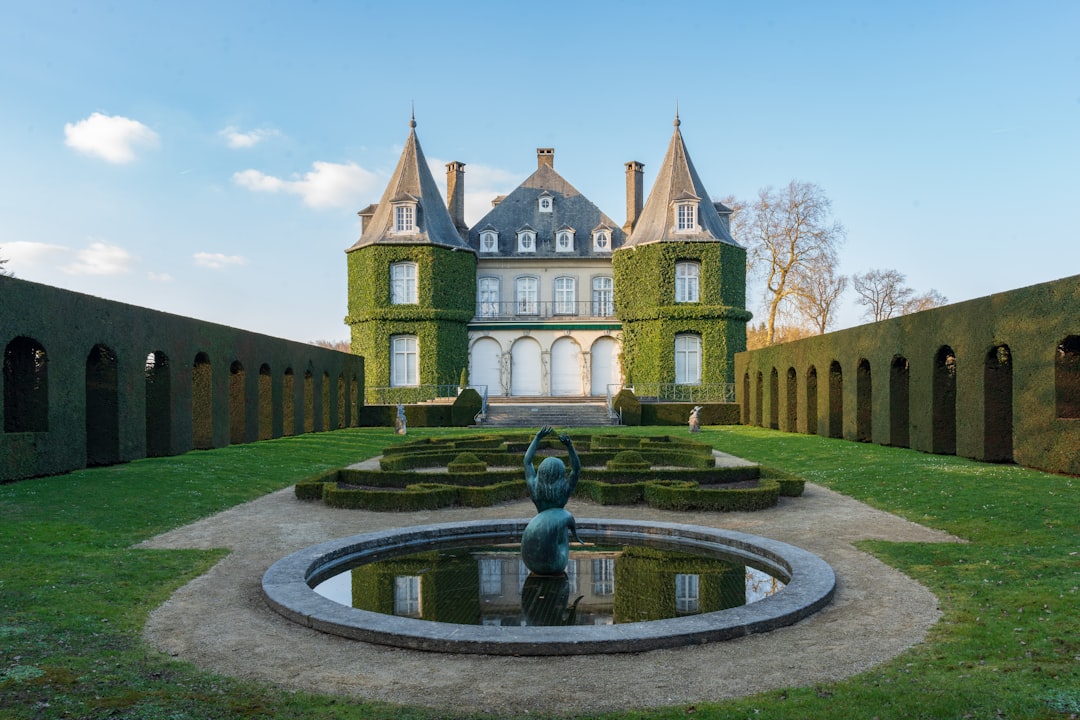
Nemours is the one that stops you. Alfred I. du Pont built this 77-room French château in 1910 for his wife, and it’s exactly as grand as that sounds. The interiors are lavish — gilded ceilings, period furniture, art that would hold its own in a museum — but it’s the gardens that really land. The largest formal French garden in North America stretches behind the house, and standing at the top of the colonnade looking down a quarter-mile of reflecting pools and fountains, you understand why people call it America’s Versailles. The comparison isn’t wrong.
Winterthur plays a different card. Henry Francis du Pont turned his country estate into a 175-room showcase for American decorative arts — furniture, textiles, silver, ceramics arranged in period rooms that feel genuinely lived-in rather than roped-off. The gardens here are 60 acres of naturalistic plantings, and the open tram ride through them is one of those experiences that’s better than it sounds on paper.
Hagley, the one most people skip, might be the most interesting of the lot. This is where the DuPont Company started — gunpowder mills on the Brandywine River, the family’s first American home from 1803, live demonstrations of how black powder was made. If Nemours and Winterthur show you what the du Pont fortune built, Hagley shows you where it came from. That context matters.
The Wyeth Trail
The Brandywine Museum of Art sits in a converted gristmill on the banks of the Brandywine Creek, which is exactly the kind of setting Andrew Wyeth would have painted. He did, in fact, paint it — and this museum holds the largest collection of Wyeth family work anywhere. N.C., Andrew, Jamie — three generations, one landscape, and a body of work that reshaped American realism.
What elevates a visit beyond the galleries are the studio tours, running April through November. The Andrew Wyeth Studio is preserved as he left it — brushes, pigments, half-finished work. The N.C. Wyeth House and Studio gives you the room where Howard Pyle’s most famous student painted Treasure Island and Robinson Crusoe. And Kuerner Farm, where Andrew spent seven decades painting the same fields, the same buildings, the same light — that’s where you feel the obsession.
New for 2026: the N.C. Wyeth Mural Experience, built around Apotheosis of the Family, a 19-by-60-foot mural that is the largest work the artist ever created. Worth rearranging your day for. → Book Wyeth Studio Tours on GetYourGuide
Longwood Gardens: Pierre du Pont’s Obsession
Another du Pont, another obsession, another masterpiece left for the rest of us. Pierre du Pont bought this land in 1906 to save a collection of historic trees from being logged, then spent the next forty years building what is now one of the world’s great horticultural displays. A million visitors come every year. They’re right to.
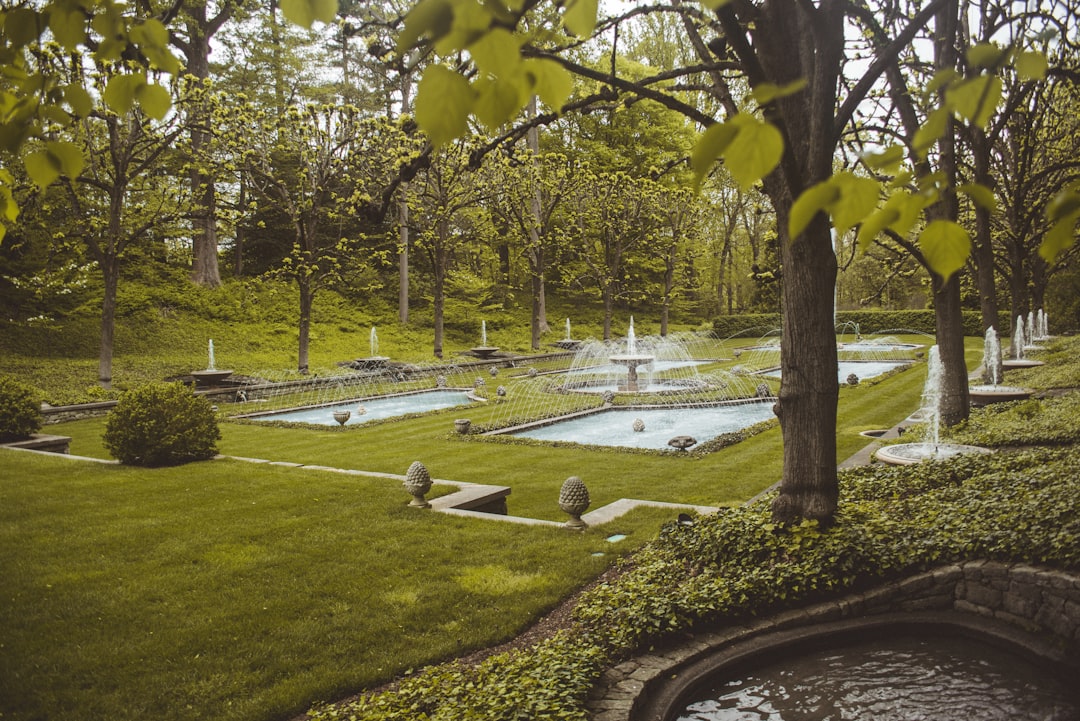
The Conservatory alone justifies the trip — 4.5 acres under glass, with collections that shift seasonally. But the real spectacle runs outdoors. The Festival of Fountains, operating Fridays through Sundays until November, sends 750 jets through choreographed patterns at the Open Air Theatre. On select August and September evenings, they add fireworks. It’s theatrical in the best way.
A practical note: the new Gardens by Day & Night ticket (Fridays–Sundays, through October 25, 2026) lets you see the grounds in daylight and return for the illuminated gardens after dark on a single admission. Clever ticket. Worth the upgrade. → Book Longwood Gardens tickets on GetYourGuide
Riverfront Revival
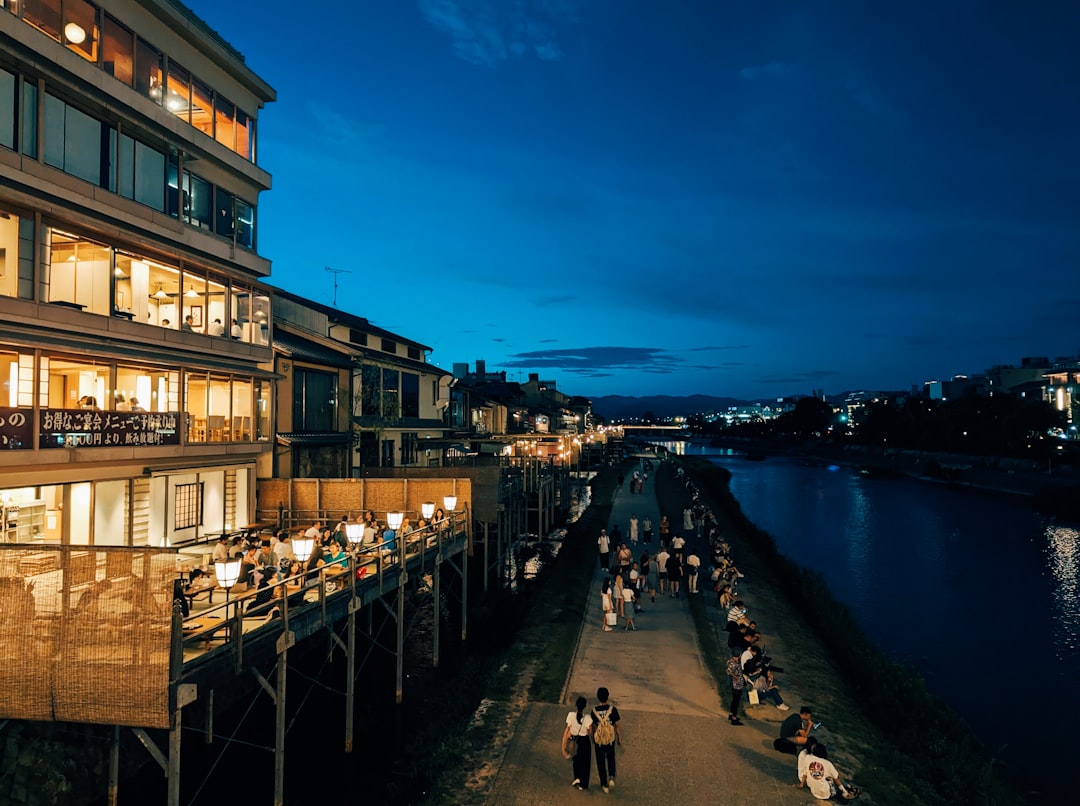
The Christina River waterfront used to be Wilmington’s industrial backyard. Now it’s the dining district, and while the transition is still finding its feet in places — there are stretches that feel more parking lot than promenade — the restaurants that have landed here are genuinely good.
Banks’ Seafood Kitchen & Raw Bar has become the anchor. The raw bar is serious — jumbo shrimp, ahi tuna tartare, oysters that change with the season — and the riverfront views from the dining room don’t hurt. Pan-seared rockfish is the move here.
Big Fish Grill has been on the riverfront longer than most and keeps earning its spot. The crab cakes are award-winning for good reason, and the patio in warm weather is the best casual seat along the water.
Del Pez brings a different energy entirely — Mexican gastropub with a raw bar, weekend brunch, and street tacos that are better than they have any right to be in Delaware. Iron Hill Brewery rounds out the strip with craft beers and a patio overlooking the river.
Downtown, After Dark
The real dining, though — the kind that makes you rethink a city — happens downtown.
Le Cavalier at the Hotel du Pont occupies one of the most beautiful dining rooms on the East Coast. French-inspired brasserie fare served in a gilded, high-ceilinged space that hasn’t changed its bones since the hotel opened. The food matches the room, which is saying something. Order the steak frites and a proper cocktail and take your time.
Bardea Food & Drink is the other name that keeps coming up. Inventive Italian — housemade pastas, a wine list that leans Italian but wanders — in a buzzy room that feels more Philadelphia than Wilmington. This is the city’s most talked-about restaurant, and the talk is deserved.
For something less polished but no less good, Trolley Square Oyster House serves the neighborhood what it wants: oysters, craft beer, and unpretentious company. The kind of place where you’d end up on a recommendation from someone who actually lives here.
The Detours Worth Taking
Two spots that most visitors miss, and shouldn’t.
Old Swedes Church dates to 1698 — the nation’s oldest church still standing in its original form. The Tiffany stained-glass windows are beautiful, and the altar candles were a gift from the King of Sweden. It sits quietly along the Christina River, overshadowed by everything flashier, which is part of its charm.
The Delaware Contemporary is the antidote to all the historical grandeur. A scrappy contemporary art space on the Riverfront, it showcases Delaware’s living art scene — rotating exhibits, local and regional artists, a reminder that the Brandywine Valley’s creative energy didn’t stop with the Wyeths. Small gallery, big point.
And if you have an extra hour, drive fifteen minutes south to Historic New Castle and eat at Jessop’s Tavern. Colonial-era fare in a 17th-century building, servers in period dress, and dishes that nod to Delaware’s Dutch and Swedish roots. It could be gimmicky. It’s not. The food is better than you’d expect, and the cobblestone streets of New Castle deserve a wander.
Planning Your Trip
Wilmington is compact enough that three full days covers the essentials — one for the du Pont estates, one for the Brandywine Museum and Longwood Gardens, one for the city itself. A fourth day lets you breathe, which is the better way to travel.
The Brandywine Treasure Trail Passport (May 23–October 31, 2026) covers admission to twelve attractions including Longwood Gardens, Nemours, and Winterthur. If you’re seeing more than two estates, it pays for itself quickly.
Getting there is simple. Philadelphia International Airport is the closest hub, thirty minutes north. If you’re driving from D.C., it’s about ninety minutes. From New York, two hours. Parking at the estates is free and plentiful.
Where to Stay
Hotel du Pont. The landmark, century-old grande dame locals simply call “The Hotel.” 217 rooms, an onsite spa, Le Cavalier downstairs. Walking distance to the Delaware Art Museum and Rodney Square. If you’re going to do Wilmington, this is where you sleep. → Hotel du Pont on Booking.com
The Quoin Hotel. Boutique hotel in a converted bank building, terrace bar, private parking. A modern counterpoint to the du Pont — less gilded, more design-forward. Highly rated by couples. → The Quoin Hotel on Booking.com
Hyatt Place Wilmington Riverfront. For travelers who want to be steps from the riverfront restaurants. Clean, modern, practical — and substantially cheaper than the downtown boutiques. → Browse Wilmington Riverfront hotels on Booking.com
Ready to Plan Your Trip to Wilmington?
You’ve done the reading. Here’s everything you need to make it happen.
🎟️ What to Book in Advance
- Wyeth Studio Tours at the Brandywine Museum of Art
- Longwood Gardens Festival of Fountains tickets
- Browse more Wilmington experiences on Viator
Some links in this post are affiliate links. If you book through them, CuriosityTrail earns a small commission at no extra cost to you. Recommendations are chosen on merit; commissions never decide what’s included.