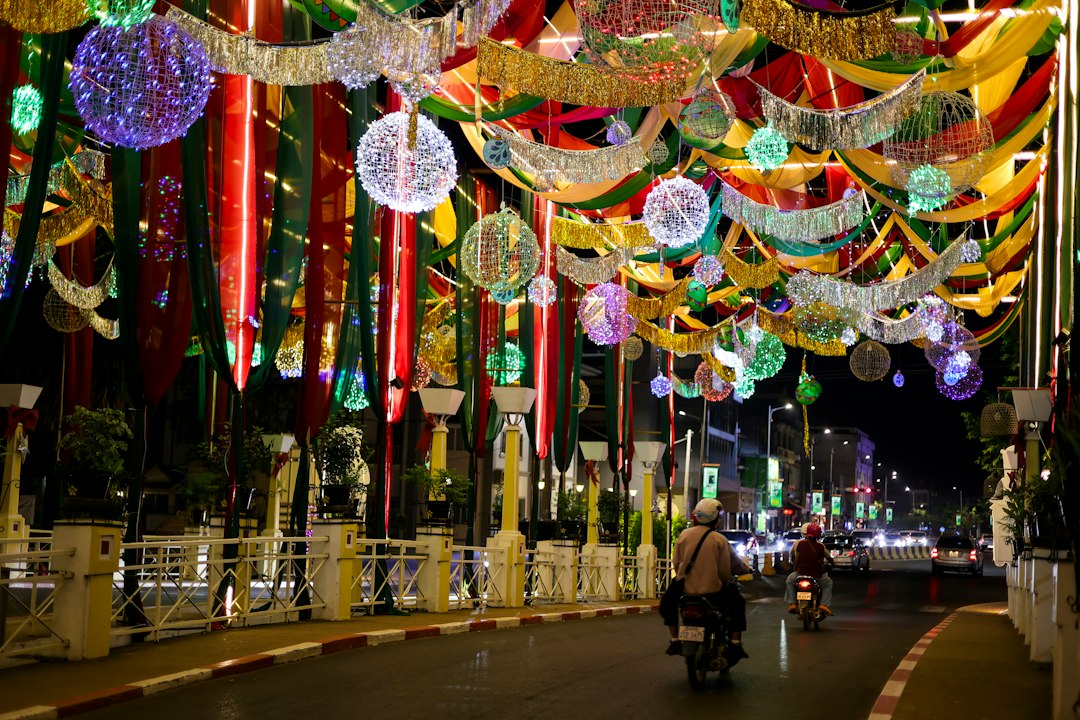
Visiting Siem Reap, Cambodia: A Complete Guide
Quick Essentials
- 📍 Best Time to Visit: November through February — dry skies, low thirties, and the Water Festival in November turns the whole city into a three-day party on the river.
- ✈️ Getting There: Search flights on Skyscanner | Direct from Bangkok, Kuala Lumpur, Ho Chi Minh City, and Singapore
- 🏨 Where to Stay: Browse Siem Reap hotels on Booking.com
- 🎟️ Don’t Miss: Khmer cooking class with market tour on GetYourGuide
- 💰 Budget Range: $60–$150 per day for mid-range to comfortable splurge
Siem Reap has a timing problem. Most visitors arrive with a two-day window — just enough to hit Angkor Wat at sunrise, loop through the main temple circuit, and leave feeling like they’ve ticked the box. And the temples do deserve the hype. That’s not the issue. The issue is that the town beyond the temple gates has quietly become one of the more interesting small cities in Southeast Asia, and almost nobody sticks around long enough to notice.
There’s a ceramics scene here now — real Khmer potters teaching traditional techniques in open-air studios. A cooking-class culture that goes deeper than the usual tourist-market-plus-wok routine. Floating villages on Tonle Sap that feel nothing like the sanitized boat tours you might expect. And a compact nightlife strip along Pub Street that, despite its reputation, functions more like a convivial town square than the sensory assault of Bangkok’s Khao San Road.
The case for lingering is simple: Siem Reap rewards an extra two or three days with experiences that have nothing to do with the twelfth century.
Temples, Yes — But Smarter
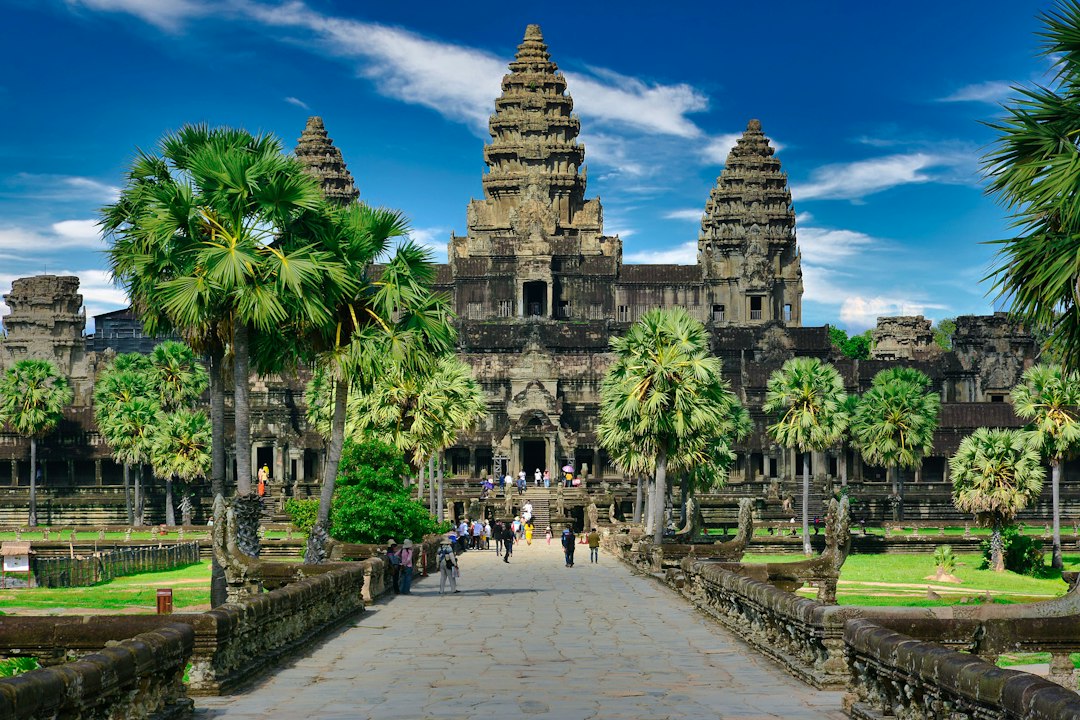
You already know you’re going to Angkor Wat. Everyone does. But the experienced move is to invert the standard circuit. Start with Banteay Srei — the small, exquisitely carved temple about 25 km north — and the Banteay Srei Butterfly Centre next door, which most visitors skip entirely on their way to the main attraction. Get there by 7:30 a.m. and you’ll share the place with a handful of photographers and exactly zero tour buses.
Ta Prohm gets the crowds for its strangler figs and Tomb Raider association, but arrive before 8 a.m. and the atmosphere shifts from tourist spectacle to something genuinely eerie. Hire a guide — not for the history you can read online, but for the hidden bas-relief galleries that most visitors walk right past. A good guide at Angkor Wat will route you through the third enclosure while the crowds are still queuing at the main entrance.
The Angkor Archaeological Park pass runs $62 for three days. Take all three.
Guided sunrise tour of Angkor Wat with hidden galleries
Cook It, Shape It, Watch It
The cooking classes in Siem Reap have matured past the generic tourist experience. The best ones start with a tuk-tuk ride to a local market — not the tourist-friendly Old Market, but the smaller wholesale markets where restaurateurs actually shop — and spend a full hour sourcing ingredients before you touch a burner. Le Tigre de Papier runs classes three times daily, and Village Cooking Class takes the whole thing out to a family compound in the countryside, which changes the experience entirely.
Khmer cooking class with market tour and countryside kitchen
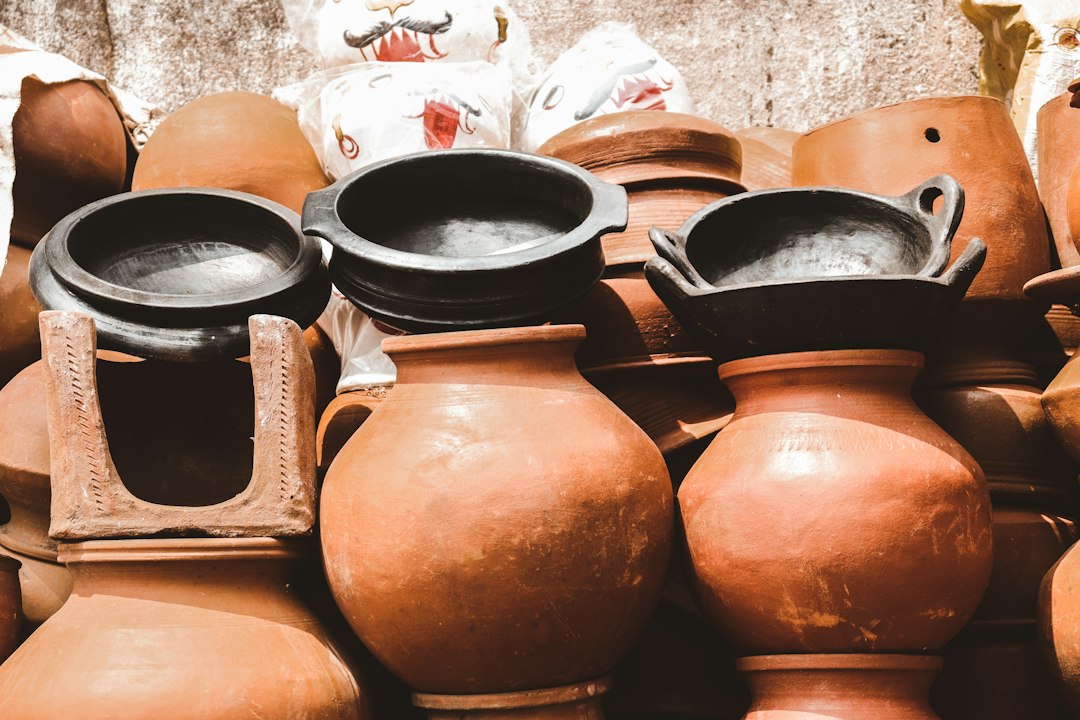
The Khmer Ceramics & Fine Arts Centre is the quiet surprise. This is not a paint-your-own-mug situation. You sit with traditional Khmer potters for two hours, working with clay the way it’s been worked in this region for centuries. The centre is part of a genuine ceramics revival — training young artisans in techniques that nearly disappeared during the Khmer Rouge era. No experience needed. What you make won’t be museum-quality, but the process is meditative and the context is humbling.
Then there’s Phare, the Cambodian Circus. The name undersells it completely. This is a world-class performance — acrobatics, theater, live music, contemporary dance — performed by graduates of Phare Ponleu Selpak, a vocational arts school that has genuinely changed lives in Battambang province. It runs nightly. Go.
Phare Cambodian Circus tickets
Life on the Water
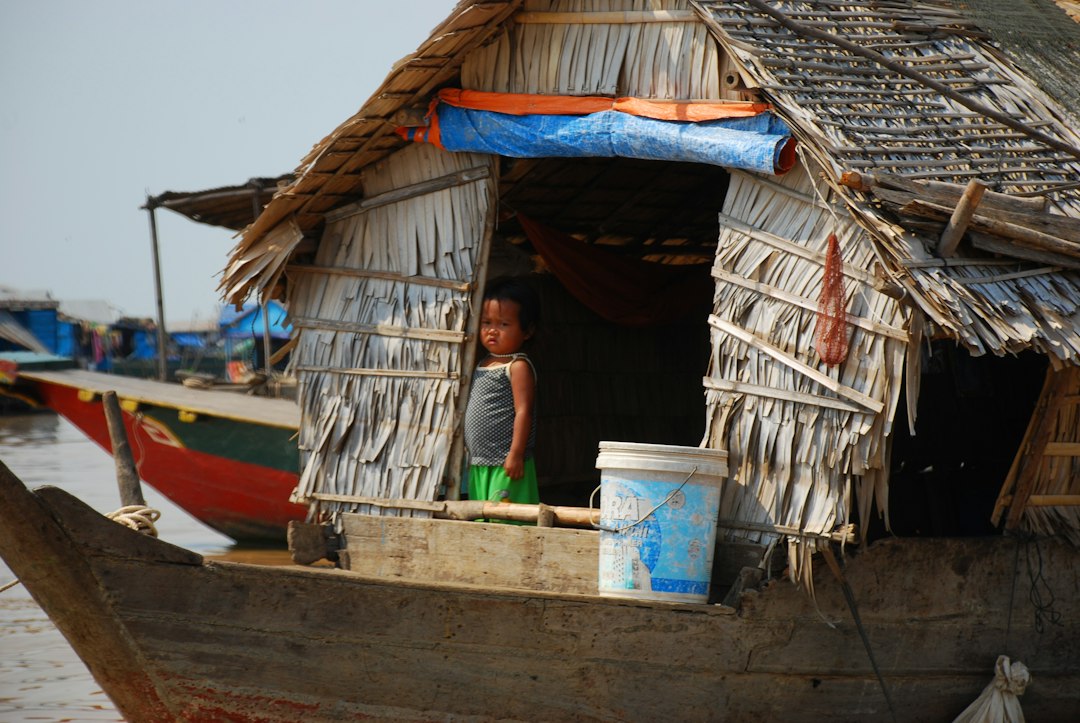
Tonle Sap is the largest freshwater lake in Southeast Asia, and during the monsoon season it swells to five times its dry-season size. The floating and stilted villages along its edges are real communities — schools, shops, fish farms, homes — that rise and fall with the water level. This is not a theme park. Treat it accordingly.
Prek Toal is the village worth seeking out. It’s farther from town than the better-known Chong Kneas (which has become heavily touristic), and the extra distance filters out the day-trippers. A good tour includes a boat cruise through the village, a visit to a family home for lunch, and — if you’re lucky — a lesson in weaving water hyacinth, the invasive plant that local women have turned into bags and mats. The sunset from the water is worth the mosquito repellent.
Tonle Sap floating village boat tour from Siem Reap
Go in the wet season (June through October) if you can. The lake is enormous, the vegetation is lush, and the villages float rather than perch. It’s a different experience entirely from the dry-season visit.
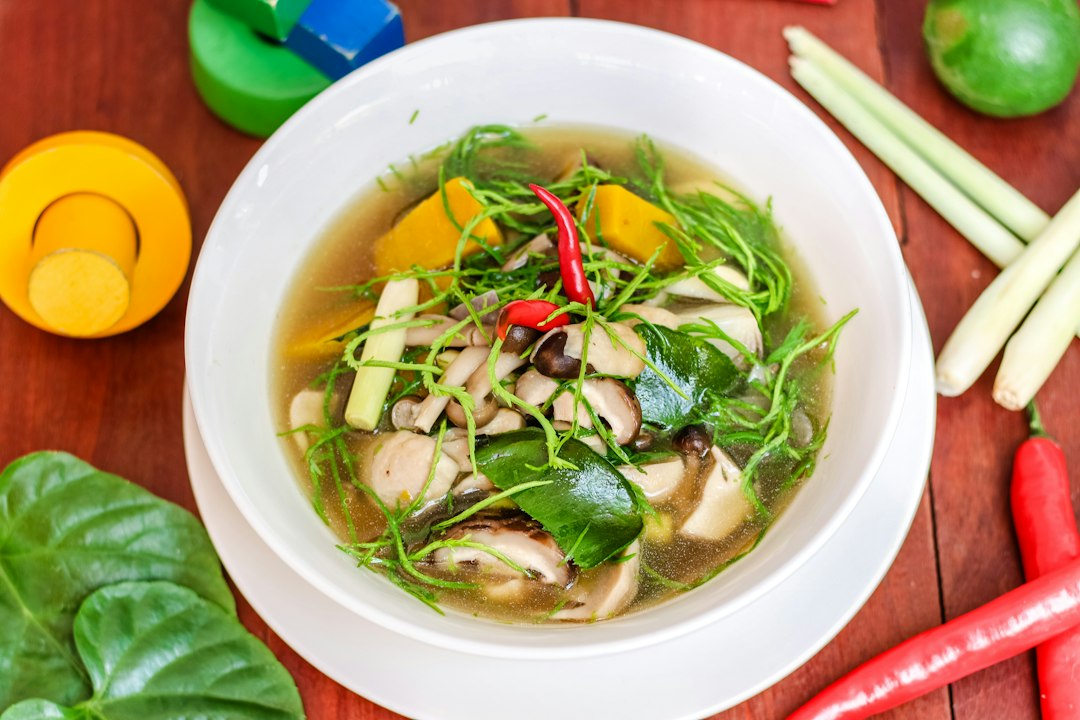
The Table: What to Eat and Where to Find It
Start your mornings the Cambodian way. Bai sach chrouk — grilled pork over broken rice with a side of pickled vegetables and a small bowl of clear broth — appears on street carts starting at dawn. Under $2. One of the great breakfasts of Southeast Asia.
For the signature dish, fish amok is everywhere, but quality varies wildly. The version at Cuisine Wat Damnak — Chef Joannès Rivière’s celebrated restaurant on the street of the same name — steams the fish in banana-leaf cups with a coconut curry, lemongrass, and slok ngor leaves that lifts the whole dish out of the ordinary. Reserve ahead. The restaurant only opens for dinner, Tuesday through Saturday, and the tasting menu changes weekly.
The Sugar Palm, a few blocks north, is the place for confident, no-fuss Khmer cooking at prices that feel almost absurd. The lemongrass roasted duck is succulent and delicate. Lok lak — cubed beef stir-fried with black pepper and lime — runs about $2 and comes with a fried egg that has no business being that good.
For the adventurous: lap Khmer. Cambodia’s answer to ceviche. Raw beef sliced thin, marinated in lime juice, and tossed with lemongrass, shallots, Asian basil, mint, green beans, and whole green peppercorns. It is sharp, bright, and a little dangerous-feeling in the best way.
And don’t overlook samlor korko, the national soup — thick with pounded rice, prahok (fermented fish paste), and whatever vegetables the season brings. You won’t find it on every tourist menu, but ask at the smaller family-run places and someone will have a pot on the stove.
Pub Street After Dark (It’s Not What You Think)
Pub Street has a reputation, and the reputation isn’t entirely wrong — there are dollar-beer signs and thumping bass at the tourist end. But walk past the first block and the street mellows into something unexpectedly pleasant. The lantern-lit alleys that branch off the main strip hold cocktail bars, live-music spots, and open-air restaurants where the volume drops and the quality rises.
Road 60 night market, about ten minutes south by tuk-tuk, is where locals actually eat after dark. Grilled skewers, fresh sugarcane juice, Khmer desserts involving coconut milk and sticky rice in quantities that suggest nobody here has heard of portion control. Prices are local. Atmosphere is local. Go hungry.
Where to Stay and When to Go
Wat Bo is the neighborhood. Leafy streets, design cafés, yoga studios, and a growing cluster of boutique hotels, all within walking distance of the Old Market and the river. It’s quiet in the morning and easy at night — exactly the balance you want in a town where the alarm goes off at 4:30 a.m. for temple sunrise.
Maison Polanka is the pick for character — just seven rooms, gorgeous retro-inspired interiors, and an in-house restaurant that could stand on its own. Maison Polanka on Booking.com
Babel Boutique Hotel runs hotter on the design scale — a turquoise pool ringed by art installations. Babel Boutique Hotel on Booking.com
If you want colonial atmosphere, the French Quarter delivers. Heritage Suites Hotel sits in a former townhouse with suites that include private jacuzzis or — this is not a typo — 8-metre swimming pools. Three blocks south of Pub Street: walkable but quiet. Heritage Suites Hotel on Booking.com
The one neighborhood to avoid for sleeping: Pub Street itself. The night noise is relentless and the value is poor.
Timing: November through February is the sweet spot. Dry, warm but not punishing, and the Water Festival (Bon Om Touk) in November is one of Cambodia’s best — boat races on the river, illuminated floats, fireworks, and a city-wide energy that’s contagious. If you can flex your dates, late October or early March gives you nearly the same weather with noticeably fewer visitors and better hotel rates.
Four days is the real minimum. Two for the temples. Two for everything else. Five is better.
Practical Notes
Cambodia uses the US dollar for almost everything tourist-facing. ATMs dispense dollars. Carry small bills — breaking a $50 at a street cart is not ideal. Khmer riel circulates for change under a dollar.
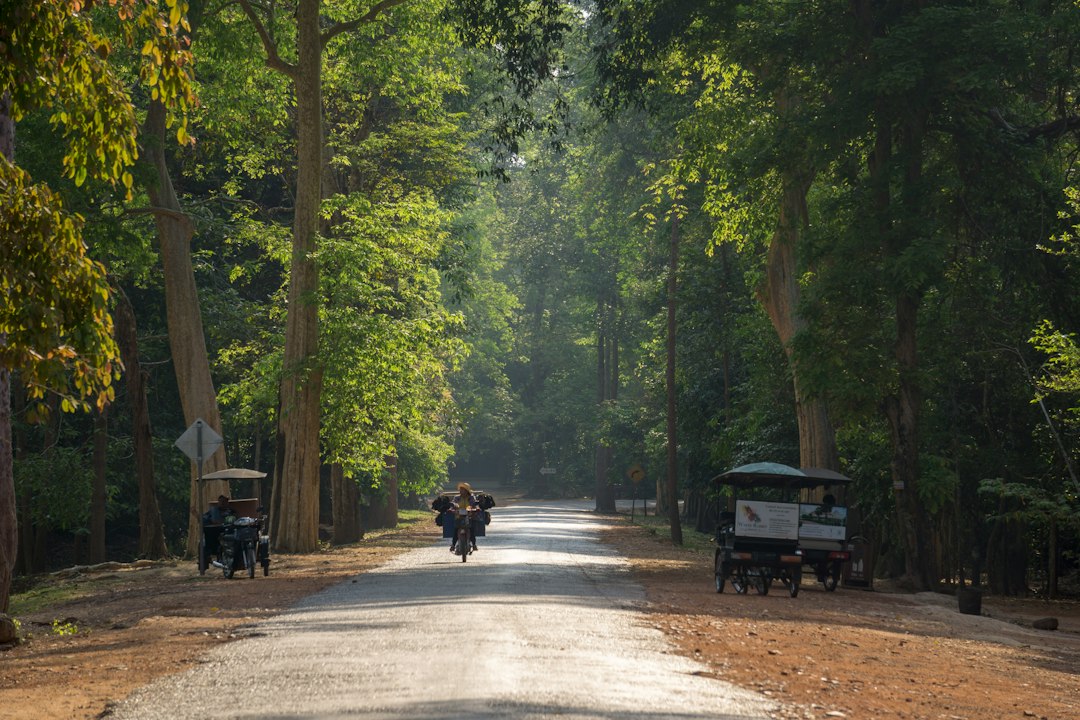
Tuk-tuks are the default transport and they’re excellent. Agree on a price before you go ($2–3 within town, $15–20 for a full day of temple touring). Many drivers double as informal guides and some are genuinely knowledgeable. If you find a good one, keep their number and use them for your whole stay.
Angkor temples require covered shoulders and knees. Pack a lightweight scarf — it doubles as sun protection.
Ready to Plan Your Trip to Siem Reap?
You’ve done the reading. Here’s everything you need to make it happen.
🎟️ What to Book in Advance
- Khmer cooking class with market tour
- Phare Cambodian Circus tickets
- Browse more Siem Reap experiences on Viator
📦 Pack Right
Sawyer Products Premium Insect Repellent — non-negotiable for Tonle Sap and evening temple visits.
Some links in this post are affiliate links. If you book through them, CuriosityTrail earns a small commission at no extra cost to you. Recommendations are chosen on merit; commissions never decide what’s included.