Mezcal, Mole, and the World’s Largest Pyramid: A Cholula Travel Guide
Quick Essentials
- 📍 Best Time to Visit: March through May — clear skies, volcano views sharp before 10 a.m., and crowds that haven’t found this place yet.
- ✈️ Getting There: Search flights on Skyscanner | Fly into Puebla (PBC) for a 15-minute ride, or Mexico City (MEX) with a 2-hour drive east.
- 🏨 Where to Stay: Browse Cholula hotels on Booking.com
- 🎟️ Don’t Miss: Great Pyramid archaeological zone and tunnel tour on GetYourGuide
- 💰 Budget Range: $60–$120 USD per day for mid-range comfort; $150+ for boutique hotels and rooftop dinners.
The One They Built a Church On
Most people fly to Mexico City, eat tacos al pastor, and go home satisfied. Fair enough. But two hours east, in the shadow of an active volcano, there’s a town that has been quietly accumulating layers — of civilization, of cuisine, of colonial ambition — for over two thousand years.
Cholula doesn’t announce itself the way Puebla does. No baroque cathedral dominating the skyline, no UNESCO placard at the city limits. What it has instead is a hill. A very large, very green hill, with a 16th-century Spanish church planted on its summit and a pre-Hispanic pyramid buried underneath — the largest in the world by volume, bigger at the base than Giza’s Great Pyramid, though you’d never guess it from the street.
The Spanish knew exactly what they were doing when they built the Iglesia de Nuestra Señora de los Remedios up there. So did the Cholultecs who built the pyramid beneath it, layer over layer, across seven centuries. Everything in this town is like that: one thing on top of another, not erasing what came before but pressing it into the foundation. You can feel it in the talavera tiles lining every other doorway, in the market stalls selling pipián beside espresso, in the mezcalerías that open onto plazas where Quetzalcóatl was once venerated.
It’s the kind of place that rewards you for slowing down. And the tunnels beneath the pyramid are a big part of the draw, though access has changed in recent years, so check before you go.
The Pyramid Hiding in Plain Sight
The Great Pyramid of Cholula doesn’t look like a pyramid. It looks like a park — families jog on the slopes, couples sit on benches, kids chase dogs across the grass. The church at the top gleams yellow against whatever the sky is doing. From a distance, you’d think it was just a hill with good taste.
Then you go underground.
More than eight kilometers of tunnels have been excavated beneath the surface. When the tunnel is open to visitors, walking through it is genuinely eerie — narrow stone corridors lit by bare bulbs, the air cool and mineral, layers of construction visible in the exposed walls. You can see where one civilization built on top of another, literally, across centuries of expansion. INAH’s site lists tunnel access as closed until further notice, so check before you go. The entry to the archaeological zone costs 210 pesos for general admission (105 for Mexican nationals and residents), and the full visit, including the Museo de Sitio and the climb to the church, takes three to four hours. Don’t rush it.
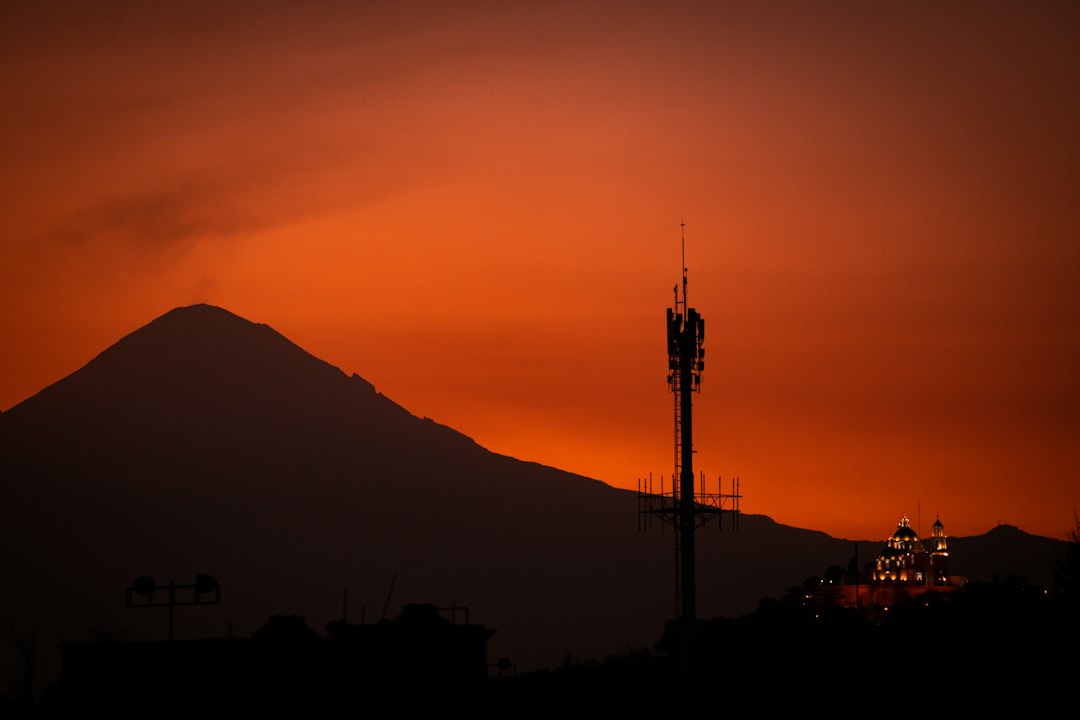
The climb to the Remedios church is worth the sweat for one reason: the view. On clear mornings — and they are almost always clear before 10 a.m. — Popocatépetl and Iztaccíhuatl fill the eastern horizon, snowcapped and faintly smoking. Most visitors arrive midday and see haze. Come early. The volcanoes at sunrise, with the church courtyard to yourself, is one of those moments that doesn’t need a caption.
→ Great Pyramid of Cholula archaeological zone and tunnel tour
Walking Cholula: Plazas, Talavera, and the 365 Problem
Locals will tell you Cholula has 365 churches — one for every day of the year. The real number is closer to 40, which is still absurd for a town this size. You don’t need to see them all. You need to see one: Santa María Tonantzintla, a short colectivo ride south.
From the outside it’s modest. Inside, it’s an explosion. Every surface is covered in gilded stucco — cherubs, pomegranates, birds, flowers, ears of corn — carved by indigenous artisans who took the Spanish baroque template and made it entirely their own. The faces on those cherubs are Mesoamerican. The fruit is tropical. It’s one of the most extraordinary church interiors in the Americas, and most day-trippers from Puebla never see it because they stop at the pyramid and leave.
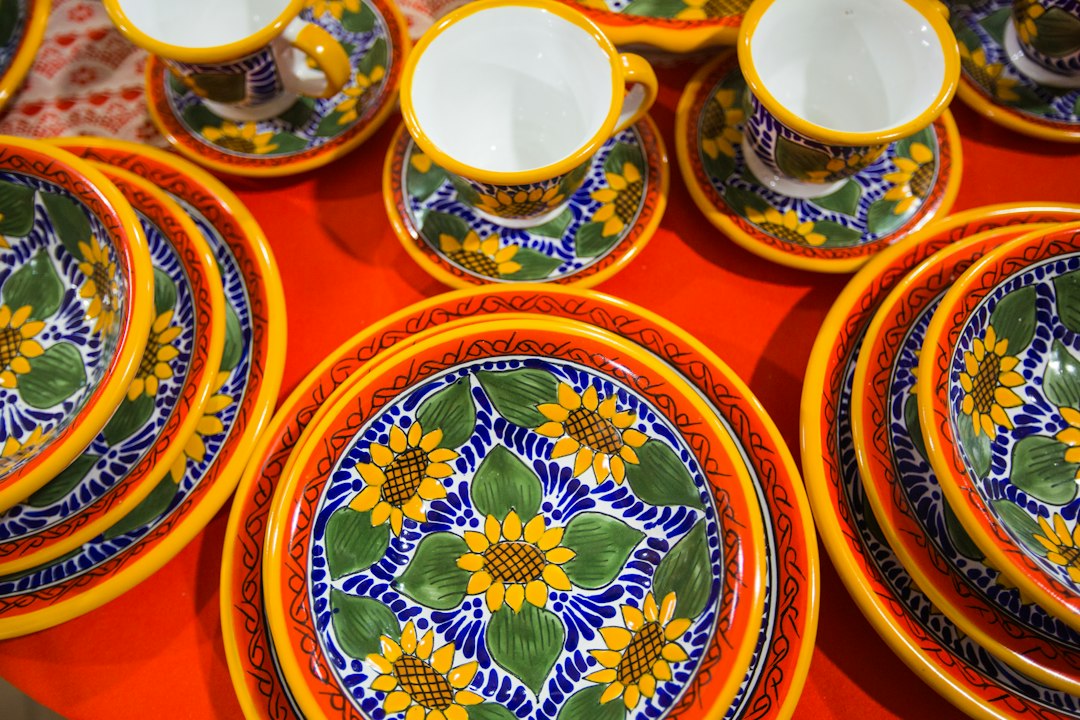
Back in town, the talavera workshops are worth a visit even if you’re not buying. Real Talavera — the kind with the denomination of origin — can only be produced in Puebla, Cholula, and a handful of surrounding towns. The process hasn’t changed in centuries: hand-painted, tin-glazed, kiln-fired. Talavera de la Reyna, near the market, offers hands-on sessions where you paint your own tile. It’s not a tourist trap. The artisans are serious, the work is beautiful, and your tile will be ugly. That’s fine.
Where to Lay Your Head
Cholula’s hotel scene is small but has genuine character — no chain hotels, no resort anonymity.
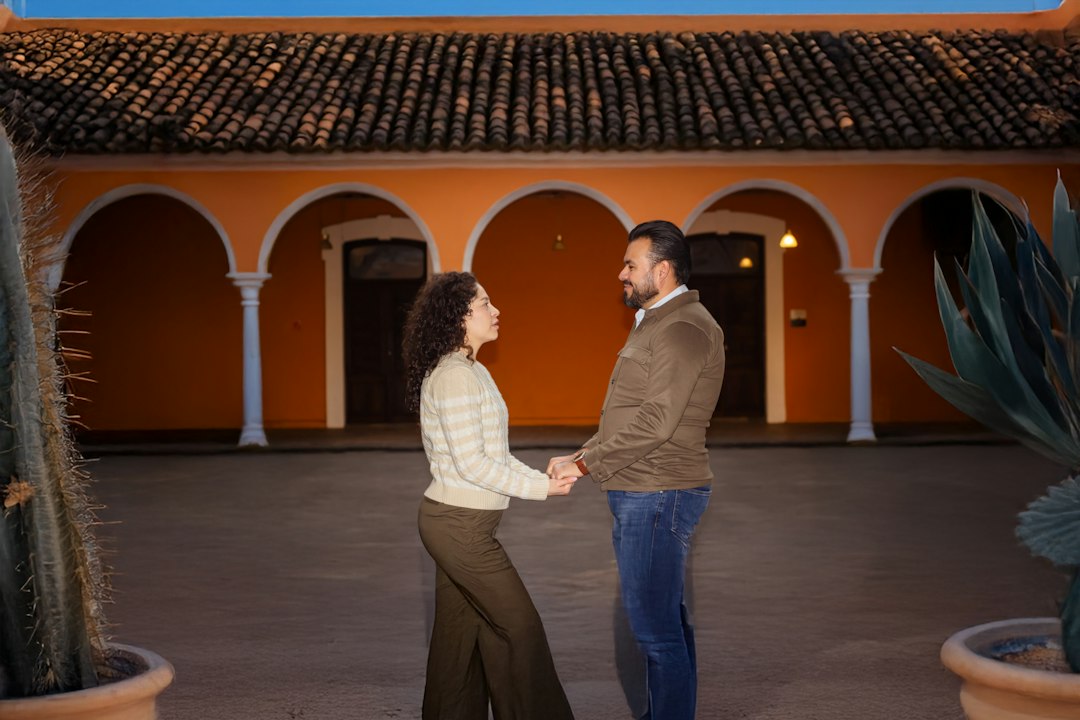
Quinta Luna is the standout. It’s a restored colonial hacienda in the centro of San Pedro Cholula, with thick stone walls, a courtyard garden, and suites that feel like someone’s very elegant home. Breakfast is included, the location is walkable to everything, and the staff know Cholula the way only locals do. Mid-range, worth every peso.
→ Quinta Luna, San Pedro Cholula on Booking.com
Hotel Villas Arqueológicas sits practically at the foot of the pyramid — a one-minute walk to the archaeological zone entrance. It has an outdoor pool, garden grounds, and the kind of unshowy comfort that works when you just want a clean room and a cold beer after a day of exploring. Budget-friendly.
→ Hotel Villas Arqueológicas Cholula on Booking.com
For a more local-feeling stay, book something in San Andrés Cholula. The neighborhood has a different energy — more residential, more street life, closer to some of the better mezcal bars. You’re still a short walk or cheap Uber from the pyramid and Puebla’s centro is 15 minutes by colectivo.
→ Hotels in San Andrés Cholula on Booking.com
After Dark: Mezcal, Pulque, and Rooftop Smoke
Cholula’s nightlife is not Puebla’s nightlife. It’s smaller, stranger, and better for it.
La Popular Mezcalería is the one everyone finds eventually — murals covering every wall, pulque in clay cups, mezcal flights for under $5 USD, and a crowd that’s two-thirds local on weeknights. It gets loud. That’s the point.
Jazzatlán is the opposite frequency. Low lighting, live jazz or flamenco depending on the night, cocktails mixed with the care of a place that knows what it’s doing. The mezcal negroni is worth ordering twice.
The rooftop bars are where the volcano views come back. Several spots along the centro streets offer terraces with Popocatépetl as a backdrop — and when the volcano is active, which it often is, you can watch plumes of ash rise against the sunset while you eat. The combination of craft cocktail and geological menace is uniquely Cholula.
One more thing: pulque. It’s the fermented agave drink that predates mezcal by centuries, and Cholula is one of the better places to try it if you haven’t. The natural version is thick, slightly sour, and an acquired taste. The curados — blended with fruit like guava or mango — are more approachable. La Popular serves both, and the staff will walk you through the options without judgment.
The Table: Mole, Cemitas, and the Market
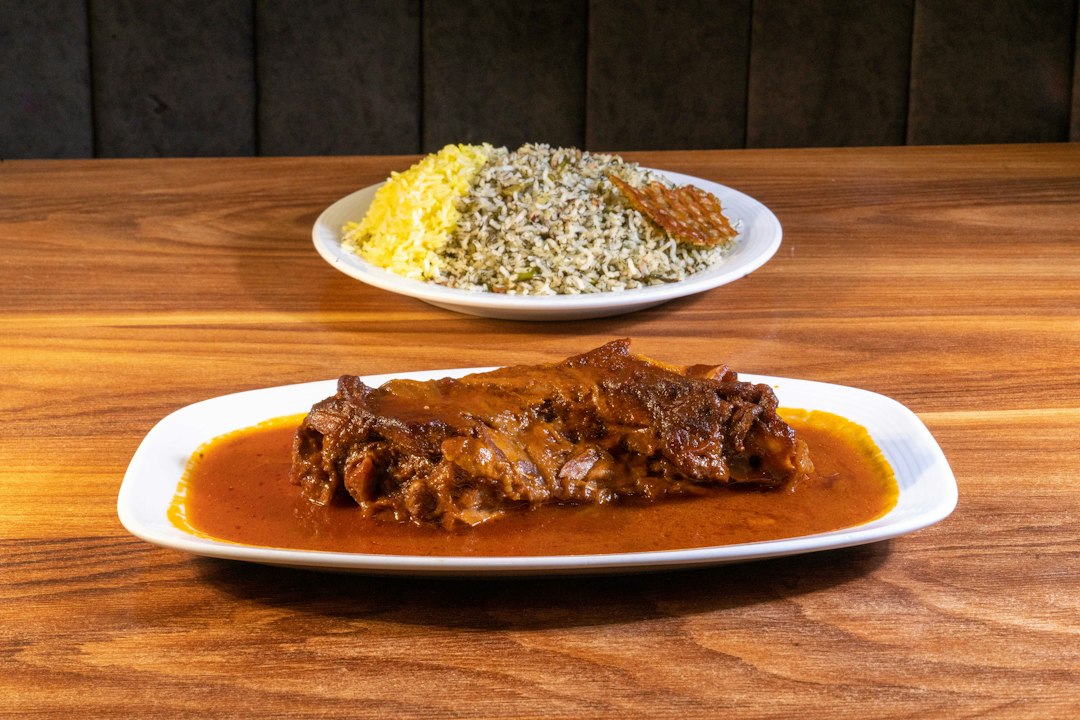
The Puebla region invented mole poblano. You will eat it here, and you will understand why it takes two days to make. The version at Antojería Nacional — served in a dining room decorated with papel picado and talavera-topped tables — is dark, complex, and faintly sweet from the chocolate. Order it over turkey, the traditional way.
Cemitas are the local sandwich, and they’re a project: sesame-seed rolls piled with meat, Oaxacan quesillo, chipotles, avocado, and pápalo, an herb that tastes like cilantro’s bolder cousin. Cemitas Lupita 3 and San Pedro Tortas y Cemitas are the local picks. Don’t try to eat one gracefully.
For pipián — the nutty, seed-based sauces that are mole’s quieter sibling — go to the food stalls inside San Pedro Market. The verde version is silky and earthy. The rojo has a gentle heat that sneaks up. Both cost almost nothing.
If you’re here between August and October, chiles en nogada are the seasonal essential: roasted poblano peppers stuffed with picadillo, cloaked in walnut cream, scattered with pomegranate seeds. Red, white, and green — the Mexican flag on a plate. Every restaurant makes them. Not every restaurant makes them well. Ask around.
Day Trips Worth the Detour
Cerro Zapotecas is three kilometers from the main plaza and feels like another world. Pine-covered hills with hiking and mountain-biking trails, views of both Popocatépetl and Iztaccíhuatl, and almost no other tourists. Locals jog here, families picnic under the trees. The air smells different up here — pine sap and woodsmoke instead of diesel and frying oil. If you want a morning away from churches and cobblestones, this is it. No entrance fee, no guides, no gift shop. Just the hills.
Atlixco, about 30 minutes south, is famous for its flower fields and a climate so mild it’s nicknamed the city of eternal spring. Worth the drive, especially combined with a volcano-viewing tour.
→ Cholula’s Pyramid, Volcanoes, and Magical Atlixco full-day tour
When to Go and What to Know
March through May is the sweet spot — dry, clear, and warm without being brutal. Volcano views are sharpest in the early morning before haze builds after 10 a.m.
September brings the Feria de Cholula, the annual fair honoring Nuestra Señora de los Remedios. It peaks on September 8 with processions, fireworks, and food stalls overtaking the streets. The fair traces directly back to pre-Hispanic festivals honoring Quetzalcóatl — the Franciscans didn’t eliminate the celebration, they just rebranded it.
Late October through early November is Día de Muertos season. San Andrés Cholula runs the Sendero al Mictlán, an immersive light-and-art installation tracing the Mexica journey to the underworld. Giant catrinas, ofrendas, traditional music. In 2026, there’s also the first edition of Domingo de Muertos, a new four-day music festival at Parque Soria with 30-plus acts.
Practical notes: Puebla’s airport (PBC) is small and easy. Mexico City (MEX) works too — it’s a two-hour drive on a toll highway that’s well-maintained. Cholula itself is walkable. Uber and colectivos connect you to Puebla in 15 minutes. Almost everything accepts cards, but carry cash for markets and colectivos. Tipping follows North American norms — 15–20% at restaurants.
Ready to Plan Your Trip to Cholula?
You’ve done the reading. Here’s everything you need to make it happen.
🎟️ What to Book in Advance
- Great Pyramid of Cholula archaeological zone and tunnel tour
- Puebla and Cholula talavera pottery workshop experience
- Browse more Cholula experiences on Viator
Some links in this post are affiliate links. If you book through them, CuriosityTrail earns a small commission at no extra cost to you. Recommendations are chosen on merit; commissions never decide what’s included.