Visiting Canberra, Australia: A Complete Guide
Quick Essentials
- 📍 Best Time to Visit: March–May or September–November — autumn foliage turns the entire city amber and gold, spring brings Floriade’s million blooms and the galleries are blissfully uncrowded
- ✈️ Getting There: Search flights on Skyscanner | Direct from Sydney (1 hr), Melbourne (1 hr), Brisbane (2 hrs)
- 🏨 Where to Stay: Browse Canberra hotels on Booking.com
- 🎟️ Don’t Miss: Canberra wine region cellar door tour on GetYourGuide
- 💰 Budget Range: $150–$300 AUD per day for comfortable mid-range to splurge-worthy dining and wine
The Capital Everyone Skips
Every Australian has a Canberra joke. The punchline is always the same: boring, bureaucratic, a city built by committee for committees. Even the name gets used as shorthand for political dullness — “what do you expect, it’s Canberra.”
Here’s what the jokes miss. Canberra has the highest concentration of world-class art galleries in the country, a cool-climate wine region producing what some critics call Australia’s finest shiraz, and a lakeside setting designed with a geometric ambition that makes most planned cities look timid. The National Gallery alone holds the largest collection of Aboriginal and Torres Strait Islander art on earth. The wine region, thirty minutes out, has 140 vineyards that most Sydneysiders have never visited. And the city itself — all axes and lake reflections and mountain alignments — was designed by a protégé of Frank Lloyd Wright who saw something in this valley that nobody else did.
The Australians who mock Canberra tend to be the ones who drove through on the way to the Snowy Mountains and stopped for petrol. The ones who actually spent a weekend here tend to come back.
A Gallery Mile Worth the Flight
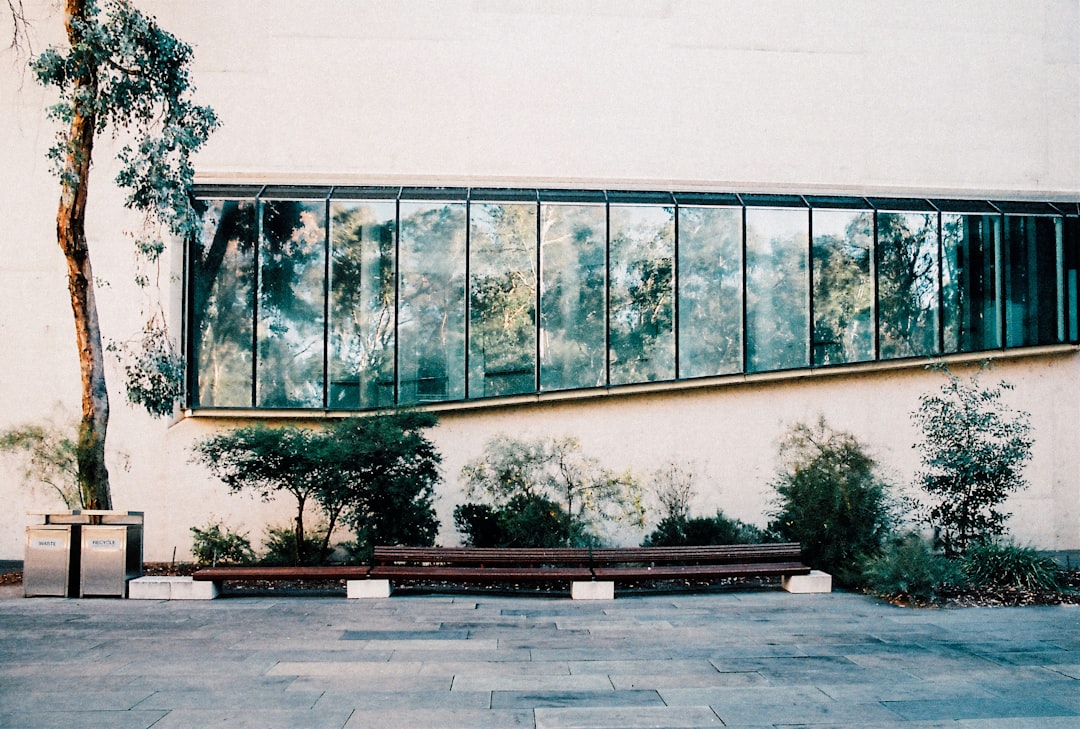
The National Gallery of Australia sits on the shore of Lake Burley Griffin, which is exactly where you’d put a national gallery if you had a lake and some taste. The permanent collection ranges from Rembrandt to Yayoi Kusama, but the real draw is the Aboriginal and Torres Strait Islander galleries on the ground floor — the world’s largest such collection, and the kind of thing that makes you reconsider why you’ve been going to MoMA every few years instead.
Walk outside to the Sculpture Garden overlooking the lake, then keep going. The James Turrell Skyspace, “Within Without,” is a freestanding installation set into the ground behind the gallery. Most visitors walk past it. At dawn or dusk, the oculus frames the shifting sky in a way that makes you stand still for longer than you planned. It’s free, unhurried, and better than most things with a ticket price.
The National Portrait Gallery is next door — a building that tells Australian stories through portraiture in every medium. It’s smaller than you’d expect, which is part of why it works. You can see the whole thing in an hour and leave feeling like you’ve met people.
Canberra Museum and Gallery, tucked into Civic, holds Sidney Nolan’s Ned Kelly series. Craft ACT, a few streets away, is the kind of place you find by accident and remember for years — a gallery dedicated to contemporary craft and design that most guidebooks skip entirely.
The Wine Region Nobody Talks About
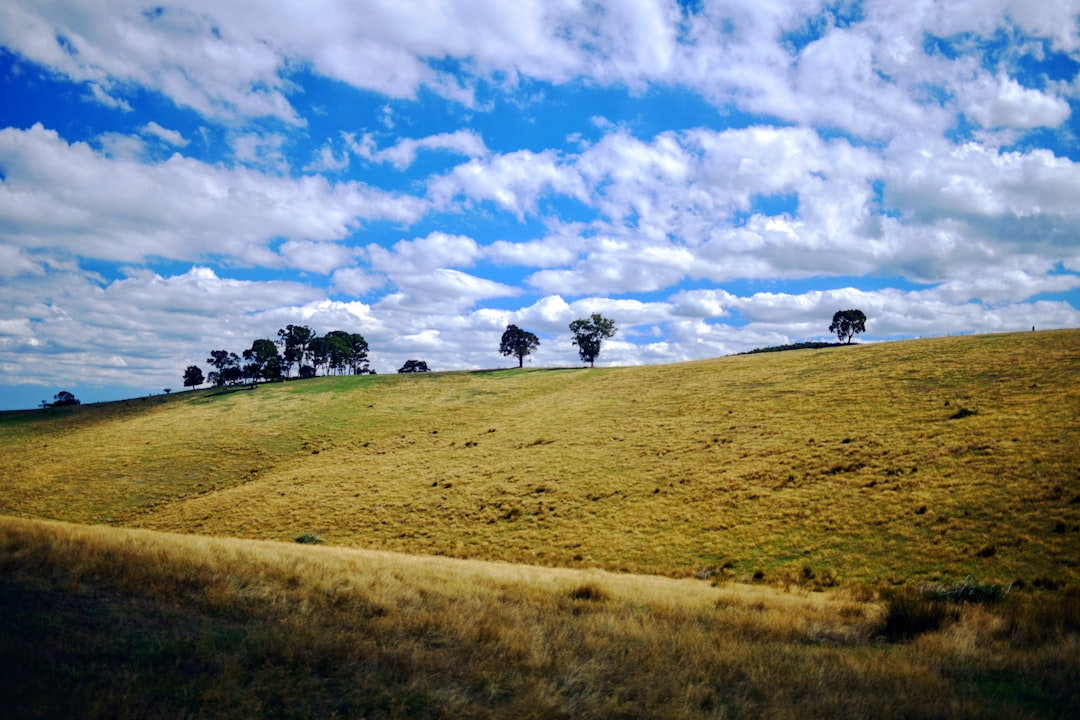
Thirty minutes from the Parliamentary Triangle, the landscape opens into rolling hills dotted with small-batch vineyards. The Canberra District wine region doesn’t have the tourism infrastructure of the Barossa or the Hunter Valley, and that’s precisely the point.
Clonakilla, in Murrumbateman, produces a Shiraz/Viognier that wine writers have called the best red in Australia. That’s not hyperbole — it’s a serious, considered wine from a family operation that’s been perfecting cool-climate reds for decades. The cellar door is open seven days. Go. → Canberra wine region cellar door tour on GetYourGuide
Mount Majura Vineyard sits on top of the Majura Valley, near the New South Wales border, and makes the region’s leading Tempranillo alongside a Riesling that holds its own against anything from the Clare Valley. Shaw Wines, also in Murrumbateman, has collected over 300 medals and remains the kind of place where the person pouring your tasting might be the person who grew the grapes.
Four Winds Vineyard does something that shouldn’t work as well as it does: cool-climate wines paired with wood-fired pizzas. You sit outside in the vineyard, eat a proper thin-crust with a glass of their Riesling, and wonder why more wine regions haven’t figured this out.
The trick is to drive the Murrumbateman loop and stop wherever the sign looks handmade. The smaller producers are often the most interesting pours.
Griffin’s Grand Design
Canberra exists because of a competition. In 1912, Walter Burley Griffin — an American architect who’d trained with Frank Lloyd Wright and married his colleague Marion Mahony — won one of the largest international design contests in modern history. His plan for Australia’s new capital wove three mountains, a river, and a geometric framework into a city that treats landscape as architecture.
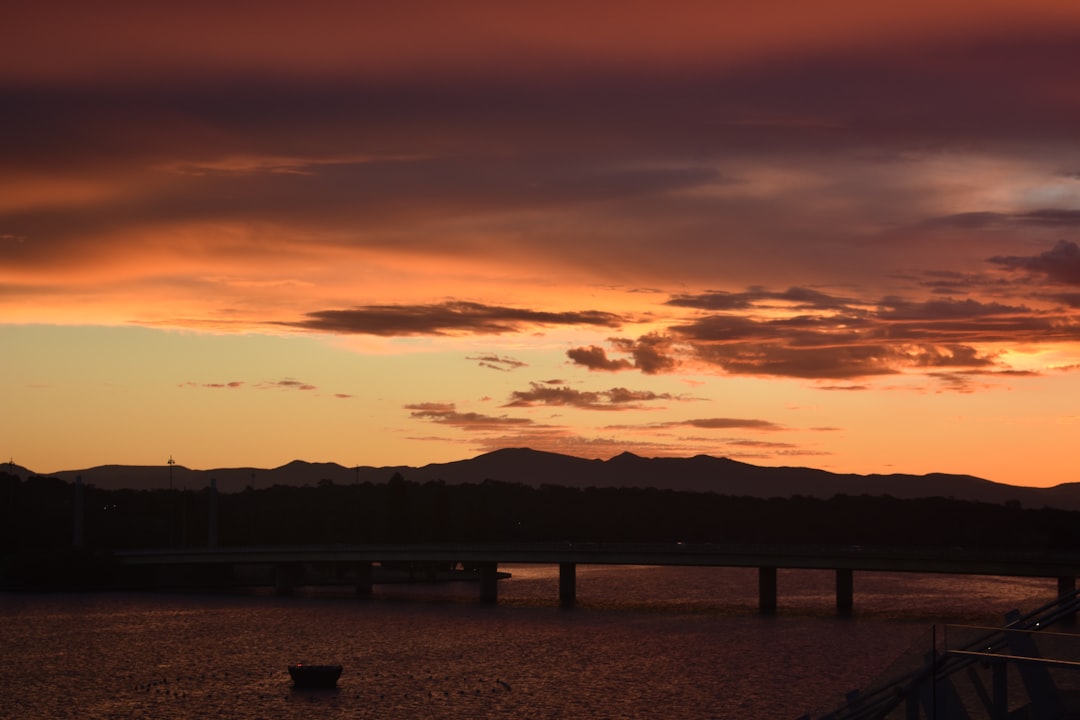
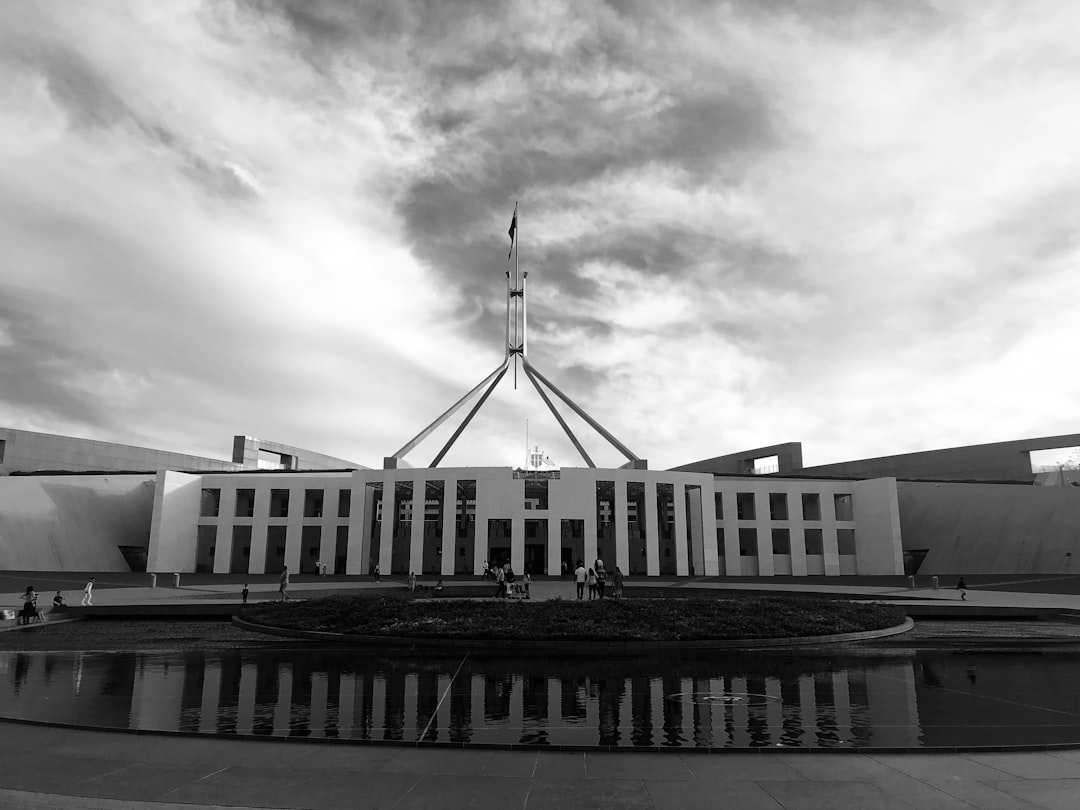
Lake Burley Griffin, the artificial lake at the city’s center, isn’t decoration. Griffin designed its shapes and axes so that the view from Mount Ainslie aligns directly down ANZAC Parade, through the Australian War Memorial, across the lake, and up to Parliament House on Capital Hill. At sunset, the entire composition reveals itself — a planned city that actually feels planned, not imposed.
Walk it. The lakeside path runs for 28 kilometers if you do the full loop, but the stretch from the National Gallery through Commonwealth Place to the National Library is the essential section. The architecture along here — the High Court, the Portrait Gallery, Questacon — uses the water as a reflective surface in ways that reward slow observation.
Most visitors go up Telstra Tower for the view. Mount Ainslie is better, free, and the reason Griffin designed the city the way he did.
Where (and What) to Eat
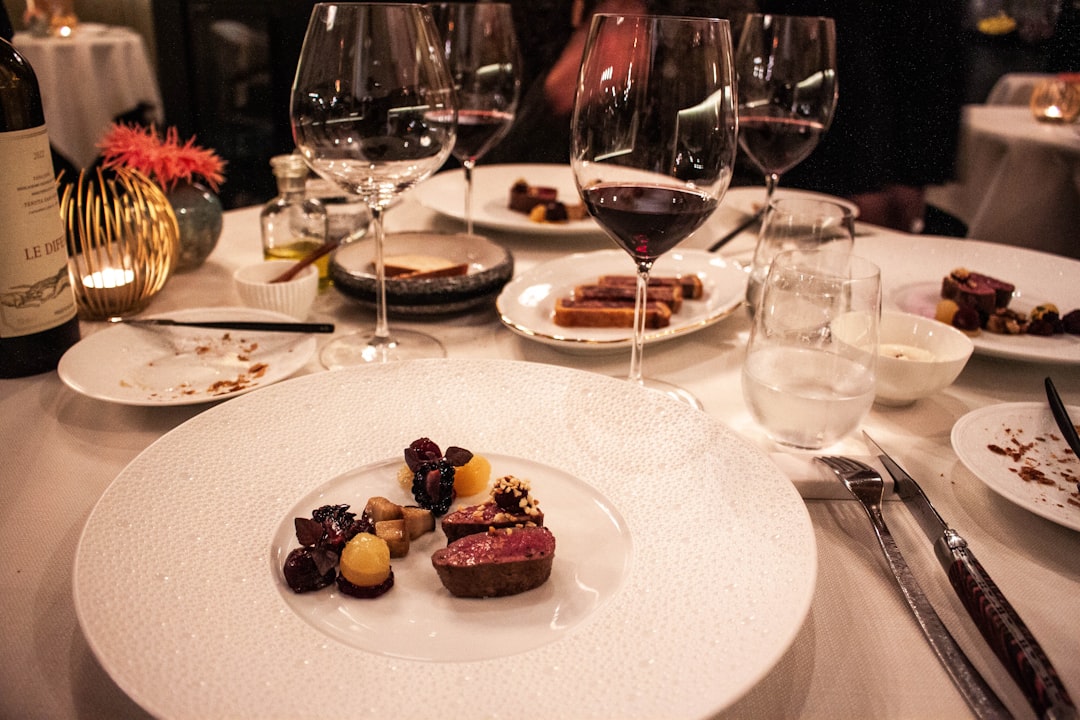
Canberra’s dining scene has made a quiet leap in the past five years. The city that used to have “good for Canberra” restaurants now has genuinely good ones, and the kind of culinary confidence that comes from not competing with Sydney or Melbourne for attention.
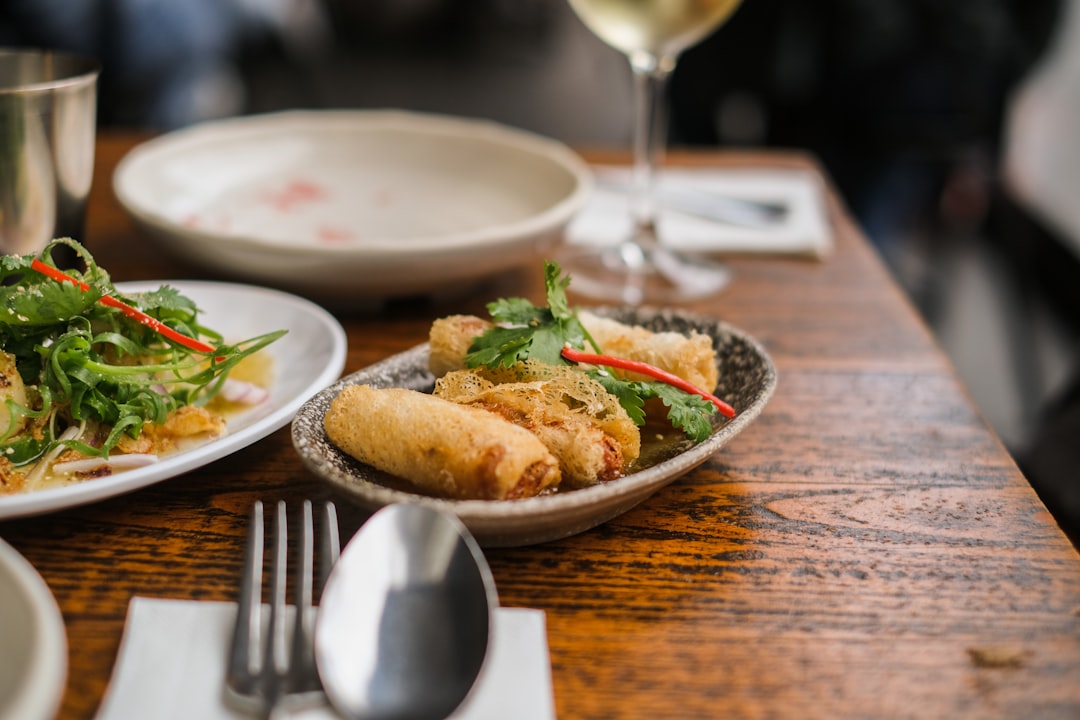
Braddon, centered on Lonsdale Street, is where the density is highest. Specialty coffee, Asian fusion, wine bars — the kind of strip that emerged from warehouse conversions and hasn’t yet been overwhelmed by its own popularity. A flat white from any of the serious cafes here competes with what you’d find in Melbourne.
NewActon, the precinct around the Ovolo Nishi hotel, has Monster Kitchen and Bar and a rotating cast of smaller spots. Kingston, south of the lake, is quieter and more established — Mezzalira has been doing simple, correct Italian since 1996 and remains an institution.
If you’re here in winter, truffle season runs mid-June through August. The Canberra region grows black truffles, and restaurants across the city run special menus. You can go further: Blue Frog Truffle Farm runs Sunday hunts with trained dogs through June to mid-August, followed by a multi-course lunch built around what the dogs found that morning. Parliament House — yes, the actual Parliament — hosts a truffle degustation in the Members and Guest Dining Room. These are the kinds of details that make people stop mocking Canberra.
For something intimate, there’s a 10-seat omakase counter restaurant running an 11-course menu with Hokkaido scallop and Patagonian toothfish. Book well ahead.
Planning Your Visit
When to go. Autumn (March–May) is the sweet spot. The city’s thousands of deciduous trees — planted deliberately by Griffin and his successors — turn the streets into a canopy of red, orange, and gold from mid-April to mid-May. Temperatures sit in the 15–20°C range, the wine harvest is winding down, and the Enlighten Festival lights up the Parliamentary Triangle buildings with architectural projections in March.
Spring (September–November) brings Floriade in Commonwealth Park — over a million flowers, free entry, and the kind of spectacle that photographs better than it should for a government-sponsored flower show. The Canberra Balloon Spectacular in March launches hot-air balloons from the lawns of Old Parliament House at dawn, which is worth waking up for exactly once.
Winter is cold — lows around 3°C — but the truffle season and empty galleries are a trade worth making. Summer (December–February) is warm and busy, with the National Multicultural Festival in February worth the heat.
Where to stay. Ovolo Nishi in NewActon is the pick. Design-forward, excellent restaurant, and you’re walking distance to the lake, the galleries, and Braddon. It’s the kind of hotel that understands its city. → Ovolo Nishi on Booking.com
QT Canberra, also in NewActon, leans into political-themed quirkiness — it works better than it sounds. Rooftop bar, strong location, slightly less expensive than the Ovolo. → QT Canberra on Booking.com
If you want to be closer to the Parliamentary Triangle galleries, the Kingston and Barton neighborhoods put you within walking distance of most of the museums. Knightsbridge Canberra is solid mid-range, two kilometers from Parliament House. → Knightsbridge Canberra on Booking.com
Getting around. Canberra is a car city. The distances between precincts are manageable but not walkable unless you’re dedicated. Rent a car, especially if you’re heading to the wineries. The hop-on-hop-off bus covers the main tourist corridor if driving isn’t your thing. → Canberra Hop-On Hop-Off bus day pass on GetYourGuide
One more thing. The Canberra Glassworks, in a restored 1915 power station, lets you blow your own pint glass in a 1,100°C furnace. It has nothing to do with galleries or wine or Griffin’s geometric ambitions. It’s just the kind of unexpected thing that makes you glad you came to the capital everyone else skips.
Ready to Plan Your Trip to Canberra?
You’ve done the reading. Here’s everything you need to make it happen.
🎟️ What to Book in Advance
- Canberra wine region cellar door tour
- Old Parliament House “Walk Through History” guided tour
- Browse more Canberra experiences on Viator
Some links in this post are affiliate links. If you book through them, CuriosityTrail earns a small commission at no extra cost to you. Recommendations are chosen on merit; commissions never decide what’s included.