London’s Neighborhood Layers: A Food Lover’s Guide to the City You Haven’t Seen Yet
Quick Essentials
- 📍 Best Time to Visit: Late April through early June — the crowds haven’t arrived and the evening light stretches past nine, perfect for market-to-pub neighborhood walks.
- ✈️ Getting There: Search flights on Skyscanner | Direct from New York, Toronto, Vancouver, Los Angeles
- 🏨 Where to Stay: Browse London hotels on Booking.com
- 🎟️ Don’t Miss: Borough Market Food Tour with Tastings on GetYourGuide
- 🚇 Getting Around: Contactless payment on the Tube — caps daily, no Oyster card needed
- 💰 Budget Range: $180–$350 per day for mid-range to splurge dining and boutique hotels
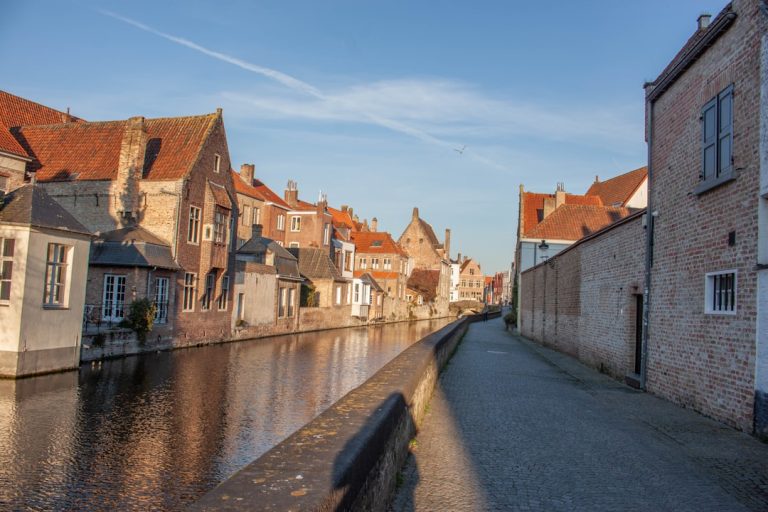
London is a city of villages. That sentence gets tossed around by tourism boards, but it happens to be accurate in a way most visitors never test. The repeat traveler who has already done the Tower, the Tate, and the obligatory photo outside Buckingham Palace tends to assume they know London. They don’t — not really. The city most people experience occupies a narrow band between Westminster and the South Bank, which is a bit like visiting New York and never leaving Times Square.
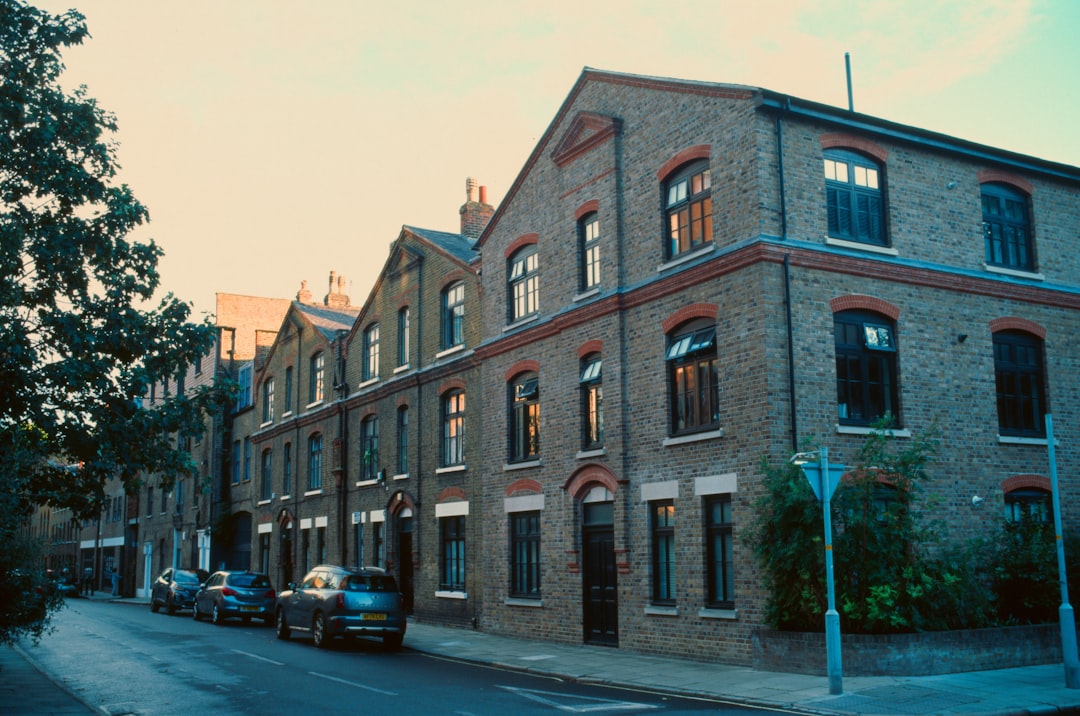
The London worth returning for lives in the neighborhoods. It’s the Saturday morning rhythm of a canal-side market in Hackney, the improbable quiet of a Clerkenwell backstreet at lunchtime, the way Bermondsey’s railway arches have become home to some of the most interesting food in Europe. The food scene alone has transformed so fundamentally over the past two decades that the old jokes about British cooking feel like dispatches from another century.
This is a guide to that other London — the one you walk, eat, and Tube your way through, village by village.
When the Weather and the Crowds Cooperate
London’s tourist season peaks between June and August, when every major market and museum queue doubles. The experienced play is shoulder season: late April through early June brings reliable weather and manageable crowds, while September through mid-October catches the city just as the restaurant scene launches its strongest new openings.
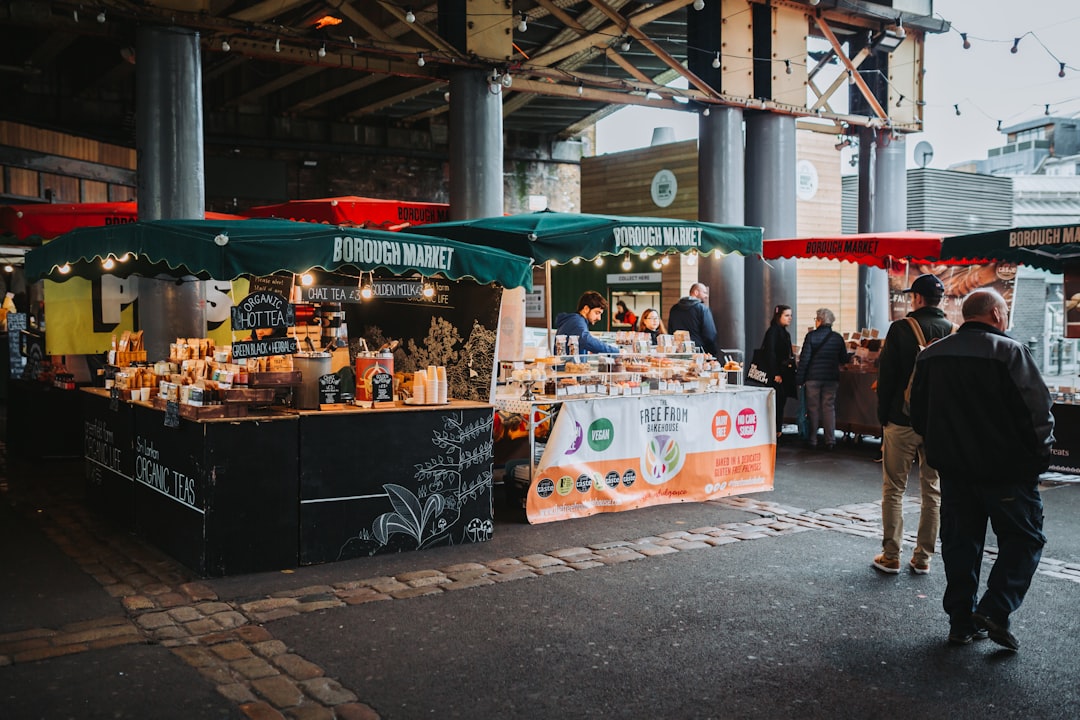
Spring has a particular advantage for the neighborhood walker. The evenings stretch past nine o’clock, pub gardens reopen, and the markets shift into asparagus-and-rhubarb mode. Borough Market in late May feels like a different place than Borough Market in July — less crush, more conversation with the vendors who actually want to talk about their cheese.
Autumn brings its own rewards. October is London Restaurant Festival month, with prix fixe menus at places that are normally impossible to book and behind-the-scenes kitchen tours that feel genuinely insider. Game season hits the butchers at Borough and Maltby Street, and the city takes on that particular London quality — damp air, warm pubs, low golden light — that no other season replicates.
If you’re timing around a specific event, Notting Hill Carnival on the August bank holiday weekend is extraordinary but requires accommodation booked months in advance. The Chelsea Flower Show in May is more village-fete-in-the-city than garden show — worth it for the atmosphere alone.
Where to Drop Your Bags
The Hoxton, Southwark. If food is your primary lens, start here. You’re a five-minute walk from Borough Market, a ten-minute walk from Maltby Street Market, and directly across the river from the City’s wine bars. The Hoxton pioneered the affordable-boutique model in London — the rooms are compact but the lobbies are designed for lingering, and the ground-floor restaurant does a proper breakfast without the $28 hotel-breakfast trap. → The Hoxton, Southwark on Booking.com
The Laslett, Notting Hill. For the traveler who wants residential London with an artistic pulse. The hotel sits on a quiet street behind Portobello Road, feels like a well-curated apartment more than a hotel, and puts you within morning-walk distance of Holland Park’s Japanese garden and the antiques end of the market that most tourists never reach. → The Laslett on Booking.com
Nobu Hotel Shoreditch. East London luxury for the traveler who wants creative-quarter energy without the hostel experience. Shoreditch has matured into a genuine dining destination — Cycene for intimate fine dining, Singburi for fiery Thai — and the Nobu puts you in the middle of it with the kind of rooms that actually make you want to come back after a long day of walking. → Nobu Hotel Shoreditch on Booking.com
Beyond the Obvious: London’s Village Walk
The most rewarding way to experience London’s neighborhood layers is on foot, Tube-hopping between villages that feel like different cities. Here’s the walk I’d build a trip around.
Start at Maltby Street Market, Bermondsey (Saturday morning). This is the market Borough Market used to be before the tour buses found it. Railway arch stalls sell duck frites, empanadas, Ethiopian food — the range is startling. Bar Tozino, a Spanish bodega tucked under one arch, does fino sherry and Ibérico ham that would hold up in San Sebastián. Forty Maltby Street serves unfussy sandwiches by day and shifts into elegant seasonal British food at night. Arrive before 10 AM. By noon the best stalls start closing.
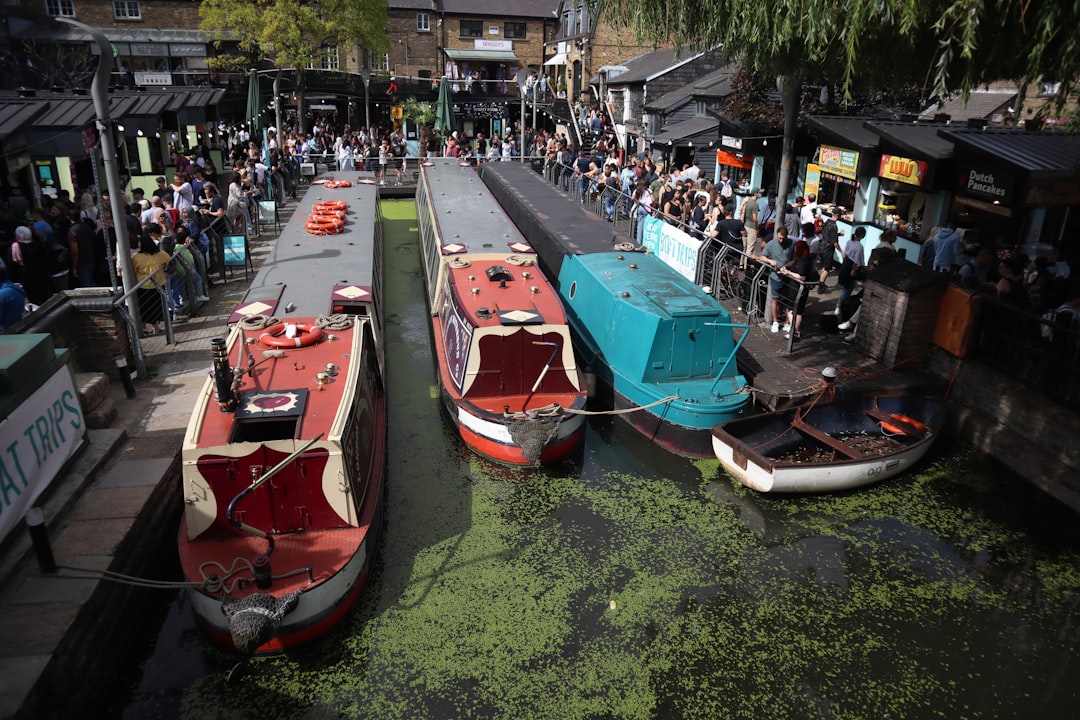
Tube to Hackney for Broadway Market (also Saturday). This canal-side market runs along a single street with independent food stalls, vintage finds, and the kind of neighborhood atmosphere that can’t be manufactured. The crowd here is young, local, and not performing for anyone. Get a flat white from one of the three competing coffee stalls and walk south along the canal toward Victoria Park. → East London Street Art & Food Tour on GetYourGuide
Walk Clerkenwell in the early afternoon. This pocket between the City and Islington is one of London’s oldest neighborhoods and one of its quietest on a weekend. The backstreets reward aimless walking — Georgian squares, converted watchmakers’ workshops, and The Eagle, the pub that essentially invented the gastropub in 1991. It’s still good. Still no reservations.
Finish in Shoreditch as the evening starts. Brick Lane for a salt beef bagel at Beigel Shop — the yellow-fronted original, open 24 hours, queue part of the experience — then into Shoreditch proper for dinner. The neighborhood has graduated from gritty-creative to polished gastro-destination without losing its edge entirely. → Borough Market Food Tour with Tastings on GetYourGuide
For a different day, consider the Soho and Covent Garden food walking tour, which threads through countercultural history, 100-year-old coffee shops, and the kind of Indian street food that reminds you London’s food story is fundamentally an immigration story. → Soho & Covent Garden Food Walking Tour on GetYourGuide
The Table Has Changed
Twenty years ago, “London food” was a punchline. That era is so thoroughly over that the city now rivals any European capital for depth and range, and in certain categories — Indian food, market culture, neighborhood bistros — it leads.
The current mood favors neighborhood bistros where food really matters over spectacle. Londoners are rejecting months-ahead reservations in favor of spontaneous, walk-in-friendly dining. The Devonshire, Brutto, and Ria’s thrive on queues, buzz, and bar seating — no pretense, no tasting menu, just very good food served without ceremony.
Kedgeree at Dishoom, King’s Cross. The Anglo-Indian breakfast that defines modern London eating — spiced rice, smoked haddock, a soft-boiled egg. Go to the King’s Cross location for shorter queues. Breakfast here is a better use of your morning than any museum.
Scotch egg at Ginger Pig, Borough Market. The benchmark. Runny yolk, proper sausage meat, the kind of snack that ruins all other scotch eggs forever. Eat it standing up at the market counter.
Sunday roast at The Anchor & Hope, Waterloo. No reservations, shared tables, real gravy. This is the Sunday roast London does best — the one where you end up in conversation with strangers over a bottle of something that costs less than you expected.
Sticky toffee pudding at The Quality Chop House, Clerkenwell. Old-school chophouse doing modern British with conviction. The room looks like it hasn’t changed since the 1860s because it hasn’t. The food has, dramatically and for the better.
Tiella, Bethnal Green. The current darling of London food critics — knockout regional Italian dishes from chef Dara Klein in a space that feels like a neighborhood trattoria, not a destination restaurant. Getting a table is already becoming difficult.
For the Michelin-curious, the 2026 guide added several new stars including Corenucopia (reinvented British classics) and Legado from Spanish chef Nieves Barragán Mohacho. But the real story of London’s food scene isn’t in the starred restaurants — it’s in the neighborhood places that are too busy being good to chase awards.
Practical Notes for the Repeat Visitor
Getting around. Use contactless payment on the Tube — an Oyster card works but contactless is simpler and caps at the same daily rate. The bus network is underrated; the upper deck of a Routemaster replacement is still one of the best ways to see the city.
Restaurant booking culture has shifted. The hottest restaurants now embrace walk-in-only or first-come-first-served models. Palmyra’s Kitchen in Finsbury Park, Brutto in Clerkenwell — queue early or queue long. For the few places that do take reservations, three weeks ahead is the current sweet spot.
Market timing matters. Borough Market is open Tuesday through Saturday but Saturday is the main event — arrive by 9 AM or resign yourself to crowds. Maltby Street Market is Saturday only, 9 AM to 2 PM. Broadway Market is also Saturday. Sunday is for pub roasts, not markets.
Cash is nearly extinct in London. Even market stalls take contactless. The few exceptions are certain Chinatown restaurants and very old pubs — when in doubt, ask before ordering.
Tipping. Many London restaurants now add a 12.5% service charge automatically. Check the bill before adding more. At pubs ordering at the bar, tipping is not expected. At sit-down restaurants without a service charge, 10–15% is appropriate.
Ready to Plan Your Trip to London?
You’ve done the reading. Here’s everything you need to make it happen.
Some links in this post are affiliate links. If you book through them, CuriosityTrail earns a small commission at no extra cost to you. Recommendations are chosen on merit; commissions never decide what’s included.