Visiting Milwaukee, Wisconsin: A Complete Guide
Quick Essentials
- 📍 Best Time to Visit: Late June through early September — the lakefront comes alive, beer gardens open, and Summerfest turns the whole city into a stage for three weekends straight.
- ✈️ Getting There: Search flights on Skyscanner | Direct from Chicago, Minneapolis, Denver, and most major Midwest hubs.
- 🏨 Where to Stay: Browse Milwaukee hotels on Booking.com
- 🎟️ Don’t Miss: Guided Craft Brewery Tour through Walker’s Point on GetYourGuide
- 🚗 Car Rental: Compare rental cars in Milwaukee | Useful for Kegel’s Inn and Bay View, but downtown is walkable.
- 💰 Budget Range: $150–$300 per day for a couple eating well and drinking better. Milwaukee is one of the best-value cities in the Midwest for the quality you get.
A City That Surprises You Exactly When You’ve Stopped Expecting It
Milwaukee is easy to think you know. Beer city. Brats. The Brewers. A fine place, sure, but not one that seems to demand a weekend of your attention.
That’s wrong, and by a wide margin.
Plan little beyond a Friday fish fry and a walk through the art museum, and by Saturday night, on the rooftop at Café Benelux with the Third Ward lit up below, you’ll be thinking about coming back.
Milwaukee is in the middle of becoming something. Not in the way cities are always “up and coming” — Milwaukee has always been something. But the version of itself it’s building right now, around that lakefront and inside those old warehouses, is the version that experienced travelers will kick themselves for missing. The bones of a great beer city are still here. The art museum alone would justify the trip. But it’s the texture between the landmarks that gets you — the fish fry that’s been happening every Friday since your grandparents were young, the brewery trail that’s built on ground where German immigrants actually brewed, the neighborhood that turned industrial grit into something genuinely creative without losing its nerve.
The Wings Open at Ten
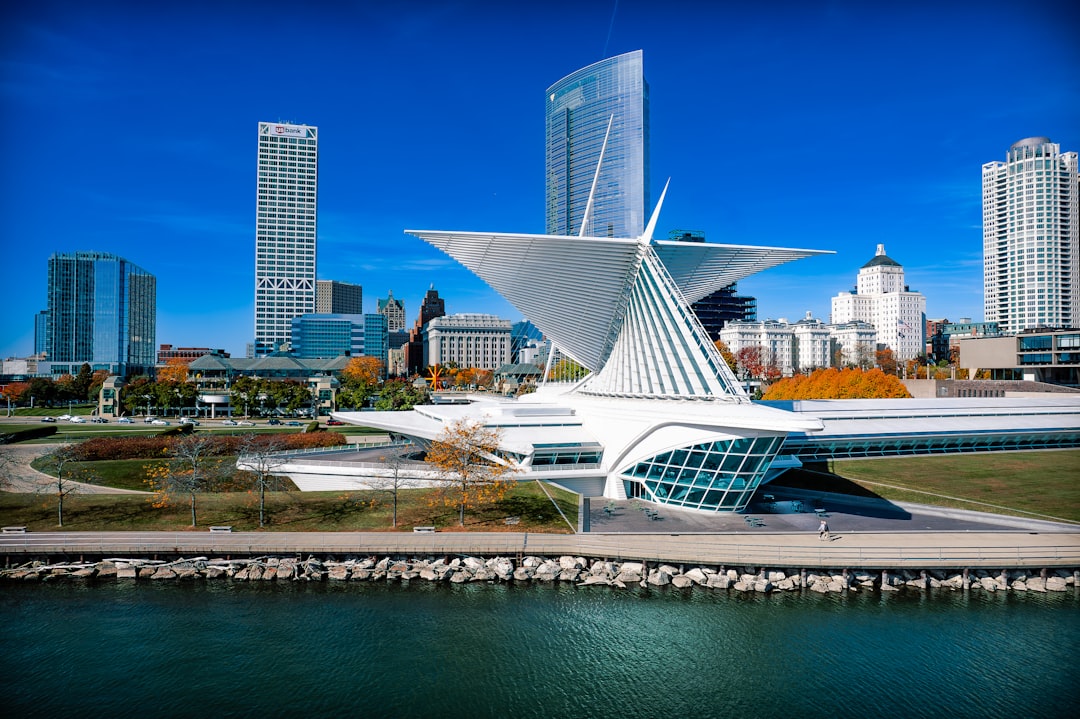
The Milwaukee Art Museum is the thing that changes people’s minds about this city. It changed mine.
Santiago Calatrava designed the Quadracci Pavilion, which sits right on the lakefront like a bird about to lift off Lake Michigan. The Burke Brise Soleil — the movable sunscreen that everyone calls “the wings” — is 217 feet across, made of 72 steel fins, and weighs 90 tons. It opens with the museum at ten, closes and reopens at noon, and closes again at five. The whole operation takes three and a half minutes, and there is no version of you that doesn’t stop and watch.
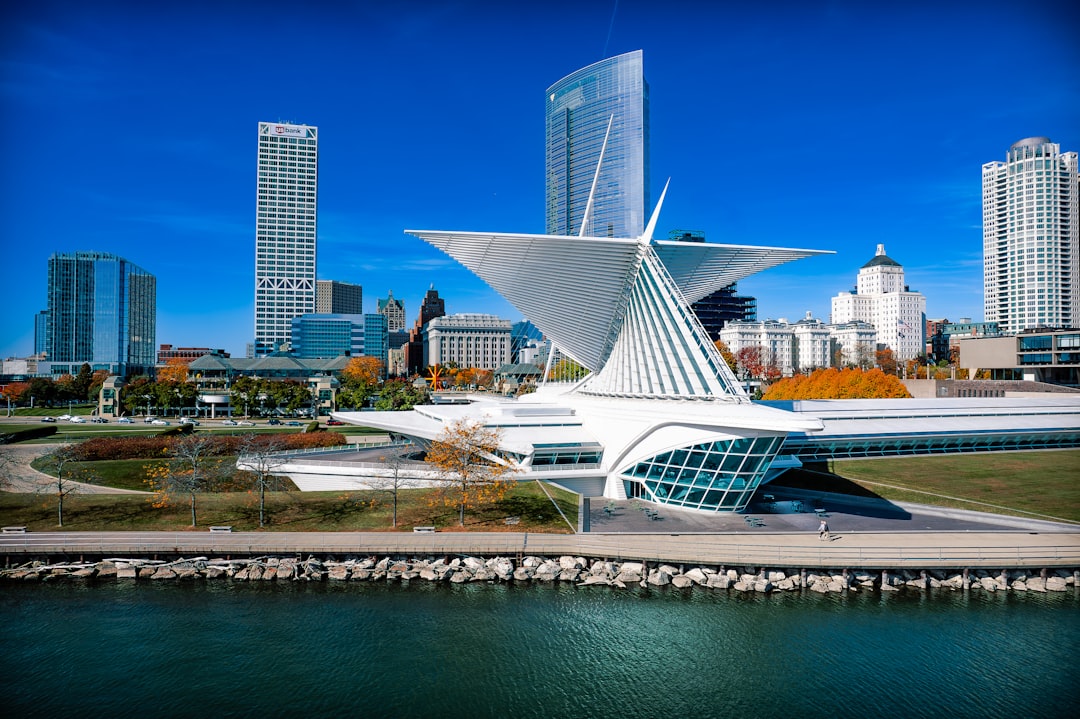
Inside, Windhover Hall is worth entering even if you skip the galleries — a 90-foot glass ceiling, flying buttresses, and a chancel shaped like the prow of a ship with floor-to-ceiling lake views. It’s free to walk in. The permanent collection upstairs holds more than 2,500 works, including one of the largest Georgia O’Keeffe collections anywhere. The folk art wing, with its carved wooden horse, is worth forty-five minutes.
The museum sits at the eastern end of the Riverwalk, which stretches three miles along both sides of the Milwaukee River. Walk it. The best shops, restaurants, and bars in the city line this route, and it connects the lakefront to the neighborhoods without ever feeling like a tourist corridor.
A Beer City With Actual Roots
Here’s what separates Milwaukee from every other city that calls itself a beer town: this one earned the title in 1840 and never gave it up.
Owens’ Brewery opened that year — Milwaukee’s first commercial operation. Frederick Miller arrived in 1855. By the late 1800s, Schlitz, Pabst, Miller, and Blatz had turned this lakeside city into America’s undisputed beer capital. The mansions they built still stand. The beer barons are buried together in Forest Home Cemetery, and you can take a guided tour past their graves that’s less morbid and more fascinating than it sounds.
The craft scene today is built on that foundation, and it’s concentrated in Walker’s Point: MobCraft, Indeed, 1840 Brewing, Urban Harvest, Broken Bat, and Vennture are all within walking distance of each other. A guided brewery tour through this neighborhood covers three or four spots with tastings, lunch, and the kind of behind-the-scenes access that makes you appreciate what goes into the glass. → Milwaukee Craft Brewery Tour on GetYourGuide

Don’t skip the Pabst Mansion — Captain Frederick Pabst’s Gilded Age home, lavishly restored, which puts the entire brewing story in context. This is what beer money built. → Pabst Mansion Guided Tour on GetYourGuide
And the Museum of Beer and Brewing, which opened its first permanent location in the Lincoln Warehouse in 2024, is the kind of small, passionate institution that most visitors walk right past. Don’t be most visitors.
The Third Ward Found Its Second Act
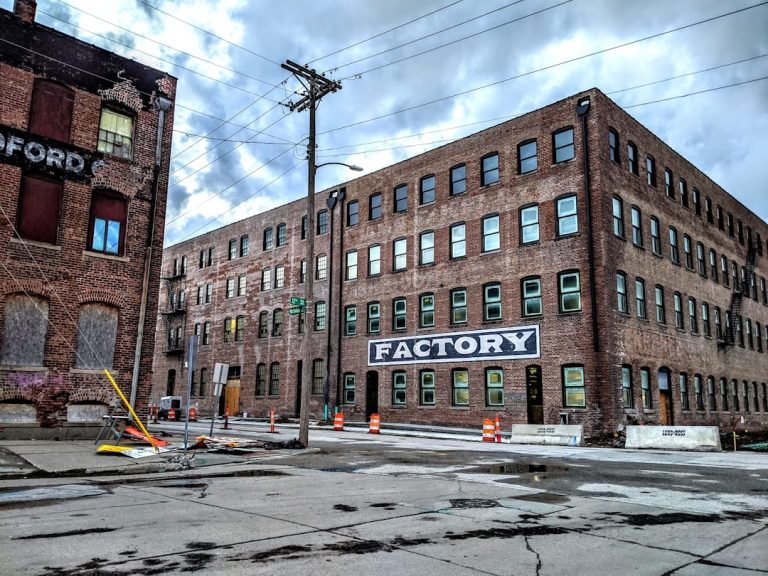
Milwaukee’s Historic Third Ward is a warehouse district that reinvented itself without erasing itself. The old industrial bones are visible — exposed brick, heavy timber, iron facades — and inside them now are galleries, boutiques, design studios, and some of the best eating in the city.
The Milwaukee Public Market is the anchor. It’s not a tourist market pretending to be local — it’s a local market that tourists happen to love. Cheese, sausage, baked goods, prepared food from a dozen vendors, and a second-floor mezzanine where you can sit with your haul and watch the Third Ward go by through the windows.
For dinner, Onesto strikes a balance between atmosphere and substance — genuinely good Italian in a space that feels like the neighborhood deserves it. Café Benelux brings European-style rooftop dining to a city that’s earned the right to have it. And if you’re there on a summer evening, Catalano Square runs an urban beer garden Wednesday through Sunday with live music from local musicians.
The Third Ward connects to Brady Street on the East Side, which has a younger, almost European feel — coffeehouses, independent bookstores, eclectic restaurants. It’s worth the walk if you have an afternoon with no agenda, which is the best kind of afternoon.
The Friday Fish Fry Is Not Negotiable
I need to be direct about this: if you are in Milwaukee on a Friday and you do not eat a fish fry, you have made a mistake.
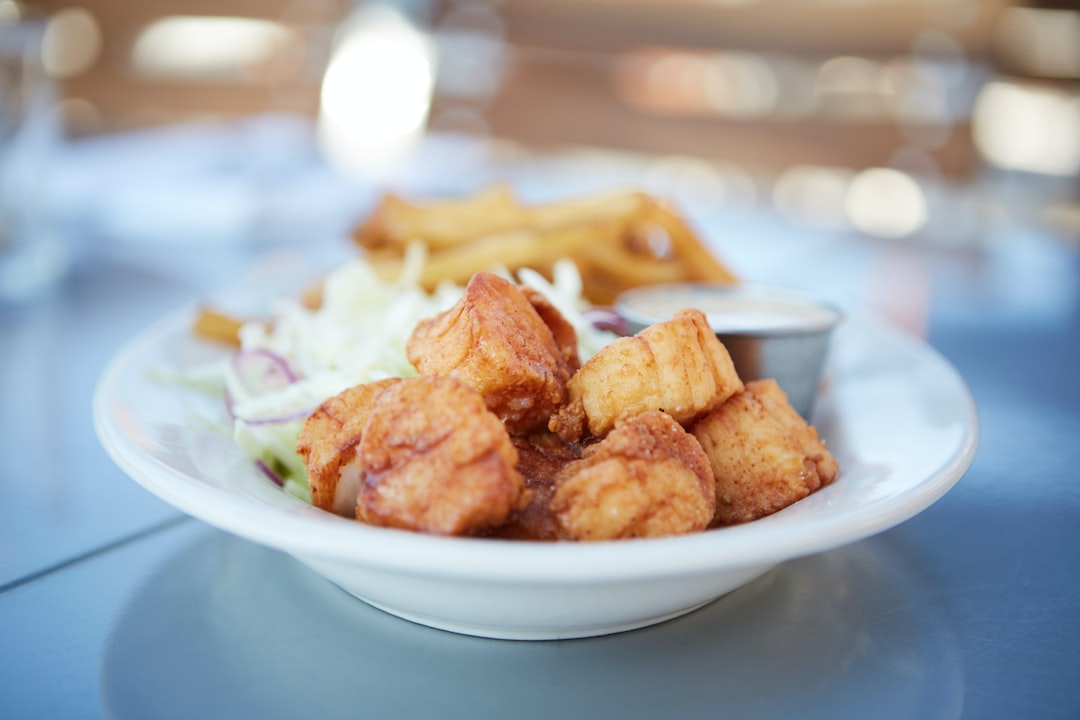
This is not a tourist attraction. It’s a weekly institution that dates back more than a century, rooted in Catholic dietary tradition and carried forward by German and Polish immigrants who settled along the lakefront. Beer-battered cod or lake perch, served with coleslaw, fries, and marble rye bread. Every neighborhood bar, every supper club, every tavern worth its name does one. The differences are in the details, and the details matter.
Lakefront Brewery does theirs on Friday afternoons with live polka music, which is possibly the most Milwaukee sentence ever written. Kegel’s Inn in West Allis has been family-owned since 1924 — four generations, all-you-can-eat, no reservations — and it’s worth the short drive. For premium lake perch, which is the connoisseur’s choice, Jackson’s Blue Ribbon Pub is the answer.
Order the lake perch at Jackson’s or the cod at Lakefront; either way, you win.
While you’re in supper-club territory, order a Wisconsin Old Fashioned. It’s made with brandy instead of whiskey, served sweet, and it’s the state’s signature cocktail in a way that most people outside Wisconsin don’t know. And frozen custard at Kopp’s — denser and richer than ice cream, with rotating daily flavors — is the right way to end any Milwaukee evening.
Staying and Timing
The Pfister Hotel has anchored downtown since 1893. The lobby alone is worth a visit — Victorian art collection, ornate ironwork, the kind of grand-dame energy that reminds you this city has always had ambition. The rooftop bar doesn’t hurt. → The Pfister Hotel on Booking.com
Saint Kate — The Arts Hotel is the boutique option: rotating art installations throughout the building, right in the center of downtown. Good fit if the museum and Third Ward galleries are your primary draw. → Saint Kate — The Arts Hotel on Booking.com
Kinn Guesthouse in Bay View is for travelers who’d rather be in a neighborhood than a hotel district. A micro-hotel above a café in one of Milwaukee’s most walkable residential neighborhoods. → Kinn Guesthouse on Booking.com
Summer is when Milwaukee opens up completely. Beer gardens, rooftop bars, the Riverwalk in full swing. Summerfest — the world’s largest music festival — runs across three weekends in late June and early July, with 600-plus acts on twelve stages. If that appeals, plan around it. If crowds don’t, aim for May or early October: the weather is good, the city is calmer, and the fish fry happens regardless.
Ready to Plan Your Trip to Milwaukee?
You’ve done the reading. Here’s everything you need to make it happen.
🎟️ What to Book in Advance
Some links in this post are affiliate links. If you book through them, CuriosityTrail earns a small commission at no extra cost to you. Recommendations are chosen on merit; commissions never decide what’s included.