Visiting Kumamoto, Japan: A Complete Guide
Quick Essentials
- 📍 Best Time to Visit: Late March to mid-April — cherry blossoms turn the castle grounds and Suizenji Garden into a pink tunnel, and the crowds are a fraction of Kyoto’s.
- ✈️ Getting There: Search flights on Skyscanner | Direct from Tokyo Haneda and Osaka Itami; Shinkansen from Fukuoka in 40 minutes
- 🏨 Where to Stay: Browse Kumamoto hotels on Booking.com
- 🎟️ Don’t Miss: Kumamoto Castle restoration viewing corridor on GetYourGuide
- 💰 Budget Range: ¥12,000–¥25,000 ($80–$170 USD) per day for mid-range comfort with great meals and experiences included
A Castle That Keeps Getting Back Up
Kumamoto is the kind of Japanese city that rewards the second look. Not because it’s hiding — there’s a massive castle on a hill in the middle of town — but because most travelers on the Kyushu rail corridor glance at it from the Shinkansen window and keep going toward Kagoshima. Their loss.
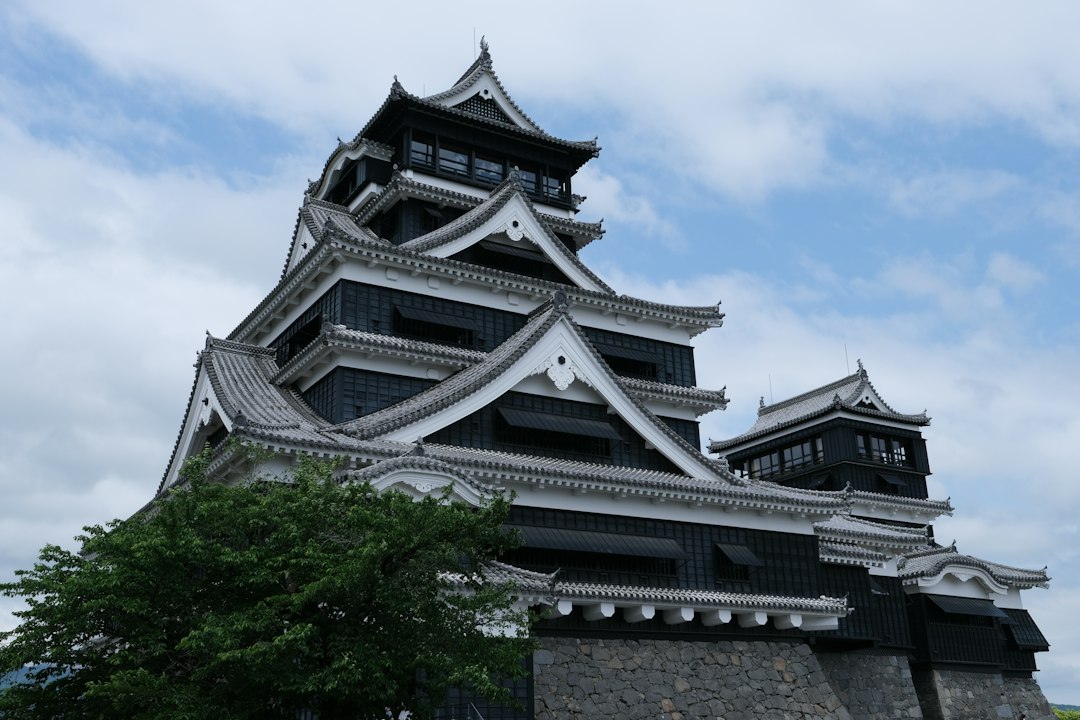
The city’s story right now is one of stubbornness. In April 2016, a pair of powerful earthquakes shattered Kumamoto Castle, collapsing stone walls that had stood for four centuries and cracking open turrets that survived wars and firebombing. The restoration was projected to take until 2052. Then in July 2026, another quake hit. Stone walls fell in some forty locations. And within two weeks, the castle reopened — illuminated through the night, a signal to the city that resilience isn’t a slogan here, it’s a reflex.
That spirit — quiet, persistent, slightly defiant — runs through everything in Kumamoto. The food. The garden. The way the shopping arcade reinvents itself after dark. You could spend two nights here between Fukuoka and Kagoshima and leave knowing something true about how a Japanese city holds itself together.
Walking Through the Rebuild
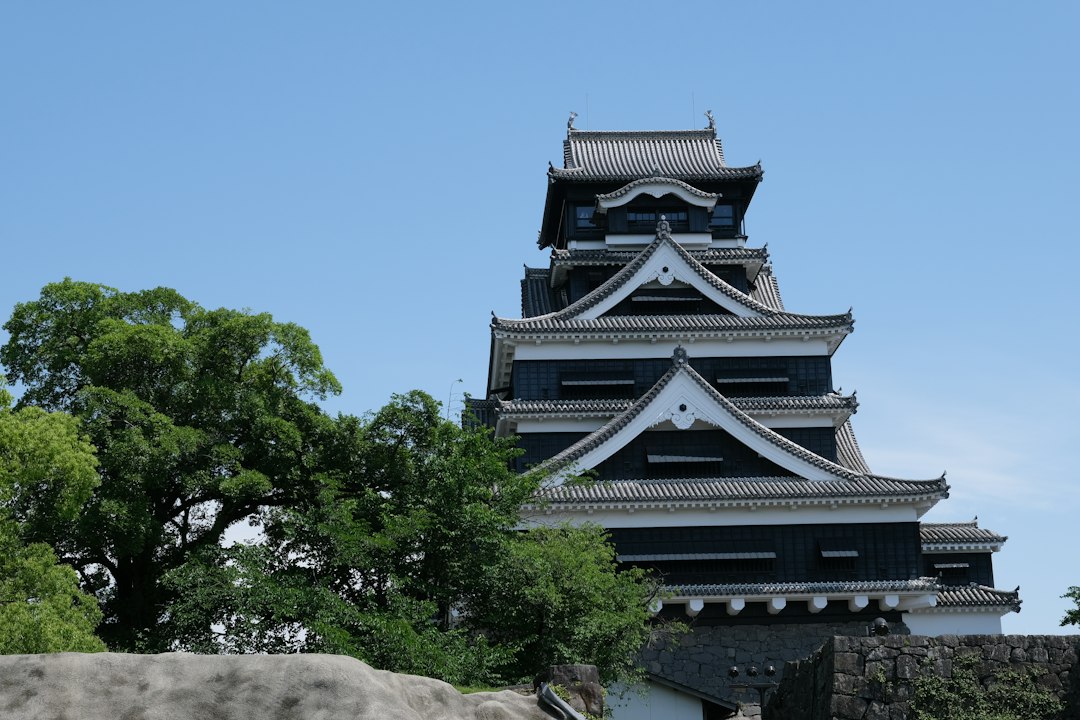
The castle viewing corridor is unlike anything else in Japan’s heritage tourism. A 350-meter elevated walkway takes you eye-level with the earthquake damage — you can see the individual stones marked with numbered tags, waiting to be reassembled by hand using techniques unchanged since the 1600s. The main keep, fully rebuilt and reopened, houses a new exhibition that tells both the original construction story and the earthquake recovery with a clarity that avoids sentimentality. It’s moving precisely because it doesn’t try to be.
The real surprise is looking out from the corridor and seeing how much remains broken alongside what’s been restored. This is an active construction site wrapped in a national treasure. You’re watching centuries of craft knowledge applied in real time. Allow at least ninety minutes — more if the explanatory boards pull you in, which they will.
Book a guided Kumamoto Castle and city tour
Admission is ¥800, which includes both the keep and the viewing corridor. The nighttime illumination is free and viewable from outside the castle grounds — walk the perimeter path after dinner for the full effect.
Suizenji Garden: Smaller Than You’d Think, Better Than You’d Expect
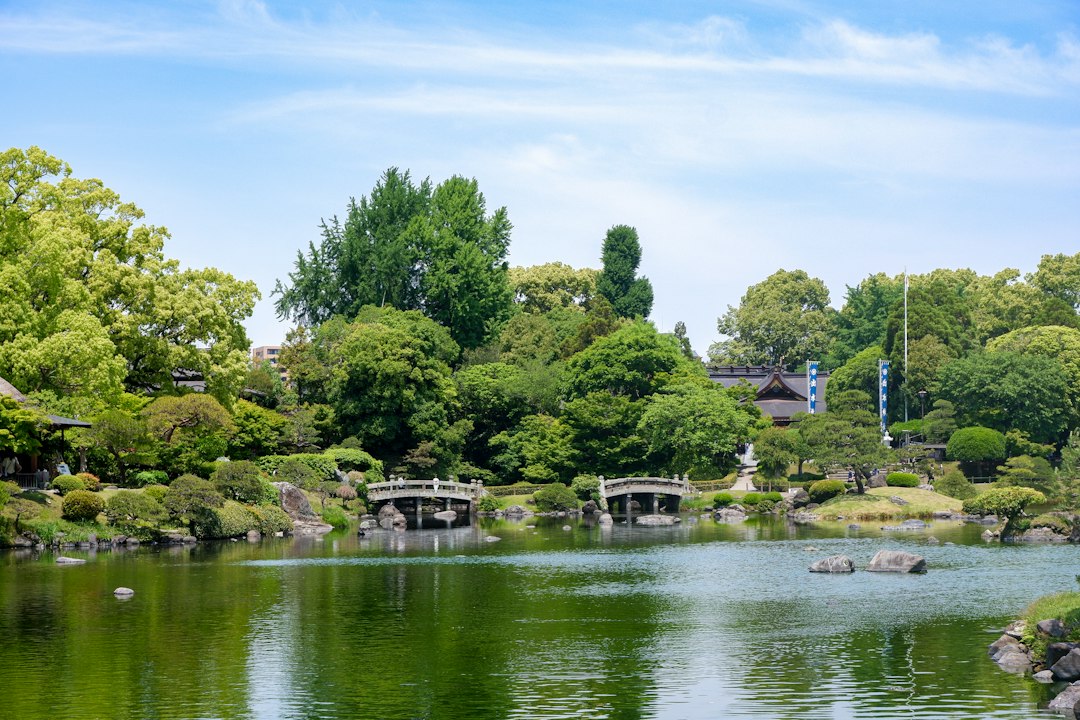
Kumamoto’s second landmark isn’t trying to compete with Kenrokuen or Ritsurin. Suizenji Jojuen is a strolling garden built by the Hosokawa lords in the 1630s, and its ambition is almost cheeky — miniature recreations of all fifty-three stops along the old Tokaido road between Tokyo and Kyoto, including a grassy hillock standing in for Mount Fuji that somehow works.
The pond at the center is fed by natural springs from the volcanic aquifers beneath Mount Aso. The water is extraordinary — clear enough to count the pebbles at the bottom, cold enough to shock your hand if you trail it from the edge. Kumamoto sits above one of Japan’s richest underground water systems, and the garden is where you feel it most directly. The springs have been flowing here for centuries, and the Hosokawa lords chose this site precisely because of them.
Head to the Kokindenju-no-Ma teahouse, a structure relocated here from Kyoto’s Imperial Palace over a century ago, and order the matcha set (¥500 with a seasonal wagashi sweet). Drinking tea inside a room that once sat in the Imperial grounds while looking out at a 400-year-old garden is the kind of quietly surreal experience that Kumamoto specializes in. If the Izumi Shrine at the garden’s edge is hosting one of its seasonal festivals — Noh performances in spring, horseback archery in fall — that’s worth rearranging your afternoon for.
Admission is ¥400. Take the tram from Kumamoto Station — it’s a thirty-minute ride for ¥180, and the tram itself is a pleasant low-key city tour.
Eating Like Kumamoto
Here’s where this city gets genuinely surprising. Kumamoto’s food scene is specific, proud, and unlike anywhere else on Kyushu.
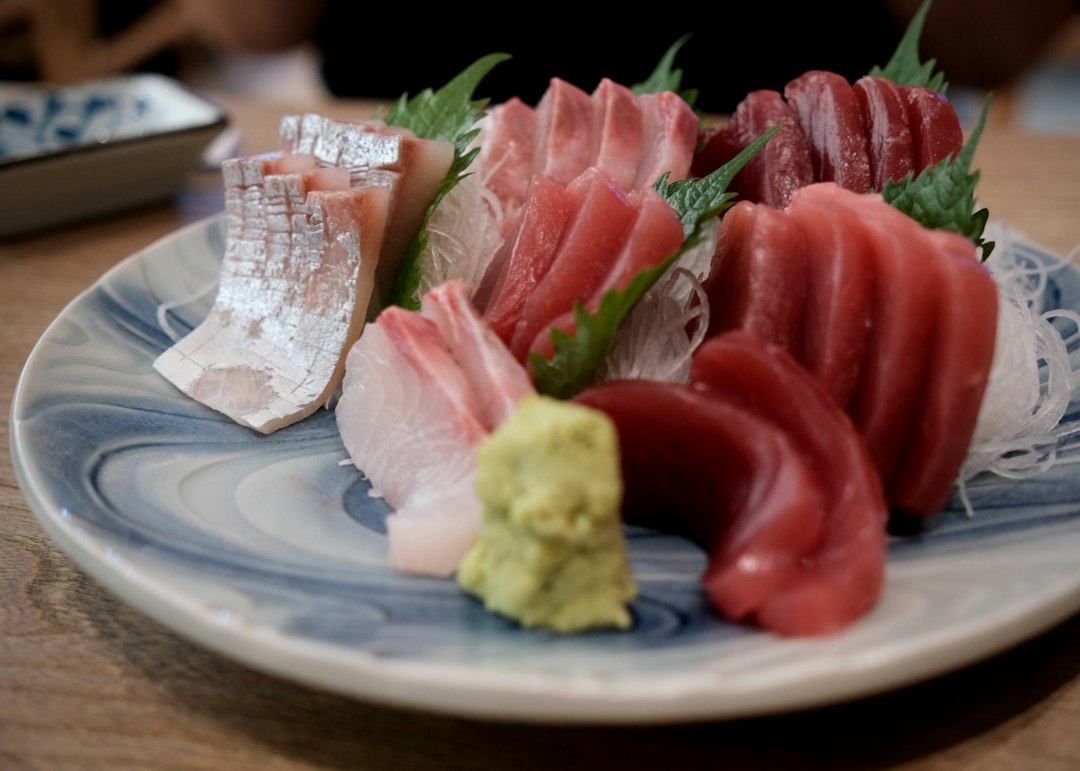
Basashi is the headline. Horse-meat sashimi, served raw and sliced thin, with sweet soy sauce, grated ginger, and ribbons of onion. Kumamoto is Japan’s largest horse-meat producer, and the quality of what you’ll find here is incomparable — the texture is silky, the flavor gentle and slightly sweet. If you’ve eaten steak tartare, the jump isn’t far. Go to a specialist restaurant for the full-course experience, which takes you through multiple cuts from lean to richly marbled. A full basashi dinner runs ¥4,000–¥8,000 and is worth every yen.
Karashi renkon is the crunchy counterpoint — lotus root stuffed with a mustard-miso paste so hot it clears your sinuses, deep-fried in yellow batter. The combination of the lotus root’s snap and the delayed mustard burn is addictive. Street vendors at Sakura-no-baba Josaien sell individual pieces for a few hundred yen.
Taipien is the sleeper. A glass-noodle soup that came over from Fujian Province more than a century ago and became Kumamoto’s unofficial soul food — it’s served in school cafeterias and neighborhood restaurants alike. Rich pork-and-chicken broth, springy glass noodles, a soft-boiled egg. Not famous outside the prefecture. Should be.
Kumamoto ramen stands apart from its Hakata cousin through one ingredient: mayu, a roasted garlic oil that turns the pork-bone broth dark and nutty. The noodles are thicker and straighter. If you’re coming from Fukuoka’s tonkotsu ramen scene, this is the regional variation that’ll recalibrate your palate.
The Day Trip: Mount Aso’s Restless Caldera
Ninety minutes northeast of the city, Mount Aso is Japan’s most active volcano and one of the largest calderas in the world. The caldera itself is staggering — roughly 25 kilometers across, with entire towns and farms inside it. On a clear day you can peer into the steaming Nakadake crater from the observation deck — the sulfurous plume rising from vivid green-blue water, the ground warm beneath your shoes. On a closed day (check before going; the volcano sets its own schedule), the drive through the caldera grasslands is still extraordinary, with cattle grazing on slopes that look more like the Scottish Highlands than anything you’d expect in Japan.
The Aso Volcano Museum provides context without being dry about it, and its live camera feed into the crater means you get the view even when access is restricted. Combine the volcano with a stop at Daikanbo lookout, where the caldera’s full scale hits you — five concentric peaks ringing a basin that’s been inhabited for millennia — and you have a day trip that justifies renting a car. This is the one time in Kumamoto where driving beats the train. A guided tour is the smarter play if you’d rather not navigate mountain roads, and most include a stop at Takachiho Gorge across the border in Miyazaki Prefecture — a basalt-walled river canyon with rental rowboats that thread beneath a waterfall.
Book an Aso & Takachiho Gorge day tour from Kumamoto
Shimotori After Dark
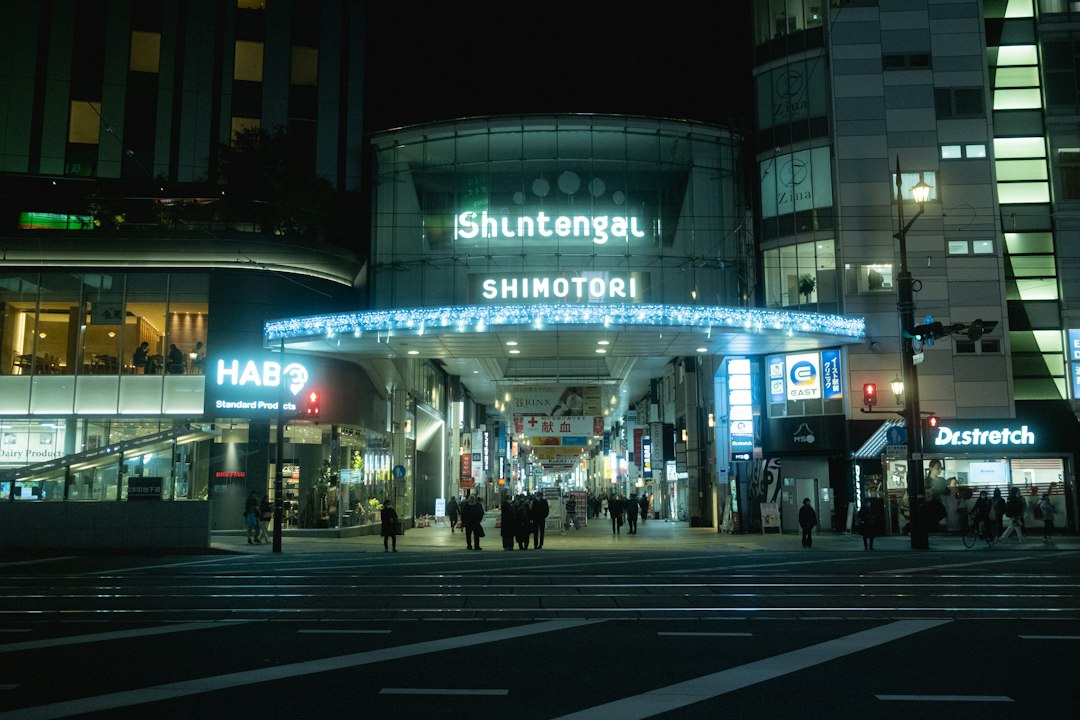
The Shimotori shopping arcade is fine during the day — discount stores, matcha soft serve, anime shops in Upper Shimotori. Come back at nine. The arcade flips into Kumamoto’s main nightlife strip with an abruptness that’s almost theatrical. Izakaya slide their doors open, ramen counters start their evening rush, and the neon signs that looked dormant at noon are suddenly the main attraction.
Walk the full length of Shimotori, pick a side street that looks promising, and sit at a counter. This is the best way to eat basashi for the first time — a six-seat izakaya where the owner pours your shochu and explains each cut. Kumamoto’s shochu culture deserves a mention of its own — the local sweet-potato distillate is smoother than you’d expect, and the best izakaya will walk you through a tasting of two or three regional labels alongside your meal.
Before dinner, stop at Sakura-no-baba Josaien at the foot of the castle. It’s a tourism complex, yes, but a well-done one — food stalls selling karashi renkon and ikinari dango by the piece, souvenir shops with actual local craft rather than keychain junk, and the best vantage point for photographing the castle’s stone walls at close range. During sakura season the courtyard fills with blossoming trees and vendors selling cherry-blossom mochi. If you’re staying near the castle, the walk home through quiet residential streets at midnight is its own small pleasure.
Two Nights, Not Two Hours
Kumamoto’s rhythm asks for at least two nights. Day one: the castle viewing corridor in the morning, Suizenji Garden and the teahouse in the afternoon, Shimotori for dinner and the evening. Day two: Mount Aso day trip, returning for a basashi dinner and the castle illumination after dark. You could compress it — people do — but you’d lose the pace, and the pace is the point. Kyushu runs slower than Honshu. Kumamoto runs slower than most of Kyushu.
The Shinkansen from Hakata (Fukuoka) takes 40 minutes. From Kagoshima-Chuo, it’s 45. The city tram covers all the major sites for ¥180 a ride, or get a ¥500 day pass.
Where to Sleep in Kumamoto
Shimotori / City Center is the right choice for most visitors. You’re walking distance to the castle, the garden tram stop, and every restaurant that matters. Business hotels in this area start around ¥5,000 and are clean, compact, and efficient in the way that only Japanese business hotels manage. For a two-night stay, this location means you’ll never need a taxi.
Browse Kumamoto City Center hotels on Booking.com
THE BLOSSOM KUMAMOTO is the step-up pick — a 3.5-star property with thoughtful design and a genuinely welcoming atmosphere. It sits in the sweet spot between budget business hotel and overdesigned boutique. The common areas feel considered rather than decorated, which is harder to find than it sounds in Japanese mid-range hotels.
Check availability at THE BLOSSOM KUMAMOTO
VIA INN Prime Kumamoto opened in July 2026 directly in front of JR Kumamoto Station. If your Kyushu itinerary is rail-heavy, the location is unbeatable — step off the Shinkansen and into the lobby. Large public bath, family rooms, and a convenience store downstairs. The station area is quieter at night than Shimotori, but the tram connects you to the city center in fifteen minutes.
Check availability at VIA INN Prime Kumamoto
A Few Things Worth Knowing
Kumamoto’s tram system is the easiest way to get around the city. Two lines, ¥180 flat fare, and a ¥500 day pass if you’re doing both the castle and Suizenji Garden in one day. The tram stops are well-signed in English and the system is impossible to get wrong. IC cards (Suica, Pasmo, ICOCA) work on the tram and buses.
Credit cards are widely accepted at hotels, major attractions, and chain restaurants, but smaller izakaya and street vendors at Josaien are often cash-only. Carry ¥5,000–¥10,000 in cash for evening eating and incidentals. 7-Eleven ATMs accept international cards and are everywhere.
If you’re traveling between Fukuoka and Kagoshima, a JR Kyushu Rail Pass covers the Shinkansen segments and the local trains. The three- or five-day Northern Kyushu pass is the best value if Kumamoto is your southernmost stop. Book the pass online before arriving in Japan — buying at the station costs more.
Ready to Plan Your Trip to Kumamoto?
You’ve done the reading. Here’s everything you need to make it happen.
🎟️ What to Book in Advance
- Guided Kumamoto Castle and city walking tour
- Aso & Takachiho Gorge full-day tour from Kumamoto
- Browse more Kumamoto experiences on Viator
📦 Pack Right
Marmot PreCip Eco Packable Rain Jacket — Kumamoto’s springs are glorious but wet, and you’ll be walking between outdoor sites all day.
Some links in this post are affiliate links. If you book through them, CuriosityTrail earns a small commission at no extra cost to you. Recommendations are chosen on merit; commissions never decide what’s included.