Stockholm in Winter: Where to Go After the Christmas Markets Close
Quick Essentials
- 📍 Best Time to Visit: 26 December through mid-January — the Christmas markets are over, the crowds are thin, and the city turns to saunas, skating and the first semlor of the year.
- ✈️ Getting There: Search flights on Skyscanner | Fly into Stockholm Arlanda and compare direct and one-stop options from major North American hubs
- 🏨 Where to Stay: Browse Stockholm hotels on Booking.com
- 🎟️ Don’t Miss: Winter boat tour through the inner archipelago on GetYourGuide
- 💰 Budget Range: Pricey by North American standards, softened by low-season hotel rates. The Kungsträdgården rink is free; Skansen, the Vasa and Fotografiska are where the money goes.
Hours and schedules in this guide are current as of the date it was posted (October, 2026). Check each venue’s own page for updates before you book.
Stockholm does Christmas thoroughly, and then it stops. The Skansen Christmas market closes on 20 December (2026), the stalls come down, the tourists fly home, and what’s left is the city itself, which turns out to be much better company.
Around New Year’s, the sun gets a little over six hours a day to work with, and by the end of January it manages closer to eight. Swedes respond to this the way they respond to most problems: with a system. Candles in every window, saunas, a bakery counter that suddenly fills with cream buns. They call the result mys, roughly coziness, and they practise it with real discipline.
If you’ve done Stockholm on a summer terrace, or on a mulled-wine weekend in December, this is the third version of the city: slower, darker, warmer indoors. If you need a terrace and a long evening, come in June. If you want a capital that has stopped performing for visitors, come now. It comes with one honest warning: it is dark, so put the outdoor things between mid-morning and mid-afternoon and let the museums, the bakeries and the sauna handle the edges of the day.
When the Markets Pack Up
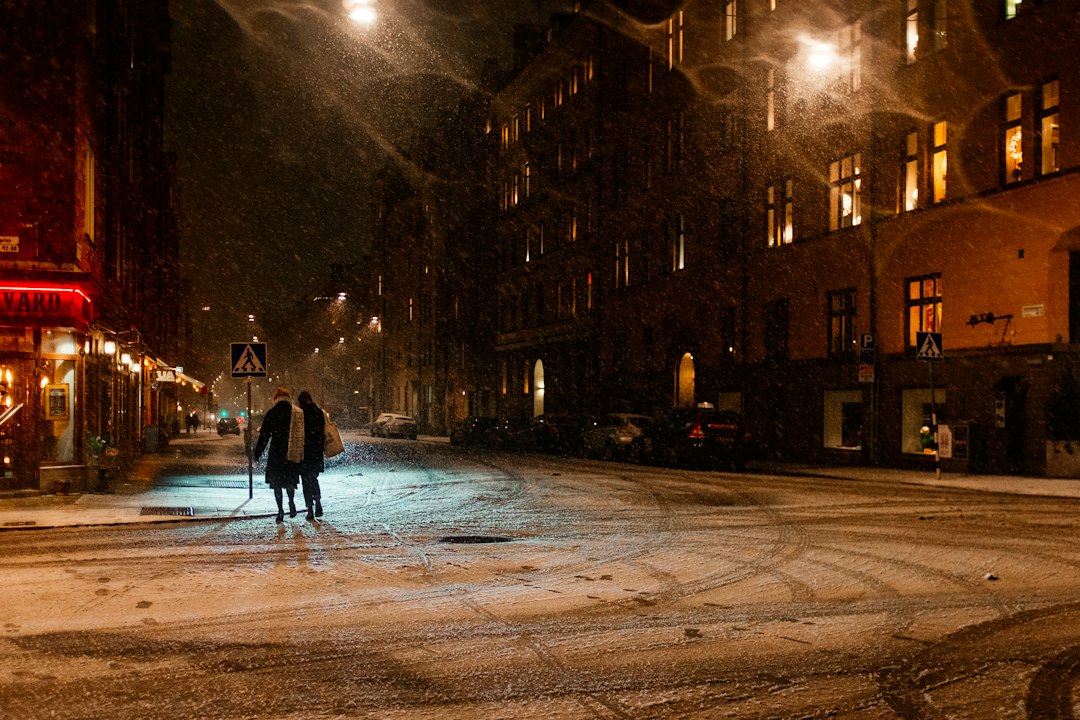
The week between Christmas and New Year is the quietest stretch of the calendar. The Old Town, empty of market crowds, goes back to being a tangle of narrow lanes with a palace at one end, and the whole city has the slightly hushed feel of a house after the guests leave. Some places keep holiday hours on 24 and 25 December, on New Year’s Day and on Epiphany on 6 January, so check each venue’s own page before you build a day around it. Tant pis if you skip that step and find a locked door.
Two things worth knowing about the calendar. First, Skansen, the open-air museum on Djurgården, stays open every day of the break. From 25 December 2026 to 10 January 2027 it runs 10:00 to 16:00, and on New Year’s Eve (31 December 2026) it reopens for the evening, 20:00 to midnight. Second, semlor, the cardamom buns that define a Swedish winter, start appearing in bakeries and cafés just after New Year’s Eve. Fat Tuesday is the traditional day for them, but no Stockholm bakery is waiting for the date.
Snow is likely but not promised. Winters here have turned milder and less predictable, so pack for cold and wind and treat a white city as a bonus. The tradition that closes out the season is Tjugondedag Knut on 13 January, twenty days after Christmas, when Swedes finally take down the tree. If you can stay that long, the city is lighter by then, in every sense.
Where to Sleep When the Days Are Short
In a season where the light is gone by mid-afternoon, location matters more than room count. You want to walk home, not commute home. Three options, three moods.
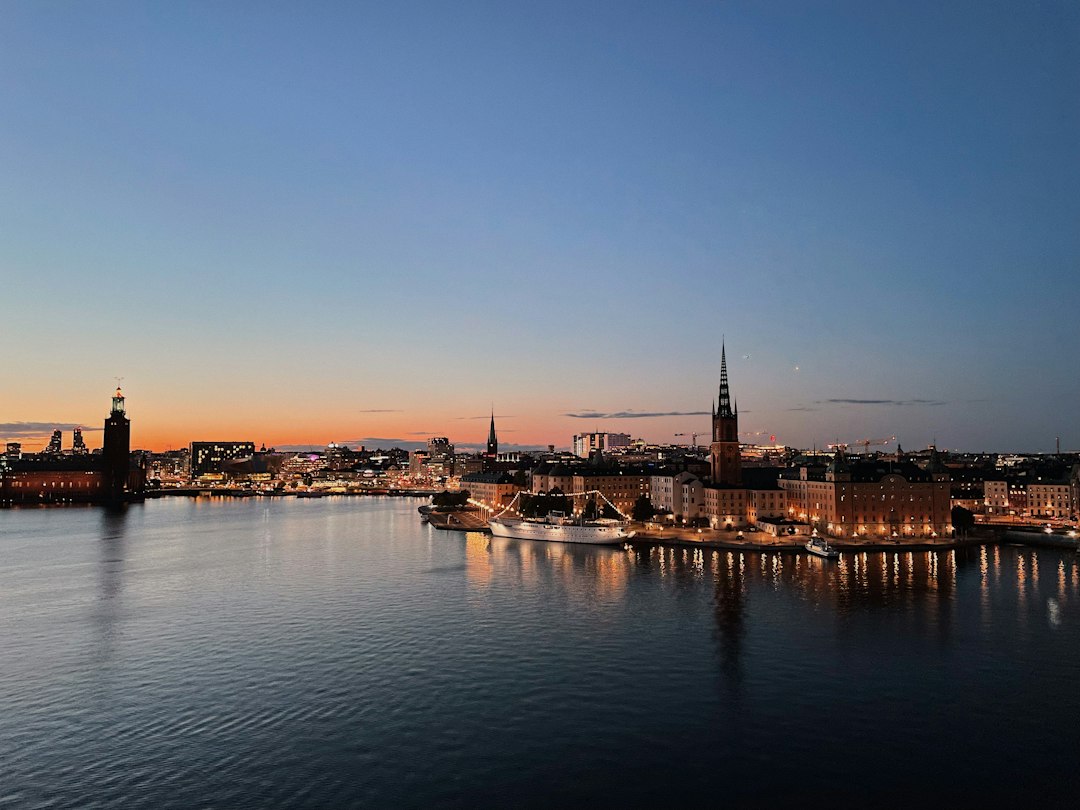
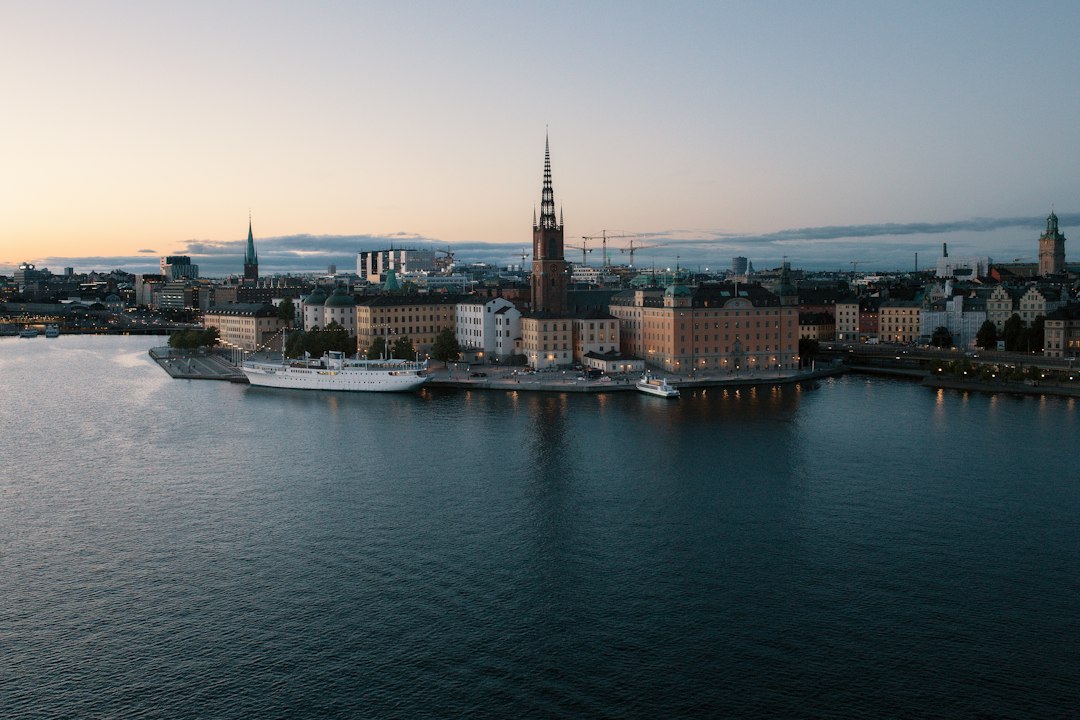
Grand Hôtel Stockholm. The splurge, and the one that makes the most of the dark. It sits on the Blasieholmen waterfront directly opposite the Royal Palace and the Old Town, so the lit-up skyline across the water becomes your evening entertainment. In a month of early dusk, a window that faces the palace is the whole point.
→ Grand Hôtel Stockholm
Hotel Skeppsholmen. A design-led stay in a building roughly 300 years old on the small island of Skeppsholmen, a short walk over the bridge from Östermalm. It is calm in a way the center rarely is, with the rest of town just across the bridge. This is the pick for a mid-to-upper budget and a clear head.
→ Hotel Skeppsholmen, Stockholm
Hotel Rival. A boutique hotel in a 1930s Art Deco building on Mariatorget, in Södermalm, designed as a cinema and still dramatic. Södermalm is a residential, café-heavy district, which suits the post-Christmas mood: you can walk to dinner and walk home in the dark. The mid-range choice with character.
→ Hotel Rival, Stockholm
January is typically Stockholm’s quiet season for hotels, so if one of these is a stretch in summer, compare rates before you rule it out.
What to Do in Stockholm With a Short Day
Build the day around the light. Outdoor things go first, indoor things go last.
Skansen, early. Skansen is the world’s first open-air museum, a hillside of historic buildings gathered from across Sweden, and it is better in the quiet weeks than in the crowded ones. It is open every day, and the Christmas market has gone, so you get the wooden farmsteads and the town quarter without the queues. The children’s zoo and the Baltic Sea Science Center are included in admission; the Aquarium needs a separate ticket. Children from 0 to 15 get in free, and the entrances take cards only, so no cash. From 11 January 2027, weekday hours drop to 10:00 to 15:00, so go earlier in the day.
The Vasa, once the light goes. The Vasa is the warship that sank in Stockholm harbour on her maiden voyage in 1628 and was raised in 1961, and she now sits almost intact in a purpose-built museum on Djurgården. The museum’s own estimate is that most visitors spend an hour and a half to two hours. A short film about her story runs daily, and the audio guide is free. It is also cashless, so bring a card. In a month where afternoons are dark, a warm hall with a 17th-century ship inside is a very good place to be.
→ Guided tour of the Vasa Museum
Gamla Stan, at dusk. The Old Town is fine at noon and much better at dusk, when the lamps come on and the lanes empty out. Walk it without a plan, with Stortorget as the anchor. A guided walk is worth it if you want the layers of history rather than the postcard.
→ Gamla Stan walking tour
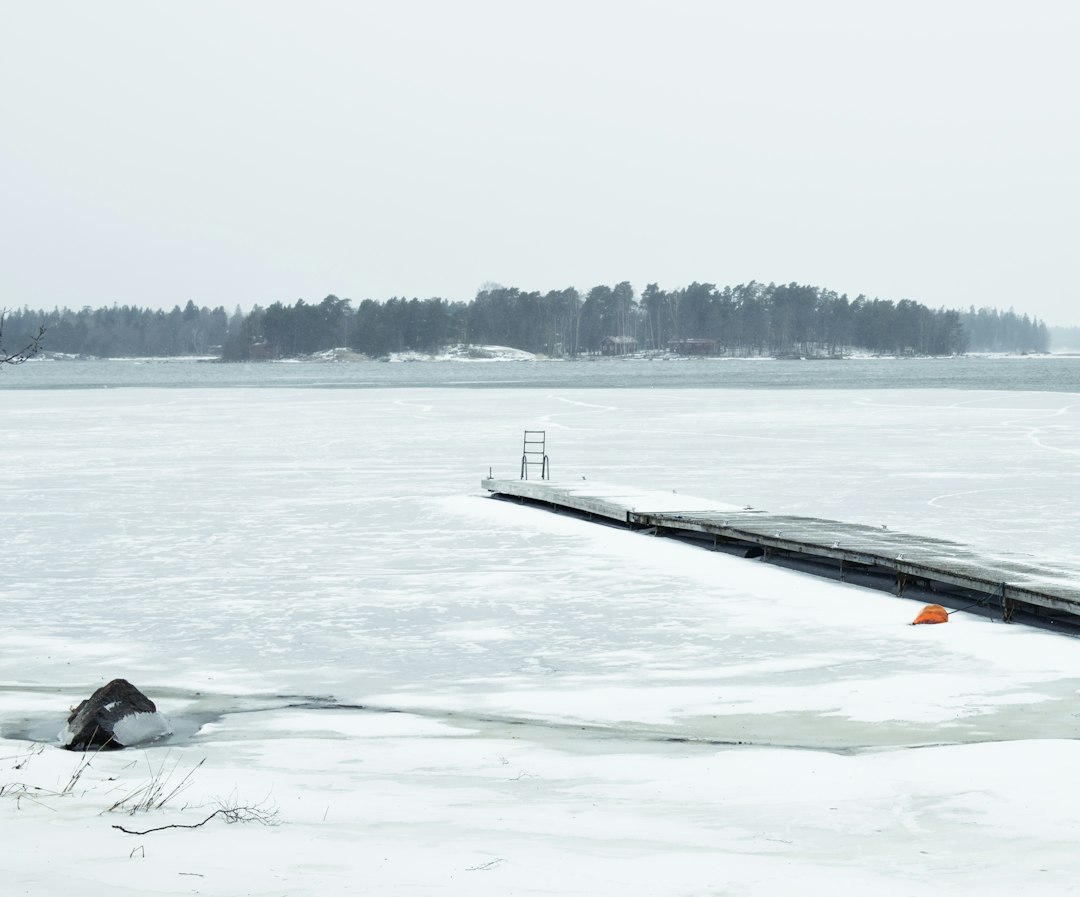
The archipelago, in its sparest form. The inner archipelago in winter is granite, ice and low sun, with very few people. Operators run guided winter cruises from central Stockholm, which are the easiest way to see it from the water with a blanket and a hot drink. Vaxholm, the main town of the inner archipelago, is the usual day-trip target and is normally reachable on the public ferries, but the winter timetable is thin. When ice forms, schedules adapt, so check departures and the last return before you leave the city, and keep the plan flexible.
→ Winter boat tour through the Stockholm archipelago

A Day That Works Around the Light
Here is how the pieces fit together on a day in the holiday week. Start at Skansen when it opens at 10:00, because it closes at 16:00 and you want the daylight for the hillside. Eat lunch at Östermalms Saluhall, then spend the early afternoon indoors at the Vasa. Walk Gamla Stan as the lamps come on. Finish at Fotografiska, which stays open until 23:00 and has a bar and restaurant on site, so the evening takes care of itself.
It is a full day, and not one minute of it depends on the weather. On a quieter day, drop the Vasa and give the whole afternoon to the sauna at Hellasgården instead. Either way, the rule is the same: spend the light outside, and the dark inside something warm.
Heat First, Then Ice
The Swedish winter ritual is simple: get very hot, then get very cold, then drink coffee. The best place to do it without joining a club is Hellasgården, a recreation area in the Nacka nature reserve about 20 minutes from downtown. In winter, skating and cross-country skiing take over the lake and the trails, and a hole is cut in the ice for the bravest swimmers. There is a sauna on site, and Storstugan serves fika and light lunches afterward.
Two caveats. The ice hole depends on the lake actually freezing, and not every winter obliges. And sauna etiquette is stricter than visitors expect: check the day’s session schedule, since some are single-sex, and be prepared to go without a swimsuit in the sauna itself. The Swedish rule for any winter dip is: sauna, plunge, sauna again, then something warm to drink. Going straight from the street into the ice is for people with more courage than sense.
If sauna is not your idea of a holiday, the Kungsträdgården ice rink sits in the middle of town and is free and open to all in the winter season, weather permitting. Skip the frozen lakes unless you are with an experienced guide, and treat any “svag is” sign, which means weak ice, as a hard stop.
The Table: Semlor, Saluhall and a Proper Fika
This is the section of the trip you can plan with confidence, because the best of it is indoors and warm.
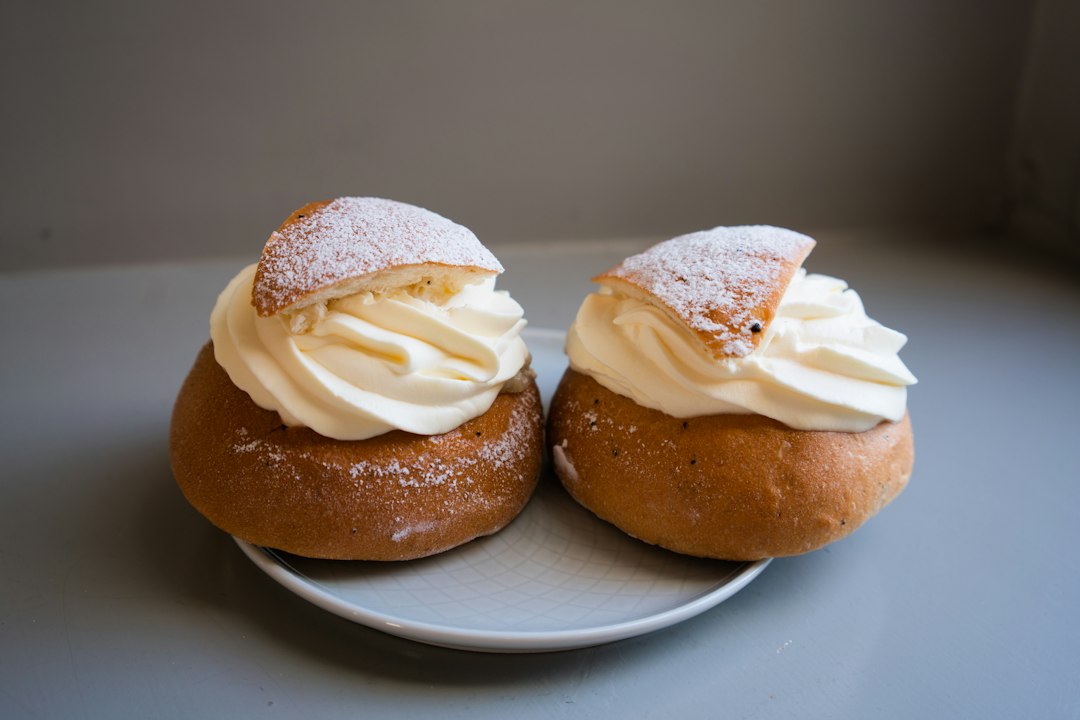
Semlor. A semla is a cardamom-scented wheat bun split open and filled with almond paste and whipped cream, with the lid dusted in icing sugar. The old-school way is to eat it floating in a bowl of warm milk, which Swedes call hetvägg. Start in January and don’t wait for Fat Tuesday. Order one with coffee, sit down, and take your time.
Vete-Katten. A patisserie on Kungsgatan that has been on the same corner since 1928, with a pastry counter that does cinnamon buns the way they’re supposed to be done. Fika, the Swedish coffee-and-pastry break, is a daily habit rather than a treat, and this is the place to learn why.
Östermalms Saluhall. The 1888 food hall on Östermalmstorg reopened in 2020 after renovation. Go for the seafood counters and the open sandwiches, and eat at the bar rather than packing a takeaway; the room is half the experience.
A Thursday habit. Pea soup followed by pancakes on a Thursday is a long-standing Swedish lunch tradition, and many traditional lunch kitchens still serve it. If a café still has glögg, the spiced mulled wine, on the board in January, order it.
Practical Notes for the Dark Months
Bring a card. Skansen, the Vasa and Fotografiska all run cash-free, and most of Stockholm assumes you do too. For public transport, use SL, the city’s transit system: check current ticket options on the SL website or in its app before you travel, since fares are changed periodically.
Plan one evening for Fotografiska. The photography museum is housed in a former customs house on the Södermalm waterfront and is open daily from 10:00 to 23:00, including public holidays other than Midsummer Eve. Last entry is 30 minutes before closing, and the museum suggests at least 90 minutes. It is the single best answer to a mid-afternoon sunset.
Layers beat bulk. A wind-proof outer layer, a hat and gloves will matter more than a heavy coat, because the wind coming off the water is what gets you. Finally, check hours for the specific dates you are visiting. Opening times shift around the holidays, Skansen’s schedule changes again on 11 January 2027, and everything here is current only as of the date this article was posted, so confirm with each venue before you book.
Stay until 13 January if you can. That is when Sweden finally takes out the tree and admits Christmas is over, and the city, already gaining light by the day, gets on with it.
Ready to Plan Your Trip to Stockholm?
You’ve done the reading. Here’s everything you need to make it happen.
🎟️ What to Book in Advance
- Winter boat tour through the Stockholm archipelago
- Gamla Stan (Old Town) walking tour
- Browse more Stockholm experiences on Viator
Some links in this post are affiliate links. If you book through them, CuriosityTrail earns a small commission at no extra cost to you. Recommendations are chosen on merit; commissions never decide what’s included.