Pittsburgh, Pennsylvania: The Steel City That Learned to Wander
Quick Essentials
- 📍 Best Time to Visit: Mid-September through October — warm afternoons, cool evenings, and the wooded hills around the rivers turning copper.
- ✈️ Getting There: Search flights on Skyscanner | Direct from New York (JFK), Toronto and London Heathrow
- 🏨 Where to Stay: Browse Pittsburgh hotels on Booking.com
- 🎟️ Don’t Miss: Strip District food tour on GetYourGuide
- 💰 Budget Range: Mid-range for a Downtown or Lawrenceville hotel and eating well; noticeably kinder on the wallet than most East Coast cities.
Pittsburgh has a habit of surprising people who arrive expecting smokestacks. The mills are mostly gone, but the city kept their bones: the brick warehouses, the steep streets, the bridges that seem to be everywhere, and the three rivers that made it an industrial power in the first place. What changed was what the city decided to do with all that.
Pittsburgh’s reinvention is not a single district with a glossy masterplan. It’s scattered and slightly improvised, which is precisely why it works. Andy Warhol’s hometown now houses the largest museum anywhere devoted to a single artist. A former mattress warehouse on the North Side became one of the country’s most adventurous installation-art spaces. And the Strip District, once the city’s wholesale produce yard, still opens before most of the country is awake, only now the crowd is as likely to be queuing for espresso as for fish.
If you’ve done the obvious American cities and fancy one that rewards walking, eating and looking up, this is it. Pittsburgh is a city to be read from several vantage points: from a red incline car climbing Mount Washington, from a stool at a Strip District counter, from a gallery floor on the North Side. Give it a long weekend. It will hold your attention for more.
When Pittsburgh Is at Its Best
Mid-September through October is the easy answer, and the right one. The heat of summer has gone, the light over the rivers turns soft and gold by late afternoon, and the hillsides that wrap around the city — Pittsburgh is far greener than its reputation — start to colour. It is the best season for walking between neighbourhoods, which is how this city should be done.
Late spring is the runner-up. May and June bring long evenings and patio tables back onto Butler Street, and the North Side’s Victorian streets are at their prettiest with the trees in leaf. Summer is perfectly pleasant but humid, and baseball and stadium crowds fill the North Shore on game days.
Winter is grey, and Pittsburgh does grey with conviction. The museums don’t mind, of course, and the incline view after dark is if anything sharper in cold air. But the neighbourhood wandering that makes this city special works best when you can linger outside.
Where to Stay: Butler Street or the Golden Triangle
Pittsburgh is compact enough that your choice of base is about character rather than convenience. The two sensible options are Lawrenceville, if you’d like to walk home from dinner, and Downtown — the Golden Triangle — if you’d like everything else within a short stroll or a bridge crossing.
TRYP by Wyndham Pittsburgh/Lawrenceville. A converted education building on the neighbourhood’s edge, with local art on every floor and a rooftop bar looking over the river and the city. It’s the mid-range pick and the one that puts you right where the evenings happen. → TRYP by Wyndham Pittsburgh/Lawrenceville
Kimpton Hotel Monaco Pittsburgh. A Beaux Arts former law-firm building Downtown, given the playful Kimpton treatment — think birdcages and bold wallpaper rather than beige. It’s a short walk to the Cultural District, the Strip and the bridges to the North Side. → Kimpton Hotel Monaco, Downtown Pittsburgh
Omni William Penn Hotel. The grande dame, open since 1916, with a lobby built for an age when steel money liked to be seen spending itself. Afternoon tea is served, and it’s the splurge that feels most like Pittsburgh’s history rather than anybody’s brand guidelines. → Omni William Penn Hotel, Downtown Pittsburgh
The North Side: Warhol, the Mattress Factory and Randyland
Start across the Allegheny. The Andy Warhol Museum on Sandusky Street is the obvious headline and, unusually for an obvious headline, deserves the fuss. Floor after floor of a former industrial warehouse traces the whole arc of the man, from the commercial illustrator to the silver-wigged celebrity, and the archive material — the time capsules, the screen tests — is where it gets properly strange and compelling. It’s open every day except Tuesday, with a late night on Fridays until 8 p.m.; adult admission is $25. Go on the Friday evening if you can. → Andy Warhol Museum admission ticket
Then walk west into the Mexican War Streets, a tight grid of Victorian rowhouses named, oddly, after battles of the Mexican-American War. This is where you’ll find the Mattress Factory, which has been commissioning room-sized installations since long before that was fashionable. The work is spread across several buildings on the neighbourhood’s quiet streets — you check in on Jacksonia Street — and some pieces are less exhibits than experiences, rooms you walk into and lose your bearings in. It’s closed on Tuesdays, and Mondays are by appointment only; check the venue’s page for current hours and prices.
Around the corner, Randyland is the antidote to all that seriousness. Randy Gilson has spent decades turning a corner lot on Arch Street into a riot of painted chairs, found objects and colour, and visiting is free. It’s an outdoor folk-art yard on a residential street, so behave as you would in anybody’s garden.
The three together make a near-perfect day: the most famous artist Pittsburgh produced, the most experimental museum it built, and the most joyful thing one resident ever did with his front yard. You’ll spend the afternoon on foot, and you won’t regret a step of it.
Reading the City From Mount Washington
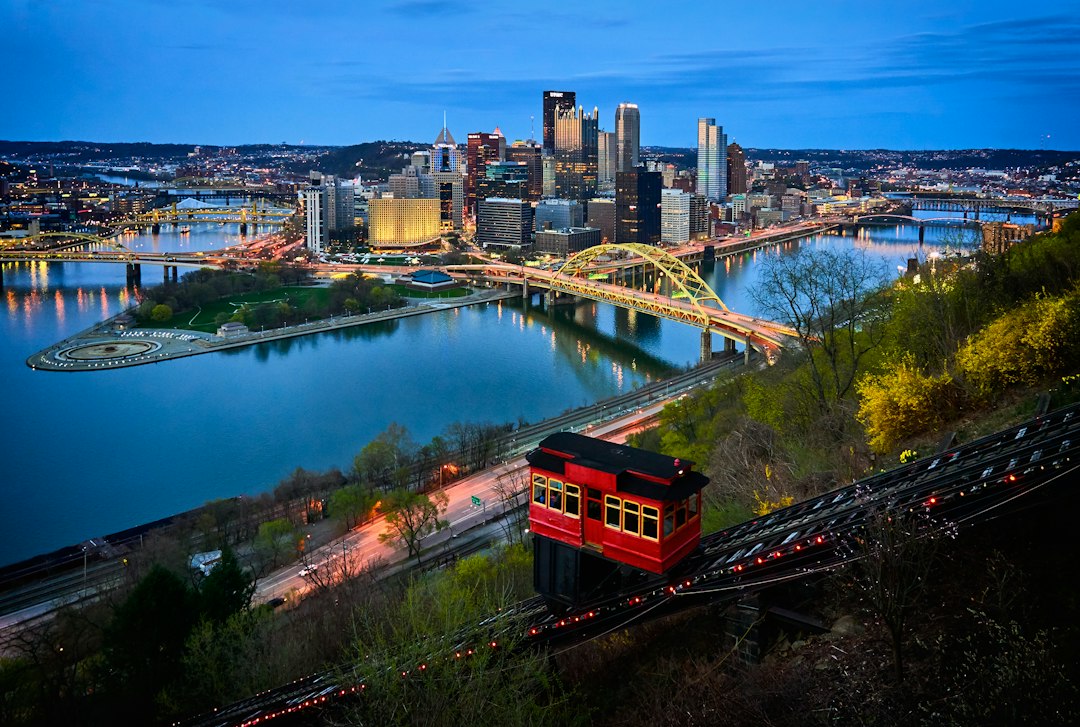
Pittsburgh makes sense from above. The Duquesne Incline, opened in 1877, hauls its original red cars up the face of Mount Washington from West Carson Street to Grandview Avenue, rising about 400 feet above the rivers in a ride that lasts only a few minutes. It runs every day of the year from early morning until 12:30 a.m. The adult one-way fare is $2.75, and it’s exact cash or a transit card only — no credit cards, though there’s a change machine.
Go at dusk. From the observation deck you see the whole argument for the city laid out at once: the Allegheny and the Monongahela meeting at the Point to form the Ohio, the yellow bridges stitched across them, the towers of the Golden Triangle lighting up one by one. The upper station has a small exhibit on the incline’s history and the original wooden machinery still turns below your feet. There are no public restrooms, which is worth knowing before you queue.
If you’d rather see the bridges from beneath than above, a sightseeing cruise on the three rivers gives you the city’s best angle on its own industrial engineering, and the stadiums and North Shore from the water. → sightseeing cruise on Pittsburgh’s three rivers
For a longer view of how it all fits together, the Carnegie Museums in Oakland repay half a day. One ticket covers both the Museum of Art and the Museum of Natural History on Forbes Avenue, and Thursday evenings run until 8 p.m. Andrew Carnegie made his fortune in this city’s steel; this is where some of it went.
The Strip District Before Lunch
The Strip District was Pittsburgh’s wholesale market, a half-square-mile ribbon of warehouses between the Allegheny and the hillside where produce, fish and meat came in by rail and river. It still works, which is the point. Come early in the morning, when the shops are stocking up, the coffee is roasting and the pavements are more locals than visitors.
Begin with a standing espresso at La Prima Espresso Co., which has the energy of an Italian bar and none of the ceremony. Then wander. Wholey’s Fish Market is busy and gloriously unpretentious. Pennsylvania Macaroni Co. has a cheese counter of real seriousness, where a hunk of something aged and a bag of dried pasta will see you through a picnic. Penzeys Spices smells exactly as you’d hope.
A guided tasting walk is the efficient way in if you have one morning. It gives you the history behind the stalls and a route that doesn’t involve doubling back. → guided Strip District food tour
By late morning, step into the Heinz History Center, Pennsylvania’s largest history museum, which sits in a former ice warehouse at the Strip’s edge. It covers far more than ketchup, and it explains the steel century more vividly than anywhere else in town. Finish at Wigle Whiskey, which distils Pennsylvania rye with a fondness for the Whiskey Rebellion and a tasting room that rewards an unhurried visit.
Lawrenceville After Dark
Upriver from the Strip, Lawrenceville has the most complete transformation story in Pittsburgh. Founded in 1814 and home to the old Allegheny Arsenal, it was a working mill-and-rowhouse neighbourhood for generations, and Stephen Foster — the man who wrote “Oh! Susanna” — was born here. Today Butler Street runs a long, unbroken stretch of restaurants, bars, coffee shops, vintage furniture and design boutiques, and almost none of it feels imported.
Walk it from the south end towards the north as the afternoon fades. The rhythm is useful: browse in daylight, eat in the middle stretch, then see where the evening takes you. Row House Cinema shows classics and themed seasons in a converted single-screen space, and Arsenal Lanes is a proper old bowling alley with a bar, which tells you something about how the neighbourhood has kept its sense of humour.
Before the bars fill, make time for Allegheny Cemetery at the top end of Butler Street. It’s one of the great Victorian landscaped cemeteries, with winding lanes, mature trees and a gatehouse that looks like a small castle. It’s also the quietest place for a mile in any direction, and an unexpectedly lovely spot as the light goes.
Lawrenceville is not a place to plan too precisely. Pick a street, follow whatever smells good, and leave room for a second dinner. The neighbourhood rewards curiosity more than reservations.
The Table: Sandwiches, Pierogi and a Standing Espresso
Pittsburgh food is unfussy, generous and quietly shaped by everyone who came to work the mills — Polish, Slovak, Italian, Croatian, Irish. You can eat very well here without going near a tasting menu.
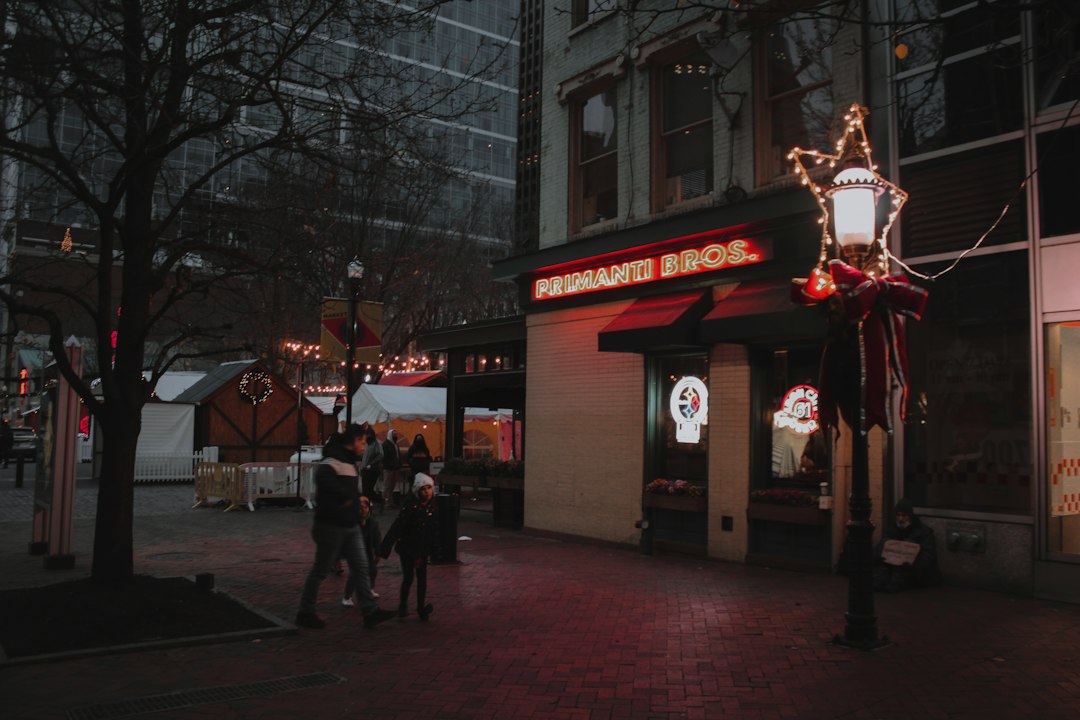
Primanti Bros. on 18th Street in the Strip is the original, and the sandwich is exactly as advertised: meat, cheese, coleslaw and fries all piled between thick slices of Italian bread. It is not subtle and isn’t trying to be. Have one, once, at a counter.
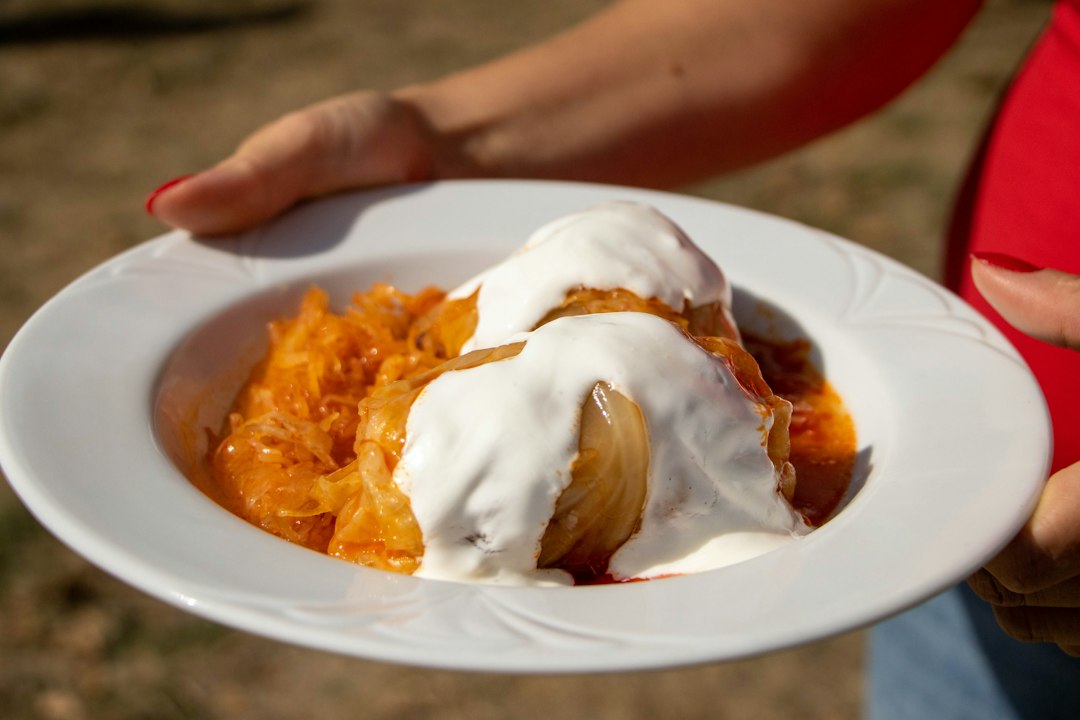
Pierogi are the city’s real comfort food — you’ll find them on bar menus, in church-hall fundraisers and in the freezers of the Strip’s delis. Order them fried with onions and a dollop of sour cream, and don’t be surprised to see them on the same plate as a kielbasa.
For breakfast, the Strip’s old diners — Pamela’s, DeLuca’s, Kelly O’s — do the full American morning in rooms that look as though they haven’t changed in decades. Expect a queue at weekends and plates that justify it.
Close with a glass of Pennsylvania rye. Wigle Whiskey is the obvious place to taste it, and the local rye tradition — older than bourbon’s — is the right note to end on in a city that has always made things.
A Few Things to Know Before You Go
Pittsburgh is hilly, and the hills are steep. Comfortable shoes are not optional, and some of the quickest routes on a map involve stairs — the city has hundreds of public staircases — rather than streets.
Keep a few dollars of exact change for the incline. Check museum days before you plan: both the Warhol and the Mattress Factory close on Tuesdays, and the Carnegie Museums do too outside summer. The Strip is a morning place; many of its shops wind down by mid-afternoon, so don’t leave it until after lunch.
A car is useful for the hillside neighbourhoods but a nuisance Downtown. Between the Golden Triangle, the North Side, the Strip and Lawrenceville, walking, a short rideshare or the buses will do nicely, and crossing the bridges on foot is half the pleasure. Pittsburgh doesn’t announce itself. It waits for you to notice.
Ready to Plan Your Trip to Pittsburgh?
You’ve done the reading. Here’s everything you need to make it happen.
🎟️ What to Book in Advance
- Strip District Food Tour
- Three Rivers Sightseeing Cruise
- Browse more Pittsburgh experiences on Viator
Some links in this post are affiliate links. If you book through them, CuriosityTrail earns a small commission at no extra cost to you. Recommendations are chosen on merit; commissions never decide what’s included.