Colmar Beyond Christmas: A Summer Guide to Alsace’s Most Charming Town

Quick Essentials
- ✈️ Flights:
Search flights to Basel-Mulhouse (EuroAirport) | Direct from NYC, Chicago, London — then 30–50 min by car or train to Colmar - 🏨 Hotels:
Browse hotels in Colmar | Our picks below - 🎟️ Top Experience:
Alsace Wine Route & Villages Day Tour - 🚗 Car Rental:
Compare rental cars in Colmar
📍 Best Time to Visit: Late May through mid-June — the geraniums are at full cascade, the crowds are half of what December brings, and the wine route villages are wide open.
💰 Budget Range: €120–€220 per day for two, covering a comfortable hotel, good meals, and a wine tour.
The Town That Doesn’t Need December
Colmar has a branding problem. Say the name and most people picture wooden chalets strung with lights, mulled wine in paper cups, and crowds shuffling through the Marché de Noël. The Christmas market reputation is earned — it’s one of the best in France. But it’s also a trap. It convinces people that Colmar is a seasonal destination, a one-weekend detour between Strasbourg and the ski slopes.
It isn’t. We spent ten days here in June, and by the third morning we’d stopped making plans. The old town has a rhythm that rewards aimlessness — a covered market that’s been operating since 1865, canals that catch the light differently every hour, winstubs that don’t need a reservation because the tourists haven’t arrived yet. Colmar in summer is a quieter, slower, more generous version of itself.
What makes it exceptional for experienced travelers is what surrounds it. Within thirty minutes in any direction, you’re on the Route des Vins d’Alsace, driving through villages that look illustrated rather than real. Eguisheim. Kaysersberg. Riquewihr. Each one earns a half-day, and Colmar sits at the center of all of them — calm, walkable, and surprisingly affordable for a town this beautiful.
When the Geraniums Take Over: Timing Your Visit
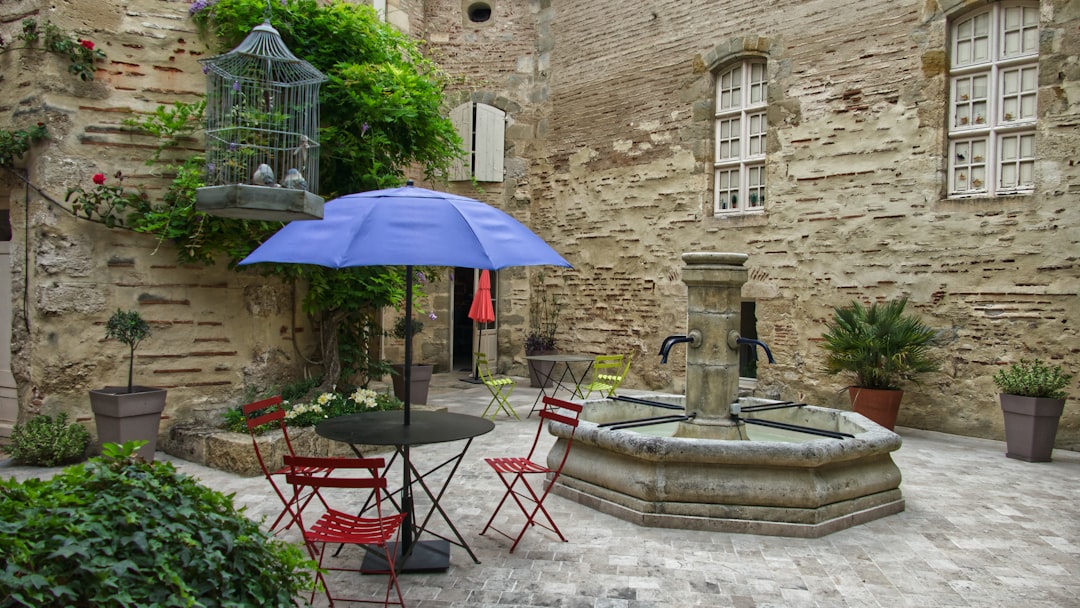
The window is tighter than you’d think. Late May through mid-June is the sweet spot — warm days around 20–24°C, geraniums erupting from every balcony box in the old town, and the wine route villages still operating at a human pace. The Fête de la Musique on June 21 fills the streets with free concerts, from classical recitals in church courtyards to Alsatian folk bands on the Place de l’Ancienne Douane. That single evening is worth timing a trip around.
September is the other smart window. The vendange — grape harvest — starts along the wine route, the light turns golden earlier in the afternoon, and the covered market fills with late-summer produce. Mornings are cool enough for long walks through the vineyards between villages.
Avoid late July and all of August if you can. The Foire aux Vins d’Alsace in late July packs the town, and August is when France goes on vacation en masse. Prices climb, restaurant tables fill by noon, and the walking rhythm that makes Colmar special gets buried under foot traffic. Christmas markets run late November through December and are genuinely wonderful — but that’s a different trip for a different reason.
Where to Sleep in a Storybook: Staying in Colmar
The old town is compact. Everything you need is within a fifteen-minute walk, which means your hotel choice is really about character, not location.
Le Colombier sits in a half-timbered building right on the canals of Little Venice. The rooms are spacious without being fussy, there’s a garden courtyard that catches the afternoon light, and the location means you can walk to dinner along the water. It’s the mid-range pick that delivers on everything without overselling itself.
→ Le Colombier on Booking.com
L’Esquisse Hotel & Spa is the splurge, and it earns it. Part of the MGallery Collection, with 62 rooms, an in-house spa, and JY’s — a gastronomic restaurant that’s worth a dinner reservation even if you’re staying elsewhere. The service is polished but not stiff. If you’re going to spend, spend here.
→ L’Esquisse Hotel & Spa on Booking.com
Hôtel Quatorze breaks the Alsatian mold. Modern, minimal, designer furniture against clean lines. A courtyard bar, a compact spa, and rooms that feel more Copenhagen than Colmar. The right choice if you love the old town but don’t need to sleep inside a half-timbered postcard.
→ Hôtel Quatorze on Booking.com
One note on neighborhoods: the area between the Musée Unterlinden and Little Venice is the core. The train station quarter is fine for transit connections but lacks soul. If you’re driving, check parking before booking — the old town streets weren’t designed for anything wider than a horse cart.

Beyond the Postcard: What to Do in Colmar
Start at the Musée Unterlinden. The 13th-century Dominican convent is reason enough, but the real draw is the Isenheim Altarpiece — a multi-panel Renaissance work that’s more unsettling and more beautiful than any photograph prepares you for. The modern wing, designed by Herzog & de Meuron and opened in 2015, connects the old convent to a former municipal bath through an underground gallery. Give it two hours.
→ Colmar highlights walking tour with wine tasting
The Little Venice boat ride is brief — fifteen minutes, maybe twenty — but the flat-bottomed boats sit low enough on the Lauch that you see the canal houses from a perspective the bridges can’t offer. Go in the late afternoon when the light is warm and the tour groups have thinned.
→ Little Venice boat ride in Colmar
Then let the town work on you. The Maison des Têtes on Rue des Têtes has 106 carved faces on its facade — grotesque, theatrical, impossible not to stare at. The covered market (Le Marché Couvert, built 1865) is a proper working market: cheese, charcuterie, breads, produce from the surrounding farms. It’s where Colmar residents actually shop, not a staged experience for visitors.
Walk the Rue des Marchands slowly. The half-timbered houses here date to the 15th and 16th centuries, painted in ochre, terracotta, deep blue, sage green. At the end of the street, you’ll find yourself at the Bartholdi Museum — the birthplace of Frédéric Auguste Bartholdi, who designed the Statue of Liberty. It’s a small museum and it doesn’t oversell itself, which is exactly what makes it good.

The Wine Route Without the Tour Bus: Day Trips from Colmar
The Route des Vins d’Alsace stretches 170 kilometers from Marlenheim to Thann, but the best section wraps around Colmar like a crescent. Three villages deserve a half-day each, and all are within twenty minutes by car.
Eguisheim is built in concentric circles radiating from a central castle. Walk the outer ring — it takes twenty minutes and the geometry is genuinely unlike any other village in France. The winemakers here are small, family-run, and more than happy to pour you a Gewürztraminer at 11am without judgment. Domaine Karcher is a reliable stop.
→ 4 Wonders of Alsace day tour from Colmar
Kaysersberg — the Emperor’s Mountain — sits at the entrance to the Weiss valley. The 13th-century castle ruins above the town offer the best view of any village along the route, and the historic center is a procession of half-timbered houses from the 15th and 16th centuries. Albert Schweitzer was born here, and the small museum dedicated to him is surprisingly moving.
Riquewihr is the most visited and the most beautiful, which is a tension that never fully resolves. Forty listed historical monuments, a fortified wall, and a single main street so photogenic it barely looks real. Come early morning or late afternoon to have it closer to yourself.
If you’d rather not drive — or if you’d rather drink freely along the route — the Kut’zig open-top bus connects Colmar to Ribeauvillé, Riquewihr, Kaysersberg, Turckheim, and Eguisheim for 29€/day, hop-on-hop-off. It’s the smartest way to do the wine route without a designated driver.
For a full guided day that covers multiple villages and includes winery visits, the Alsace Wine Route and Villages Day Tour from Colmar handles the logistics and leaves you free to focus on the tasting.
→ Alsace Wine Route and Villages day tour

The Table: Eating and Drinking in Alsace
Flammekueche (tarte flambée) is the essential dish — wood-fired, thin-crusted, topped with crème fraîche, onions, and lardons. Wistub Brenner in Little Venice serves one of the best in town, in a room that feels like it hasn’t changed in decades. Order the classic first. Variations come later.
Choucroute garnie is sauerkraut, but the Alsatian version is braised slowly in Riesling with an assortment of smoked meats — sausages, pork loin, sometimes duck. It’s heavier than you expect, so split it or plan a long walk after. La Fleur de Sel in Petite Venise does a refined version with a good terrace on the quays.
For a proper meal, Girardin at the Maison des Têtes hotel is Michelin-starred and worth the reservation. The seven-course set menu uses seasonal Alsatian ingredients with a light hand — not fussy, not trying to be Parisian, just confident cooking in a stunning dining room.
Kougelhopf is the Alsatian cake you’ll see in every bakery window — a yeasted ring studded with almonds, somewhere between bread and brioche. The sweet version (raisins, dusted sugar) is breakfast. The savory version (bacon, walnuts) goes with an evening glass of wine. Buy from a boulangerie, not a souvenir shop.
Drink Gewürztraminer at a winstub — a traditional wine tavern. It’s aromatic, slightly sweet, floral in a way that makes sense once you’ve seen the vineyards it comes from. Pair it with Munster cheese if you want the full Alsatian experience — the combination sounds wrong and works perfectly.
Pick up a bretzel from Le Marché Couvert. The Alsatian pretzel is softer and bigger than the German version, less aggressively salted, and best eaten warm while you walk.
A Few Practical Notes
Colmar is a small city, not a village — but the old town still operates on small-town rhythms. A few things worth knowing before you arrive.
Most restaurants and shops in the old town accept cards, but smaller wine producers along the Route des Vins often prefer cash. Bring euros. Tipping in France isn’t expected the way it is in North America — service is included (service compris), but rounding up or leaving a euro or two on the table for good service is appreciated.
If you’re renting a car — and you should if you plan to drive the wine route — book at Basel-Mulhouse airport or Colmar’s train station. Parking in the old town is limited and expensive; your hotel may have arrangements, so ask first. The streets are narrow, the bollards are unforgiving, and pedestrian zones activate without much warning.
The language situation is charming. This is France, and French is the primary language — but Alsatian German (Elsässisch) still exists in older generations and on some shop signs. Most people in the tourism orbit speak English. A few words of French go a long way and are always appreciated, even poorly delivered.
Trains from Colmar to Strasbourg run frequently (35 minutes) and to Basel (45 minutes). If you’re building a broader itinerary, Colmar works beautifully as a base with rail day trips in both directions.
Plan Your Trip to Colmar
Best time to visit: Late May through mid-June for warm weather, full geranium displays, and manageable crowds — or September for harvest season along the wine route.
✈️ Getting There
Search flights to Basel-Mulhouse on Skyscanner — the closest international airport, 45 minutes from Colmar by car or shuttle.
🏨 Where to Stay
- Le Colombier — Canal-side charm in Little Venice, garden courtyard, the mid-range pick that gets everything right.
- L’Esquisse Hotel & Spa — The splurge. MGallery Collection, in-house spa, and JY’s gastronomic restaurant.
🎟️ What to Book in Advance
- Alsace Wine Route & Villages Day Tour
- Colmar Highlights Walking Tour with Wine Tasting
- 4 Wonders of Alsace Day Tour
Some links in this post are affiliate links. If you book through them,
CuriosityTrail earns a small commission at no extra cost to you.
We only recommend things we’d book ourselves.