Budapest Beyond the Obvious: Thermal Baths, Ruin Bars, and the Two Cities Across the Danube
Quick Essentials
- ✈️ Flights:
Search flights to Budapest
- 🏨 Hotels:
Browse hotels in Budapest
- 🎟️ Top Experience:
Széchenyi Thermal Baths skip-the-line entry
- 🚗 Car Rental:
Compare rental cars in Budapest
Two Temperaments, One River
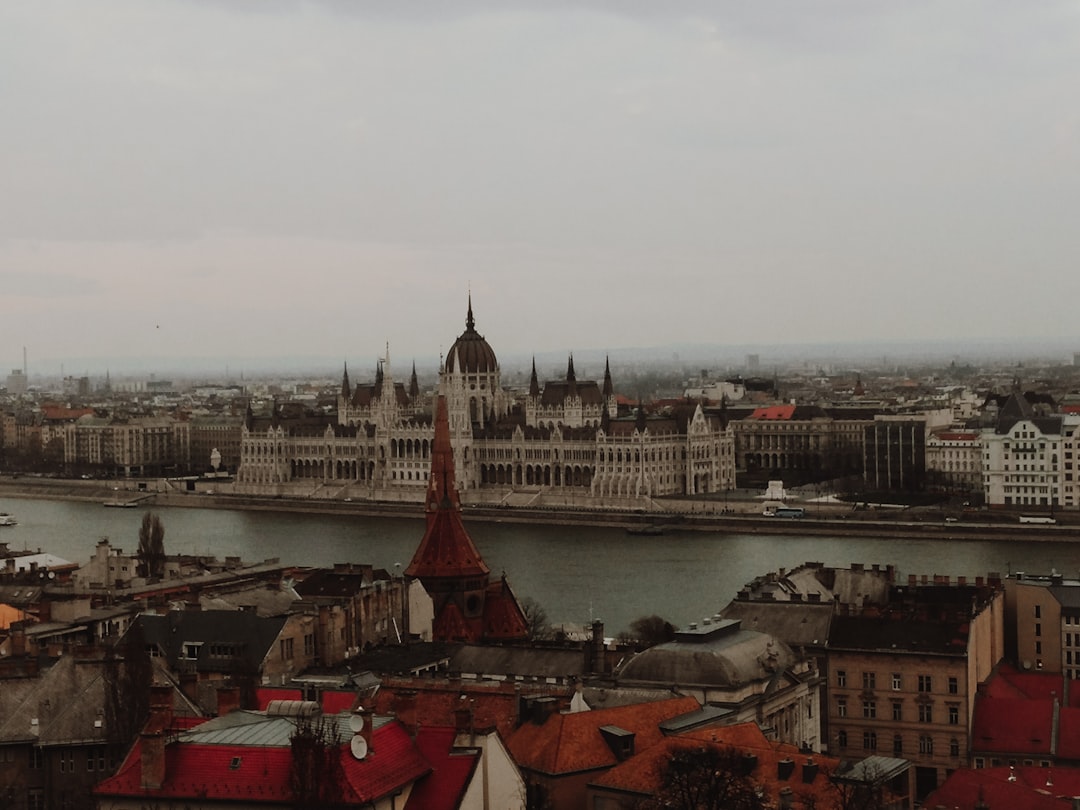
Budapest is really two cities, and most visitors only get to know one of them. They land in Pest, walk the riverbank, eat goulash near the Parliament, take a bath selfie at Széchenyi, and fly home thinking they’ve seen it. They haven’t. The city starts making sense only when you cross the Danube — repeatedly, at different hours, in different light — and realize that Buda and Pest aren’t just two halves of a whole. They’re two distinct temperaments sharing a river.
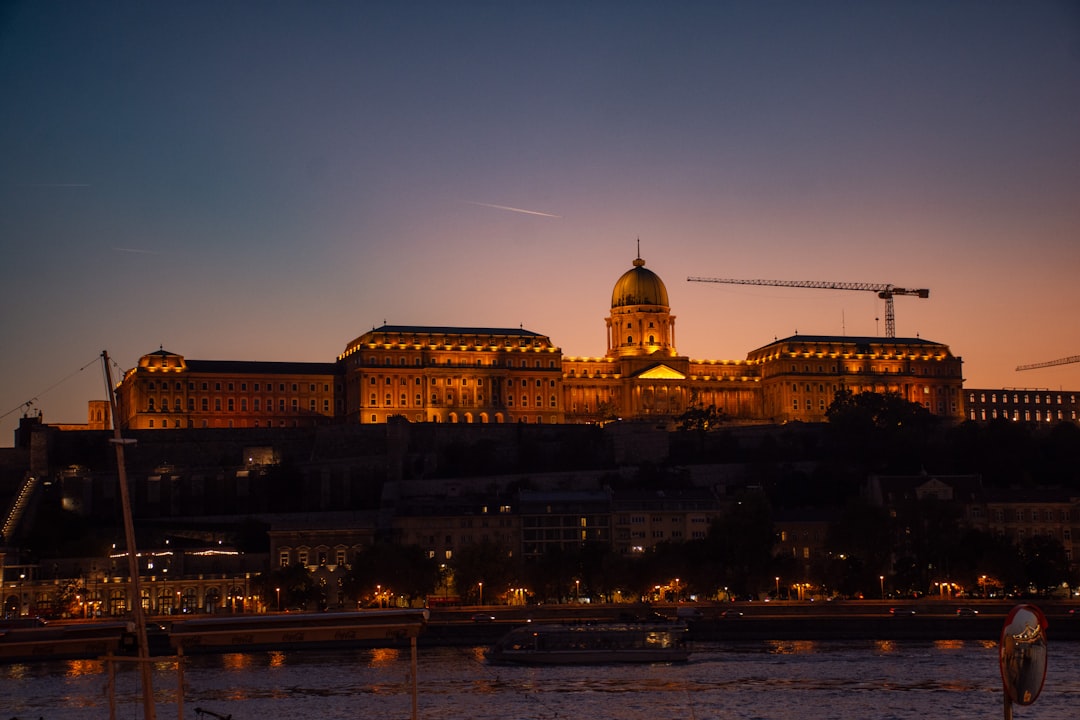
Pest is flat, fast, loud in the right way. Its Jewish Quarter hums with ruin bars and wine-soaked courtyards. Its grand boulevards feel imperial and slightly defiant. Buda is the opposite: hilly, quieter, older in its bones. The castle district empties after the tour groups leave, and what’s left is limestone lanes and views that keep getting better. The thermal baths thread through both sides like a shared nervous system — Ottoman-era pools on the Buda bank, Art Nouveau palaces on the Pest side, all of them fed by the same hot springs running beneath the city.
This is a place where a $6 bowl of goulash can be followed by a Michelin-starred wine pairing without either feeling out of place. The food and wine here offer exceptional quality at prices that reward adventurous ordering, and the coffeehouse tradition — marble tables, vaulted ceilings, waiters who’ve been there longer than you’ve been alive — gives the city a layered personality that doesn’t reveal itself to anyone in a hurry.
Two Cities, One River: Reading Budapest’s Split Personality
Start on the Pest side. Most of what you’ll want to do in the first two days lives here — the restaurants, the ruin bars, the shopping along Váci utca, the Opera House on Andrássy Avenue. District V is the practical center: Parliament, St. Stephen’s Basilica, the Danube promenade with its haunting Shoes on the Danube memorial. District VII, the Jewish Quarter, is the beating heart of nightlife and increasingly the food scene too.
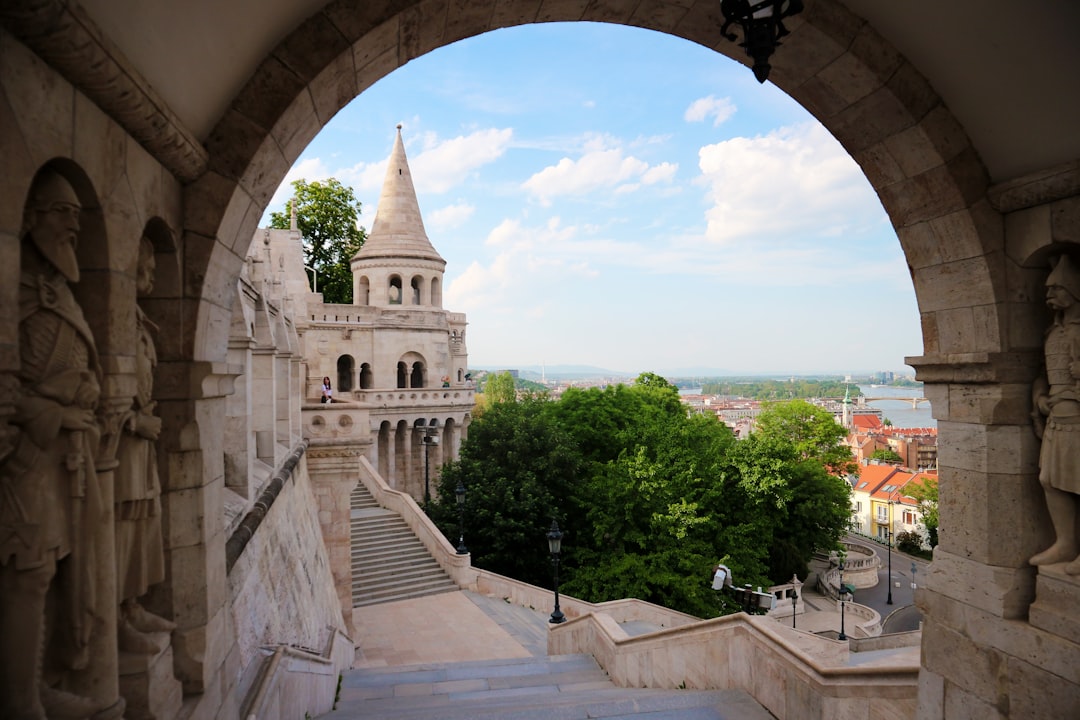
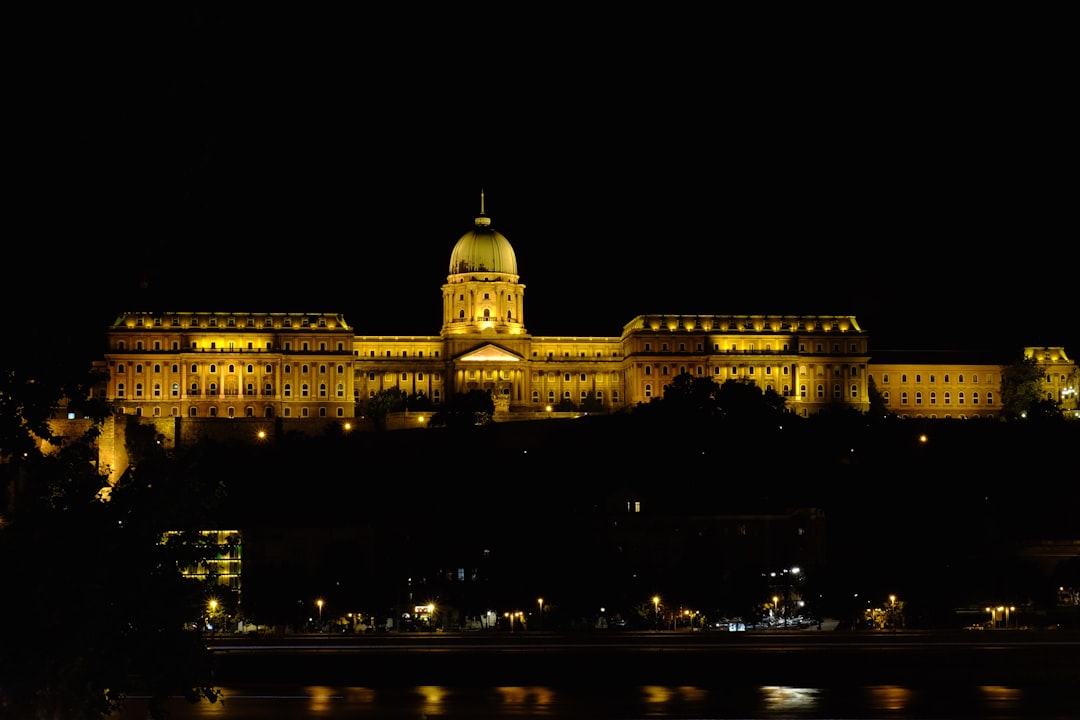
Then cross the river. The Chain Bridge delivers you to the foot of the Buda Castle District, and everything changes. The noise drops. The streets narrow. Fisherman’s Bastion looks like a movie set, but if you show up early morning or just before closing, you’ll have the terraces mostly to yourself. Matthias Church is worth stepping inside — the interior tilework is extraordinary.
Gellért Hill is the better climb. The Citadella at the top gives you a 360-degree panorama that makes every other viewpoint in the city feel partial. On a clear day you can trace the river in both directions and pick out every bridge.
But the real Buda surprise is further out. The Buda Hills are threaded with hiking trails and anchored by the Children’s Railway — a narrow-gauge line staffed almost entirely by kids aged 10–14, running through forest above the city. Take it one direction and ride the Libegő chairlift back down. Most visitors never leave the riverbanks. This is what they’re missing.
→ Buda Castle District guided walking tour
The Water Runs Warm: Budapest’s Thermal Bath Culture
Budapest sits on more than a hundred thermal springs. The bath tradition here isn’t a wellness trend — it’s infrastructure, embedded in the city since the Ottoman occupation in the 1500s. Locals treat a Tuesday morning soak the way Parisians treat a café au lait: not special, just necessary.
Széchenyi Baths is the one everyone knows, and it earns its reputation. Nearly 20 pools spread across a palatial Neo-Baroque complex in City Park. The outdoor pools steam in winter, chess players sit chest-deep in warm water year-round, and the scale of the place is genuinely impressive. Go early on a weekday morning. By noon on a Saturday, the selfie density makes it hard to relax.
→ Széchenyi Thermal Baths skip-the-line entry
Rudas Baths is the one to prioritize if you care about atmosphere. Built in the 1550s under Ottoman rule, the original octagonal pool sits beneath a stone dome pierced with star-shaped skylights. It’s dark, warm, and feels ancient in the best way. The modern rooftop addition — a hot tub with a panoramic view of the Danube and Gellért Hill — is one of the finest contrasts in the city: 500-year-old hammam below, 21st-century skyline above. Friday and Saturday night sessions run until 4am and draw a mix of locals and in-the-know visitors.
Lukács Baths is the local’s bath. Less photogenic, less crowded, and more focused on the actual therapeutic properties of the water. The onsite medical staff and medicinal pools make it a real neighborhood institution. If Széchenyi feels like a spectacle and Rudas feels like a pilgrimage, Lukács feels like a Tuesday.
A note on Gellért: the grand Art Nouveau bathhouse closed in fall 2025 for a major renovation. It won’t reopen until approximately 2028. If you see it recommended elsewhere, check the date on the article.
After Dark in the Jewish Quarter
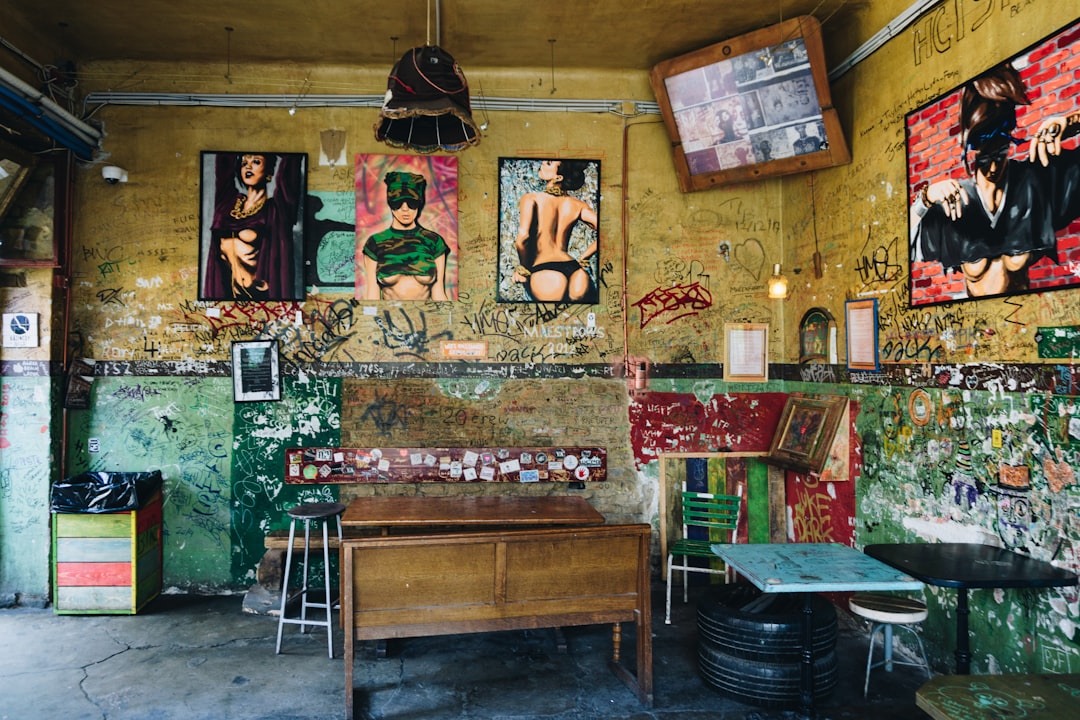
Ruin bars are Budapest’s most famous invention, and the concept is simple: take abandoned buildings in the old Jewish Quarter, fill them with mismatched furniture, bathtubs repurposed as seating, and cheap drinks. What started as DIY nightlife in the early 2000s is now a global brand. Whether that’s a problem depends on when you go.
Szimpla Kert opened in 2002 at Kazinczy utca 14 and is the original. It’s enormous, chaotic, and layered — different rooms have different music, different moods, different decades of accumulated décor. On a Sunday morning it hosts a farmers’ market. On a Friday night it hosts half of Europe’s stag parties. Go on a Tuesday or Wednesday evening instead. The space is the same. The crowd is better.
Instant-Fogas is the other heavyweight — a former apartment building converted into 15+ bars and seven dance floors spread across multiple levels. It stays open until 6am every night, which tells you everything about the clientele after midnight.
Mazel Tov is the smarter choice for dinner and atmosphere combined. Located in the Jewish Quarter, the courtyard restaurant serves traditional Jewish-Hungarian cuisine during the day and transitions to DJs and cocktails at night. The food is legitimately good, which can’t be said for most ruin bars. Order the shakshuka.
The experienced traveler’s move: visit the ruin bars midweek. Stag parties fly in Friday and leave Sunday. Tuesday through Thursday, the Jewish Quarter belongs to locals again.
→ Budapest ruin bar evening walking tour
The Table: Where Budapest Quietly Became One of Europe’s Best Food Cities
Hungarian food has a reputation problem. People hear “goulash” and think heavy winter stew. The reality in Budapest right now is more interesting than that.
Goulash (gulyás) is actually a soup — paprika-rich, with chunks of beef and potato. Order it at a traditional étterem, not a tourist-menu spot near the Basilica. The Central Market Hall (Nagyvásárcsarnok) on the Pest side is the place to calibrate your expectations and pick up saffron-grade paprika to bring home.
Borkonyha WineKitchen holds a Michelin star and pairs every dish with a specific Hungarian wine. The lettuce soup with scallops sounds unlikely and works beautifully. Reservations essential.
Lángos — deep-fried dough topped with sour cream and grated cheese — is the street food to seek out. The version at the Central Market Hall’s upper level is the standard, but the ones outside the thermal baths are arguably better, eaten standing up and still too hot.
Kürtőskalács (chimney cake) is everywhere in the Castle District. The cinnamon-walnut version from the street vendors is the one. Skip the Nutella variations.
And then there’s wine. Hungary has 22 wine regions and most visitors never try anything beyond Tokaji. Order a Tokaji Aszú (5 puttonyos) with dessert or foie gras — it’s the country’s legendary golden wine, and it’s extraordinary. For reds, ask for Egri Bikavér (Bull’s Blood from Eger). For summer lunches, a fröccs — the Hungarian wine spritzer — is the national drink, and ordering a “nagyfröccs” at any riverside terrace will make you look like you’ve been here before.
CELSIUS, which opened in late 2025 in the old Stühmer chocolate factory, is the current hottest table in town — chef Tóth Ádám’s sharing plates balance Asian techniques with Hungarian ingredients like mangalica pork. Worth the booking effort.
→ Hungarian wine tasting experience in Budapest
Picking Your Side of the Danube: Where to Stay
The neighborhood you choose determines which Budapest you wake up to. Both sides are right. It depends on what you want your mornings to look like.
District V (Belváros-Lipótváros) is the practical choice. Walking distance to Parliament, the Danube promenade, and the Chain Bridge. Restaurants and cafés on every block. This is where most visitors base themselves, and for good reason — everything connects from here. For a splurge, Aria Hotel Budapest is a music-themed boutique with complimentary wine hours and a rooftop bar with Basilica views.
→ Hotels in District V, Budapest
District VII (Jewish Quarter) is for travelers who want to walk home from Szimpla Kert at midnight. The streets around Kazinczy utca are lined with wine bars, Mediterranean restaurants, and some of Budapest’s best new openings. It’s louder than District V. It’s also more alive. Matild Palace on the edge of District V is the luxury anchor if you want to split the difference — ornate, lavish, with a breakfast that justifies the price.
→ Hotels in the Jewish Quarter, Budapest
Buda Castle District (District I) is the quiet option. Far fewer tourists after dark, genuine historic atmosphere, and you wake up to views instead of traffic. The trade-off is that restaurants and nightlife require crossing the river, but the tram and metro make that trivial. Maison Bistro & Hotel is the boutique pick here — thoughtful design, human scale, and a daily restaurant voucher that signals they actually care about the neighborhood.
→ Hotels in the Castle District, Budapest
Practical Notes for North American Travelers
Currency: Hungary uses the forint (HUF), not the euro. Cards are accepted almost everywhere in central Budapest, but carry some cash for market stalls, small bakeries, and the occasional bath locker deposit. ATMs are widely available; avoid the ones inside currency exchange shops.
Tipping: 10% is standard at restaurants. Round up for taxis and bath attendants. Unlike most of Western Europe, tipping is genuinely expected here, not optional.
Transit: Buy a Budapest Card or load up a transit pass — the metro, trams, and buses are excellent and cover both sides of the river efficiently. Tram 2 along the Pest riverbank is one of the most scenic urban transit rides in Europe.
Language: Hungarian is notoriously difficult, but English is widely spoken in tourist areas and restaurants. A “köszönöm” (thank you, roughly “kuh-suh-nuhm”) goes a long way.
Safety: Budapest is very safe for tourists. The usual urban-awareness rules apply. Avoid unlicensed taxis at the airport — use Bolt (the local ride-hailing app) or the 100E airport bus instead.
Ready to Plan Your Trip to Budapest?
You’ve done the reading. Here’s everything you need to make it happen.
Some links in this post are affiliate links. If you book through them,
CuriosityTrail earns a small commission at no extra cost to you.
Recommendations are chosen on merit; commissions never decide what’s included.